
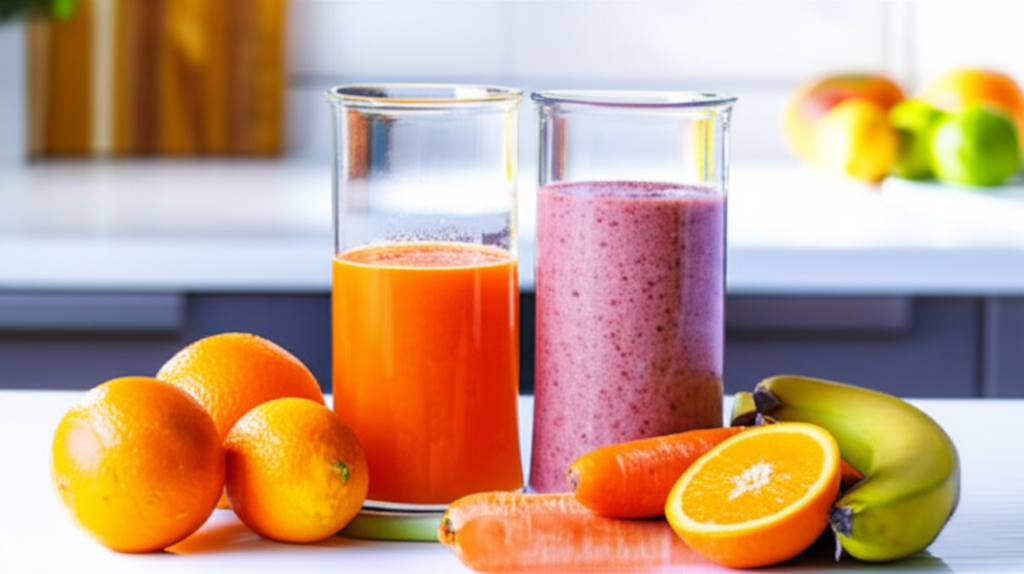
The core difference between a juicer and a blender lies in their output: a juicer extracts liquid by separating pulp, yielding pure juice, while a blender pulverizes whole ingredients, creating a thicker, fiber-rich beverage.
Key Takeaways
- Understand juicer types for varied results.
- Recognize blender’s ability to handle diverse textures.
- Compare nutrient profiles and fiber content.
- Evaluate ease of cleaning for each appliance.
- Consider your health goals and taste preferences.
What’s The Difference Between A Juicer And A Blender?
Deciding between a juicer and a blender can feel like a technological puzzle. Both appliances promise healthier, more vibrant drinks, yet they operate quite differently. You might be standing in the kitchen, a pile of fruits and vegetables before you, wondering which tool will best unlock their nutritional potential. This confusion is common, as the terms are often used interchangeably in everyday conversation. But understanding their distinct functions is key to making the right choice for your dietary goals and kitchen needs. Let’s demystify these kitchen powerhouses, breaking down exactly what’s the difference between a juicer and a blender, so you can blend or juice with confidence.
Understanding the Core Mechanics: Juicer vs. Blender

At its heart, the distinction between a juicer and a blender is about what happens to the solid matter of your ingredients. Think of it like this: a juicer is a separator, while a blender is a pulverizer. This fundamental difference dictates the texture, nutrient profile, and overall experience of the final product.
How a Juicer Works: The Art of Extraction
A juicer’s primary function is to extract the liquid from fruits and vegetables, leaving behind the fibrous pulp. This process yields a concentrated beverage that is rich in vitamins, minerals, and water. There are two main types of juicers, each employing a slightly different method:
Centrifugal Juicers
These are the most common and generally more affordable type. They work by spinning ingredients at a very high speed using a sharp cutting disc. The centrifugal force then pushes the pulverized produce against a fine mesh filter, separating the juice from the pulp. The juice is collected in one container, and the dry pulp is ejected into another.
- Speed: Fast operation.
- Heat: Can generate some heat, potentially affecting enzyme content.
- Output: Good for hard fruits and vegetables like carrots and apples.
- Cleaning: Can be more challenging due to the mesh filter.
Masticating Juicers (Slow Juicers)
Masticating juicers, also known as slow juicers, use a single, slow-moving auger (a screw-like mechanism) to crush and press ingredients against a screen. This gentler, slower process is believed to preserve more nutrients and enzymes because it generates less heat and oxidation. They are also more efficient at extracting juice, especially from leafy greens and soft fruits.
- Speed: Slower operation.
- Heat: Minimal heat generation, preserving more nutrients.
- Output: Excellent for leafy greens, wheatgrass, and soft fruits.
- Cleaning: Often easier to clean than centrifugal juicers.
Regardless of the type, the end result of juicing is a liquid that is easy for your body to absorb. Because the fiber is removed, your body doesn’t have to work as hard to break down the nutrients. This can be beneficial for individuals who have digestive issues or are looking for a quick nutrient boost. For more detailed information on juicing, resources from institutions like the USDA’s Food and Nutrition Information Center offer extensive data on food composition and nutritional benefits.
How a Blender Works: The Power of Pulverization
A blender, on the other hand, uses rapidly rotating blades to chop, liquefy, and incorporate the entire fruit or vegetable, including its skin, seeds, and fiber, into a smooth mixture. This creates a thicker, more viscous product, often referred to as a smoothie or shake.
Blenders are versatile machines. They can handle a wide range of ingredients, from soft fruits and vegetables to ice, nuts, and seeds. The blades work by creating a vortex, pulling ingredients down towards them for efficient processing. The result is a drink that retains all the original components of the ingredients.
- Texture: Creates thicker, smoother beverages.
- Fiber: Retains all dietary fiber, which is beneficial for digestion and satiety.
- Versatility: Can make smoothies, soups, sauces, nut butters, and more.
- Nutrient Retention: All parts of the ingredient are consumed, offering a full spectrum of nutrients.
- Cleaning: Generally easier to clean than juicers, especially with self-cleaning functions.
The fiber in blended drinks is a significant advantage for many. It aids in digestion, helps regulate blood sugar levels, and contributes to a feeling of fullness, which can be helpful for weight management. The inclusion of fiber means that the nutrients are released more slowly into the bloodstream, providing sustained energy. High-performance blenders, like those from Vitamix or Blendtec, are engineered to create incredibly smooth textures, even with tough ingredients.
Juicing vs. Blending: A Comparative Analysis
To truly grasp what’s the difference between a juicer and a blender, a direct comparison is invaluable. This table breaks down the key distinctions in output, nutrient profile, and usage.
| Feature | Juicer | Blender |
|---|---|---|
| Primary Function | Extracts liquid, separates pulp | Pulverizes whole ingredients |
| Output Texture | Thin, smooth liquid | Thick, smooth to slightly textured beverage |
| Fiber Content | Very low to none | High (all original fiber retained) |
| Nutrient Absorption | Faster, more concentrated | Slower, sustained release |
| Ingredient Versatility | Best for fruits and vegetables, especially hard ones (centrifugal) or greens (masticating) | Handles fruits, vegetables, ice, nuts, seeds, grains |
| Digestive Impact | Easier on digestion for some, quick nutrient uptake | Beneficial for gut health due to fiber, promotes satiety |
| Preparation Time | Often requires more prep (cutting, coring) | Can be faster, often less prep needed |
| Cleaning Effort | Can be more complex, especially mesh filters | Generally simpler, often with self-cleaning options |
| Potential Uses | Pure juices, shots | Smoothies, shakes, soups, sauces, nut butters |
Nutrient Differences: What You’re Really Getting
The nutrient profiles of juice and smoothies differ significantly due to the presence or absence of fiber. Juices offer a concentrated dose of water-soluble vitamins and minerals, which are quickly absorbed by the body. This can be a powerful way to consume a large amount of produce quickly. For instance, a glass of pure carrot juice is packed with beta-carotene, a precursor to Vitamin A.
Blended smoothies, however, provide a more complete nutritional package. The fiber, while slowing down nutrient absorption, offers numerous health benefits. It acts as a prebiotic, feeding beneficial gut bacteria, and contributes to a feeling of fullness, which can aid in appetite control. Furthermore, some nutrients are fat-soluble, meaning they are best absorbed when consumed with fats and fiber. Blending keeps these nutrients intact and available for absorption alongside the fiber.
Consider the example of an apple. Juicing an apple yields a clear, refreshing liquid. Blending it creates a thicker, opaque beverage where you consume the entire fruit. The fiber in the blended apple aids in digestion and helps prevent sharp spikes in blood sugar that might occur with pure apple juice. Research from institutions like the Harvard T.H. Chan School of Public Health consistently highlights the importance of whole fruits and vegetables, emphasizing the role of fiber.
Texture and Taste: A Matter of Preference
The textural difference is perhaps the most immediately noticeable. Juice is light and refreshing, akin to drinking water infused with flavor. Blended smoothies are substantial and creamy, often requiring a spoon or a wider straw. This texture can be more satisfying for some people, especially as a meal replacement or a post-workout recovery drink.
Taste can also be affected. Juicing can sometimes produce a more intense, pure flavor of the fruits and vegetables used. Blending, especially with added ingredients like yogurt, milk, or seeds, can create a more complex flavor profile. Your personal preference for texture and how you experience flavor will heavily influence whether you lean towards a juicer or a blender.
When to Choose a Juicer
A juicer is an excellent choice if your primary goal is to:
- Maximize Quick Nutrient Intake: For rapid absorption of vitamins and minerals, especially when feeling unwell or needing an energy boost.
- Consume Large Quantities of Produce: It’s easier to drink the juice of 5 carrots than to eat them whole.
- Focus on Hydration and Detoxification: Juices are primarily water-based and can be very hydrating.
- Individuals with Digestive Sensitivity: For those who struggle to digest fiber, juicing can be a gentler way to access nutrients.
- Experiment with Pure Vegetable Juices: To enjoy the distinct flavors of vegetables without the pulp.
For example, someone undergoing a cleanse or looking for a potent morning vitamin shot might opt for a juicer. It allows for a concentrated intake of phytonutrients without the bulk of fiber.
When to Choose a Blender
A blender is the superior choice if you aim to:
- Incorporate Whole Foods and Fiber: For sustained energy, improved digestion, and satiety.
- Create Hearty Meals or Snacks: Smoothies can be a complete meal replacement, especially when combined with protein, healthy fats, and grains.
- Reduce Food Waste: You use the entire fruit or vegetable, meaning nothing is discarded.
- Make a Variety of Recipes: Beyond smoothies, blenders can create soups, sauces, dips, nut milks, and more.
- Prioritize Convenience and Simplicity: Often, prep is minimal, and cleaning is straightforward.
A busy professional might find a blender more practical for creating a quick, filling breakfast smoothie to take on the go. This drink would offer a balanced mix of carbohydrates, protein, and healthy fats, keeping them full and energized throughout the morning.
Juicer vs. Blender: Which is Easier to Clean?
Cleaning is a crucial consideration for any kitchen appliance. The general consensus is that blenders are typically easier to clean than juicers.
Cleaning a Blender
Most blenders have a simple cleaning process. Often, you can add a drop of dish soap and some warm water to the blender jar, secure the lid, and run it on high for 30-60 seconds. This “self-cleaning” method removes most residue. For tougher stuck-on bits, you might need to use a brush or sponge. The blades are usually integrated, and the jar and lid are dishwasher safe for many models.
Cleaning a Juicer
Juicers, especially centrifugal models with fine mesh filters, can be more labor-intensive to clean. The pulp can get caught in the mesh, requiring a brush to dislodge it thoroughly. Masticating juicers might have fewer parts, but the auger and screen still need careful cleaning. Many manufacturers recommend cleaning juicers immediately after use to prevent pulp from drying and becoming difficult to remove.
A good tip for both appliances is to rinse them immediately after use. This prevents food particles from drying and sticking, making the subsequent cleaning process much simpler.
Pro Tip: Maximize Your Appliance’s Lifespan and Performance
Regardless of whether you choose a juicer or a blender, proper care is essential. Always refer to your appliance’s user manual for specific cleaning and maintenance instructions. For blenders, avoid overfilling the jar, especially with hot liquids, and ensure the lid is securely fastened before blending. For juicers, pre-cut ingredients into manageable sizes that fit the chute to avoid straining the motor. Regular maintenance, like checking seals and blade sharpness (for some blenders), will ensure your appliance performs optimally for years to come.
Juicing vs. Blending for Specific Health Goals
Your health objectives can also guide your decision. Here’s a look at how juicing and blending stack up for common goals:
Weight Management
Blenders are often favored for weight management due to the fiber content. The fiber in smoothies promotes satiety, helping you feel full longer and potentially reducing overall calorie intake. A well-balanced smoothie can serve as a satisfying meal replacement.
Juicers can be part of a weight management plan, but it’s important to be mindful of sugar content, especially with fruit-heavy juices. They can be used as a low-calorie snack or a way to increase vegetable intake. However, without fiber, they may not provide the same sustained fullness as a smoothie.
Detoxification and Cleansing
Juicers are frequently associated with “detox” diets. The idea is that by consuming concentrated liquids, the body can more easily absorb nutrients and “rest” the digestive system, allowing it to focus on eliminating toxins. While the scientific concept of a “detox” is debated, juicing can indeed be a way to flood the body with antioxidants and hydration.
Blenders can also support a “clean eating” approach by enabling you to consume a wide variety of nutrient-dense whole foods. The fiber content is excellent for supporting the body’s natural detoxification processes through healthy gut function.
Athletic Performance and Recovery
For athletes, blenders are excellent for creating post-workout recovery shakes. They can easily incorporate protein powders, fruits for carbohydrates, and healthy fats. The fiber helps with sustained energy release.
Juicers can provide quick hydration and a rapid influx of electrolytes and vitamins after strenuous activity. A beet juice, for example, is known for its potential to improve endurance.
Digestive Health
For individuals with specific digestive challenges, like those with Irritable Bowel Syndrome (IBS) or Crohn’s disease, juicing might be a better option as it removes much of the fiber that can aggravate symptoms. This allows for nutrient intake without digestive distress.
For general gut health, blenders are superior. The fiber acts as a prebiotic, feeding beneficial gut bacteria and promoting regularity. A diet rich in fiber is crucial for a healthy microbiome.
Factors to Consider When Choosing
Beyond the core differences, several practical factors should influence your decision:
- Your Diet and Health Goals: Are you looking for a quick nutrient hit, a meal replacement, or a way to increase fiber intake?
- Budget: Juicers, especially masticating ones, can be significantly more expensive than blenders.
- Kitchen Space: Both appliances can be bulky, so consider available counter or storage space.
- Time Commitment: How much time are you willing to dedicate to preparation and cleaning?
- Noise Level: Some juicers and blenders can be quite loud.
- Ingredient Preference: Do you primarily want to juice vegetables, or do you want to blend a wider variety of foods?
Frequently Asked Questions (FAQ)
Q1: Can a blender make juice?
A blender cannot make pure juice. It will create a smoothie by pulverizing the whole fruit or vegetable, including the fiber. You can strain the blended mixture to remove some pulp, but it won’t be the same as juice from a dedicated juicer.
Q2: Can a juicer make a smoothie?
No, a juicer cannot make a smoothie. Its function is to separate liquid from pulp. You will end up with juice and a separate container of pulp.
Q3: Which is better for getting nutrients: juicing or blending?
Both offer excellent ways to consume nutrients. Juicing provides concentrated, easily absorbed nutrients without fiber. Blending provides a full spectrum of nutrients along with beneficial fiber, which aids digestion and satiety. The “better” choice depends on your specific health goals and digestive needs.
Q4: Which appliance is better for weight loss?
Blenders are often considered more beneficial for weight loss because the fiber in smoothies promotes fullness, helping to control appetite and reduce overall calorie intake. Smoothies can also serve as satisfying meal replacements.
Q5: Are juicers and blenders difficult to clean?
Blenders are generally easier to clean, often with a quick rinse or a short blend with soap and water. Juicers, especially those with mesh filters, can be more time-consuming to clean thoroughly.
Q6: What kind of ingredients can I use in each?
Juicers are best suited for fruits and vegetables, particularly hard produce for centrifugal juicers and leafy greens for masticating juicers. Blenders are more versatile and can handle fruits, vegetables, ice, nuts, seeds, grains, and even cooked ingredients for soups and sauces.
Q7: Can I add other things to my juice or smoothie?
You can add ingredients like yogurt, milk (dairy or plant-based), protein powder, nuts, seeds, and spices to smoothies made in a blender. With juice from a juicer, you can add these after juicing, blending them into the juice to create a more substantial drink, essentially turning juice into a smoothie base.
Conclusion
Understanding what’s the difference between a juicer and a blender moves beyond mere appliance classification; it’s about understanding how you want to nourish your body. A juicer offers a concentrated, easily digestible liquid extract, ideal for a rapid nutrient boost or for those who find fiber challenging. A blender, conversely, delivers a complete package, retaining all the goodness of whole foods, including fiber, which is crucial for sustained energy, digestive health, and satiety. Neither is inherently superior; they simply serve different purposes. By considering your personal health objectives, taste preferences, and lifestyle, you can confidently select the appliance that best aligns with your journey towards a healthier, more vibrant you.