
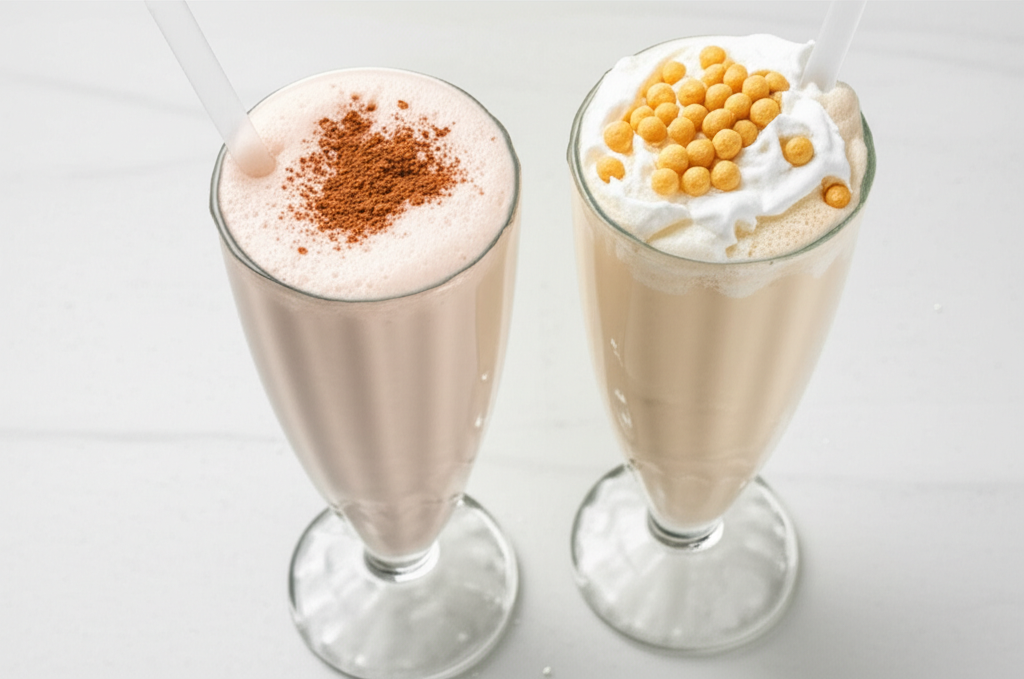
The main difference between a malt and a milkshake is the addition of malted milk powder to a malt, which gives it a distinct nutty, toasty flavor and a creamier texture. Milkshakes are typically just ice cream, milk, and flavorings.
Key Takeaways
- Malt adds a unique toasty flavor.
- Milkshakes are simpler, often just ice cream and milk.
- Both are delicious frozen dairy treats.
- Malted milk powder is the key ingredient difference.
- Texture and flavor profiles vary significantly.
- Understand the core components for easy home creation.
What Is The Difference Between A Malt And A Milkshake: Surprising Facts
You’ve probably ordered both a malt and a milkshake at a diner or ice cream shop. They sound similar, right? Both are cold, creamy, and utterly delicious. But if you’ve ever noticed a subtle difference in taste or texture, you’re not imagining things! Understanding what is the difference between a malt and a milkshake is key to satisfying your sweet cravings precisely. It’s a common question, and the answer is simpler than you might think. We’ll break down the key ingredients and characteristics that set these beloved beverages apart. Get ready to become a pro at recognizing and even making your own perfect malt or milkshake at home!
Unpacking The Core Ingredients: What Goes In?

At their heart, both malts and milkshakes are delightful frozen concoctions designed to be sipped and savored. However, the magic that elevates one to a malt is a single, special ingredient. Let’s dive into what makes each of them tick.
The Classic Milkshake: Simplicity at Its Finest
A traditional milkshake is a beautiful testament to the power of a few high-quality ingredients. Think of it as the pure essence of ice cream in drinkable form. The foundation is straightforward:
- Ice Cream: This is the star of the show. The type and quality of ice cream you use will heavily influence the final flavor and richness. Vanilla is often the base, allowing other flavors to shine, but you can use any flavor you like!
- Milk: This liquid is used to thin the ice cream to a sippable consistency. Whole milk generally yields the creamiest results, but you can opt for lower-fat milk or even dairy-free alternatives like almond milk, oat milk, or soy milk for a different texture and flavor profile.
- Flavorings: This is where the creativity comes in! Syrups, fruits, cookies, candies, or even coffee can be added to create an endless variety of milkshake flavors.
The beauty of a milkshake lies in its adaptability. You can blend these basic components in countless ways to achieve your desired taste and thickness. The goal is a smooth, creamy, and refreshing beverage.
The Malted Milkshake: The Secret Ingredient Revealed
Now, let’s talk about the malt. A malted milkshake, often simply called a “malt,” includes everything a standard milkshake does, but with one crucial addition: malted milk powder. This powder is made from a combination of malted barley, wheat flour, and evaporated whole milk. It’s this ingredient that gives a malt its distinctive character.
- Ice Cream: Just like a milkshake, this is essential.
- Milk: Used to achieve the right consistency.
- Flavorings: Optional, but common.
- Malted Milk Powder: This is the game-changer!
When you add malted milk powder, it doesn’t just add a new flavor; it changes the entire sensory experience. It introduces a unique, slightly sweet, nutty, and toasty flavor profile that many people find incredibly appealing. It also contributes to a thicker, creamier, and more substantial texture.
Taste and Texture Differences: What To Expect
The presence or absence of malted milk powder creates noticeable differences in both the taste and texture of these drinks. Understanding these distinctions can help you order (or make!) exactly what you’re craving.
The Milkshake Experience
A well-made milkshake typically has a smooth, velvety texture. It’s rich from the ice cream and milk, and the flavor is usually direct and clean, reflecting the primary ingredients. If you add chocolate syrup, you get a pure chocolate flavor. If you add strawberries, you get a distinct strawberry taste. It’s refreshing and sweet, a straightforward indulgence.
The Malted Milkshake Experience
A malt offers a more complex flavor profile. The malted milk powder imparts a subtle yet unmistakable taste often described as:
- Nutty
- Toasty
- Slightly earthy
- Caramel-like
- A hint of butterscotch
This unique flavor melds beautifully with the ice cream and any other flavorings. It doesn’t overpower; rather, it adds a depth and sophistication. In terms of texture, malts are generally thicker and creamier than milkshakes, with a more substantial mouthfeel. This is partly due to the powder itself and how it interacts with the liquids and fats.
Historical Roots: Where Did They Come From?
To truly appreciate the difference between a malt and a milkshake, a little trip down memory lane is in order. Both have humble beginnings that paved the way for their modern-day popularity.
The Birth of the Milkshake
The term “milkshake” started appearing in print in the late 19th century. Early versions were quite different from today’s blended creations. Some accounts suggest they were more like an eggnog, containing milk, sugar, and flavorings, sometimes with eggs and even whiskey! It wasn’t until the invention of the electric blender in the early 20th century that the thick, creamy, ice-cream-based drinks we know today became commonplace.
By the 1920s and 1930s, milkshakes were a popular treat, especially in soda fountains and drugstores. The addition of ice cream by entrepreneur Walter Reed in 1922 is often cited as a pivotal moment, transforming the beverage into the rich dessert-like drink we love.
The Invention of Malted Milk
Malted milk itself has a slightly earlier and more specific origin story. It was invented in the 1870s by brothers William and James Horlick. Initially, they developed malted milk powder as a nutritious food supplement for infants and invalids. It was a way to make milk more digestible and add nutritional value through malted barley. The product was patented in 1883.
It wasn’t long before people realized this nutritious powder could also be a delicious addition to drinks. By the early 20th century, soda fountains began adding malted milk powder to their milkshakes, creating the “malted milkshake.” This innovation quickly gained popularity, offering a new dimension of flavor and texture that set it apart from the standard milkshake.
Key Differences at a Glance: A Comparison Table
To make the distinctions crystal clear, let’s lay out the key differences in a handy table. This will help you quickly identify what makes each drink unique.
| Feature | Milkshake | Malted Milkshake (Malt) |
|---|---|---|
| Primary Ingredients | Ice Cream, Milk, Flavorings | Ice Cream, Milk, Flavorings, Malted Milk Powder |
| Key Differentiator | None | Malted Milk Powder |
| Flavor Profile | Direct, clean flavors of ice cream and additions | Nutty, toasty, slightly caramel-like, complex |
| Texture | Smooth, creamy, can vary in thickness | Thicker, creamier, more substantial, often richer |
| Origin | Evolved from simple milk drinks; popularized with blenders and ice cream | Malted milk powder (invented as supplement) added to milkshakes |
| Common Sweeteners | Syrups, sugar, fruit | Syrups, sugar, fruit, plus the natural sweetness of malt |
Crafting Your Own: Pro Tips for Home Creation
Now that you understand the fundamental differences, you might be inspired to create your own perfect malt or milkshake at home. It’s easier than you think, and you have complete control over the ingredients and flavors!
Making the Perfect Milkshake
Here’s a simple guide to making a fantastic milkshake:
- Gather Your Ingredients: High-quality ice cream (about 2 cups), cold milk (start with 1/2 cup, add more as needed), and your chosen flavorings (e.g., chocolate syrup, fresh fruit, cookie pieces).
- Chill Your Equipment: For an extra thick shake, chill your blender pitcher and serving glass in the freezer for at least 15-30 minutes.
- Combine in Blender: Add the ice cream and flavorings to the blender.
- Add Milk Gradually: Pour in about half of the milk.
- Blend Until Smooth: Start blending on low speed, then increase to high. Blend until the mixture is smooth and creamy but not too thin. If it’s too thick, add a tablespoon or two more milk at a time and blend briefly.
- Serve Immediately: Pour into your chilled glass and enjoy!
Making the Perfect Malt
To transform your milkshake into a malt, it’s just one extra step:
- Add Malted Milk Powder: Before blending, add 2 to 4 tablespoons of malted milk powder (like Ovaltine or Carnation) to the blender along with the ice cream and flavorings. The amount depends on how strong you want the malt flavor to be.
- Blend as Usual: Follow steps 3-6 from the milkshake instructions above. The malt powder will integrate into the mixture, creating that signature flavor and thicker texture.
Pro Tip: For the creamiest texture without over-diluting, use very cold milk. You can even use some frozen milk cubes instead of ice if you want to add thickness without watering down the flavor. Experiment with different types of ice cream and malted milk powders to discover your favorite combinations!
Nutritional Considerations: A Healthier Angle?
While malts and milkshakes are undeniably treats, we can explore them from a nutritional perspective, especially if you’re looking to make them a bit more health-conscious. As your culinary guide focused on natural ingredients, I always encourage mindful enjoyment.
The Indulgence Factor
Let’s be upfront: traditional malts and milkshakes are high in sugar and fat, primarily from the ice cream and added syrups. They are dessert beverages, meant to be enjoyed in moderation as part of a balanced diet. A typical large milkshake can contain well over 500 calories and significant amounts of saturated fat and sugar.
Making Healthier Choices
If you’re aiming for a lighter version, here are some ideas:
- Use Lower-Fat Ice Cream or Frozen Yogurt: This significantly reduces fat and calories.
- Opt for Fruit-Based Sweetness: Blend in fresh or frozen fruits like bananas, berries, or mangoes. Bananas, in particular, add natural sweetness and a creamy texture.
- Reduce Added Sugars: Be mindful of the amount of syrup you add. Sometimes, the sweetness from the ice cream and fruit is enough.
- Incorporate Nutrient-Dense Add-ins: Consider adding a spoonful of chia seeds, flax seeds, or a bit of unsweetened cocoa powder for added nutrients and fiber.
- Dairy-Free Alternatives: For those avoiding dairy, plant-based milks and dairy-free ice creams or frozen yogurts are excellent options.
Regarding malted milk powder, it does add some nutrients like B vitamins and minerals, but it also contains sugar. So, while it adds flavor complexity, it doesn’t inherently make the drink “healthy.” The key is balance and moderation.
Beyond the Basics: Variations and Popular Flavors
The world of malts and milkshakes is vast and exciting! Once you’ve mastered the basic difference, you can explore a universe of flavors and variations.
Popular Milkshake Flavors
- Chocolate: A timeless classic, made with chocolate ice cream and chocolate syrup.
- Vanilla: The perfect canvas for other flavors, or enjoyed in its pure, simple form.
- Strawberry: Made with strawberry ice cream and fresh or frozen strawberries.
- Cookies and Cream: Vanilla ice cream blended with crushed chocolate sandwich cookies.
- Mint Chocolate Chip: Mint-flavored ice cream with chocolate chips.
Popular Malted Milkshake Flavors
The malt powder adds an extra layer of deliciousness to many classic flavors:
- Chocolate Malt: The rich chocolate flavor is enhanced by the toasty notes of the malt.
- Vanilla Malt: The malt adds a subtle complexity to the classic vanilla.
- Horlicks Malt: A popular brand of malted milk, often used to create a distinctively rich malt flavor.
- Peanut Butter Malt: The nutty flavors of peanut butter and malt are a perfect match.
- Coffee Malt: A sophisticated blend for coffee lovers.
You can also get creative with add-ins like caramel swirls, marshmallow fluff, different types of cookies, or even a shot of espresso for an extra kick.
External Resources for Further Exploration
For those who love to dive deeper into the science and history of food and drink, here are some authoritative resources:
- The USDA National Agricultural Library offers extensive information on food science and nutrition.
- The Smithsonian Magazine often features articles on the history of popular foods and beverages.
- The Food Network provides a wealth of recipes and inspiration for making various milkshakes and malts at home.
Exploring these sites can offer more insights into the ingredients, historical context, and creative possibilities surrounding these beloved treats.
Frequently Asked Questions (FAQs)
Q1: Is a malt just a thicker milkshake?
While malts are often thicker, the primary difference is the flavor imparted by malted milk powder, not just the consistency. The powder itself contributes to a denser texture.
Q2: Can I make a malt at home without malted milk powder?
No, the malted milk powder is the defining ingredient. Without it, you’ll just be making a regular milkshake, albeit a delicious one!
Q3: What kind of milk is best for milkshakes and malts?
Whole milk generally produces the creamiest result. However, you can use 2% milk, skim milk, or non-dairy alternatives like oat milk or almond milk. The fat content will affect the richness and texture.
Q4: Are malts healthier than milkshakes?
Neither is typically considered a health food. Malts have added malted milk powder, which contains some nutrients but also sugar. Both are best enjoyed as occasional treats. You can make healthier versions by using frozen yogurt, less sugar, and more fruit.
Q5: Can I add malt powder to any milkshake flavor?
Absolutely! Malt powder complements almost any flavor, from chocolate and vanilla to fruit and coffee. It adds a unique depth that can enhance many taste combinations.
Q6: What is malted milk powder made of?
Malted milk powder is typically made from malted barley, wheat flour, and evaporated whole milk. It’s dried and powdered for use in beverages and baking.
Q7: How much malted milk powder should I use?
Start with 2 tablespoons per serving and adjust to your taste. Some people prefer a subtle malt flavor, while others enjoy it more pronounced. You can experiment to find your perfect balance.
Conclusion
So, there you have it! The next time you find yourself pondering the menu at your favorite ice cream spot, you’ll know exactly what sets a malt apart from a milkshake. It’s all about that magical malted milk powder, transforming a simple, creamy treat into something with a uniquely toasty, nutty depth. Whether you prefer the straightforward delight of a milkshake or the complex character of a malt, both are fantastic ways to enjoy a cold, sweet indulgence. Now you’re equipped with the knowledge to order with confidence, make them at home with ease, and even explore healthier variations. Happy sipping!