
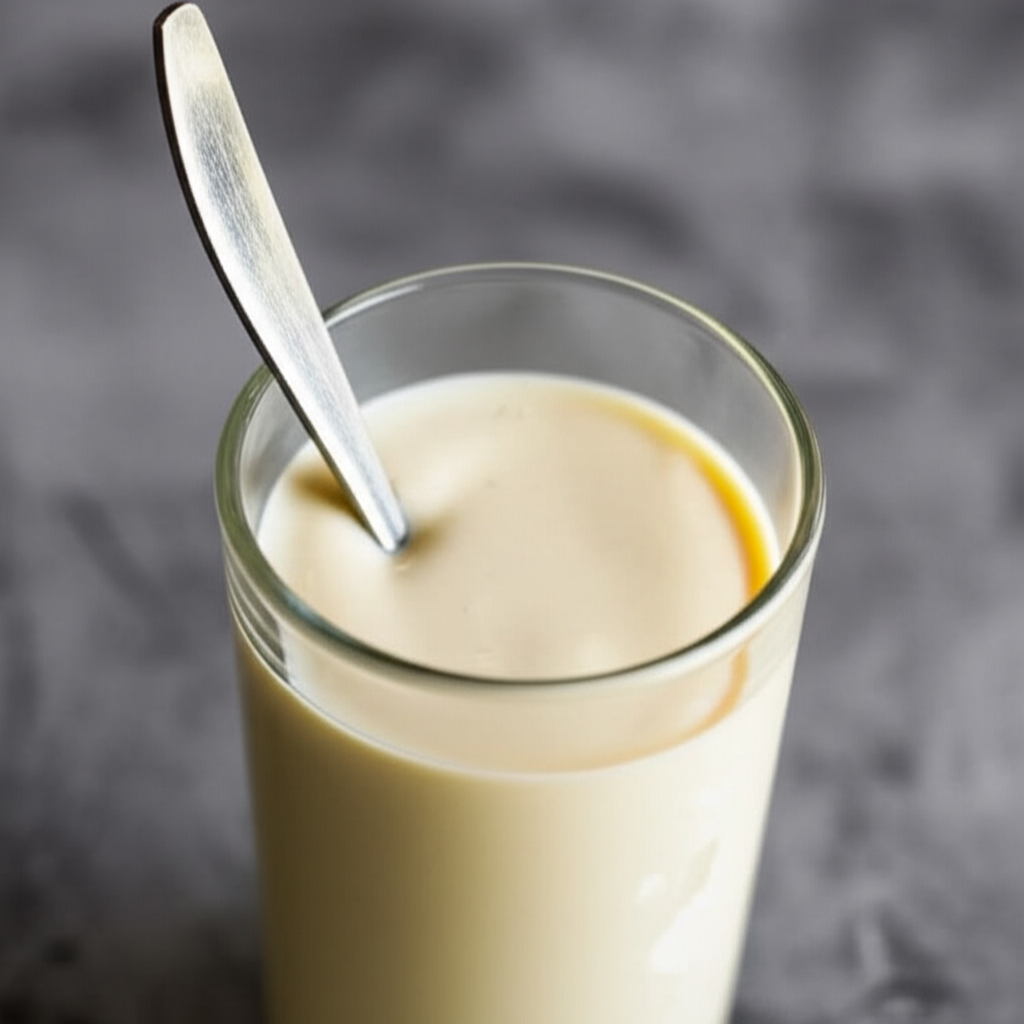
A McDonald’s milkshake is primarily made from milk, sugar, and a creamy base, often containing artificial flavors and stabilizers for that signature taste and texture. The “shocking truth” for some is the presence of these additives rather than whole fruits or natural ingredients.
Key Takeaways
- Understand McDonald’s milkshake ingredients.
- Discover the creamy base components.
- Learn about common flavorings and stabilizers.
- Compare to homemade healthy milkshake options.
- Find simple tips for healthier shakes.
What Is A McDonald’s Milkshake Made Of? Unpacking the Ingredients
Ever wondered what goes into that thick, creamy, and undeniably delicious McDonald’s milkshake? You’re not alone! Many of us have enjoyed these sweet treats for years, but the exact ingredients can be a bit of a mystery. It’s common to assume it’s just milk and ice cream, but the reality is a little more complex. Understanding what you’re drinking is the first step towards making informed choices about your diet. This guide will break down the ingredients in a McDonald’s milkshake, demystify common components, and even offer some simple ways to create healthier, equally satisfying shakes at home. Let’s dive in and uncover the truth behind the iconic treat.
The Foundation: Milk and the Creamy Base

At its core, a McDonald’s milkshake starts with a foundation of dairy. However, it’s not just a simple pour of milk and a scoop of ice cream from your home freezer. The chain uses a specific, pre-made soft-serve ice cream mix as its base. This mix is designed for consistency and shelf-life, which means it contains more than just milk and sugar.
What’s in the Soft-Serve Mix?
The exact formulation of McDonald’s soft-serve mix is a proprietary blend, but general components can be found by looking at similar products and industry standards. It typically includes:
- Milk: The primary liquid component, providing the dairy base.
- Sugar: Essential for sweetness and also contributes to the texture and freezing point.
- Cream: Adds richness and a smoother mouthfeel.
- Stabilizers and Emulsifiers: These are crucial for achieving the signature thick, smooth, and non-icy texture that holds up well in the dispenser. Common examples include guar gum, locust bean gum, and mono- and diglycerides. These help prevent ice crystals from forming and keep the mixture uniform.
- Flavorings: Natural and artificial flavors are added to create the distinct taste of vanilla, chocolate, or strawberry.
- Colorings: For flavors like strawberry, food colorings are often used to achieve a vibrant pink hue.
The “shocking truth” for many is the inclusion of these processed ingredients, which go beyond the simple components of homemade ice cream. While not inherently harmful in moderation, they are what differentiate a fast-food shake from a naturally made one.
Beyond the Base: Flavorings and Additives
While the creamy base provides the structure, the flavorings are what give each milkshake its identity. McDonald’s offers classic flavors, and the ingredients behind these are worth a closer look.
Vanilla Milkshake Ingredients
The vanilla milkshake, often considered the simplest, still relies on the pre-made base. Beyond the base ingredients, the primary flavoring comes from:
- Artificial Vanilla Flavor: This provides the characteristic vanilla taste. While natural vanilla extract is derived from vanilla beans, artificial vanillin is synthesized to mimic this flavor.
- Other Enhancers: Additional flavor compounds might be used to round out the taste profile and ensure consistency across batches.
Chocolate Milkshake Ingredients
For the chocolate lover, the chocolate milkshake adds another layer of ingredients:
- Cocoa Powder: This is the source of the chocolate flavor. The type and quality of cocoa powder significantly impact the taste.
- Chocolate Syrup or Flavoring: In addition to or instead of cocoa powder, a chocolate syrup or concentrated flavoring is often added to intensify the chocolate taste. This can also contain sugars, colorings, and additional flavorings.
- Potentially More Sugar: Chocolate flavors often require additional sugar to balance the bitterness of cocoa.
Strawberry Milkshake Ingredients
The strawberry milkshake often presents a vibrant color and fruity taste, achieved through:
- Artificial Strawberry Flavor: Similar to vanilla, artificial flavorings are commonly used to replicate the taste of fresh strawberries.
- Strawberry Puree or Concentrate: Some formulations may include a small amount of strawberry puree or concentrate, but the dominant flavor often comes from artificial sources.
- Food Coloring: Red and other food dyes are frequently used to give the shake its characteristic pink or red appearance, which might not be achievable with natural ingredients alone.
Nutritional Considerations: What You’re Really Consuming
Understanding the ingredients is one thing; understanding their nutritional impact is another. McDonald’s milkshakes, particularly the larger sizes, can be high in calories, sugar, and saturated fat. This is due to the combination of the sugary base, added flavorings (which often contain sugar), and sometimes whipped cream toppings.
Breakdown of Key Nutritional Components:
Let’s look at a typical medium-sized McDonald’s vanilla milkshake (values can vary by region and specific product updates):
| Nutrient | Approximate Amount (Medium Vanilla) | Notes |
|---|---|---|
| Calories | 500-600 kcal | Significant portion of daily caloric intake. |
| Total Fat | 15-20g | Includes saturated fat from dairy and stabilizers. |
| Saturated Fat | 10-15g | Can contribute to increased cholesterol levels. |
| Total Sugars | 60-80g | Primarily from added sugars in the base and flavorings. |
| Added Sugars | 40-60g | Exceeds recommended daily limits for many individuals. |
| Sodium | 150-200mg | Relatively low compared to other components. |
| Protein | 8-12g | From the milk content. |
It’s important to note that these are estimates, and McDonald’s provides detailed nutritional information on their website and in-store for their current menu items. For instance, you can find comprehensive details on McDonald’s official nutrition calculator.
The Role of Sugar
The high sugar content is a primary concern for many. Excessive intake of added sugars is linked to various health issues, including weight gain, type 2 diabetes, and heart disease. While a milkshake can be an enjoyable treat, frequent consumption can contribute to these risks.
Fat Content
The fat content, particularly saturated fat, comes from the dairy and emulsifiers in the soft-serve base. While some fat is necessary for nutrient absorption and satiety, high intake of saturated fat can negatively impact cardiovascular health.
Making Healthier Milkshakes at Home
The good news is that creating a delicious and satisfying milkshake at home without the processed ingredients is surprisingly easy! You have complete control over what goes in, allowing you to tailor it to your taste and dietary needs. As a culinary guide focused on natural ingredients, I love guiding beginners through simple, wholesome recipes.
Essential Tools for Homemade Shakes
You don’t need fancy equipment to make a great shake. Here are a few essentials:
- Blender: The most common tool for smooth, creamy shakes. Even a basic personal blender can do the job.
- Measuring Cups and Spoons: For accurate ingredient proportions.
- Spatula: To scrape down the sides of the blender.
- Glasses or Mugs: For serving your creation.
Simple Steps to a Healthy Homemade Milkshake
Here’s a basic recipe for a classic vanilla shake that you can adapt:
- Gather Your Ingredients: You’ll need milk (dairy or non-dairy), a frozen fruit base (like frozen bananas for creaminess), and a natural sweetener if desired.
- Combine in Blender: Add about 1 cup of milk to your blender. Then, add 1-2 frozen bananas (cut into chunks) for creaminess and sweetness. If you want a thinner shake, add more milk. For a thicker one, use less milk or more frozen fruit.
- Add Flavor: For vanilla, a splash of pure vanilla extract is perfect. For chocolate, add unsweetened cocoa powder. For strawberry, use fresh or frozen strawberries.
- Sweeten (Optional): Taste the mixture. If it needs more sweetness, add a touch of honey, maple syrup, or a date.
- Blend Until Smooth: Secure the lid and blend on high speed until the mixture is completely smooth and creamy. You might need to stop and scrape down the sides a couple of times.
- Serve Immediately: Pour into a glass and enjoy your fresh, homemade milkshake!
Tips for Natural Sweetness and Flavor
Instead of refined sugars, consider these natural alternatives:
- Frozen Bananas: The ultimate natural sweetener and thickener for shakes. They create an incredibly creamy texture when blended.
- Dates: Medjool dates, pitted, add natural sweetness and a caramel-like flavor. Soak them in warm water for a few minutes if they are dry.
- Berries: Fresh or frozen berries (strawberries, blueberries, raspberries) add natural sweetness, flavor, and vibrant color.
- Honey or Maple Syrup: Use in moderation for a quick sweetness boost.
- Pure Vanilla Extract: For that classic vanilla flavor without artificial ingredients.
- Unsweetened Cocoa Powder: For a rich, deep chocolate flavor.
Experimentation is key! Don’t be afraid to try different combinations. For example, a blend of frozen mango and coconut milk can create a tropical delight, while frozen cherries and almond milk make a beautiful, naturally sweet cherry shake.
Comparing McDonald’s Shakes to Homemade Alternatives
The most significant difference lies in the ingredients. McDonald’s milkshakes are formulated for mass production, consistency, and shelf-life, leading to the use of stabilizers, artificial flavors, and significant amounts of added sugar. Homemade shakes, on the other hand, can be made with whole, unprocessed ingredients.
Pros and Cons Table
| Aspect | McDonald’s Milkshake | Homemade Milkshake |
|---|---|---|
| Ingredients | Dairy, sugar, stabilizers, emulsifiers, artificial flavors, colorings. | Milk (dairy/non-dairy), fruit, natural sweeteners, natural flavorings. |
| Taste & Texture | Consistently thick, creamy, and sweet due to formulation. | Varies based on ingredients; can be naturally creamy and satisfying. |
| Health Profile | High in calories, added sugars, and saturated fat. | Can be controlled for lower sugar/fat; nutrient-dense from fruits. |
| Convenience | Quick and readily available. | Requires preparation time and ingredients. |
| Customization | Limited flavor options. | Endless flavor and dietary customization. |
| Cost | Fixed price per size/flavor. | Can be more cost-effective for regular consumption. |
For those prioritizing health and natural ingredients, the homemade route offers unparalleled benefits. It allows you to avoid artificial additives and control sugar intake, making it a much healthier option for regular enjoyment.
Pro Tips for Healthier Shake Habits
If you still enjoy the occasional McDonald’s treat, here are some ways to make it a slightly better choice:
- Opt for Smaller Sizes: A small milkshake will have significantly fewer calories and less sugar than a large one.
- Skip the Whipped Cream: This is an easy way to cut down on extra calories and fat.
- Be Mindful of Toppings: If you’re adding cookie pieces or other toppings, they add even more sugar and calories.
- Consider It a Treat: View fast-food milkshakes as an occasional indulgence rather than a regular beverage.
The “Shocking Truth” Revisited: What Does It Mean for You?
The “shocking truth” about McDonald’s milkshakes isn’t that they contain poison, but rather that they are highly processed products designed for a specific taste, texture, and shelf-life. The ingredients list often includes items that are not typically found in a home kitchen, such as artificial flavors, emulsifiers, and stabilizers. For beginners learning about nutrition and home cooking, this distinction is important.
Understanding these ingredients empowers you to make informed choices. It highlights the benefits of preparing your own food, where you can ensure the quality and origin of every component. This knowledge can be particularly valuable for individuals managing health conditions or those simply aiming for a more natural diet.
If you’re interested in the science behind food processing and stabilizers, resources like the FDA’s information on food additives can provide further insight into their regulation and use in the food industry.
Frequently Asked Questions (FAQ)
Q1: Are McDonald’s milkshakes made with real ice cream?
A1: McDonald’s milkshakes are made with a soft-serve mix that has a similar base to ice cream (milk, sugar, cream) but also includes stabilizers and emulsifiers to maintain its texture and consistency in their dispensing machines. It’s not the same as scooping traditional hard-pack ice cream.
Q2: What are the main differences between McDonald’s vanilla and chocolate milkshakes?
A2: The primary difference is the addition of cocoa powder and/or chocolate flavoring to the chocolate milkshake, along with potentially more sugar to balance the cocoa’s bitterness. The base ingredients remain largely the same.
Q3: Can I make a McDonald’s-style milkshake at home without a blender?
A3: While a blender provides the smoothest result, you can achieve a milkshake-like consistency without one. You’d need to vigorously whisk softened ice cream (or a very cold milk/cream mixture with sugar) with flavorings in a bowl until frothy. It will be less smooth and more labor-intensive.
Q4: Are the stabilizers in McDonald’s milkshakes safe to consume?
A4: Stabilizers like guar gum and locust bean gum are generally recognized as safe (GRAS) by regulatory bodies like the FDA when used within permitted levels. They are common in many processed foods to improve texture and prevent separation.
Q5: How can I make my homemade milkshakes thicker like McDonald’s?
A5: To achieve a thicker shake at home, use frozen fruits (especially bananas), less liquid (milk), and ensure your dairy or non-dairy base is very cold. Adding a small amount of xanthan gum or psyllium husk can also help mimic the emulsifying effect of stabilizers, but use sparingly.
Q6: Is it bad to drink a McDonald’s milkshake every day?
A6: Drinking a McDonald’s milkshake every day is generally not recommended due to its high content of added sugars and calories, which can contribute to weight gain, dental problems, and an increased risk of chronic diseases like type 2 diabetes and heart disease. Occasional enjoyment is different from daily consumption.
Q7: What are the healthiest milk alternatives for homemade shakes?
A7: For homemade shakes, healthy milk alternatives include unsweetened almond milk, soy milk, oat milk, or coconut milk. These offer different flavor profiles and nutritional benefits. For a richer texture, consider using a portion of full-fat canned coconut milk.
Conclusion
So, what is a McDonald’s milkshake made of? It’s a blend of milk, sugar, a specialized creamy base containing stabilizers and emulsifiers, and artificial flavorings. While it delivers that consistent, nostalgic taste and texture many love, understanding these components is key. For those seeking a healthier, more natural alternative, the power is in your own kitchen. By using simple, whole ingredients like frozen fruits, natural sweeteners, and your choice of milk, you can easily create delicious and nourishing shakes that are far better for your well-being. Embrace the joy of making your own healthy treats and discover a world of flavor possibilities right at your fingertips.