
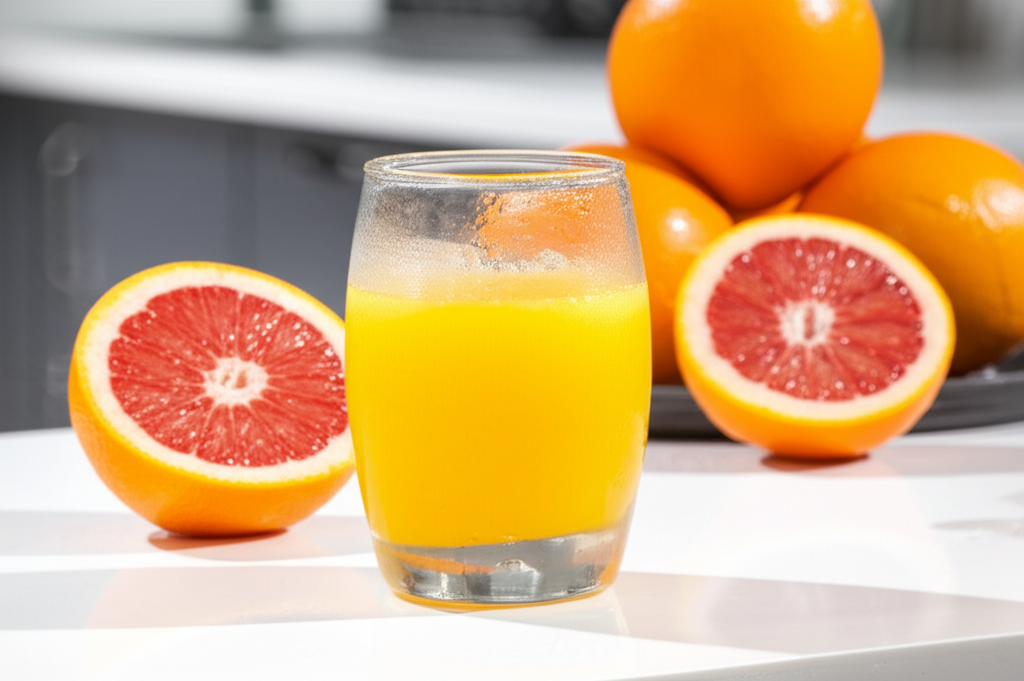
Is Orange Juice Good For Hydration?
Yes, orange juice can contribute to hydration, primarily due to its high water content. However, it’s best enjoyed in moderation as part of a balanced fluid intake, considering its sugar content.
Key Takeaways
- Hydrates with its water content.
- Provides essential electrolytes like potassium.
- Offers vitamin C and antioxidants.
- Contains natural sugars, so moderation is key.
- Diluting with water can boost hydration.
- Choose 100% juice for maximum benefits.
Many of us reach for a glass of something refreshing when we feel thirsty. Water is the obvious choice, but what about other popular beverages? Orange juice, with its bright color and tangy flavor, is a favorite for many. You might be wondering, “Is orange juice good for hydration?” It’s a great question! While it quenches your thirst, understanding how it fits into your daily fluid needs is important. This guide will explore the hydrating power of orange juice, its nutritional benefits, and how to enjoy it wisely. Let’s dive into the world of citrus and hydration!
Understanding Hydration: More Than Just Water

Hydration is the process of supplying your body with the water it needs to function correctly. Water is essential for nearly every bodily process, from regulating body temperature and transporting nutrients to lubricating joints and removing waste. While plain water is the gold standard for hydration, many other fluids can contribute. These include milk, herbal teas, and even certain fruits and vegetables with high water content.
When we talk about hydration, we’re not just talking about the sheer volume of liquid consumed. We also consider the presence of electrolytes – minerals like sodium, potassium, and chloride that help your body absorb and retain water. This is why sports drinks are often recommended after intense physical activity; they replenish both fluids and lost electrolytes.
So, where does orange juice fit into this picture? Its primary contribution to hydration comes from its significant water content. However, the added sugars and nutrients in orange juice mean it’s not quite the same as reaching for a glass of water. Understanding these nuances will help you make informed choices about your fluid intake.
The Hydrating Power of Orange Juice
Orange juice is, at its core, mostly water. A typical 8-ounce (about 240 ml) serving of 100% orange juice contains around 88% water. This high water percentage means that when you drink orange juice, you are indeed providing your body with a substantial amount of fluid. This can be particularly helpful when you need to rehydrate, especially if you’re not a big fan of plain water.
Beyond water, orange juice also contains natural electrolytes, most notably potassium. Potassium is a crucial mineral that plays a vital role in maintaining fluid balance within your cells and throughout your body. It helps your body regulate blood pressure and supports proper muscle and nerve function. The presence of potassium in orange juice means it can offer a slight advantage over plain water when it comes to replenishing electrolytes lost through sweat or other bodily functions.
However, it’s important to note that while orange juice provides some electrolytes, it’s not a complete electrolyte replacement like a sports drink. The concentration of electrolytes in orange juice is generally lower compared to specialized rehydration solutions.
Nutritional Breakdown: What’s in Your OJ?
Let’s take a closer look at the nutritional profile of a standard 8-ounce (240 ml) serving of 100% orange juice. This will give us a clearer picture of what you’re consuming:
| Nutrient | Amount (approx.) |
|---|---|
| Calories | 112 |
| Water | 207 grams (approx. 88%) |
| Carbohydrates (Sugars) | 26 grams |
| Vitamin C | 93 mg (103% Daily Value) |
| Potassium | 496 mg (11% Daily Value) |
| Folate | 55 mcg (14% Daily Value) |
| Fiber | 0.5 grams |
As you can see, orange juice is a good source of vitamin C, an important antioxidant that supports your immune system. It also provides a decent amount of potassium and folate. However, the carbohydrate content, primarily in the form of natural sugars like fructose and glucose, is also quite high. This is a key factor to consider when evaluating its role in hydration.
Orange Juice vs. Water for Hydration
When comparing orange juice to plain water for hydration, a few key differences emerge. Water, of course, is calorie-free and sugar-free. It directly hydrates without adding any extra nutritional load. This makes it the ideal choice for everyday hydration needs and for replenishing fluids without impacting blood sugar levels.
Orange juice, on the other hand, offers additional nutrients and energy. The vitamin C and potassium are definite benefits. However, the sugar content is a significant consideration. For individuals managing their sugar intake, such as those with diabetes or trying to lose weight, the natural sugars in orange juice can be a concern. The American Heart Association recommends limiting added sugars, and while the sugars in 100% juice are natural, they still contribute to your total sugar intake and can cause blood sugar spikes.
Here’s a quick comparison:
| Feature | Plain Water | 100% Orange Juice |
|---|---|---|
| Primary Role | Pure hydration | Hydration plus nutrients |
| Water Content | 100% | Approx. 88% |
| Calories | 0 | Around 112 per 8 oz |
| Sugar | 0 | Around 26g per 8 oz (natural) |
| Electrolytes | None (unless mineral water) | Contains potassium |
| Vitamins | None | Rich in Vitamin C, Folate |
| Best For | Daily hydration, general rehydration | Occasional rehydration, nutrient boost, enjoyment |
For general hydration, especially throughout the day, water remains the superior choice. Orange juice can be a beneficial addition when you need a more nutrient-dense fluid, perhaps after some light physical activity or as part of a balanced breakfast. The key is moderation and awareness of its sugar content.
Benefits of Orange Juice Beyond Hydration
While we’re focusing on hydration, it’s worth exploring the other fantastic benefits that orange juice brings to your diet. These make it a valuable part of a healthy lifestyle when consumed mindfully.
Rich Source of Vitamin C
Perhaps the most well-known benefit of orange juice is its incredibly high vitamin C content. Vitamin C, also known as ascorbic acid, is a powerful antioxidant. Antioxidants help protect your cells from damage caused by free radicals, unstable molecules that can contribute to aging and various chronic diseases. A single serving of orange juice can often provide more than 100% of your daily recommended intake of vitamin C. This essential nutrient is also vital for:
- Supporting a healthy immune system, helping your body fight off infections.
- Promoting collagen production, which is crucial for healthy skin, wound healing, and connective tissues.
- Aiding in the absorption of iron from plant-based foods.
Electrolyte Boost
As mentioned earlier, orange juice naturally contains electrolytes, with potassium being the most prominent. Potassium is essential for:
- Maintaining proper fluid balance in your cells.
- Regulating blood pressure.
- Ensuring proper nerve signals and muscle contractions.
While not as concentrated as in sports drinks, the potassium in orange juice can contribute to your daily intake, especially if you’re active or live in a warm climate where you lose electrolytes through sweat.
Antioxidant Powerhouse
Beyond vitamin C, oranges and their juice contain other beneficial plant compounds, including flavonoids and carotenoids. These act as antioxidants, further contributing to cellular protection. For example, hesperidin, a flavonoid found abundantly in oranges, has been studied for its potential anti-inflammatory and heart-protective properties.
Convenience and Taste
Let’s not forget the simple pleasure! Orange juice is readily available, easy to consume, and has a taste that many people find incredibly appealing. It can make staying hydrated more enjoyable, especially for children or those who find plain water monotonous.
Potential Downsides and Considerations
While orange juice offers several benefits, it’s crucial to be aware of its potential downsides, primarily related to its sugar content and acidity.
High Sugar Content
The most significant concern with orange juice is its natural sugar content. An 8-ounce glass can contain as much sugar as a can of soda. When you drink juice, you consume the sugars from the whole fruit without the accompanying fiber. Fiber helps slow down sugar absorption, leading to a more gradual rise in blood sugar. Without fiber, the sugars in juice can be absorbed more quickly, leading to rapid spikes and subsequent crashes in blood sugar levels. This can be problematic for:
- Individuals with diabetes or insulin resistance.
- Those looking to manage their weight, as excess sugar can contribute to weight gain.
- Children, as high sugar intake can affect dental health and contribute to hyperactivity.
Acidity and Dental Health
Orange juice is acidic, with a pH typically ranging from 3.3 to 4.2. Frequent exposure to acidic beverages can erode tooth enamel, making your teeth more susceptible to decay and sensitivity. To mitigate this risk:
- Drink juice in moderation.
- Use a straw to minimize contact with your teeth.
- Rinse your mouth with plain water after drinking juice.
- Avoid brushing your teeth immediately after consuming acidic drinks, as this can further damage softened enamel. Wait at least 30 minutes.
Digestive Issues
For some individuals, the high sugar content or acidity of orange juice can lead to digestive discomfort, such as bloating, gas, or heartburn. If you experience these symptoms, it might be best to reduce your intake or opt for diluted versions.
Tips for Enjoying Orange Juice for Hydration
Making orange juice a healthy part of your hydration strategy is all about smart choices and moderation. Here are some practical tips:
Choose 100% Juice
Always opt for 100% orange juice. Avoid “orange drinks” or “cocktails” that are heavily sweetened and contain artificial flavors and colors. Look for labels that clearly state “100% juice” with no added sugars.
Dilute with Water
To reduce the sugar concentration and increase the overall fluid intake, try diluting your orange juice with water. A 50/50 mix of orange juice and water is a great way to enjoy the flavor and nutrients while being more mindful of sugar. This is especially beneficial for children or individuals sensitive to sugar.
Practice Portion Control
Stick to recommended serving sizes. An 8-ounce glass is a common serving, but consider smaller portions, especially if you’re drinking it alongside other beverages. Think of it as a supplement to your water intake, not a replacement.
Consider “No Added Sugar” Varieties
Even within 100% juice, some brands might have slightly different sugar profiles. Always check the nutrition facts label to compare.
Drink it with a Meal
Consuming orange juice with a meal, particularly one containing protein and healthy fats, can help slow down the absorption of sugars, leading to a less dramatic impact on blood glucose levels.
Listen to Your Body
Pay attention to how your body reacts. If you experience digestive discomfort or blood sugar fluctuations, adjust your intake accordingly.
Pro Tip: When making fresh orange juice at home, you have complete control over the ingredients. Use ripe, sweet oranges for the best flavor and natural sweetness, minimizing the need for any additives.
Freshly Squeezed vs. Store-Bought Orange Juice
There’s something undeniably special about the vibrant taste and aroma of freshly squeezed orange juice. But how does it compare to the store-bought varieties when it comes to hydration and nutrition?
Freshly Squeezed Orange Juice
Pros:
- Maximum Freshness and Nutrients: Made right before you drink it, freshly squeezed juice retains the highest levels of vitamin C and other delicate nutrients, which can degrade over time and with processing.
- No Additives: You control exactly what goes in – just oranges! No added sugars, preservatives, or artificial flavors.
- Excellent Hydration: Its high water content is readily available for your body.
- Natural Electrolytes: Provides a good source of potassium.
Cons:
- Higher Sugar Concentration (per orange): You might use several oranges to make one glass, concentrating the natural sugars.
- Requires Equipment: You’ll need a juicer or a good citrus press.
- Shorter Shelf Life: Best consumed immediately or within a day or two if refrigerated properly.
Store-Bought Orange Juice
Pros:
- Convenience: Readily available at any grocery store.
- Longer Shelf Life: Pasteurized juice can last for weeks or months when unopened.
- Nutrient Fortification: Some brands are fortified with calcium and vitamin D.
- Consistent Flavor: Offers a predictable taste experience.
Cons:
- Nutrient Loss: Processing and pasteurization can reduce vitamin C levels.
- Potential for Additives: Some products may contain added sugars or flavor packs, especially “orange drinks.”
- Higher Sugar Content: Can be comparable to fresh juice, but without the fiber.
For hydration purposes, both can contribute due to their water content. However, for overall health, choosing 100% juice (whether fresh or store-bought) and being mindful of portion sizes is key. If you’re juicing at home, consider diluting it with water to make it a more balanced hydrating beverage.
When is Orange Juice a Good Choice for Hydration?
While water is always the best primary source of hydration, orange juice can be a beneficial choice in specific situations:
After Mild Exercise
For light to moderate physical activity, especially in warm weather, your body loses fluids and electrolytes through sweat. Orange juice can help replenish both. The water content rehydrates, while the potassium and natural sugars provide a quick energy source and aid in electrolyte balance. For intense or prolonged exercise, a more specialized sports drink might be necessary to replace lost sodium and other electrolytes.
As Part of a Balanced Breakfast
Enjoying a small glass of orange juice alongside a meal rich in protein and fiber can be a delicious way to start your day. The nutrients in the juice complement the meal, and the presence of other foods helps buffer the sugar impact.
When You Need a Nutrient Boost
If you’re feeling a bit run down or know your diet is lacking in vitamin C, a serving of orange juice can provide a significant boost. It’s a tasty way to get essential vitamins and antioxidants.
For Picky Drinkers
For individuals, especially children, who struggle to drink enough plain water, offering diluted orange juice can be a compromise. It encourages fluid intake while providing some nutritional benefits. Always prioritize water but use juice as a helpful supplement when needed.
When Craving Flavor
Sometimes, you just want something more exciting than water! Orange juice offers a refreshing, flavorful alternative that can satisfy your thirst and taste buds simultaneously.
DIY Orange Juice: Simple Steps to Freshness
Making your own orange juice is incredibly rewarding and allows you to enjoy the freshest possible beverage. Here’s a beginner-friendly guide:
What You’ll Need:
- Fresh Oranges (navel oranges, Valencia oranges, or blood oranges are great choices)
- A Juicer (electric citrus juicer, centrifugal juicer, or masticating juicer) OR a citrus reamer/press
- A Knife
- A Cutting Board
- A Glass or Pitcher
- Optional: A fine-mesh sieve
Step-by-Step Juicing:
- Select and Wash Your Oranges: Choose ripe, heavy oranges. Wash them thoroughly under cool running water to remove any dirt or residue.
- Prepare the Oranges:
- For Citrus Juicers/Reamers: Cut each orange in half horizontally.
- For Centrifugal or Masticating Juicers: You may need to peel the oranges and cut them into smaller pieces that fit your juicer’s chute. Remove any large seeds if possible.
- Juice the Oranges:
- With a Citrus Juicer/Reamer: Firmly press the cut side of each orange half onto the juicer’s cone and twist. Continue until all the juice is extracted.
- With an Electric Juicer: Follow the manufacturer’s instructions for your specific model. Typically, you’ll feed the orange pieces into the chute, and the machine will extract the juice.
- Strain (Optional): If you prefer pulp-free juice, pour the freshly squeezed juice through a fine-mesh sieve placed over your glass or pitcher. Gently stir with a spoon to help the juice pass through.
- Serve or Store: Pour into a glass and enjoy immediately for the best flavor and nutrient content. If you have leftovers, store them in an airtight container in the refrigerator for up to 24-48 hours.
Enjoying your homemade orange juice is a fantastic way to boost your hydration and vitamin intake naturally!
Frequently Asked Questions (FAQ)
Can I drink orange juice every day for hydration?
You can, but it’s best to consume it in moderation. While it hydrates, its sugar content means it shouldn’t replace plain water as your primary hydration source. Consider diluting it with water or limiting your intake to one small glass per day.
Is orange juice better than water for rehydration after exercise?
For mild to moderate exercise, orange juice can help rehydrate and replenish electrolytes like potassium. However, for intense or prolonged workouts, beverages with higher sodium content (like sports drinks) are generally more effective for rehydration.
Does the sugar in orange juice affect its hydrating properties?
The water content of orange juice still hydrates your body. However, the high sugar content can slow down water absorption slightly and may lead to blood sugar fluctuations. Diluting it with water can help mitigate these effects.
What’s the difference between fresh-squeezed and store-bought orange juice for hydration?
Both provide water for hydration. Freshly squeezed juice is often richer in vitamin C and has no additives. Store-bought 100% juice is convenient and may be fortified, but processing can reduce some nutrients. Choose 100% juice and practice portion control for both.
Can children drink orange juice for hydration?
Yes, but in moderation and preferably diluted with water. The American Academy of Pediatrics recommends limiting 100% fruit juice intake for children. It should not be given in bottles or sippy cups continuously throughout the day, as this can harm dental health.
Are there any specific types of oranges that are better for juicing and hydration?
While most oranges will hydrate you due to their water content, varieties like Valencia and navel oranges are popular for their balanced sweetness and juiciness. Blood oranges offer unique antioxidants but have a slightly different flavor profile.
What are the risks of drinking too much orange juice for hydration?
Drinking too much orange juice can lead to excessive sugar intake, potentially contributing to weight gain, blood sugar spikes, and increased risk of type 2 diabetes. It can also negatively impact dental health due to its acidity and sugar content.
Conclusion
So, is orange juice good for hydration? The answer is a nuanced yes. Its high water content and the presence of electrolytes like potassium mean it can certainly contribute to your daily fluid intake and help rehydrate your body. Coupled with its excellent vitamin C and antioxidant profile, it offers benefits beyond simple hydration.
However, it’s crucial to remember that orange juice is also a source of natural sugars. For everyday hydration and optimal health, plain water remains the undisputed champion. When you choose to enjoy orange juice, do so mindfully. Opt for 100% juice, practice portion control, and consider diluting it with water. By understanding its nutritional profile and incorporating it wisely into your diet, you can enjoy the refreshing taste and benefits of orange juice as a positive part of your hydration strategy.