
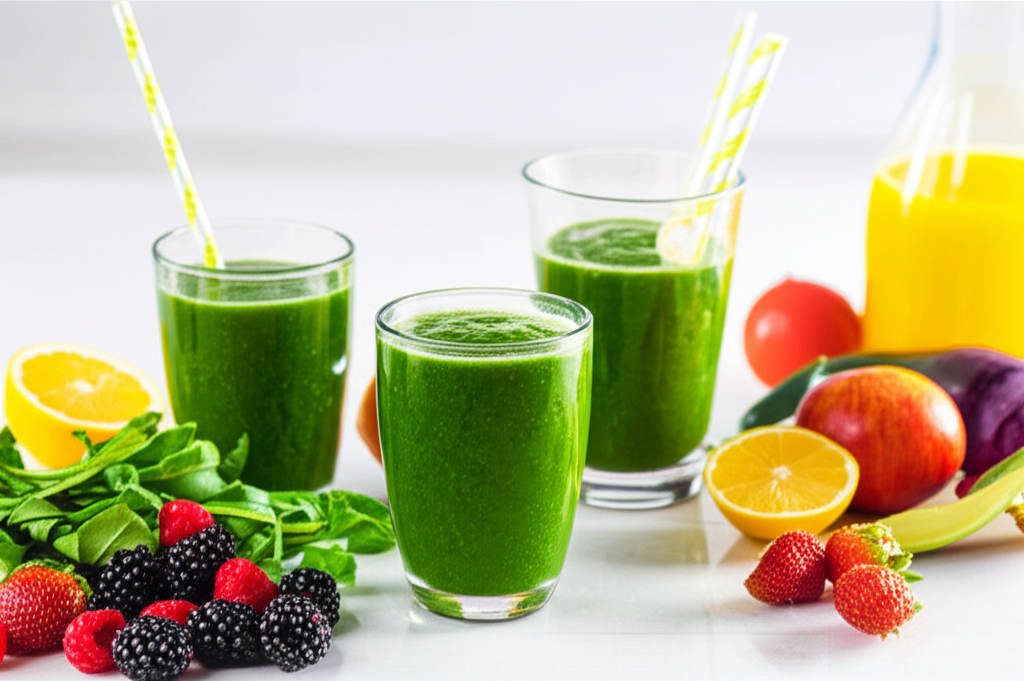
Yes, arugula is surprisingly good in smoothies! Its peppery bite adds a unique flavor dimension, and it packs a powerful nutritional punch, making your healthy drinks even better.
Key Takeaways
- Blend arugula for a peppery, nutrient-dense smoothie.
- Discover its rich vitamin and mineral content.
- Learn easy ways to incorporate it into your favorite recipes.
- Explore surprising health benefits for digestion and more.
- Build confidence in adding greens to your daily routine.
Is Arugula Good in Smoothies? Surprising Health Benefits Unveiled
You’ve probably enjoyed arugula in salads, appreciating its distinctive peppery flavor. But have you ever considered adding it to your morning smoothie? It might sound a little unusual, but the answer is a resounding yes! Arugula can be a fantastic addition to your blended beverages. It’s a wonderful way to boost the nutritional value of your favorite drinks without overwhelming their taste. Many beginners find adding greens to smoothies a bit daunting, but we’ll show you how easy it is to incorporate this leafy green. Get ready to discover a whole new world of delicious and healthy smoothie possibilities.
Why Consider Arugula for Your Smoothies?
Arugula, also known as rocket, is a cruciferous vegetable that offers a delightful peppery kick. This characteristic flavor is often what makes people hesitant to blend it. However, when paired with the right ingredients, its intensity can be beautifully balanced, adding a refreshing complexity rather than a harsh taste. Think of it as a subtle spice that elevates your smoothie from ordinary to extraordinary. Beyond its unique flavor profile, arugula is a nutritional powerhouse, brimming with vitamins, minerals, and antioxidants that can significantly benefit your health. Adding it to your smoothie is an effortless way to sneak in a serving of nutrient-dense greens, especially if you find plain leafy greens a bit bland.
Arugula’s Nutritional Profile: A Closer Look

Understanding what arugula brings to the table (or rather, the blender) is key to appreciating its value in smoothies. This leafy green is surprisingly rich in essential nutrients, making it a smart choice for anyone looking to enhance their diet. It’s packed with vitamins, minerals, and beneficial plant compounds that contribute to overall well-being. Let’s break down some of the key players that make arugula a fantastic smoothie ingredient.
Vitamins Galore
Arugula is an excellent source of several vital vitamins. It’s particularly high in Vitamin K, which is crucial for blood clotting and bone health. A single cup of raw arugula can provide more than your daily recommended intake of this important vitamin. It also offers a good amount of Vitamin A, essential for vision, immune function, and skin health, and Vitamin C, a powerful antioxidant that supports the immune system and aids in collagen production.
Mineral Richness
Beyond vitamins, arugula contributes valuable minerals to your diet. It contains folate (Vitamin B9), which is vital for cell growth and DNA formation. You’ll also find smaller but significant amounts of calcium for bone strength, potassium for maintaining healthy blood pressure, and magnesium, which plays a role in over 300 bodily processes, including muscle and nerve function.
Antioxidant Powerhouse
Arugula is loaded with antioxidants, including beta-carotene (which your body converts to Vitamin A) and other phytonutrients like glucosinolates. These compounds help protect your cells from damage caused by free radicals, potentially reducing the risk of chronic diseases and supporting healthy aging. The peppery flavor of arugula is largely due to these beneficial compounds.
Here’s a quick comparison of arugula’s nutrient density compared to other common smoothie greens:
| Nutrient | Arugula (per 1 cup, raw) | Spinach (per 1 cup, raw) | Kale (per 1 cup, raw) |
|---|---|---|---|
| Calories | 5 | 7 | 33 |
| Vitamin K | 85 mcg (71% DV) | 145 mcg (120% DV) | 684 mcg (570% DV) |
| Vitamin A | 2,374 IU (47% DV) | 2,813 IU (56% DV) | 10,575 IU (211% DV) |
| Vitamin C | 8 mg (9% DV) | 8 mg (9% DV) | 53 mg (59% DV) |
| Folate | 98 mcg (25% DV) | 58 mcg (15% DV) | 53 mcg (13% DV) |
Note: DV = Daily Value. Values are approximate and can vary based on preparation and specific product. Data sourced from the USDA FoodData Central.
Surprising Health Benefits of Arugula in Smoothies
Adding arugula to your smoothie isn’t just about taste and basic nutrition; it unlocks a range of impressive health benefits that can support your well-being from the inside out. These advantages might surprise you, especially considering it’s a leafy green you might have overlooked for your blended drinks.
1. Supports Digestive Health
Arugula is a good source of fiber, which is essential for a healthy digestive system. Fiber adds bulk to your stool, promoting regular bowel movements and helping to prevent constipation. The glucosinolates in arugula also play a role in supporting gut health by influencing the balance of beneficial bacteria in your intestines. Including arugula in your smoothie is an easy way to increase your daily fiber intake, contributing to a happier gut.
2. May Enhance Bone Strength
The high Vitamin K content in arugula is a significant benefit for bone health. Vitamin K is crucial for the proper metabolism of calcium and plays a vital role in bone mineralization. Adequate Vitamin K intake is associated with a reduced risk of bone fractures. While it’s just one component, consistently consuming Vitamin K-rich foods like arugula can contribute to stronger, healthier bones over time.
3. Aids in Disease Prevention
The antioxidants and phytonutrients in arugula, particularly glucosinolates, have been studied for their potential role in disease prevention. Glucosinolates are converted into isothiocyanates in the body, which have shown anti-cancer properties in research. These compounds help protect your cells from DNA damage and can even influence processes that inhibit tumor growth. While a smoothie isn’t a cure, incorporating nutrient-dense ingredients like arugula is a proactive step towards a healthier body.
4. Boosts Immune Function
The Vitamin C and other antioxidants found in arugula are powerful immune boosters. Vitamin C helps stimulate the production of white blood cells, which are your body’s primary defense against infections. Antioxidants combat oxidative stress, which can weaken the immune system. Arugula’s contribution to your smoothie can help keep your immune system robust and ready to fight off illness.
5. Promotes Healthy Skin
Vitamins A and C, along with other antioxidants, are excellent for skin health. Vitamin A is essential for cell repair and regeneration, while Vitamin C is crucial for collagen synthesis, which keeps skin firm and elastic. Antioxidants protect skin cells from damage caused by UV rays and environmental pollutants, potentially slowing down the aging process and contributing to a clearer, more radiant complexion. Your daily smoothie can become a beauty treatment from the inside out!
6. Supports Eye Health
Arugula contains lutein and zeaxanthin, two carotenoids that are vital for eye health. These antioxidants accumulate in the retina and help protect your eyes from damage caused by blue light and oxidative stress. They are known to reduce the risk of age-related macular degeneration and cataracts. Getting enough of these nutrients from foods like arugula is a simple way to support your vision long-term.
How to Add Arugula to Your Smoothies (Beginner-Friendly!)
Adding arugula to your smoothie is easier than you think, even if you’re new to green smoothies. The key is to start small and gradually increase the amount as you get used to the flavor. Here’s a simple, step-by-step guide to help you blend with confidence.
Step 1: Choose Your Arugula
You can use fresh, raw arugula. Look for bright green leaves with no signs of wilting or yellowing. You can find it in most grocery stores, often in the produce section alongside other leafy greens or in bagged salad mixes. Some people prefer organic, but any fresh arugula will work.
Step 2: Start with a Small Amount
For your first few smoothies, begin with just a small handful, about 1/2 cup. This is usually enough to add nutritional benefits without overpowering the other flavors. You can always add more in future smoothies once you see how you like it.
Step 3: Balance the Flavor
Arugula has a peppery taste. To balance this, pair it with sweet and creamy ingredients. Fruits like bananas, mangoes, pineapple, and berries are excellent choices. A bit of sweetness from dates or a touch of honey/maple syrup can also help. Creamy elements like yogurt, avocado, or plant-based milks (almond, oat, soy) will further mellow the peppery notes.
Step 4: The Blending Process
Add your liquid base first (e.g., water, milk, juice). Then add your arugula and other greens. Follow with your fruits, vegetables, and any boosters (seeds, nuts, protein powder). Blend until smooth. If your blender struggles, you can pulse it a few times to break down the leaves before blending continuously. A high-powered blender will yield the smoothest results, but most standard blenders can handle a small amount of arugula.
Step 5: Taste and Adjust
After blending, give your smoothie a taste. If you can still detect a strong peppery flavor and it’s not to your liking, you can add a bit more sweet fruit or a squeeze of lemon or lime juice to brighten and balance the taste. If you want more arugula flavor next time, simply increase the amount!
Beginner-Friendly Arugula Smoothie Recipes
Ready to try it out? Here are a couple of simple recipes designed for beginners. These focus on masking the peppery notes while highlighting the benefits of arugula.
Recipe 1: The Sweet & Peppery Berry Boost
This smoothie is a great starting point, as the berries provide a strong, sweet flavor that pairs wonderfully with arugula.
- 1 cup unsweetened almond milk (or your preferred liquid)
- 1/2 cup frozen mixed berries (strawberries, blueberries, raspberries)
- 1/2 ripe banana (for creaminess and sweetness)
- 1/2 cup packed fresh arugula
- 1 tablespoon chia seeds (for extra fiber and omega-3s)
Instructions: Combine all ingredients in a blender. Blend until smooth and creamy. Add a splash more liquid if needed to reach desired consistency.
Recipe 2: Tropical Green Zing
Pineapple and mango offer tropical sweetness that complements the peppery notes of arugula beautifully. Avocado adds healthy fats and extra creaminess.
- 1 cup coconut water or water
- 1/2 cup frozen pineapple chunks
- 1/2 cup frozen mango chunks
- 1/4 ripe avocado
- 1 cup packed fresh arugula
- Squeeze of fresh lime juice (optional, for brightness)
Instructions: Add all ingredients to your blender. Blend until completely smooth. The avocado makes this extra rich and satisfying.
Pro Tip: For a smoother green smoothie, especially if you have a less powerful blender, consider adding your greens (like arugula) with your liquid base and blending them first until finely pureed. Then, add your frozen fruits and other ingredients and blend again. This pre-blending step helps break down the leafy greens more effectively.
Beyond the Basics: Advanced Arugula Smoothie Ideas
Once you’re comfortable with basic arugula smoothies, you can start experimenting with more complex flavor combinations and ingredients. Here are some ideas to inspire your next blend:
Citrus Zest
Arugula pairs exceptionally well with citrus fruits. Try adding a wedge of orange, grapefruit, or lemon (peeled, of course!) to your smoothie. The acidity of citrus can cut through any lingering pepperiness and add a refreshing brightness. A classic combination is arugula, orange, banana, and ginger.
Herbal Companions
Complement arugula’s peppery notes with complementary herbs. Fresh mint or parsley can add another layer of freshness. A small sprig of mint can be surprisingly good in a tropical or berry-based smoothie with arugula.
Spicy Kick
For those who enjoy a little heat, a tiny piece of fresh ginger or a pinch of cayenne pepper can be added. These ingredients not only add flavor but also offer their own health benefits, such as anti-inflammatory properties.
Creamy & Nutty Additions
Beyond avocado and banana, consider adding a tablespoon of nut butter (almond, cashew) or tahini for healthy fats and a richer texture. Soaked cashews also blend into a wonderfully creamy base.
Superfood Boosters
Enhance your smoothie’s nutritional profile further with additions like flax seeds, hemp seeds, spirulina, or maca powder. These can be easily incorporated into any arugula smoothie recipe.
Arugula vs. Other Leafy Greens in Smoothies
While spinach is often the go-to green for beginners due to its mild flavor, arugula offers a distinct advantage: its unique peppery taste can add complexity and excitement to smoothies. Kale is another popular choice, known for its dense nutrient profile, but it can sometimes have a stronger, more bitter flavor that’s harder to mask. Arugula falls somewhere in between, offering a noticeable but generally pleasant bite that can be balanced with the right fruits and sweeteners.
Here’s a quick comparison to help you choose:
| Green | Flavor Profile | Best For | Beginner Friendliness |
|---|---|---|---|
| Spinach | Mild, slightly sweet | Neutral base for any smoothie | Very High |
| Arugula | Peppery, slightly bitter | Adding complexity, unique flavor | Moderate (requires balancing) |
| Kale | Strong, earthy, bitter | Nutrient-dense smoothies, can be strong | Low to Moderate (best with strong flavors) |
| Romaine Lettuce | Very mild, watery | Adding volume and hydration with minimal flavor | Very High |
The key takeaway is that each green brings something different. If you’re looking for a standard, mild green smoothie, spinach is your friend. If you want to add a surprising flavor dimension and a different set of nutrients, arugula is an excellent choice. Experimenting with different greens is part of the fun of making smoothies!
Frequently Asked Questions About Arugula in Smoothies
Q1: Will my smoothie taste too peppery if I add arugula?
A1: It depends on how much you add and what other ingredients are in your smoothie. For beginners, starting with just 1/2 cup and pairing it with sweet fruits like bananas, berries, or mangoes will effectively mask the peppery flavor. As you get used to it, you can increase the amount. A squeeze of lemon or lime juice can also help balance the peppery notes.
Q2: What are the best fruits to pair with arugula in a smoothie?
A2: Sweet and slightly tart fruits work best. Think berries (strawberries, blueberries, raspberries), tropical fruits (mango, pineapple, banana), apples, and pears. Citrus fruits like oranges and grapefruits also pair well, adding brightness.
Q3: Can I use frozen arugula in smoothies?
A3: While fresh arugula is generally preferred for its vibrant flavor, you can use frozen arugula. If you freeze it yourself, it might lose some of its texture but will still retain its nutrients and flavor. It’s best to blanch it quickly before freezing to preserve color and flavor. However, most people find it easier to buy fresh and freeze their own greens like spinach or kale.
Q4: How much arugula should I add to my smoothie?
A4: For a beginner, start with 1/2 cup of packed fresh arugula. You can gradually increase this to 1 cup or more as you become accustomed to the taste. Always listen to your palate and adjust the amount based on your preference.
Q5: What are the main health benefits of adding arugula to my diet through smoothies?
A5: Arugula is rich in vitamins (K, A, C), minerals, and antioxidants. It supports digestive health, may enhance bone strength, aids in disease prevention, boosts immune function, promotes healthy skin, and supports eye health.
Q6: Can I combine arugula with other greens in my smoothie?
A6: Absolutely! You can combine arugula with milder greens like spinach or romaine lettuce to create a more complex nutrient profile without an overpowering flavor. Start with a smaller amount of arugula and a larger amount of a milder green.
Q7: Do I need a high-powered blender to make arugula smoothies?
A7: While a high-powered blender will give you the smoothest result, most standard blenders can handle a small to moderate amount of arugula, especially if you cut the leaves or blend them with the liquid first. If you have a less powerful blender, start with a smaller amount of arugula.
Conclusion
So, is arugula good in smoothies? The answer is a confident yes! It’s a fantastic way to introduce a unique, peppery flavor and a wealth of nutrients into your daily routine. From its impressive vitamin and mineral content to its surprising health benefits for digestion, bones, and immunity, arugula is a green that deserves a spot in your blender. Don’t be afraid to experiment; start with small amounts, pair it with sweet fruits, and discover how this peppery leaf can transform your smoothies into delicious, health-boosting powerhouses. You’ve got this!