
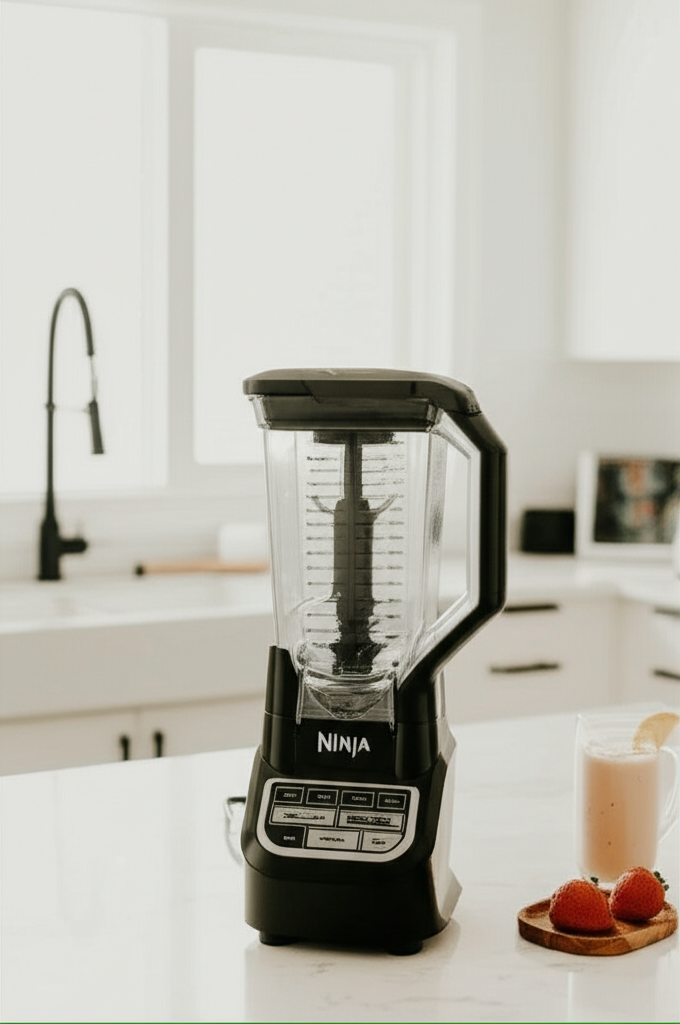
Mastering your Ninja Blender for perfect smoothies is simple! This guide offers step-by-step instructions, ingredient layering tips, and cleaning advice to help you blend delicious, healthy drinks with ease, transforming your kitchen into a smoothie haven.
Key Takeaways
- Layer ingredients strategically for optimal blending.
- Understand your Ninja Blender’s specific functions.
- Start with liquids, then add softer items.
- Incorporate frozen fruits and ice last.
- Clean your blender immediately after use.
- Experiment with healthy, citrus-forward recipes.
How to Use a Ninja Blender: Best Smoothie Tips for Beginners
Embarking on your smoothie journey can feel a little daunting, especially with a powerful appliance like a Ninja blender. You might wonder about the best way to layer your ingredients, which settings to use, or even how to clean it properly. Don’t worry, you’re not alone! Many beginners find themselves a bit confused at first. But with a few straightforward tips, you’ll be whipping up delicious and nutritious smoothies like a pro in no time. This guide will walk you through everything you need to know to use your Ninja blender with confidence, making healthy eating a breeze.
Understanding Your Ninja Blender: Know Your Machine

Ninja offers a variety of blender models, from basic personal blenders to more robust countertop versions with multiple pre-set programs. Before you start blending, it’s essential to familiarize yourself with your specific Ninja blender. Check the manual that came with your unit. It will detail the functions of each button, the maximum fill line for the pitcher or cup, and any specific assembly instructions.
Most Ninja blenders share common features, but variations exist. For instance, some models have a “pulse” function, which is great for achieving a chunkier texture or breaking down larger frozen ingredients. Others have dedicated smoothie or ice crush settings that optimize blending time and power for specific tasks. Knowing these nuances will help you achieve the perfect consistency every time.
Common Ninja Blender Components:
- Motor Base: The powerhouse of your blender, housing the motor.
- Pitcher or Cup: The container where you’ll blend your ingredients.
- Blade Assembly: The sharp components that do the blending. Ninja often features stacked blade assemblies for efficient processing.
- Lid: Seals the pitcher or cup during blending. Some lids have spout openings for easy pouring.
- Stacker Attachment (on some models): A unique Ninja feature that allows for powerful blending of frozen ingredients and ice.
Taking a few minutes to understand these parts and their purpose will make the entire process smoother and more enjoyable. It’s like getting to know your new kitchen best friend!
The Art of Ingredient Layering: How to Load Your Ninja Blender
The order in which you add ingredients to your Ninja blender is crucial for achieving a smooth, consistent texture and preventing the blades from getting clogged. Think of it as building your smoothie from the ground up. This layering technique works for both the pitcher and the personal blending cups.
Step 1: Liquids First
Always start with your liquid base. This could be water, milk (dairy or non-dairy like almond, soy, or oat milk), juice, coconut water, or even yogurt. Adding liquid first helps the blades move freely and prevents ingredients from sticking to the bottom. For a classic citrus-forward smoothie, a splash of fresh orange juice is a fantastic start!
Step 2: Soft Ingredients and Powders
Next, add your softer ingredients. This includes fresh fruits like bananas, berries, or peaches, as well as greens like spinach or kale. If you’re using protein powder, seeds, or other supplements, add them now. They will get easily incorporated into the liquid.
Step 3: Frozen Fruits and Ice
Finally, add your frozen fruits and ice. These are the heaviest ingredients and will sit on top. The liquid at the bottom will help pull them down towards the blades. If you’re using a Ninja blender with a specific “ice crush” or “frozen” setting, this is where that function shines. Adding frozen items last prevents them from dulling the blades before they’ve had a chance to blend properly.
Example Layering for a Citrus Berry Blast Smoothie:
- 1 cup Orange Juice (liquid)
- 1/2 cup Greek Yogurt (soft ingredient)
- 1 cup Spinach (soft ingredient)
- 1/2 cup Frozen Strawberries (frozen)
- 1/2 cup Frozen Blueberries (frozen)
- 1/4 cup Ice Cubes (frozen, optional)
This systematic approach ensures that your Ninja blender works efficiently, creating a perfectly blended smoothie without any lumps or uneven textures. It’s a simple habit that makes a huge difference in your smoothie-making experience.
Ninja Blender Settings and Functions: What Do They Mean?
Ninja blenders come with various buttons and programs, and understanding them can significantly enhance your blending results. While specific labels may vary by model, here’s a general guide to common settings:
Low, Medium, High (Speed Settings)
These are your basic speed controls. ‘Low’ is good for starting out, especially with softer ingredients or when you want a less aggressive blend. ‘Medium’ is for general-purpose blending, and ‘High’ is for tougher ingredients or when you need a super-smooth consistency.
Pulse
The ‘Pulse’ function is excellent for quick bursts of power. It’s ideal for breaking down large frozen chunks, achieving a coarser texture (like for salsa or chunky dips), or getting things moving at the start of the blending process. You control the duration by how long you hold the button.
Pre-Set Programs (e.g., Smoothie, Ice Crush, Puree)
Many Ninja blenders feature automated programs designed for specific tasks. For smoothies, the ‘Smoothie’ setting typically runs through a cycle of different speeds and pulses to ensure all ingredients are thoroughly blended and incorporated. The ‘Ice Crush’ setting is powerful and designed to pulverize ice and frozen fruits efficiently.
Tip: For beginners, starting with the ‘Smoothie’ pre-set program (if your model has one) is often the easiest way to get a great result. If not, begin on a ‘Low’ speed and gradually increase to ‘High’ as needed, using ‘Pulse’ if you encounter resistance.
Understanding Blade Assembly Types
Ninja’s stacked blade assembly is a signature feature. These blades are designed to powerfully break down and liquefy ingredients. Make sure the blade assembly is securely screwed onto the pitcher or cup before blending. Never operate the blender without the lid securely in place.
Best Smoothie Ingredients for Your Ninja Blender
The beauty of a blender like the Ninja is its versatility. You can create an endless array of healthy and delicious smoothies. Here are some go-to ingredients, with a focus on those that pair well with citrus flavors:
Fruits:
- Citrus: Oranges, grapefruits, lemons, limes (peeled and seeded, or use juice).
- Berries: Strawberries, blueberries, raspberries, blackberries (fresh or frozen).
- Tropical: Mango, pineapple, papaya, banana (fresh or frozen).
- Other: Apples, pears, peaches, cherries.
Vegetables:
- Leafy Greens: Spinach, kale, romaine lettuce (spinach is mildest for beginners).
- Other: Cucumber, celery, avocado (adds creaminess), cooked sweet potato or pumpkin (adds sweetness and thickness).
Liquids:
- Water
- Milk (dairy, almond, soy, oat, coconut)
- Coconut water
- Fruit juice (orange, apple, pineapple)
- Yogurt (Greek, regular, non-dairy)
- Kefir
Boosters and Flavor Enhancers:
- Healthy Fats: Chia seeds, flax seeds, hemp seeds, nut butters (almond, peanut), avocado.
- Protein: Protein powder (whey, plant-based), Greek yogurt, silken tofu.
- Sweeteners (use sparingly): Honey, maple syrup, dates.
- Spices: Cinnamon, ginger, turmeric, nutmeg.
- Fresh Herbs: Mint, basil.
Citrus Spotlight: The Power of Orange & Beyond
Citrus fruits are fantastic additions to smoothies. The acidity can brighten flavors, and they’re packed with Vitamin C. Freshly squeezed orange juice provides a natural sweetness and liquid base. A squeeze of lemon or lime can cut through richness and add a refreshing zest. For those new to citrus in smoothies, start with a small amount and see how you like it!
Nutritional Considerations:
When building your smoothie, aim for a balance of carbohydrates (from fruits and veggies), protein, and healthy fats. This combination will keep you feeling full and energized. According to the American Heart Association, a balanced diet is key to overall health, and smoothies can be a great way to incorporate more nutrient-dense foods.
Step-by-Step Guide: Making Your First Ninja Blender Smoothie
Ready to blend? Follow these simple steps to create your perfect smoothie:
Step 1: Gather Your Ingredients and Equipment
Make sure you have your Ninja blender, the pitcher or cup, lid, and blade assembly ready. Wash and prepare all your chosen fruits, vegetables, and liquids.
Step 2: Load Your Blender (Layering is Key!)
Following the layering guide above, add your ingredients to the blender cup or pitcher:
- Liquids first (e.g., orange juice, water).
- Soft ingredients and powders (e.g., spinach, yogurt, protein powder).
- Frozen fruits and ice last.
Step 3: Secure the Lid and Blade Assembly
Ensure the blade assembly is tightly screwed onto the cup or pitcher. Then, place the lid securely on top. If your model has a specific lid for blending (different from a drinking lid), use that one.
Step 4: Attach to the Motor Base
Place the cup or pitcher onto the motor base. Some Ninja models require you to twist or push down to lock it into place. You’ll usually hear a click when it’s properly secured.
Step 5: Blend!
Select your desired setting. For beginners, a ‘Smoothie’ program or starting on ‘Low’ speed and increasing to ‘High’ is recommended. Use the ‘Pulse’ function as needed to break up stubborn chunks.
Pro Tip: If your blender seems to be struggling, stop it, remove the pitcher/cup from the base, and give it a good shake or stir the contents with a spatula (ensure the blades are not moving!). Then reattach and continue blending.
Step 6: Check Consistency
Once blended, you can check the consistency. If it’s too thick, add a little more liquid and blend again briefly. If it’s too thin, add more frozen fruit, ice, or a thickener like avocado or chia seeds, and blend again.
Step 7: Pour and Enjoy
Once you’re happy with the texture, carefully remove the pitcher or cup from the motor base. Unscrew the blade assembly (be cautious of sharp blades!) and pour your delicious, homemade smoothie into a glass. Serve immediately for the best taste and texture.
Cleaning Your Ninja Blender: Quick & Easy Maintenance
Cleaning your Ninja blender right after use is the easiest way to keep it in top condition and prevent food residue from hardening. Most Ninja blenders are designed for simple cleaning.
Immediate Rinse Method (Best Practice)
- Discard Excess: Pour out any leftover smoothie.
- Rinse Under Water: Fill the pitcher or cup halfway with warm water and add a drop of dish soap.
- Blend Clean: Reattach the blade assembly and lid, place on the motor base, and blend on a ‘Low’ or ‘Smoothie’ setting for 30-60 seconds.
- Rinse Thoroughly: Empty the soapy water and rinse the pitcher/cup, lid, and blade assembly thoroughly with clean water.
- Air Dry: Allow all parts to air dry completely before reassembling or storing.
Deep Cleaning (When Needed)
For stubborn residue or a more thorough clean:
- Disassemble: Carefully unscrew the blade assembly from the pitcher or cup.
- Hand Wash: Wash the pitcher/cup, lid, and blade assembly with warm, soapy water. Use a bottle brush or an old toothbrush to get into crevices and around the blades. Be extremely careful when handling the sharp blades.
- Dishwasher Safe Parts: Check your manual to see if your specific Ninja blender parts are dishwasher safe (usually the pitcher, cups, and lids are top-rack safe, but the blade assembly is often hand-wash only).
- Motor Base: Never immerse the motor base in water. Wipe it down with a damp cloth.
Important Safety Note: Always ensure the blender is unplugged before attempting to clean the blade assembly or motor base manually.
Troubleshooting Common Ninja Blender Issues
Even with the best intentions, you might encounter a few minor hiccups. Here’s how to address them:
Issue: Blender Won’t Turn On
Solution:
- Ensure the pitcher or cup is correctly locked onto the motor base.
- Check that the lid is securely in place.
- Make sure the unit is plugged into a working outlet.
- Some models have a safety mechanism; try re-seating the pitcher/cup.
Issue: Ingredients Not Blending Smoothly
Solution:
- Check your layering. Ensure liquids are at the bottom and frozen items are at the top.
- Don’t overfill the blender. Adhere to the max fill line.
- Use the ‘Pulse’ function to break up large frozen chunks before starting a continuous blend.
- Add a bit more liquid if the mixture is too thick.
Issue: Leaking from the Blade Assembly
Solution:
- Ensure the blade assembly is tightly screwed onto the pitcher/cup.
- Check for any cracks or damage to the blade assembly or gasket.
- Do not fill past the maximum liquid line indicated on the pitcher/cup.
Issue: Strange Noises or Smells
Solution:
- A new motor might have a slight smell during initial uses, which should dissipate.
- If the noise is unusually loud or grinding, stop the blender immediately. Check for obstructions and ensure the blades are properly seated and not damaged.
- If the smell is burning, unplug the unit and contact Ninja customer support.
For persistent issues, consult your Ninja blender’s user manual or contact Ninja’s customer support. They often have excellent resources available online.
Sample Smoothie Recipes for Your Ninja Blender
Here are a few beginner-friendly recipes to get you started, incorporating those delicious citrus notes!
1. Sunshine Citrus Berry Smoothie
Yields: 1 serving
Prep time: 5 minutes
- 1 cup Orange Juice
- 1/2 cup Greek Yogurt
- 1 cup Mixed Frozen Berries (strawberries, blueberries, raspberries)
- 1/2 Banana (fresh or frozen)
- 1 tbsp Chia Seeds
Instructions: Add ingredients to your Ninja blender in the recommended order (liquid, yogurt, banana, berries, chia seeds). Blend on ‘Smoothie’ setting or ‘High’ until smooth. Enjoy!
2. Green Power Citrus Zinger
Yields: 1 serving
Prep time: 5 minutes
- 1 cup Water or Coconut Water
- 1 cup Spinach
- 1/2 Green Apple, cored and chopped
- 1/4 Cucumber, chopped
- Juice of 1/2 Lemon
- 1/2 cup Frozen Pineapple Chunks
- 1/4 cup Ice Cubes (optional)
Instructions: Layer water, spinach, apple, cucumber, lemon juice, pineapple, and ice. Blend on ‘High’ or ‘Ice Crush’ setting until smooth and vibrant green. This is a wonderfully refreshing and cleansing option!
3. Creamy Orange Dream Smoothie
Yields: 1 serving
Prep time: 5 minutes
- 1 cup Milk (dairy or non-dairy)
- 1 whole Orange, peeled and seeded
- 1/2 cup Frozen Mango Chunks
- 1/4 Avocado
- 1 tbsp Honey or Maple Syrup (optional)
Instructions: Add milk, orange, avocado, mango, and sweetener (if using). Blend until incredibly smooth and creamy. The avocado adds healthy fats and a luxurious texture.
These recipes are just starting points. Feel free to adjust fruits, vegetables, and liquids to your taste. Don’t be afraid to experiment with herbs like mint or spices like ginger to add extra flair!
Frequently Asked Questions About Using a Ninja Blender for Smoothies
Q1: Can I put hot liquids in my Ninja blender?
A1: It is generally not recommended to blend hot liquids in most Ninja blenders. The heat can create pressure inside the sealed container, potentially causing the lid to blow off and posing a burn risk. Always let hot ingredients cool down before blending. Refer to your specific model’s manual for any exceptions.
Q2: How much ice can I put in my Ninja blender?
A2: Most Ninja blenders, especially those with “Ice Crush” or “Frozen” settings, can handle a significant amount of ice. However, avoid filling the pitcher or cup beyond the maximum fill line. If your blender is struggling, reduce the amount of ice and add more liquid or frozen fruit.
Q3: My smoothie is too thick. What should I do?
A3: If your smoothie is too thick, simply add more of your liquid base (water, milk, juice) a little at a time, and blend again until you reach your desired consistency. You can also use the ‘Pulse’ function to help incorporate the added liquid.
Q4: How do I get a super-smooth texture without chunks?
A4: For the smoothest texture, ensure you’re using enough liquid, blend for a sufficient amount of time on a high setting, and consider adding ingredients that blend easily, like spinach or berries. Using frozen fruits that are smaller in size can also help. Pre-chopping larger fruits before freezing can also make a difference.
Q5: Is it okay to blend seeds like chia or flax in my Ninja blender?
A5: Yes, absolutely! Seeds like chia, flax, and hemp are great additions to smoothies and blend well in a Ninja blender. Adding them with your soft ingredients or powders (after the liquid) works best.
Q6: How long should I blend my smoothie?
A6: For most smoothies, blending for 30 seconds to 1 minute on a high setting is usually sufficient. If your blender has a pre-set program, follow its cycle. If you’re using the ‘Pulse’ function, use short bursts until the desired consistency is reached.
Q7: Can I store leftover smoothie in the Ninja blender cup?
A7: While you can store leftover smoothie in the blender cup, it’s best consumed fresh. If you need to store it, screw on a drinking lid (if provided) and refrigerate. Smoothies can separate or lose their optimal texture over time. For best results, make only what you plan to drink immediately.
Conclusion
Using a Ninja blender for your smoothies is a fantastic way to boost your daily intake of fruits, vegetables, and essential nutrients. By understanding your machine, mastering the art of ingredient layering, and following simple cleaning practices, you can consistently create delicious and healthy drinks. From vibrant citrus concoctions to creamy green powerhouses, your Ninja blender is a versatile tool ready to help you achieve your wellness goals. So, gather your favorite ingredients, embrace the process, and enjoy the refreshing journey into homemade smoothie perfection!