
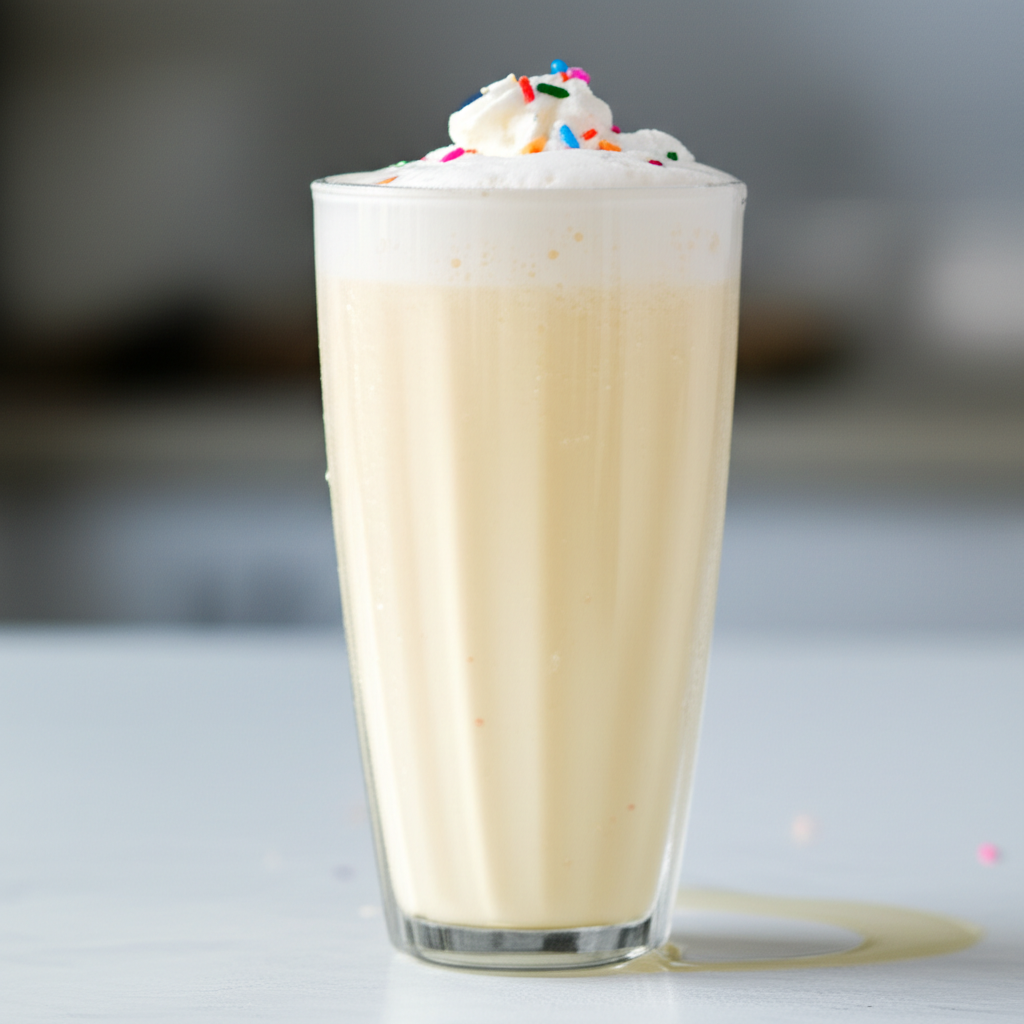
Yes, you can absolutely save a milkshake for later! With the right techniques, you can preserve its creamy texture and delicious flavor for your next craving.
Key Takeaways:
Chill milkshakes quickly to prevent separation.
Use airtight containers for optimal storage.
Avoid freezing whole milkshakes for best texture.
Re-blend or stir to revive a saved milkshake.
Consider ingredient choices for better longevity.
Consume saved milkshakes within 24 hours.
How To Save A Milkshake For Later: Essential Tips
Have you ever whipped up a perfectly creamy, delicious milkshake, only to realize you can’t finish it all at once? It’s a common dilemma! The fear is that your leftover treat will turn into a watery, separated mess. But don’t worry, you don’t have to let that deliciousness go to waste. Learning how to save a milkshake for later is a simple skill that will save you from future disappointment and ensure you can enjoy your favorite frosty beverage whenever the craving strikes. We’ll walk you through the best methods to keep your milkshake tasting great, even hours after you first made it. Ready to master the art of milkshake preservation?
Why Do Milkshakes Separate? Understanding the Science
Before we dive into how to save a milkshake, it’s helpful to understand why they can go wrong when stored. Milkshakes are essentially an emulsion – a mixture of liquids that don’t normally mix, like fat (from the ice cream and milk) and water. When a milkshake sits, especially at warmer temperatures, the ingredients start to break apart.
The fat molecules in the ice cream and milk can clump together, and the water can separate. This leads to that unappealing watery layer at the bottom and a less cohesive, sometimes icy, texture at the top. The sugar in the milkshake also plays a role; it helps to keep the mixture smooth and prevents ice crystals from forming too large, but once the temperature fluctuates, that effect diminishes.
Temperature is a huge factor. Warmer temperatures accelerate the separation process. Think about it: ice cream melts when it’s warm, and a milkshake is essentially melted ice cream blended with liquid. So, the quicker you can cool it down and keep it cold, the better its chances of staying delicious.
The Best Methods for Saving Your Milkshake

There are a few tried-and-true methods to save your milkshake. The key is speed and proper sealing. Let’s break down the most effective approaches:
1. The Quick Chill and Seal Method
This is your go-to method for saving a milkshake for a few hours. It’s simple, fast, and focuses on minimizing exposure to room temperature.
Steps to Save Your Milkshake with Quick Chill and Seal:
- Minimize Exposure: As soon as you know you won’t finish, stop drinking. The less time it spends at room temperature, the better.
- Transfer to a Container: Pour the remaining milkshake into a clean, airtight container. Glass jars with tight-fitting lids, reusable plastic containers, or even a sturdy mason jar work well.
- Fill to the Top: Try to fill the container as close to the brim as possible. This reduces the amount of air in the container, which can contribute to ice crystal formation and oxidation.
- Seal Tightly: Ensure the lid is screwed on or sealed very securely. This prevents air from getting in and also stops the milkshake from absorbing other odors from your refrigerator.
- Refrigerate Immediately: Place the sealed container in the coldest part of your refrigerator. The goal is to bring the temperature down as quickly as possible.
This method is best for milkshakes you plan to drink within 4-6 hours. Beyond that, the texture might start to degrade.
2. The Freezer-Friendly (with a Caveat) Method
Freezing can preserve a milkshake for longer, but it comes with a significant caveat: the texture will change. Ice crystals will form, and the creamy emulsion will be disrupted. However, if you’re desperate for a milkshake fix and don’t mind a slightly different consistency, this can work.
Steps for Freezing a Milkshake (and how to revive it):
- Choose the Right Container: Use a freezer-safe, airtight container. Leave about an inch of headspace at the top, as liquids expand when frozen.
- Seal and Freeze: Seal the container tightly and place it in the freezer.
- The Reviving Process: When you’re ready to enjoy your frozen milkshake, take it out of the freezer. Let it thaw slightly at room temperature for about 15-30 minutes until it’s slushy but not fully liquid. Then, pour it back into your blender and give it a quick blend. You might need to add a tiny splash of milk to help it blend smoothly again.
Important Note: Freezing is not ideal for maintaining the original creamy texture. It’s a last resort for longer-term storage, but expect a change in consistency. It will be more like a frozen treat or a slushy than a smooth milkshake.
3. Using Insulated Travel Cups
If you’re taking your milkshake on the go or need to keep it cold for a few hours outside the fridge, an insulated travel cup is your best friend.
Benefits of Insulated Cups:
- Temperature Control: High-quality insulated cups can keep your milkshake cold for several hours, significantly slowing down the separation process.
- Portability: Perfect for work, picnics, or car rides.
- Reduced Oxidation: Many have tight-fitting lids that minimize air contact.
Make sure the cup is specifically designed for cold beverages and has a secure lid. For best results, pre-chill your insulated cup in the freezer for about 30 minutes before pouring in your milkshake.
Factors Affecting Milkshake Longevity
Not all milkshakes are created equal when it comes to saving them. Several factors influence how well your leftover treat will hold up:
Ingredient Choices Matter
The base ingredients of your milkshake can significantly impact its ability to be stored.
Ice Cream Fat Content:
Milkshakes made with higher-fat ice cream tend to hold their creamy texture better. The fat acts as a stabilizer. Lower-fat ice creams or dairy-free alternatives might separate more quickly.
Liquid Ratio:
A milkshake that is too thin (too much milk) will separate more easily than a thicker one. Try to aim for a good balance of ice cream to liquid when you initially make it.
Added Ingredients:
Fruits, especially those with high water content, can introduce more liquid and potentially speed up separation. Syrups and purees can also alter the emulsion. For longer storage, it might be best to add these fresh when serving or re-serving.
Temperature Fluctuations
As mentioned, temperature is the arch-nemesis of a well-preserved milkshake. Every time a milkshake warms up and then cools down, it’s more likely to break. This is why minimizing time at room temperature and ensuring consistent cold temperatures in storage are crucial.
Container Type and Seal Quality
The container you choose is vital. An airtight seal prevents air from entering, which can cause freezer burn or oxidation, and also stops odors from your fridge from contaminating your milkshake. Glass jars are excellent for this, as they don’t absorb odors and provide a good seal.
Reviving Your Saved Milkshake
So, you’ve stored your milkshake, and now it’s time to enjoy it. It might not look exactly as it did when freshly blended, but with a little effort, you can bring it back to life!
The Re-Blend Technique
This is the most effective way to revive a refrigerated or slightly thawed frozen milkshake.
- Assess the Texture: If your milkshake has separated into a watery bottom and a thicker top, or if it has become icy from the freezer, it’s time for a re-blend.
- Transfer to Blender: Pour the milkshake back into your blender.
- Add a Splash of Liquid: If it seems too thick or icy, add a tablespoon or two of cold milk (dairy or non-dairy, depending on your original recipe). This helps the blades move freely and re-emulsifies the mixture.
- Blend Briefly: Blend on a low to medium speed for just 15-30 seconds. You’re not trying to create a new milkshake, just to smooth out the texture and reincorporate the ingredients.
- Check Consistency: If it’s still not smooth enough, blend for a few more seconds. Be careful not to over-blend, as this can introduce too much air and make it foamy.
This process effectively breaks down any ice crystals that may have formed and helps to re-create that smooth, creamy emulsion.
Stirring for Minor Adjustments
If your milkshake has only slightly separated in the refrigerator and still looks mostly cohesive, a good stir might be enough. Use a long spoon or whisk to vigorously stir the mixture. This can help to redistribute the fat and liquid, bringing back some of the original texture.
This method is less effective for milkshakes that have been frozen or have been sitting out for too long, but it’s worth a try for minor separation.
Pro Tips for Milkshake Preservation
Pro Tip: For optimal results, always use a high-powered blender to ensure all ingredients are thoroughly incorporated initially. This creates a more stable emulsion that is less prone to separation when stored.
Storage Duration: How Long Can You Really Save a Milkshake?
Knowing the shelf life of your saved milkshake is important for both quality and safety. Here’s a general guideline:
Refrigerator Storage
- Best Quality: 4-6 hours. After this period, the texture will likely start to degrade, becoming more watery or icy.
- Maximum Safe Storage: Up to 24 hours. While it might still be drinkable after 24 hours, the quality will be significantly diminished. You’ll likely need to re-blend it vigorously.
Freezer Storage
- Best Quality: 1-2 weeks. After this, ice crystals can become too large, and the flavor might start to fade.
- Maximum Safe Storage: Up to 1 month. However, expect a very significant change in texture, requiring extensive re-blending.
Always use your senses: if a saved milkshake looks or smells off, it’s best to discard it. Food safety is paramount!
Comparing Storage Methods: A Quick Guide
Here’s a handy table to compare the different storage methods:
| Storage Method | Ideal For | Pros | Cons | Expected Texture After Storage |
|---|---|---|---|---|
| Quick Chill & Seal (Refrigerator) | Short-term (under 6 hours) | Preserves creaminess best, quick and easy | Limited storage time, requires consistent refrigeration | Slightly less creamy, may need a gentle stir |
| Freezer (with Re-blend) | Longer-term (up to 2 weeks) | Extends shelf life considerably | Significant texture change, requires re-blending | Icy, slushy texture before re-blending; can approach original after |
| Insulated Travel Cup | On-the-go, a few hours | Keeps cold for extended periods, portable | Relies on cup quality, not for true long-term storage | Maintains original texture as long as it stays cold |
Can You Save Just the Ice Cream Base?
If you’re making milkshakes and want to save some of the base for later, this is a fantastic strategy! Instead of blending all the ice cream and milk into a milkshake, you can freeze portions of the base mixture.
Method:
- Prepare your ice cream and milk mixture in the blender, but use slightly less milk than you normally would for a drinkable consistency.
- Pour this thicker mixture into ice cube trays or small freezer-safe containers.
- Freeze until solid.
- Once frozen, transfer the cubes or portions to a freezer bag or airtight container.
When you want a milkshake, simply take out a portion of the frozen base and blend it with a splash of fresh milk. This often results in a much fresher-tasting and better-textured milkshake than trying to save a pre-made one.
Troubleshooting Common Milkshake Storage Problems
Even with the best intentions, sometimes milkshakes don’t store perfectly. Here are some common issues and how to address them:
Problem: My milkshake is too watery.
Cause: This usually happens when the ice cream melts too much before freezing or if the initial ratio had too much liquid. Temperature fluctuations in the fridge can also contribute.
Solution: If it’s only slightly watery, try stirring it vigorously. If it’s very watery, your best bet is to pour it back into the blender, add a few ice cubes, and blend again until it reaches a more desirable consistency. You can also add a bit more ice cream if you have some on hand.
Problem: My milkshake is icy and full of ice crystals.
Cause: This is common with freezing or if the milkshake wasn’t kept consistently cold. The water content freezes into large ice crystals.
Solution: This is where the re-blend technique is essential. Pour the icy milkshake into the blender with a splash of milk and blend until smooth. For a quick fix, you can also try stirring in a tablespoon of heavy cream or a bit more ice cream and then stirring vigorously.
Problem: My milkshake tastes bland or has absorbed other flavors.
Cause: This happens when the container isn’t airtight, allowing air to oxidize the milkshake and absorb surrounding odors from the refrigerator.
Solution: Unfortunately, this is hard to fix once it happens. The best prevention is to always use an airtight container and ensure it’s sealed properly. If the flavor is only slightly off, you might try adding a bit more of your primary flavorings (like chocolate syrup, fruit, or vanilla extract) and re-blending.
Nutritional Considerations for Stored Milkshakes
While saving a milkshake is about enjoyment, it’s also worth a brief mention of nutritional aspects, especially for those of us who lean towards healthier recipes.
Milkshakes, especially those made with full-fat ice cream and sweeteners, can be high in sugar and saturated fat. When you save one for later, you’re essentially consuming the same nutritional content, just at a different time. If you’re aiming for a healthier treat, consider:
- Using frozen fruits (like bananas, berries) as a base instead of just ice cream.
- Opting for Greek yogurt or kefir for creaminess and probiotics.
- Sweetening naturally with dates or a minimal amount of honey/maple syrup.
- Using lower-fat milk or unsweetened non-dairy milk.
These healthier ingredients may also contribute to better storage. For instance, the fiber in fruits can help stabilize the mixture, and lower sugar content might reduce ice crystal formation.
Frequently Asked Questions About Saving Milkshakes
Q1: Can I save a milkshake in the original cup it came in?
A1: It’s not ideal. Most original milkshake cups are not airtight and are not designed for extended storage. You risk separation, spoilage, and absorbing fridge odors. Transferring to an airtight container is much better.
Q2: How long can I keep a milkshake in the refrigerator?
A2: For the best texture and flavor, aim to consume it within 4-6 hours. It can last up to 24 hours, but the quality will significantly decrease.
Q3: Will freezing ruin my milkshake texture forever?
A3: It changes the texture, making it icier. However, by re-blending with a splash of milk, you can restore much of its creaminess. It won’t be exactly like a freshly made one, but it will be very enjoyable.
Q4: What’s the best way to reheat a frozen milkshake?
A4: You don’t reheat it! You thaw it slightly until slushy and then re-blend it. Microwaving or heating will completely melt it and ruin the texture.
Q5: Can I save a milkshake made with non-dairy milk and ice cream?
A5: Yes, the principles are the same. Non-dairy milkshakes might separate a bit differently depending on the ingredients (e.g., almond milk is thinner than oat milk). Ensure an airtight seal and quick chilling. Re-blending is key for texture.
Q6: Is it safe to drink a milkshake that has been sitting out for a while?
A6: No, it is not safe. Bacteria can multiply rapidly in dairy products left at room temperature for more than two hours (or one hour if the temperature is above 90°F/32°C). Always refrigerate or freeze your milkshake promptly if you can’t finish it.
Conclusion
Learning how to save a milkshake for later is a simple yet valuable skill for any smoothie and milkshake enthusiast. By understanding the factors that cause separation and employing the right storage techniques – primarily focusing on quick chilling and airtight sealing – you can significantly extend the life of your delicious creation. Remember that while refrigeration offers the best chance to maintain texture for a few hours, freezing provides longer-term storage with the understanding that a re-blend is necessary. Don’t let that perfectly blended treat go to waste; with these essential tips, you can savor every last drop.