
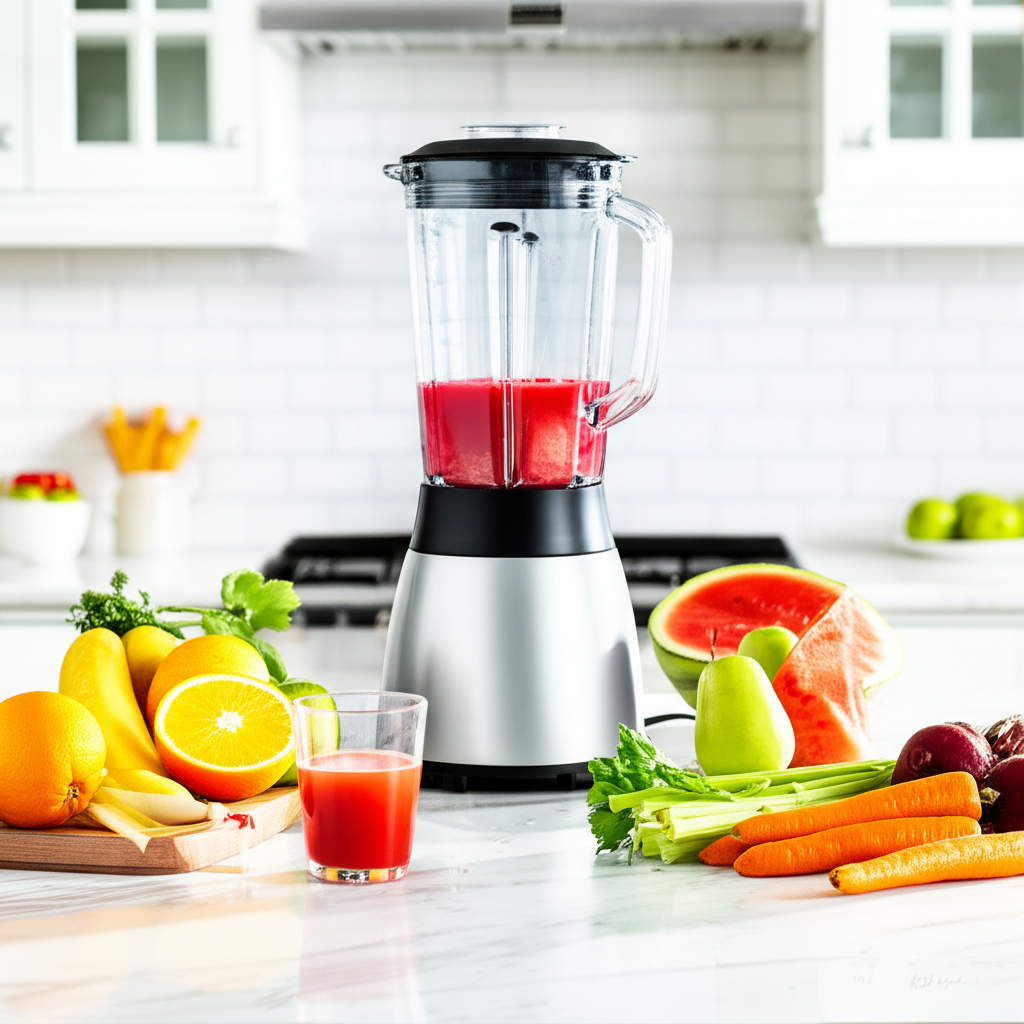
Making watermelon juice with a blender is a simple, refreshing process that requires minimal ingredients and effort. You can achieve perfectly smooth, delicious juice in just a few minutes, perfect for a hot day.
Key Takeaways
- Select a ripe, seedless watermelon for best results.
- Prepare the watermelon by washing and cubing it.
- Blend the watermelon cubes until smooth.
- Strain the juice for a pulp-free consistency.
- Chill and serve your fresh watermelon juice immediately.
- Experiment with adding mint or lime for extra flavor.
How to Make Watermelon Juice With a Blender
Watermelon juice is a delightful and hydrating beverage, especially during the warmer months. Many people find the idea of making it at home a bit daunting, perhaps envisioning complicated machinery or intricate steps. However, the reality is far simpler. With just a common kitchen appliance—your blender—you can transform a humble watermelon into a vibrant, delicious drink. This guide will walk you through the process, demystifying each step so you can confidently create your own refreshing watermelon juice.
We’ll cover everything from selecting the perfect watermelon to achieving the ideal consistency, ensuring you’ll be sipping on cool, homemade goodness in no time. Let’s begin by understanding what makes this process so straightforward.
Understanding the Simplicity of Blender-Based Juicing

The brilliance of using a blender for watermelon juice lies in its efficiency and accessibility. Unlike specialized juicers that can be expensive and require dedicated cleaning, a blender is a multi-purpose tool already present in most kitchens. Its powerful blades are perfectly capable of breaking down the soft flesh of a watermelon into a smooth liquid. This method bypasses the need for complex straining if you prefer a thicker juice, or allows for simple straining if you desire a clearer beverage. The process is fundamentally about liquefying the fruit’s edible components and separating any unwanted fibrous material or seeds.
Think of it as harnessing the power of rotational force to achieve a desired texture and form. In the digital realm, we often break down complex systems into modular, manageable components. Similarly, making watermelon juice is about dissecting the watermelon into its core elements—water, sugars, and fiber—and then reassembling them into a drinkable format. This analytical approach, common in technology and data analysis, translates beautifully to the kitchen, making even seemingly simple tasks feel grounded and understandable.
Selecting the Perfect Watermelon: The Foundation of Great Juice
The quality of your watermelon juice is directly tied to the quality of the watermelon you choose. A ripe, sweet watermelon will yield the best flavor and the most juice. But how do you pick a winner from a sea of green spheres? Several indicators can guide you.
Visual Cues for Ripeness
- Field Spot: Look for a creamy yellow or even orange-colored spot on one side of the watermelon. This is where it rested on the ground as it grew. A white or pale green spot indicates it’s not yet ripe.
- Shape and Symmetry: Choose a watermelon that is uniformly shaped, whether round or oval. Irregular bumps or dents might suggest uneven growth or internal damage.
- Skin Dullness: A ripe watermelon will have a dull, matte finish rather than a shiny one. Shine can sometimes indicate an underripe fruit.
Auditory and Tactile Tests
- The Thump Test: Gently tap the watermelon with your knuckles. A ripe watermelon should produce a deep, hollow sound, akin to a drum. A dull thud or a higher-pitched sound might mean it’s underripe or overripe.
- Weight: Pick up the watermelon. It should feel heavy for its size. This indicates it’s full of water, which translates to juiciness.
Understanding these simple checks is like understanding the crucial initial data points for any analysis. They are the bedrock upon which the success of your watermelon juice endeavor will be built. A good watermelon means less work and a more rewarding outcome.
Gathering Your Tools and Ingredients
Before you begin the blending process, ensure you have everything ready. This preparation is akin to setting up your development environment before coding—it streamlines the process and prevents interruptions.
Essential Ingredients:
- Watermelon: The star of the show. A medium-sized watermelon is usually sufficient for several servings. Opt for seedless varieties if available, as they reduce prep time.
- Optional Additions: Fresh mint leaves, a squeeze of lime or lemon juice, or a few ice cubes can enhance the flavor and texture.
Necessary Equipment:
- Blender: A standard kitchen blender will work perfectly. High-powered blenders will make the process quicker and smoother.
- Knife: A sharp knife is essential for cutting the watermelon.
- Cutting Board: A stable surface for cutting.
- Spoon or Scoop: For removing the watermelon flesh.
- Strainer (Optional): A fine-mesh sieve or cheesecloth if you prefer juice without pulp.
- Bowl or Pitcher: To collect the juice.
Having these items at hand means you’re ready to execute the plan efficiently. It’s the organized approach that ensures a smooth transition from raw ingredients to finished product.
Step-by-Step: How to Make Watermelon Juice With a Blender
Now, let’s break down the process into actionable steps. Each phase is designed to be clear and easy to follow, even for those new to kitchen tasks.
Step 1: Prepare the Watermelon
Begin by thoroughly washing the exterior of the watermelon under cool running water. This removes any dirt or potential contaminants. Next, place the watermelon on a stable cutting board. Using your sharp knife, slice off the ends to create flat surfaces. Then, carefully cut the watermelon in half, and then into quarters. For easier handling, you can then slice away the rind from each quarter. Finally, cut the pink flesh into roughly 1-inch cubes. Remove any seeds you find, especially if you are not using a seedless variety. The goal is to have bite-sized pieces of pure watermelon flesh.
Step 2: Load the Blender
Place the watermelon cubes directly into your blender jar. Do not overfill the blender; it’s better to work in batches if you have a large watermelon and a smaller blender. Leave some space at the top to allow the blades to move freely. If you’re adding any optional ingredients like mint leaves or a squeeze of lime, add them now.
Step 3: Blend Until Smooth
Secure the lid on your blender. Start blending on a low speed, gradually increasing to a higher setting. Blend for about 30 seconds to 1 minute, or until the watermelon is completely pureed and has a smooth, liquid consistency. You should see a vibrant pink liquid with no large chunks remaining. If your blender is struggling, you can add a tablespoon or two of water, but typically watermelon is juicy enough on its own.
Step 4: Strain the Juice (Optional)
If you prefer a clear, pulp-free juice, place a fine-mesh sieve or a piece of cheesecloth over a bowl or pitcher. Pour the blended watermelon mixture through the sieve. Use a spoon to gently press the pulp against the mesh, extracting as much juice as possible. Discard the pulp left in the sieve. If you enjoy a thicker, more fibrous juice, you can skip this step entirely.
Step 5: Chill and Serve
Pour your freshly made watermelon juice into glasses. For the most refreshing experience, chill it in the refrigerator for at least 30 minutes, or serve immediately over ice. Garnish with a sprig of mint or a thin slice of lime, if desired. Enjoy your delicious, homemade watermelon juice!
This structured approach ensures that each part of the process is managed systematically, much like deploying a well-tested piece of software. The result is a predictable and pleasing outcome.
Nutritional Value and Benefits of Watermelon Juice
Watermelon juice is not just a tasty beverage; it’s also packed with beneficial nutrients. Understanding these aspects adds another layer of appreciation to this simple drink. It’s akin to understanding the underlying architecture of a system—knowing what makes it tick and what value it provides.
Key Nutrients:
Watermelon is primarily composed of water (about 92%), making its juice incredibly hydrating. It’s also a good source of:
- Vitamins: Notably Vitamin C (an antioxidant important for immune function) and Vitamin A (crucial for vision and skin health).
- Minerals: It contains potassium, which helps regulate blood pressure, and magnesium.
- Antioxidants: Watermelon is rich in lycopene, a powerful antioxidant that gives watermelon its red color and is linked to heart health and cancer prevention. It also contains citrulline, an amino acid that may improve exercise performance and reduce muscle soreness.
Hydration and Health Advantages:
The high water content makes watermelon juice an excellent way to stay hydrated, especially after exercise or on hot days. The electrolytes present can help replenish those lost through sweat. Lycopene and Vitamin C contribute to overall well-being and can support a healthy immune system. Citrulline’s potential to boost nitric oxide production may also benefit cardiovascular health.
For those monitoring their intake, it’s useful to note that while naturally sweet, watermelon juice does contain natural sugars. However, it remains a healthier alternative to many commercially produced sugary drinks.
Variations and Flavor Enhancements
While plain watermelon juice is wonderfully refreshing, there are numerous ways to elevate its flavor profile. These variations are like adding new features or modules to a software application—they enhance functionality and user experience.
Herbal Infusions:
- Mint: A few fresh mint leaves blended with the watermelon add a cool, invigorating twist.
- Basil: For a more sophisticated flavor, try adding a few basil leaves.
Citrus Zest:
- Lime or Lemon: A squeeze of fresh lime or lemon juice can brighten the flavor and add a pleasant tanginess, balancing the sweetness of the watermelon.
- Orange: A small piece of orange, including some of the pulp, can add a different citrus note and extra Vitamin C.
Spicy Notes:
- Ginger: A small piece of fresh ginger can add a warming, zesty kick.
- Chili: For the adventurous, a tiny sliver of chili pepper (seeds removed) can create a unique sweet-and-spicy beverage.
Other Fruit Pairings:
- Berries: Strawberries or raspberries can be blended with watermelon for a delightful mixed-berry flavor and a beautiful pink hue.
- Cucumber: For an ultra-hydrating and subtly flavored drink, blend watermelon with cucumber.
Experimenting with these additions allows you to tailor the juice to your personal preferences, much like customizing settings in a digital tool to optimize your workflow.
Pro Tips for Perfect Watermelon Juice
To ensure your watermelon juice is consistently delicious and easy to make, consider these expert tips. They are the optimizations that make a good process great.
- Chill Your Watermelon: Start with a cold watermelon. This reduces the need for ice, which can dilute the flavor.
- Use Seedless or Remove Seeds Thoroughly: Even a few seeds can disrupt the smooth texture. If your watermelon has seeds, be diligent in removing them before blending.
- Don’t Over-Blend: Blending for too long can introduce air and make the juice foamy. Aim for just long enough to achieve a smooth consistency.
- Adjust Sweetness: Taste your juice before serving. If it’s not sweet enough, you can add a touch of honey, agave, or a few pitted dates and re-blend briefly.
- Strain Strategically: If straining, don’t force too much pulp through. A gentle press is usually sufficient. Over-pressing can clog the sieve.
- Storage Smart: Fresh watermelon juice is best consumed immediately. If you must store it, keep it in an airtight container in the refrigerator for no more than 24 hours. It may separate, so give it a good shake before serving.
Applying these tips can significantly enhance your experience and the final product, ensuring you always get the best results.
Troubleshooting Common Issues
Even with the simplest processes, occasional challenges can arise. Here’s how to address them, ensuring your watermelon juice making is a smooth operation.
Issue: Juice is too watery/diluted.
Cause: Watermelon was not ripe or was over-iced during blending.
Solution: Ensure you select a ripe watermelon. If you must add liquid to help blending, use minimal water or skip it if possible. Avoid adding ice directly to the blender unless absolutely necessary, and prefer chilling the juice after blending.
Issue: Juice is too thick or pulpy.
Cause: Insufficient blending or preference for a thicker texture.
Solution: Blend for a bit longer. If you desire a thinner consistency, strain the juice through a fine-mesh sieve or cheesecloth as described in Step 4.
Issue: Watermelon is not sweet enough.
Cause: Underripe watermelon or natural variation in sweetness.
Solution: Add a natural sweetener like honey, agave syrup, a few pitted dates, or a touch of stevia. Re-blend briefly to incorporate.
Issue: Blender is struggling to process the watermelon.
Cause: Overfilled blender or large, uneven watermelon chunks.
Solution: Reduce the amount of watermelon in the blender. Cut the cubes smaller and more uniformly. If necessary, add a tiny amount of water to help the blades catch the fruit.
Addressing these issues proactively is like debugging a program; identifying the problem and applying the correct fix leads to a successful execution.
Comparison: Blender vs. Juicer for Watermelon
When it comes to making watermelon juice, the choice between a blender and a juicer is a common consideration. Each has its own set of advantages and disadvantages, much like comparing different technological platforms for a specific task.
| Feature | Blender Method | Juicer Method |
|---|---|---|
| Ease of Use | Very easy; straightforward operation. | Easy, but requires assembly and specific feeding techniques. |
| Juice Consistency | Can be smooth or pulpy, depending on straining. Often thicker. | Typically smooth and pulp-free. |
| Nutrient Retention | Good; retains fiber if not strained. | Excellent; extracts maximum liquid and nutrients. |
| Cleanup Time | Moderate; blender jar and blade need washing. | Can be time-consuming; multiple parts to disassemble and clean. |
| Cost | Most households already own a blender. | Juicers can be a significant investment. |
| Versatility | Can make smoothies, soups, sauces, etc. | Primarily for juicing fruits and vegetables. |
For most home users, especially beginners, a blender offers a more accessible and versatile solution for making watermelon juice. If you already have a blender, there’s no need for specialized equipment. The ability to control the consistency by choosing whether or not to strain makes it adaptable to various preferences. For those who prioritize maximum juice yield and a perfectly clear liquid, a juicer might be considered, but the blender remains a highly effective and practical choice.
Frequently Asked Questions (FAQ)
Q1: Can I use frozen watermelon to make juice?
A1: Yes, you can use frozen watermelon. It will result in a thicker, slushier consistency, almost like a sorbet. You might need to add a little more liquid (like water or a splash of other juice) to help it blend smoothly. It’s a great way to make a cold, refreshing treat.
Q2: How long does homemade watermelon juice last?
A2: Freshly made watermelon juice is best consumed immediately. If you need to store it, keep it in an airtight container in the refrigerator for up to 24 hours. The juice may separate, so shake or stir well before drinking. Beyond 24 hours, the quality and nutritional value can degrade.
Q3: My watermelon juice tastes a bit bland. What can I do?
A3: A bland taste usually means the watermelon wasn’t very sweet. You can enhance the flavor by adding a squeeze of lime or lemon juice, a few fresh mint leaves, or a small amount of natural sweetener like honey or agave. Even a tiny piece of fresh ginger can add a surprising zest.
Q4: Is it okay to blend watermelon with the rind on?
A4: It’s generally not recommended to blend watermelon with the rind on, especially thicker green rinds. While the white part closer to the flesh is edible and contains nutrients, the tough outer green rind can be difficult for most blenders to process effectively and may impart a bitter flavor. Always peel the rind off.
Q5: Do I need to add water to the blender?
A5: Usually, no. Watermelons are very high in water content, so they typically blend into a liquid easily on their own. Adding water can dilute the flavor and sweetness. Only add a tablespoon or two if your blender is really struggling to get the mixture moving.
Q6: What can I do with the leftover watermelon pulp after straining?
A6: Don’t throw away the pulp! It’s rich in fiber and nutrients. You can add it to smoothies, baked goods (like muffins or pancakes), compost it, or even use it in homemade face masks for a hydrating skin treatment.
Conclusion
Making watermelon juice with a blender is a wonderfully simple and rewarding culinary process. By following these clear steps—from selecting the perfect fruit to optional straining and flavor enhancements—you can consistently produce a delicious, hydrating, and healthy beverage. It’s a testament to how basic kitchen tools can unlock fresh, vibrant flavors, offering a delightful alternative to store-bought drinks. This method empowers you to control ingredients and enjoy the pure, unadulterated taste of fresh watermelon. So, the next time you’re looking for a refreshing treat, remember the ease and satisfaction of crafting your own watermelon juice right at home. It’s a small, practical skill that brings significant enjoyment and a touch of natural goodness to your day.