
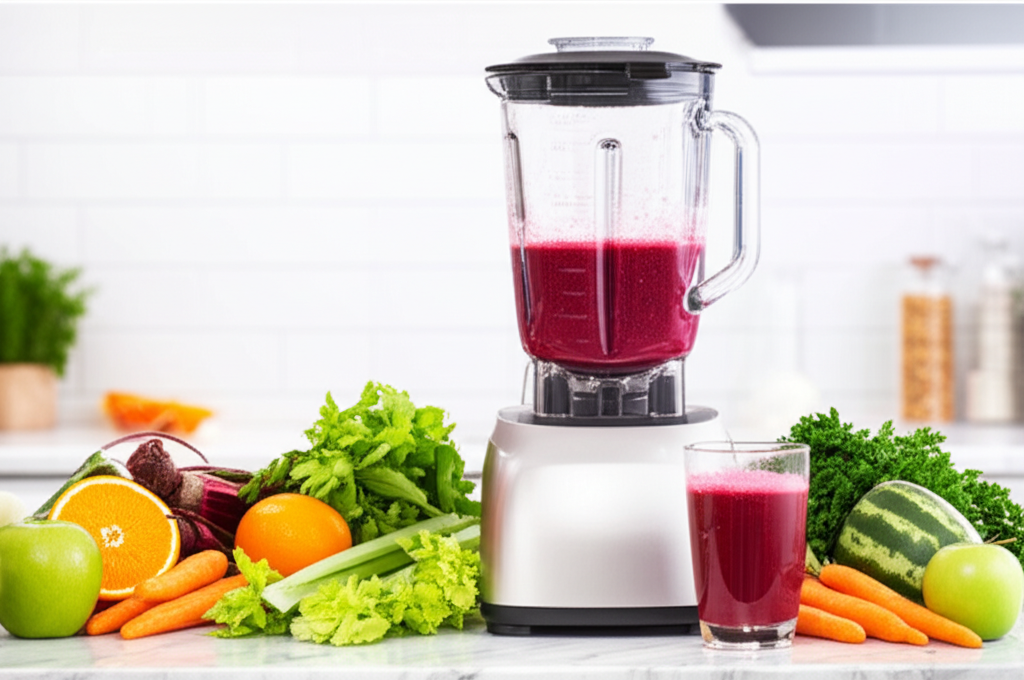
Making fresh grape juice with a blender is surprisingly simple. You can transform whole grapes into a delicious, healthy drink in minutes, avoiding added sugars and preservatives found in store-bought options. This guide breaks down the process, making it accessible even for absolute beginners.
Key Takeaways
- Wash grapes thoroughly before blending.
- Use ripe, seedless grapes for best flavor.
- Strain the juice for a smoother texture.
- Adjust sweetness with natural options if needed.
- Store fresh juice properly for longevity.
- Experiment with grape varieties for different tastes.
How to Make Grape Juice With a Blender: A Simple Guide
The idea of creating your own grape juice might seem complicated, perhaps involving special equipment or intricate techniques. However, the reality is far more straightforward. With just a blender and a few common ingredients, you can unlock the vibrant, natural sweetness of grapes and enjoy a healthier beverage. This process is not only easy but also incredibly rewarding, allowing you to control exactly what goes into your drink. We’ll guide you through each step, ensuring a smooth and successful juicing experience, transforming everyday grapes into a delightful, homemade treat.
Understanding the Simplicity: Why a Blender Works

Traditional juicing methods often rely on centrifugal or masticating juicers, machines designed to extract liquid efficiently. While these tools are effective, they can be an investment and require dedicated space. A blender, on the other hand, is a kitchen staple found in most homes. Its powerful blades are designed to pulverize ingredients, breaking down the cellular structure of fruits and vegetables. When it comes to grapes, a blender can effectively liquefy them, creating a base for juice. The key difference is that a blender also incorporates the pulp and skin, which is why a straining step is crucial for achieving a juice-like consistency. This makes the blender a versatile and accessible tool for anyone looking to make fresh juice without specialized equipment.
Gathering Your Ingredients and Tools
Before you begin, ensuring you have the right components is essential for a smooth process. The quality of your ingredients and the readiness of your tools will directly impact the final outcome. Think of this as setting up your personal data pipeline – clear inputs lead to predictable, high-quality outputs.
Essential Ingredients:
- Fresh Grapes: Choose about 2 pounds (roughly 1 kg) of grapes. Seedless varieties are highly recommended for ease of use. Red or green grapes both work well, offering slightly different flavor profiles. Ripe grapes will yield the sweetest juice.
- Water (Optional): About 1/2 to 1 cup of water can help with blending, especially if your grapes are very thick-skinned or you prefer a thinner consistency.
- Sweetener (Optional): Honey, maple syrup, or a sugar substitute can be added to taste, though ripe grapes are often sweet enough on their own.
Necessary Tools:
- Blender: A standard kitchen blender will suffice. For larger batches or tougher skins, a high-powered blender can be beneficial.
- Colander: For washing the grapes thoroughly.
- Fine-Mesh Sieve or Nut Milk Bag: This is crucial for straining out the solids and achieving a smooth juice. A cheesecloth can also be used, layered multiple times.
- Bowl: To collect the strained juice.
- Spatula or Spoon: For pressing the pulp against the sieve to extract maximum juice.
- Storage Container: A clean bottle or airtight container for storing your finished juice.
Step-by-Step: How to Make Grape Juice With a Blender
Follow these carefully outlined steps to transform your grapes into delicious, homemade juice. Each stage is designed for clarity and ease, ensuring even novice cooks can achieve excellent results.
Step 1: Prepare Your Grapes
This initial step is vital for cleanliness and removing any unwanted elements. Start by thoroughly washing your grapes under cool running water. You can place them in a colander and rinse them gently. Inspect the grapes for any stems, leaves, or bruised parts and remove them. If you are using grapes with seeds, you will need to remove them at this stage, which can be time-consuming. For this reason, seedless varieties are strongly recommended for beginner juicing.
Step 2: Blend the Grapes
Place the washed and stemmed grapes into your blender. If you are using water, add about 1/2 cup to start. Secure the lid firmly. Begin blending on a low speed and gradually increase to high. Blend until the grapes are completely liquefied and smooth, which usually takes about 30-60 seconds. You should have a thick, pulpy mixture. If the mixture is too thick to blend effectively, add a little more water, about a tablespoon at a time, until it reaches a manageable consistency.
Step 3: Strain the Juice
This is where you separate the liquid from the pulp. Place a fine-mesh sieve or a nut milk bag over a clean bowl. Carefully pour the blended grape mixture into the sieve or bag. If using a sieve, use a spatula or spoon to gently press the pulp against the mesh. This helps to extract as much juice as possible. If you are using a nut milk bag, gather the edges and twist to create a pouch, then gently squeeze the juice into the bowl. Be patient; this process can take a few minutes.
Step 4: Adjust Sweetness and Consistency (Optional)
Taste the strained juice. If you find it too tart or simply prefer a sweeter drink, you can add a natural sweetener like honey or maple syrup. Start with a small amount, stir well, and taste again. You can also adjust the consistency by adding more water if you prefer a thinner juice. Blend the sweetener into the juice if using, or simply stir it in thoroughly.
Step 5: Chill and Serve
Pour your freshly made grape juice into a clean bottle or airtight container. For the best flavor and a refreshing experience, chill the juice in the refrigerator for at least 30 minutes before serving. Serve over ice if desired.
Varieties of Grapes and Their Impact on Juice
The type of grape you choose can significantly alter the flavor, color, and sweetness of your homemade juice. Understanding these differences allows for intentional selection based on your preferences.
| Grape Variety | Flavor Profile | Color | Seed Status | Juice Characteristics |
|---|---|---|---|---|
| Concord Grapes | Intense, classic “grape” flavor; slightly tart and sweet. | Deep purple | Often seeded, but seedless varieties are available. | Rich, full-bodied juice with a robust aroma. Requires thorough straining if seeded. |
| Red Seedless Grapes (e.g., Crimson Seedless, Red Globe) | Sweet, mild, and sometimes slightly floral. | Reddish-pink to deep red | Seedless | Lighter, refreshing juice with a balanced sweetness. |
| Green Seedless Grapes (e.g., Thompson Seedless, Cotton Candy) | Crisp, tart, and very sweet depending on the specific type. | Pale green to yellow | Seedless | Bright, clean, and often very sweet juice. Can have a tangier note than red grapes. |
| Muscadine Grapes | Unique, musky, and intensely sweet with a distinct aroma. | Bronze, purple, or black | Large seeds are characteristic. Seedless varieties are rare. | Very thick, potent juice. Straining is essential and can be challenging due to seed size. Not ideal for a simple blender method unless seeds are removed or a very powerful blender is used. |
When starting out, opting for seedless red or green grapes is the most straightforward path to success. Concord grapes, while offering an iconic flavor, can be more challenging if they contain seeds. Exploring different varieties is a rewarding aspect of making your own juice, allowing you to discover new favorite flavor combinations.
Tips for Optimal Grape Juice Production
Achieving the best possible outcome from your blender juicing efforts involves a few key considerations. These tips aim to maximize flavor, texture, and efficiency, ensuring a superior homemade product.
Pro Tip: For a Richer Flavor, Briefly Chill Grapes Before Blending
Placing your grapes in the refrigerator for an hour or two before blending can help to enhance their natural sweetness and result in a cooler, more refreshing juice straight from the blender. This also helps the blender process them more easily.
Maximizing Flavor:
- Use Ripe Grapes: The riper the grape, the sweeter and more flavorful your juice will be.
- Don’t Over-Blend: Blend just until smooth. Over-blending can sometimes lead to a slightly bitter taste from the skins and seeds.
- Consider the Skins: Grape skins contain antioxidants and add color and some nutrients. If you don’t mind a slightly more textured juice, you can strain it less thoroughly, or even skip straining for a smoothie-like consistency.
Improving Texture:
- Thorough Straining: Use a fine-mesh sieve or a nut milk bag for the smoothest results. Pressing gently is key.
- Double Straining: For exceptionally smooth juice, you can strain the mixture through a sieve, then strain the collected liquid again through a finer cloth or a cleaner nut milk bag.
- Pulp Management: The leftover pulp can be used in baking (like muffins or bread) or added to compost, minimizing waste.
Efficiency and Storage:
- Batch Size: Decide if you want a single serving or a larger batch. Adjust the grape quantity accordingly.
- Water Ratio: Start with less water. You can always add more, but you can’t easily remove it. The ideal amount depends on the juiciness of your grapes.
- Storage: Fresh grape juice is best consumed within 2-3 days. Store it in an airtight container in the refrigerator to prevent oxidation and spoilage. For longer storage, consider freezing it in ice cube trays or freezer-safe bags.
Beyond the Basics: Enhancing Your Grape Juice
Once you’ve mastered the fundamental technique, you can explore creative ways to enhance your homemade grape juice. These additions can introduce new flavor dimensions and nutritional benefits.
Flavor Pairings:
- Citrus Twist: Add a squeeze of lemon or lime juice to brighten the flavor and add a refreshing tang.
- Herbal Infusions: Blend a few sprigs of mint or a small piece of ginger with the grapes for a subtle, aromatic kick.
- Spice Notes: A tiny pinch of cinnamon or nutmeg can add warmth, especially for darker grape juices.
Nutritional Boosts:
While grapes themselves offer vitamins and antioxidants, you can amplify the nutritional profile:
- Add Other Fruits: Blend grapes with berries (like blueberries or raspberries) or a small piece of apple for added vitamins and fiber.
- Incorporate Greens: A handful of spinach or kale can be blended in. The strong grape flavor often masks the taste of mild greens, making it an excellent way to sneak in extra nutrients. Check out resources on incorporating leafy greens into smoothies, like those from the USDA Agricultural Research Service for nutritional insights.
Consistency Modifications:
If you find yourself wanting something more substantial than juice:
- Grape Smoothie: Skip the straining altogether and add a spoonful of yogurt (dairy or non-dairy) or a banana before blending for a thicker, smoothie-like texture.
- Frozen Grape Treat: Freeze whole grapes and then blend them with a splash of water or milk for a sorbet-like consistency.
Experimentation is key. Don’t be afraid to try new combinations. Each addition can be viewed as another data point in refining your perfect beverage recipe.
Troubleshooting Common Blender Juicing Issues
Even with simple processes, occasional challenges can arise. Understanding common problems and their solutions can save you time and frustration.
Issue: Juice is too thick or pulpy.
Solution: This is usually due to insufficient straining or not enough liquid during blending. Ensure you are pressing the pulp firmly against the sieve or squeezing the nut milk bag thoroughly. If the initial blend was too thick, you may need to add a bit more water to the pulp and re-strain, or accept a thicker, smoothie-like consistency.
Issue: Juice is not sweet enough.
Solution: Your grapes might not have been ripe enough, or you might have used a tart variety. Add a natural sweetener like honey, maple syrup, or a few dates. You can also blend in a sweeter fruit like a ripe banana or a piece of apple. Remember that store-bought juices often have added sugars, so a slightly less sweet, natural flavor is to be expected.
Issue: Blender is struggling to process grapes.
Solution: Cut larger grapes in half before blending. Ensure you have added enough liquid to help the blades move freely. If your blender is consistently struggling, it might be nearing the end of its operational life, or you may need to consider a more powerful model for future blending tasks. For a quick fix, try blending in smaller batches.
Issue: Juice has a bitter aftertaste.
Solution: This can sometimes happen from over-blending, especially if you are including the skins and seeds. Ensure you are blending only until the grapes are liquefied. If using seeded grapes, make sure all seeds are removed as they contribute bitterness. Straining thoroughly is also important to remove the majority of the skin particles.
Issue: Juice is separating quickly.
Solution: Natural juices can separate as pulp particles settle. This is normal. Simply stir or shake the container before serving. For slightly better stability, you can add a small amount of natural emulsifier like a teaspoon of chia seeds (allow them to swell first) or a bit of pectin, though this is rarely necessary for immediate consumption.
Frequently Asked Questions (FAQ)
Q1: Can I use any type of grape to make juice?
Yes, you can use most types of grapes. However, seedless varieties are highly recommended for ease of preparation. Concord grapes offer a classic, intense grape flavor but are often seeded. Red and green seedless grapes are the easiest to work with for a beginner-friendly approach.
Q2: Do I need to peel the grapes?
No, you do not need to peel the grapes. The skins contain valuable nutrients and contribute to the color of the juice. They will be separated during the straining process. If you prefer an extremely smooth juice with no trace of skin, you can strain it multiple times.
Q3: How long does homemade grape juice last?
Freshly made grape juice should be stored in an airtight container in the refrigerator and is best consumed within 2 to 3 days. After this period, the quality and flavor may start to degrade. For longer storage, you can freeze the juice.
Q4: What do I do with the leftover grape pulp?
The leftover pulp is rich in fiber and can be repurposed. You can add it to smoothies for extra fiber, incorporate it into baked goods like muffins or breads, or use it in compost to enrich your garden soil. It’s a valuable byproduct that minimizes waste.
Q5: Why is my blender juice cloudy?
Cloudiness is normal, especially when using a blender. It indicates the presence of fine pulp and solids that have passed through the sieve. This is what gives it a more rustic, less refined texture compared to juice made with a dedicated juicer. For clearer juice, use a very fine sieve or a nut milk bag and strain more than once.
Q6: Can I make wine or fermented grape juice with this method?
This method is for making fresh, non-alcoholic grape juice. Fermenting grape juice into wine requires specific yeast cultures, controlled fermentation processes, and aging, which is a separate and more complex endeavor. The juice made with this blender method is intended for immediate consumption or short-term storage.
Q7: Is homemade grape juice healthier than store-bought?
Generally, yes. Homemade grape juice allows you to control the ingredients, avoiding added sugars, preservatives, and artificial colors often found in commercial versions. You also retain more of the natural nutrients present in the whole fruit, especially if you choose not to strain it excessively.
Conclusion
Crafting your own grape juice with a blender is a testament to the power of simple kitchen tools and fresh ingredients. You’ve learned that this process is not only accessible but also highly customizable, allowing you to tailor the sweetness, texture, and flavor to your exact preferences. From selecting the right grapes to the final pour, each step is designed to be straightforward, demystifying homemade juicing. By embracing this method, you gain control over your nutrition and enjoy a more authentic, flavorful beverage. So, gather your grapes, fire up your blender, and experience the rewarding simplicity of making delicious grape juice right in your own kitchen.