
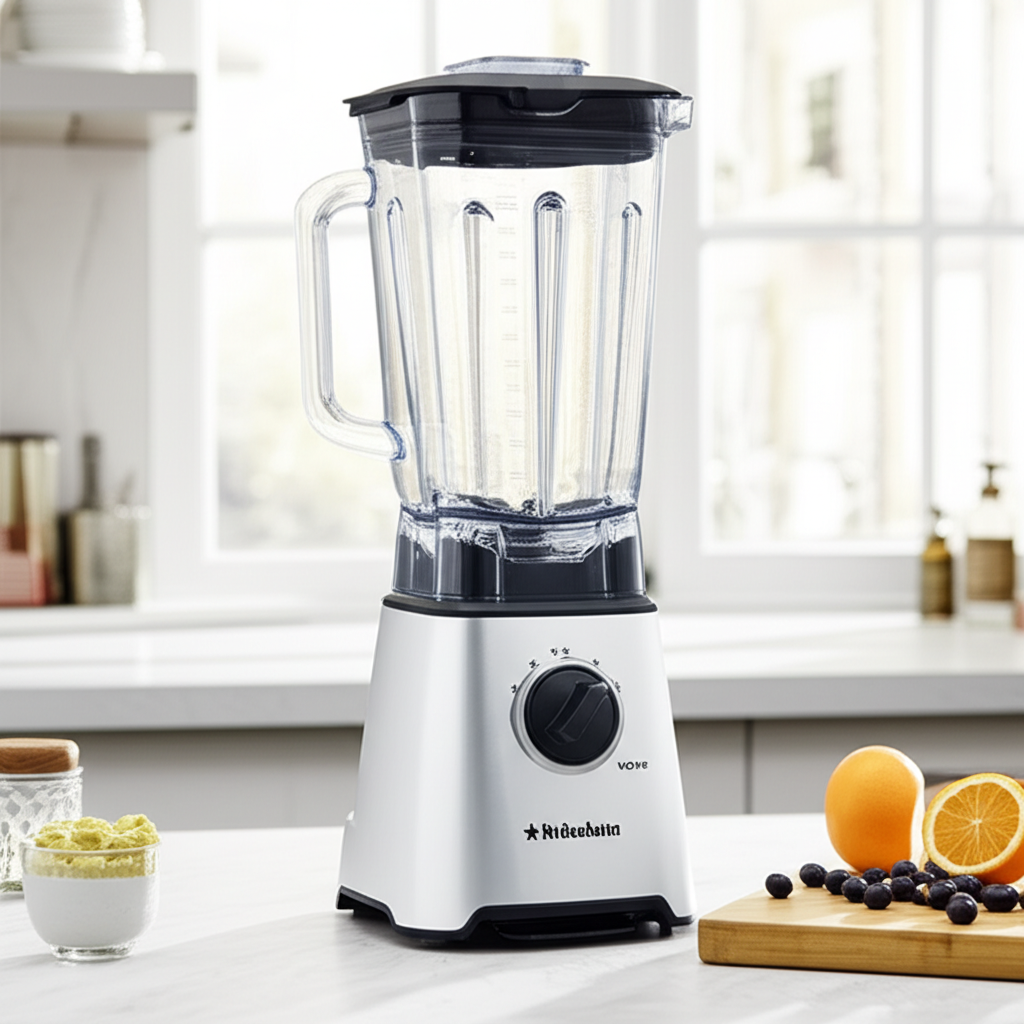
Yes, you can make juice using a blender! This essential smoothie hack lets you create delicious, nutrient-packed drinks without a juicer. It’s a simple, effective way to enjoy fresh flavors at home.
Key Takeaways
- Blend fruits and vegetables with water.
- Strain the mixture for a smoother juice.
- Use a high-powered blender for best results.
- Adjust liquid for desired consistency.
- Explore endless flavor combinations.
- Achieve fresh juice without a dedicated juicer.
How to Juice Using a Blender: Your Essential Smoothie Hack
Many people think you need a special juicer to enjoy fresh, homemade juice. This can feel like a barrier to healthy living. But what if I told you that your trusty blender can do the job? It’s true! You can transform whole fruits and vegetables into vibrant, delicious juices right in your kitchen. This method is surprisingly simple and incredibly versatile. You’ll be creating refreshing drinks in no time. Let’s dive into how you can unlock the power of your blender for amazing juice.
Why Use a Blender for Juicing?

Traditional juicers are fantastic tools, but they come with their own set of considerations. They can be an investment, take up counter space, and often require more cleanup than many people anticipate. On the other hand, most households already own a blender. By learning to use it for juicing, you’re leveraging an existing appliance to achieve a similar, if not identical, healthy outcome. This approach makes fresh juice more accessible and practical for everyday enjoyment. It’s a smart hack that saves you money and effort while still delivering incredible nutrition.
Blenders work by pulverizing ingredients, breaking them down into a very fine pulp. While a juicer separates the liquid from the fiber, a blender keeps them together initially. The magic of turning this blended mixture into juice lies in a simple straining process. This technique allows you to get the liquid essence of your favorite produce, much like a juicer would, but with your existing kitchen equipment. It’s a win-win for convenience and health.
Essential Tools for Blender Juicing
To successfully juice with a blender, you’ll need a few key items. Having the right tools makes the process smoother and the results more enjoyable. Don’t worry; these are common kitchen staples!
The Blender Itself
The most crucial tool is, of course, your blender. While almost any blender can technically do this, a high-powered blender will yield the smoothest results. Brands like Vitamix or Blendtec are excellent for their ability to break down fibrous ingredients like celery or kale into a very fine consistency. This makes straining easier and results in a less gritty juice. However, even a standard blender can work, you might just need to blend for a little longer or strain more carefully.
A Fine-Mesh Strainer or Nut Milk Bag
This is where the juicing magic happens. After blending, you need to separate the liquid from the pulp. A fine-mesh sieve is a great starting point. For an even smoother, pulp-free juice, a nut milk bag is highly recommended. These bags are made of a porous, food-grade fabric that allows liquid to pass through easily while trapping even the finest solids. You can find them online or at kitchen supply stores. They are reusable and easy to clean.
A Large Bowl or Pitcher
You’ll need a container to strain your juice into. A large bowl or pitcher works perfectly. Make sure it’s wide enough to comfortably hold your strainer or nut milk bag over the top.
Measuring Cups and Spoons
While juicing can be intuitive, having measuring tools helps with consistency, especially when you’re starting out or following a recipe. This is particularly useful for adding the right amount of liquid.
Cutting Board and Knife
For preparing your fruits and vegetables, a standard cutting board and knife are essential. You’ll need to chop larger items into manageable pieces for your blender.
The Step-by-Step Guide: How to Juice Using a Blender
Ready to get started? This simple process will have you enjoying fresh juice in minutes. Follow these steps for the best results.
-
Prepare Your Produce
Wash all your fruits and vegetables thoroughly. Remove any large pits, seeds, or tough peels that won’t blend well (like citrus rinds, unless you want a very strong, bitter flavor). Chop ingredients into chunks that fit comfortably into your blender jar. For harder items like carrots or beets, cutting them smaller helps your blender work more efficiently. For softer items like berries or bananas, you can leave them whole or halve them.
-
Add Ingredients to the Blender
Place your prepared produce into the blender jar. It’s often best to add softer items first, followed by harder ones. This helps create a vortex that pulls everything down towards the blades. If you’re using leafy greens, add them towards the middle or top so they get caught in the blend.
-
Add Liquid
This is a crucial step for blender juicing. Unlike traditional juicing where the produce provides most of the liquid, you’ll need to add water (or another liquid like coconut water or unsweetened plant-based milk) to help the blender process the ingredients and create a liquid that can be strained. Start with about 1/2 to 1 cup of liquid for every 2 cups of solid produce. You can always add more later if needed.
The amount of liquid you add will affect the final consistency. For a thicker, smoothie-like juice, use less liquid. For a thinner, more traditional juice, add more.
-
Blend Until Smooth
Secure the lid on your blender. Start blending on a low speed, then gradually increase to high. Blend for 1 to 2 minutes, or until the mixture is as smooth as possible. You want the ingredients to be completely pulverized into a liquid. Scrape down the sides of the blender jar with a spatula if necessary to ensure everything is incorporated.
-
Strain the Mixture
This is the key to getting juice from your blender. Place your fine-mesh strainer over a large bowl or pitcher. If using a nut milk bag, place it inside the strainer or drape it over the bowl. Carefully pour the blended mixture into the strainer or nut milk bag. Allow the liquid to drain through.
If using a strainer, you might need to gently press down on the pulp with the back of a spoon to extract more liquid. If using a nut milk bag, gather the top of the bag and gently squeeze it over the bowl. Continue squeezing until most of the liquid has been extracted. Be patient; this step can take a few minutes.
-
Serve and Enjoy!
Pour your freshly made juice into a glass. You can add ice if you like it colder. Drink immediately for the freshest taste and maximum nutrient benefit. Any leftover juice can be stored in an airtight container in the refrigerator for up to 24-48 hours, though it’s best enjoyed fresh.
Best Fruits and Vegetables for Blender Juicing
Not all produce is created equal when it comes to juicing. Some ingredients lend themselves better to the blender-and-strain method than others. Here’s a guide to what works well:
High-Yielding Produce
These ingredients are naturally juicy and break down easily, making them ideal for blender juicing:
- Cucumber: Very high water content, blends easily, mild flavor.
- Celery: Stringy, but blends well with enough liquid. Adds a refreshing, slightly salty note.
- Melons (Watermelon, Cantaloupe, Honeydew): Extremely high water content, blend into a sweet, refreshing juice.
- Berries (Strawberries, Blueberries, Raspberries): Blend into vibrant, flavorful juices. Seeds can be a bit noticeable if not strained well.
- Oranges and Grapefruit: While you can use the whole fruit (peeled), the pulp can be a bit much. Best used for flavor boosts or blended with other ingredients.
- Pineapple: Sweet, tangy, and high in water content.
- Apples: Provide sweetness and body. Choose softer varieties for easier blending.
- Carrots: Add sweetness and nutrients. Chop them small.
Produce Requiring Careful Consideration
These can be used, but might require more liquid, a more powerful blender, or careful straining:
- Leafy Greens (Spinach, Kale, Romaine): Excellent for nutrients. Blend them with fruits and plenty of liquid. Kale can be fibrous, so blend thoroughly.
- Ginger and Turmeric: Use small amounts. They are potent and can be fibrous.
- Beets: Earthy and nutritious. Blend well but can be very fibrous.
- Herbs (Mint, Parsley): Add great flavor and nutrients. Use in moderation.
What to Avoid (or Use Sparingly)
- Very tough, fibrous stalks: Like rhubarb, unless you have an extremely powerful blender and are prepared for a strong flavor and texture.
- Citrus Peels: Unless you want a very bitter, intensely flavored juice. The pith can also be bitter.
- Avocado: While great for smoothies, it adds creaminess and fat, not really juice.
Blender Juicing vs. Traditional Juicing: A Comparison
It’s helpful to understand the differences and similarities between using a blender and a dedicated juicer.
| Feature | Blender Juicing | Traditional Juicer |
|---|---|---|
| Equipment Needed | Blender, fine-mesh strainer/nut milk bag, bowl | Centrifugal or masticating juicer |
| Nutrient Retention | Very good; retains fiber until strained. Some nutrients may be lost in pulp. | Excellent; efficient liquid extraction. Some oxidation can occur. |
| Texture | Can be very smooth, but might retain a slight pulpiness depending on straining. | Typically very smooth and pulp-free. |
| Ease of Use | Simple, uses existing equipment. | Requires learning specific machine operation. |
| Cleanup | Blender jar and strainer need cleaning. Can be quicker than some juicers. | Can be time-consuming depending on juicer model. |
| Cost | Low (uses existing blender). Strainer is inexpensive. | Moderate to high initial investment. |
| Versatility | Can also make smoothies, purees, and sauces. | Primarily for juicing. |
As you can see, blender juicing is a fantastic alternative, especially for beginners or those looking for a more budget-friendly and space-saving solution. It provides a great way to consume more fruits and vegetables daily.
Flavor Combinations to Try
Now for the fun part! Experiment with these delicious combinations to get inspired:
Refreshing Citrus Blends
- Orange Sunshine: 2 Oranges (peeled), 1/2 inch Ginger, 1/4 cup Water.
- Grapefruit Zing: 1 Grapefruit (peeled), 1/2 Apple, small sprig of Mint, 1/4 cup Water.
- Lemon-Lime Cooler: Juice of 1 Lemon, Juice of 1 Lime, 1 cup Cucumber, 1/2 cup Water, a few fresh mint leaves. (Blend cucumber and water first, then add citrus juices and mint and blend briefly).
Green Power Juices
- Cucumber Mint Refresher: 1 large Cucumber, 1 Green Apple, small bunch of Mint, 1/2 cup Water.
- Kale & Apple Delight: 1 cup Kale (stems removed), 1-2 Apples, 1/2 Lemon (peeled), 1/2 inch Ginger, 1/2 cup Water.
- Celery & Pear Cleanse: 3 stalks Celery, 1 Pear, 1/4 inch Ginger, 1/4 cup Water.
Fruity & Sweet Options
- Berry Blast: 1 cup Mixed Berries (strawberries, blueberries, raspberries), 1/2 Banana (optional, for creaminess), 1/2 cup Water.
- Watermelon Cooler: 2 cups Cubed Watermelon, a few fresh Basil leaves, squeeze of Lime juice, 1/4 cup Water (optional, if watermelon isn’t very juicy).
- Pineapple Paradise: 1 cup Pineapple chunks, 1/2 cup Coconut Water, small piece of Ginger.
Remember to adjust the amount of water to achieve your preferred consistency. Taste and tweak the flavors as you go!
Pro Tips for Perfect Blender Juice
To elevate your blender juicing game, keep these expert tips in mind:
- Use Frozen Fruit for a Chilled Juice: Instead of ice, add some frozen fruit (like berries or banana chunks) to your blend. This chills your juice and can make it thicker without diluting the flavor.
- Don’t Discard the Pulp (Necessarily): While you strain for juice, the leftover pulp is still packed with fiber and nutrients. You can add it to baked goods (muffins, pancakes), compost it, or even use it in homemade veggie burgers.
- Prep Ahead: Wash and chop your fruits and vegetables the night before and store them in airtight containers in the fridge. This makes morning juice preparation even faster.
- Soak Tough Fibers: For ingredients like kale or celery that can be very fibrous, soaking them in a little water for 10-15 minutes before blending can help break them down more easily.
- Experiment with Flavor Boosters: A pinch of cinnamon, a dash of cayenne pepper, or a squeeze of fresh lime can add exciting new dimensions to your juices.
Frequently Asked Questions About Blender Juicing
Q1: Can I really get juice from a blender, or will it just be a smoothie?
A: You absolutely can! The key difference is the straining step. While a smoothie keeps the fiber, blender juicing involves blending your ingredients with water and then straining out the solids to get the liquid. You’ll get a juice that is similar in consistency to what a traditional juicer produces.
Q2: What kind of blender is best for juicing?
A: A high-powered blender (like those with 1000 watts or more) will give you the smoothest results by breaking down ingredients more effectively. However, a standard blender can also work, you might just need to blend for a longer time and strain more carefully.
Q3: How much water should I add?
A: Start with about 1/2 to 1 cup of water for every 2 cups of solid produce. You can add more if you prefer a thinner juice or if your blender is struggling. The amount of water directly impacts the final consistency.
Q4: What’s the difference between a fine-mesh strainer and a nut milk bag?
A: A fine-mesh strainer will catch most of the pulp, but some very fine particles might still pass through, resulting in a slightly thicker juice. A nut milk bag is made of a tighter weave fabric and is excellent at trapping even the smallest solids, giving you a much smoother, clearer juice.
Q5: How long does blender-made juice last?
A: Freshly made juice is always best enjoyed immediately. However, you can store it in an airtight container in the refrigerator for up to 24-48 hours. It’s common for some separation to occur; just give it a good shake before drinking.
Q6: Can I juice fibrous vegetables like celery or kale?
A: Yes, you can! Celery and kale are great for juicing. For best results, make sure you have enough liquid in your blender and blend for a sufficient amount of time until the fibers are well broken down. Using a nut milk bag for straining will also help remove any residual fibrous bits.
Q7: What should I do with the leftover pulp?
A: Don’t throw it away! The pulp is full of fiber and nutrients. You can add it to pancake or muffin batter, mix it into your oatmeal, use it to make veggie broth, or even add it to your compost bin.
Conclusion
Making juice with a blender is an incredibly simple yet effective hack that opens up a world of fresh, healthy possibilities. You don’t need expensive equipment to enjoy the vibrant flavors and nutritional benefits of homemade juice. By following these straightforward steps and experimenting with your favorite fruits and vegetables, you can easily create delicious, refreshing drinks. This method is perfect for beginners, offering a low-barrier entry into the world of fresh juices. So, dust off that blender, gather your produce, and start juicing your way to a healthier, more delicious lifestyle. Happy blending and juicing!