
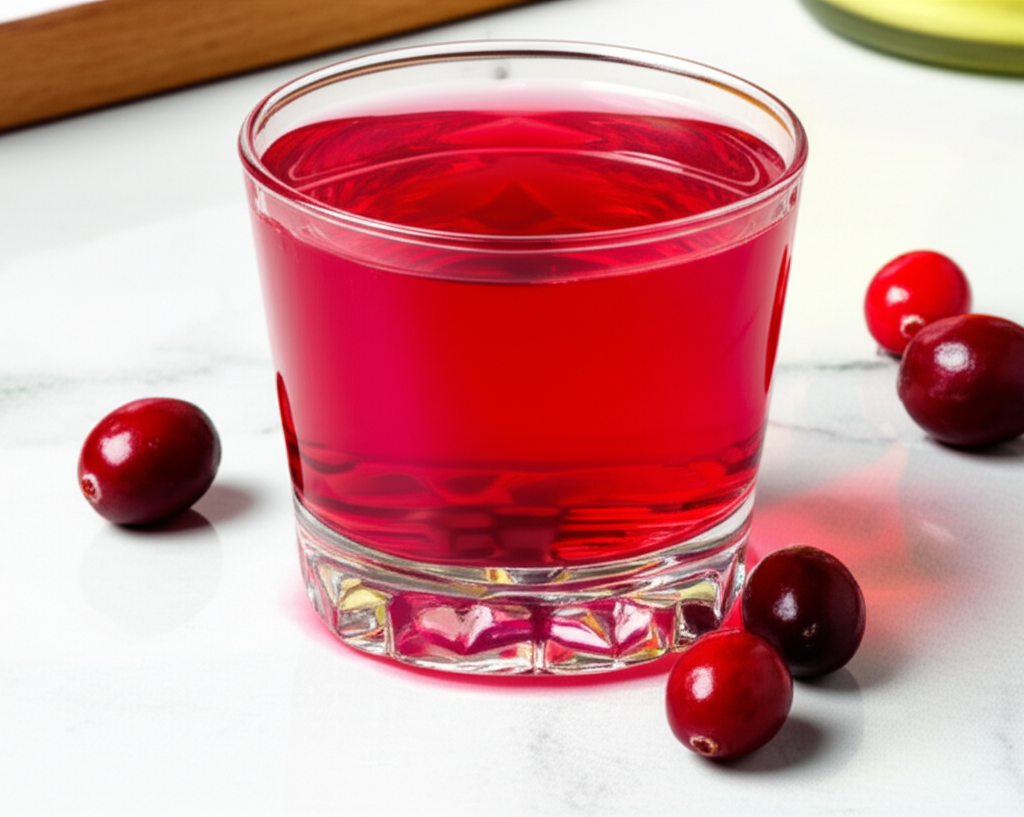
Don’t let cranberry juice stains ruin your carpet! You can effectively remove cranberry juice stains from carpet using simple household items and a gentle blotting technique. Act quickly for the best results, and your carpet will look as good as new.
Key Takeaways
- Blot, don’t rub, fresh cranberry stains.
- Use a mild detergent solution for initial cleaning.
- Vinegar or hydrogen peroxide can tackle stubborn pink hues.
- Rinse thoroughly to prevent residue.
- Test cleaning solutions in an inconspicuous area first.
- Address dried stains with a stronger, yet safe, cleaning agent.
How to Get Cranberry Juice Stain Out of Carpet: Your Ultimate Guide
That vibrant, ruby-red color of cranberry juice is lovely in a glass, but it can be a homeowner’s nightmare when it lands on your carpet. If you’ve ever found yourself staring at a pinkish-red splotch on your floor, you know the panic that can set in. Don’t worry! Getting a cranberry juice stain out of carpet is entirely manageable, even for beginners. We’ll walk you through simple, effective methods using ingredients you likely already have in your kitchen. This guide will equip you with the confidence to tackle these tough stains and keep your home looking its best. Let’s dive into how to save your carpet from that delicious-yet-dreaded cranberry spill.
Why Cranberry Juice Stains Are Tricky (But Not Impossible!)

Cranberry juice is notorious for its staining power due to its natural pigments, particularly anthocyanins, which are vibrant red and purple compounds. These pigments bind easily to carpet fibers, making them challenging to lift. The acidity of the juice can also play a role, sometimes setting the stain deeper into the fibers if not treated correctly. When cranberry juice spills, it’s often concentrated, meaning more pigment hits the carpet at once. This makes immediate action crucial. But with the right approach and a little patience, you can successfully remove these stubborn marks.
Gather Your Stain-Fighting Arsenal
Before you begin, it’s essential to have the right tools and cleaning agents ready. Having everything on hand will make the process smoother and more effective. Think of this as preparing your ingredients before whipping up a healthy juice blend!
Essential Cleaning Supplies:
- Clean white cloths or paper towels (for blotting)
- A small bowl
- Lukewarm water
- Mild dish soap or laundry detergent (clear, dye-free is best)
- White vinegar
- Spray bottle (optional, for applying solutions)
- Spoon or dull knife (for scraping up any solids)
- Hydrogen peroxide (3%)
- Ammonia (household strength, use with caution and ventilation)
- A soft-bristled brush (optional)
- A fan or hairdryer (for drying)
It’s always a good idea to keep a few of these items handy for any unexpected kitchen or household spills. Just like stocking your pantry with healthy ingredients, stocking your cleaning cabinet with these essentials means you’re always prepared!
Step-by-Step Guide: Tackling Fresh Cranberry Juice Stains
The key to successfully removing cranberry juice stains from carpet is speed. The fresher the stain, the easier it will be to lift. Here’s how to handle it right away.
Step 1: Blot, Don’t Rub!
As soon as the spill happens, grab a clean white cloth or paper towels. Gently blot the stained area. Start from the outside of the stain and work your way inward. This prevents spreading the stain further into the carpet fibers. Continue blotting with fresh cloths until no more cranberry juice transfers to the cloth. This initial step removes as much of the liquid as possible, making the subsequent cleaning steps much more effective.
Step 2: The Mild Detergent Solution
Mix a small amount of mild dish soap or liquid laundry detergent with lukewarm water. A good starting point is about 1/4 teaspoon of detergent to 1 cup of water. Stir gently to create suds, but avoid over-shaking. Dampen a clean white cloth with this solution (don’t saturate it). Gently blot the stained area with the damp cloth. Again, work from the outside in. You should start to see the stain lifting onto the cloth. Switch to a clean section of the cloth or a new cloth as it picks up the color.
Step 3: Rinse with Water
Once you’ve blotted out as much of the stain as possible with the detergent solution, it’s time to rinse. Dampen a clean cloth with plain, cool water. Blot the area to remove any soap residue. It’s crucial to rinse thoroughly, as leftover soap can attract dirt and create a new stain over time.
Step 4: Dry the Area
Blot the damp area with a dry, clean cloth or paper towels until it’s as dry as possible. You can also place a thick stack of paper towels over the damp spot and weigh it down with a heavy object (like a book) for a few hours to absorb remaining moisture. For faster drying, you can use a fan or a hairdryer on a cool setting, holding it several inches away from the carpet.
When the Stain Lingers: Advanced Cranberry Stain Removal Techniques
Sometimes, even with prompt action, a faint pink or reddish hue can remain, especially if the stain was large or the carpet is a lighter color. Don’t despair! These methods can help tackle those stubborn remnants.
Method 1: The White Vinegar Solution
White vinegar is a fantastic natural cleaner and deodorizer. Its acidity helps break down the cranberry pigments. For this method, mix equal parts white vinegar and water in a bowl or spray bottle.
How to Use:
- Lightly spray or dab the vinegar solution onto the remaining stain.
- Let it sit for about 5-10 minutes.
- Gently blot the area with a clean, damp cloth.
- Rinse thoroughly with plain water using a clean, damp cloth.
- Blot dry with a clean, dry cloth.
Why it works: The acetic acid in vinegar helps to neutralize the alkaline pigments of the cranberry juice, making them easier to lift from the carpet fibers. It’s a gentle yet effective way to tackle those lingering colors.
Method 2: Hydrogen Peroxide (For Light Carpets Only!)
Hydrogen peroxide is a mild bleaching agent that can be very effective on stubborn stains. However, it’s crucial to test this on an inconspicuous area of your carpet first, as it can lighten or bleach darker carpets.
How to Use:
- Mix 1 part 3% hydrogen peroxide with 3 parts cool water.
- Apply the solution sparingly to the stain using a clean cloth or cotton ball.
- Let it sit for about 10-15 minutes. Keep an eye on it.
- Gently blot the area with a clean, damp cloth.
- Rinse thoroughly with plain water.
- Blot dry with a clean, dry cloth.
Why it works: Hydrogen peroxide releases oxygen when it comes into contact with stain molecules, breaking them down and lifting them. Its mild bleaching action is excellent for removing colored dyes.
Method 3: Ammonia Solution (Use with Caution!)
Ammonia is a stronger cleaning agent that can be effective on tough stains, but it requires careful handling and good ventilation. Never mix ammonia with bleach, as this creates toxic fumes. Test this solution on an inconspicuous area first, as it can damage certain carpet fibers or cause discoloration.
How to Use:
- Ensure the area is well-ventilated. Open windows and doors.
- Mix 1 tablespoon of clear household ammonia with 1/2 cup of lukewarm water.
- Dampen a clean cloth with the ammonia solution and gently blot the stain.
- Let it sit for a few minutes.
- Blot with a clean, damp cloth to rinse.
- Blot dry with a clean, dry cloth.
Why it works: Ammonia is an alkaline substance that can help break down organic stains like fruit juice. Its strong cleaning power makes it effective when other methods have failed, but its harshness necessitates caution.
Tackling Dried Cranberry Juice Stains
Dried cranberry juice stains are more challenging because the pigments have had time to set deeply into the carpet fibers. The process is similar, but you’ll need a bit more patience and possibly a stronger approach.
Step 1: Rehydrate the Stain
Start by dampening the dried stain with lukewarm water. You can use a spray bottle or a damp cloth. Let it sit for about 10-15 minutes to soften the dried juice. This rehydration makes it easier for the cleaning solutions to penetrate.
Step 2: Apply a Cleaning Solution
Begin with the mild detergent solution (1/4 teaspoon detergent to 1 cup water). Apply it to the rehydrated stain and let it sit for 5-10 minutes. Blot gently with a clean cloth. If the stain persists, move on to the white vinegar solution, followed by hydrogen peroxide or ammonia if necessary (always testing first and using caution).
Step 3: Gentle Agitation (If Needed)
For very stubborn dried stains, you might need to gently agitate the area after applying a cleaning solution. Use a soft-bristled brush or the edge of a spoon to gently loosen the stain. Be very careful not to scrub aggressively, as this can damage carpet fibers and spread the stain. After agitation, continue blotting.
Step 4: Thorough Rinsing and Drying
As with fresh stains, rinsing is critical. Blot the area thoroughly with a clean cloth dampened with plain water to remove all cleaning solution residue. Then, blot dry with clean, dry cloths or paper towels. Ensure the area is completely dry to prevent mold or mildew.
Pro Tips for Cranberry Stain Success
Pro Tip: Always test any cleaning solution in an inconspicuous area of your carpet first. This ensures that the solution won’t cause discoloration or damage to your carpet fibers before you apply it to the visible stain. Wait for the test spot to dry completely before proceeding.
Carpet Stain Removal: A Comparison of Methods
To help you choose the best approach, here’s a quick comparison of common cranberry juice stain removal methods.
| Method | Best For | Pros | Cons | Caution |
|---|---|---|---|---|
| Mild Detergent | Fresh stains, general cleaning | Gentle, readily available, safe for most carpets | May not remove tough or dried stains | Use clear, dye-free detergent |
| White Vinegar | Lingering pink/red hues, mild stains | Natural, effective on dyes, deodorizing | Vinegar smell (temporary), can be less effective on old stains | Test for colorfastness |
| Hydrogen Peroxide (3%) | Stubborn stains on light carpets | Mild bleaching action, effective on dyes | Can bleach or lighten colored carpets, requires testing | For light carpets ONLY. Always test first. |
| Ammonia | Very tough, set-in stains | Strong cleaning power | Harsh, requires excellent ventilation, can damage fibers/color | Never mix with bleach. Ventilate well. Test first. |
This table offers a snapshot to guide your decisions. Remember, the goal is always to use the gentlest effective method first. You can always escalate if needed, but starting mild is the safest bet for your carpet.
Frequently Asked Questions About Cranberry Juice Carpet Stains
Here are answers to some common questions beginner juicers and home cooks might have about tackling cranberry juice stains on their carpets.
Q1: How quickly do I need to treat a cranberry juice stain?
The sooner, the better! Fresh stains are much easier to remove than dried ones. Aim to blot up as much of the liquid as possible within minutes of the spill.
Q2: Can I use colored towels or sponges to clean the stain?
No, always use clean white cloths or paper towels. Colored materials can transfer their dyes to your carpet, creating a new stain.
Q3: Will rubbing the stain make it disappear faster?
Absolutely not! Rubbing will spread the stain and push the cranberry pigments deeper into the carpet fibers, making it much harder to remove.
Q4: What if my carpet is wool or a delicate material?
For natural fibers like wool or silk, it’s best to avoid harsh chemicals like ammonia and even hydrogen peroxide. Stick to mild detergent solutions and plain water. For very delicate carpets, consider consulting a professional carpet cleaner.
Q5: How do I prevent cranberry juice stains in the future?
When juicing or serving cranberry juice, place a towel or mat under your juicer or glasses. Be mindful when pouring, and clean up any spills immediately. Consider using a carpet protector spray for added defense.
Q6: Is it safe to use store-bought carpet stain removers for cranberry juice?
Many commercial carpet stain removers are effective, but always check the product label to ensure it’s safe for your type of carpet and specifically designed for dye-based stains. Follow the product instructions carefully and test in an inconspicuous area first.
Q7: My carpet is dark brown, will hydrogen peroxide work?
Hydrogen peroxide is a bleaching agent. While it might lift the cranberry stain, it also carries a significant risk of lightening your dark brown carpet, leaving a noticeable patch. It’s generally safer to stick to the detergent and vinegar solutions for darker carpets.
Maintaining Your Carpet’s Freshness
Beyond stain removal, regular carpet maintenance is key to keeping your home looking and smelling fresh. Vacuuming at least once a week helps remove surface dirt and prevents it from becoming embedded. For kitchens and dining areas where spills are more common, consider using a carpet cleaner with a stain-resistant treatment or opting for area rugs that can be easily cleaned or replaced.
If you’re a frequent juicer, especially with vibrant fruits like cranberries, berries, or pomegranates, you might find that investing in a portable carpet spot cleaner can be a lifesaver. These compact machines use water and cleaning solutions to powerfully extract stains and dirt, often more effectively than manual blotting. Resources like the Environmental Protection Agency (EPA) offer guidance on choosing effective and eco-friendly cleaning products.
Conclusion: Confident Cleaning for a Vibrant Home
Dealing with cranberry juice stains on your carpet might seem daunting at first, but as you’ve seen, it’s a manageable task with the right knowledge and approach. By acting quickly, blotting effectively, and using simple, accessible cleaning solutions, you can restore your carpet to its former glory. Remember to always test solutions, work gently, and rinse thoroughly. With these tips, you can enjoy your healthy juices and maintain a beautiful, spotless home. Happy cleaning, and happy juicing!