
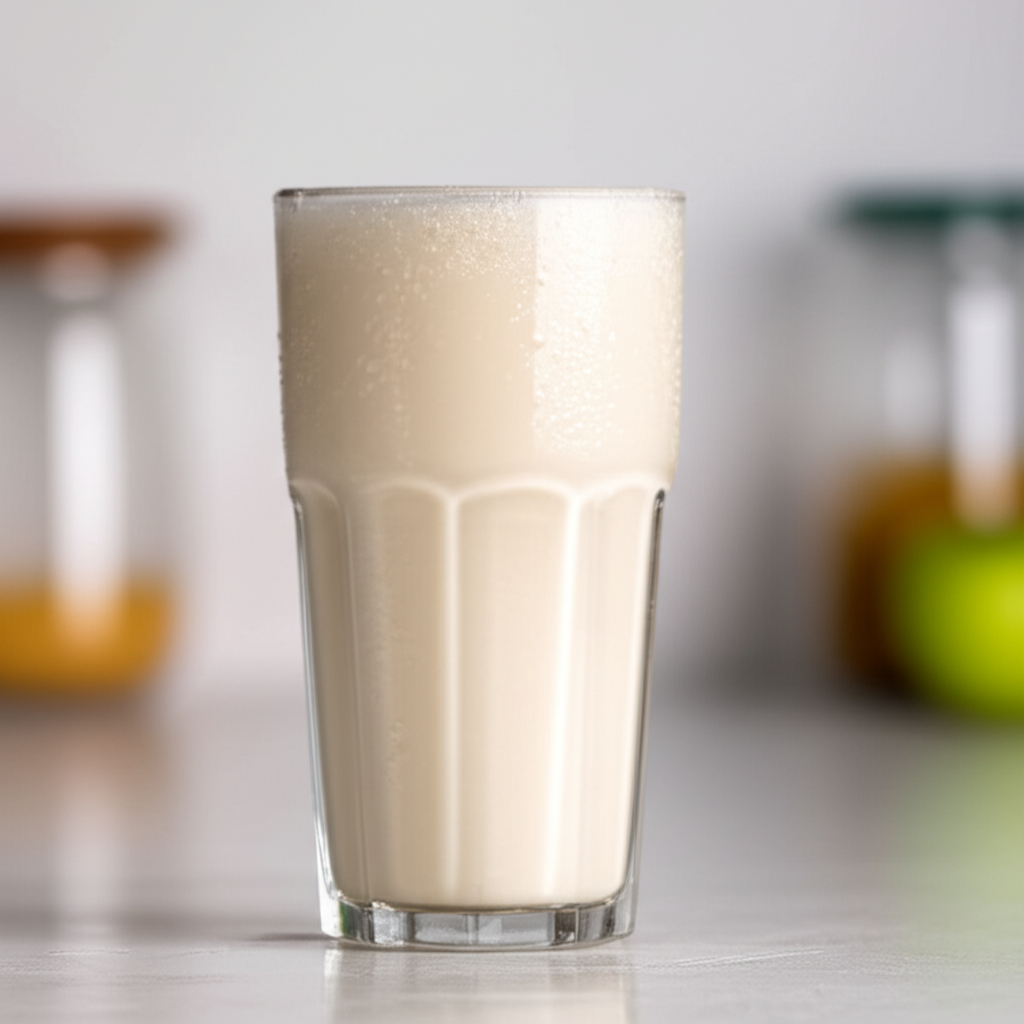
How Long Will A Milkshake Last In The Fridge? The Shocking Truth!
A milkshake will generally last 24 to 48 hours in the fridge, but its quality significantly degrades after the first few hours. For the best taste and texture, consume your milkshake within a few hours of making it.
Key Takeaways
- Refrigerate milkshakes immediately after preparation.
- Consume within 24 hours for optimal quality.
- Expect texture and flavor changes after 24 hours.
- Proper storage extends shelf life slightly.
- Discard if any signs of spoilage appear.
- Freshness is paramount for the best milkshake experience.
Have you ever made a delicious milkshake, only to wonder if you can save some for later? It’s a common question for anyone who enjoys these creamy treats. You might think a cold milkshake stored in the fridge will stay perfect for days, just like a glass of milk. However, the reality is a bit more surprising, and knowing the “shocking truth” about how long a milkshake will last in the fridge can save you from a less-than-satisfying experience. We’ll guide you through the best practices to keep your milkshakes fresh and delicious, so you can enjoy every sip.
This guide will break down the science behind milkshake preservation and offer simple tips to maximize its lifespan. Get ready to become a milkshake storage expert!
Understanding Milkshake Freshness

Milkshakes are delightful concoctions, blending milk, ice cream, and various flavorings. Their appeal lies in their creamy texture and rich taste, achieved through the perfect balance of ingredients at a specific temperature. Once made, this delicate balance is hard to maintain.
The primary ingredients – milk and ice cream – are dairy products. Dairy is susceptible to bacterial growth, especially when it’s no longer frozen. Even at refrigerator temperatures, these bacteria can multiply, altering the taste, texture, and safety of your milkshake.
Think about it: when ice cream melts, it loses its smooth, airy structure. This melting process, combined with the liquid milk, starts a chain reaction. The fats and solids begin to separate, leading to an undesirable, watery consistency. Flavors can also become muted or develop off-notes as the milkshake sits.
How Long Will A Milkshake Last In The Fridge? The Simple Answer
So, to answer the burning question directly: how long will a milkshake last in the fridge? Generally, you should aim to consume a homemade milkshake within 24 to 48 hours of preparation for the best quality. However, it’s crucial to understand that “best quality” is a key phrase here.
The ideal window for enjoying a milkshake at its peak is much shorter. Most experts and chefs would recommend finishing it within a few hours of making it. After this initial period, you’ll start noticing changes.
Here’s a breakdown of what happens over time:
- 0-3 Hours: Peak Freshness. The milkshake is at its best. The texture is smooth and creamy, and the flavors are vibrant and well-balanced.
- 3-12 Hours: Slight Changes. You might notice a slight separation of ingredients, with a thin layer of liquid forming at the bottom or top. The ice cream might have partially melted, making it less thick.
- 12-24 Hours: Noticeable Degradation. The texture will be more watery and less frothy. Flavors may start to dull. You’ll likely see a distinct separation of milk and melted ice cream.
- 24-48 Hours: Significant Deterioration. The milkshake will be very watery, with a clear separation of liquids and solids. The taste might be bland or even slightly sour if spoilage has begun.
- Beyond 48 Hours: High Risk. It’s strongly advised not to consume milkshakes beyond 48 hours. The risk of bacterial growth increases significantly, posing potential health risks.
The “shocking truth” isn’t that it spoils instantly, but rather how quickly its enjoyable qualities diminish. It might be technically “safe” to drink for a bit longer, but it certainly won’t taste as good.
Factors Affecting Milkshake Shelf Life
While 24-48 hours is a general guideline, several factors can influence how long your milkshake actually stays good in the fridge:
1. Ingredients Used
The type and quality of your ingredients play a big role. A milkshake made with fresh, high-fat ice cream and whole milk will likely hold its texture slightly better than one made with low-fat ice cream and skim milk. The higher fat content in ice cream helps emulsify the mixture and resist separation.
2. Preparation Method
How you blend your milkshake matters. Over-blending can introduce too much air, leading to faster melting and separation. Blending just until smooth is key. Adding a stabilizer like a tablespoon of cornstarch or a small amount of guar gum can also help maintain texture, though this is less common for home recipes.
3. Added Ingredients
What you add to your milkshake can also affect its lifespan. Fresh fruit might start to break down and ferment over time. Ingredients with high sugar content, like syrups or candies, can act as preservatives to some extent but also change the overall consistency as they dissolve.
4. Temperature of the Fridge
A consistently cold refrigerator (below 40°F or 4°C) is essential. Fluctuations in temperature, such as from frequent door opening, can accelerate spoilage. Ensure your fridge is set to the optimal temperature to slow down bacterial growth.
5. How Well It’s Stored
Proper sealing is crucial. An airtight container prevents air exposure, which can lead to oxidation and the absorption of other odors from the fridge. This is a critical step in maximizing even a short shelf life.
Proper Storage: Maximizing Your Milkshake’s Lifespan
If you absolutely must save some of your milkshake, following these storage steps can help maintain its quality for the longest possible time:
- Cool Down Quickly: After making your milkshake, let it sit at room temperature for only a few minutes. The longer it sits out, the more it melts and the more bacteria can grow.
- Use an Airtight Container: Pour any leftover milkshake into a clean, airtight container. Glass jars with tight-fitting lids or specialized food storage containers work best.
- Fill to the Top: To minimize air exposure, fill the container as close to the top as possible. This reduces the surface area exposed to air.
- Immediate Refrigeration: Get the sealed container into the coldest part of your refrigerator immediately.
- Avoid Cross-Contamination: Ensure your container is thoroughly cleaned and dried before use. Keep it separate from raw meats and other potential contaminants.
Pro Tip: If you anticipate having leftovers, consider making slightly less to begin with. The freshest milkshake is always the best milkshake!
What to Expect When You Drink Leftover Milkshake
Opening that container of leftover milkshake can sometimes be disappointing. Here’s what you might encounter:
- Texture Changes: The most common issue is a loss of creaminess. The ice cream will have melted and refrozen (if it was refrozen) or simply melted, leading to a watery, less satisfying consistency. You might see a distinct layer of liquid at the bottom.
- Flavor Fading: The vibrant flavors you enjoyed initially will likely be muted. Some flavors, especially delicate fruit notes, can become dull or even take on an unpleasant, slightly sour taste.
- Separation: Fats and liquids naturally separate over time. This means you might have a watery layer and a thicker, icy layer. Stirring can help, but it rarely restores the original smooth texture.
- Off Smells or Tastes: If the milkshake has been in the fridge for too long or was contaminated, it might develop a sour smell or taste. This is a clear sign of spoilage and should not be consumed.
To try and salvage some texture, you can give the milkshake a vigorous stir before drinking. If you’re feeling adventurous, you could even briefly re-blend it with a few ice cubes, though this won’t fully replicate the fresh experience.
Is it Safe to Drink a Milkshake That’s Been in the Fridge for a Few Days?
This is where the “shocking truth” can also be a matter of food safety. While a milkshake might not look or taste its best after 24-48 hours, whether it’s safe to drink depends on several factors, primarily bacterial growth.
Milk and ice cream are perishable. The U.S. Food and Drug Administration (FDA) recommends keeping perishable foods refrigerated at 40°F (4°C) or below to slow bacterial growth. However, bacteria can still multiply, albeit slowly, at these temperatures. The longer a dairy product sits, the higher the potential for harmful bacteria to reach unsafe levels.
Signs of Spoilage to Watch For:
- Sour Smell: This is a primary indicator of bacterial spoilage.
- Off Taste: If it tastes sour, bitter, or “off” in any way, discard it.
- Visible Mold: Any sign of mold, even if you think you can just scoop it out, means the entire batch is contaminated.
- Excessive Separation: While some separation is normal, a large amount of watery liquid with a very thick, almost solid layer can indicate it’s past its prime.
- Slimy Texture: If the milkshake feels slimy, it’s a strong sign of bacterial growth.
When in doubt, throw it out. Your health is more important than salvaging a less-than-perfect milkshake. For homemade milkshakes, it’s best to err on the side of caution and consume them within 24 hours.
Comparing Milkshake Storage to Other Dairy Products
It’s helpful to see how milkshake storage compares to other common dairy items:
| Food Item | Recommended Fridge Storage (Opened) | Notes |
|---|---|---|
| Milk | 3-7 days | Taste and smell are key indicators. |
| Ice Cream (Resealed) | 1-2 months | Texture may degrade, but generally safe if kept frozen. |
| Yogurt | 1-2 weeks | Check for mold or sourness. |
| Butter | 1-2 months | Can develop off-flavors but is quite stable. |
| Homemade Milkshake | 24-48 hours (best quality) | Rapid texture and flavor degradation. |
As you can see, milkshakes are on the shorter end of the spectrum for optimal enjoyment. This is because they are a mixture of already melted (or semi-melted) ice cream and liquid milk, providing a rich environment for bacteria and a less stable emulsion compared to its base ingredients.
Tips for Making Milkshakes That Store Better (Slightly!)
While no milkshake will last like a block of cheese, some adjustments can make leftovers slightly more palatable:
- Use Higher Quality Ice Cream: Ice creams with a higher fat content and fewer stabilizers tend to hold their structure better initially.
- Don’t Over-Blend: Blend just until the ingredients are combined. Excessive blending incorporates too much air, which accelerates melting and separation.
- Add a Stabilizer (Optional): For those who frequently have leftovers, a tiny amount (like 1/4 teaspoon) of a food-grade stabilizer such as xanthan gum or guar gum can help maintain a smoother texture for a few extra hours. Ensure you research proper usage for best results. The FDA’s principles of Hazard Analysis and Critical Control Points (HACCP) highlight temperature control and preventing contamination as key for food safety, which directly applies here.
- Chill Your Glass: Serving your milkshake in a pre-chilled glass can help it stay colder for longer, slowing down the initial melting process.
Making the Perfect “Just Enough” Milkshake
Perhaps the best strategy to avoid the dilemma of leftover milkshakes is to make the right amount from the start. Here’s how:
The Basic Ratio:
- 1 cup (about 2 scoops) of ice cream
- 1/4 to 1/2 cup of milk (adjust for desired thickness)
- Flavorings (syrups, fruit, etc.)
This typically yields one generous serving or two smaller ones. For a single serving, start with the lower end of milk and adjust as needed. This ensures you have a fresh, delicious milkshake ready to be enjoyed immediately, without the worry of saving it.
Frequently Asked Questions (FAQ)
Q1: Can I freeze leftover milkshake?
A: You can freeze leftover milkshake, but the texture will significantly change upon thawing. It will likely become icy and may separate. It’s best to freeze it in an ice cube tray and then re-blend with fresh ingredients or use the cubes in a smoothie.
Q2: My milkshake separated. Can I fix it?
A: You can try stirring it vigorously or re-blending it with a few ice cubes. However, it’s unlikely to return to its original smooth, creamy consistency. The separation indicates the ingredients have begun to break down.
Q3: What’s the difference between a milkshake and a smoothie for storage?
A: Smoothies, especially those made with fruits, vegetables, and yogurt, can sometimes last a bit longer in the fridge (up to 24 hours) if properly sealed. However, they also degrade in quality, losing nutrients and becoming less palatable. Milkshakes, with their ice cream base, are more prone to rapid texture and flavor changes.
Q4: Is it okay if my milkshake tastes a little different after a few hours?
A: A slight change in texture or a minor dulling of flavor after a few hours is normal. However, if it tastes sour, bitter, or noticeably “off,” it’s likely spoiled and should not be consumed.
Q5: Why does my homemade milkshake go watery so fast?
A: This is usually due to the ice cream melting. Factors like the temperature of your ingredients, the blending time, and the ambient temperature all contribute. Using very cold milk and ice cream and blending quickly helps, but melting is inevitable once it’s out of the freezer.
Q6: Should I store my milkshake with the lid on or off in the fridge?
A: Always store your milkshake with a tight-fitting lid or cover. An open container will expose the milkshake to air, leading to oxidation and the absorption of other odors from your refrigerator, further degrading its quality and potentially making it unsafe.
Conclusion
So, the shocking truth about how long a milkshake will last in the fridge is that its peak quality is fleeting. While it might remain technically safe to consume for up to 48 hours if stored properly, the creamy texture and vibrant flavors you crave will begin to diminish significantly after just a few hours. For the ultimate milkshake experience, it’s best enjoyed fresh.
Understanding the factors that affect its lifespan—from ingredients to storage—empowers you to make informed decisions. By following best practices for preparation and storage, you can extend its palatability slightly. However, the real secret to milkshake perfection lies in savoring it at its freshest. So, whip up a delicious batch, enjoy it promptly, and consider making just the right amount to avoid the disappointment of a less-than-stellar leftover. Happy blending!