
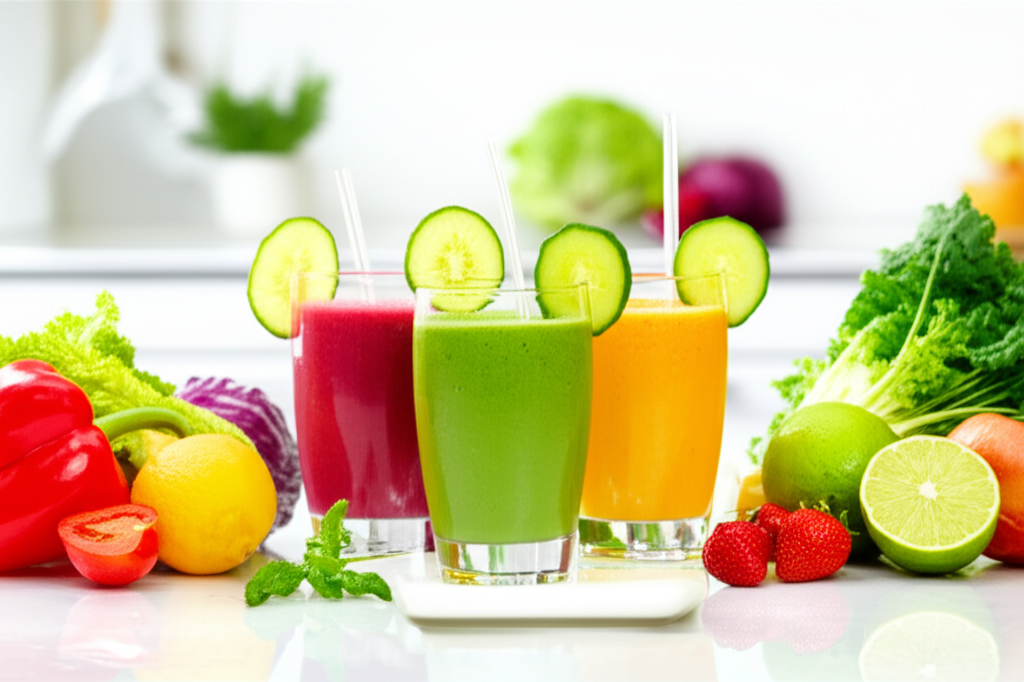
Tropical smoothies are generally healthy, packed with vitamins, minerals, and fiber from fruits. However, their healthiness depends on ingredients; watch out for added sugars and excessive fat. This guide helps you make nutritious tropical smoothies.
Key Takeaways
- Understand tropical smoothie nutrition.
- Identify healthy base ingredients.
- Learn about beneficial add-ins.
- Avoid common unhealthy additions.
- Create balanced tropical smoothie recipes.
- Boost your tropical smoothie health.
How Healthy Is Tropical Smoothie: Your Essential Guide
Thinking about a refreshing tropical smoothie? You’re not alone! These vibrant drinks are popular for their delicious taste and perceived health benefits. But when you’re standing in front of the blender, you might wonder, “Just how healthy is a tropical smoothie, really?” It’s a great question, and the answer isn’t always black and white. Many store-bought versions can be loaded with sugar and unhealthy fats, while homemade ones can be nutritional powerhouses. This guide will break down what makes a tropical smoothie healthy and show you how to make one that’s both delicious and good for you. We’ll cover everything from choosing the best fruits to understanding what to add and what to skip, ensuring your tropical escape in a glass is as nourishing as it is delightful. Get ready to blend your way to a healthier you!
Decoding the Health Benefits of Tropical Smoothies
Tropical fruits are nature’s candy, bursting with flavor and packed with goodness. When blended into a smoothie, they offer a convenient way to get a dose of vitamins, minerals, and antioxidants. But what exactly are these benefits, and how do they stack up?
Nutrient Powerhouses: Vitamins and Minerals
Tropical fruits are renowned for their high vitamin C content, which is crucial for immune function and skin health. Think of mangoes, papayas, and pineapples – they are all vitamin C champions. Beyond vitamin C, you’ll find other essential nutrients:
- Vitamin A: Found in mangoes, it’s vital for vision and immune health.
- Potassium: Bananas and coconuts are good sources, helping to regulate blood pressure.
- Folate: Papayas contribute to cell growth and development.
- Fiber: All fruits offer dietary fiber, essential for digestion and keeping you full.
Antioxidant Boost
Many tropical fruits are rich in antioxidants, compounds that help protect your body’s cells from damage caused by free radicals. This protection can play a role in reducing the risk of chronic diseases. For instance, lycopene in papayas and beta-carotene in mangoes are potent antioxidants.
Hydration and Energy
The high water content in many tropical fruits, like watermelon and pineapple, contributes to hydration. The natural sugars in these fruits also provide a quick energy boost, making a tropical smoothie a great pre- or post-workout drink.
The Key to a Healthy Tropical Smoothie: Ingredient Selection

The health profile of your tropical smoothie hinges entirely on what you put into it. It’s about making smart choices to maximize nutrition and minimize less desirable components.
Choosing Your Tropical Fruits Wisely
Focus on whole, ripe fruits. They offer the best flavor and nutritional value. Here are some top choices:
- Mangoes: Sweet, creamy, and rich in Vitamin A and C.
- Pineapples: Tangy, juicy, and contain bromelain, an enzyme that may aid digestion.
- Papayas: Mildly sweet with a buttery texture, packed with Vitamin C and A.
- Bananas: Excellent for creaminess and provide potassium and natural sweetness.
- Passion Fruit: Tart and aromatic, a good source of fiber and Vitamin C.
- Guava: High in Vitamin C and fiber, with a unique sweet and musky flavor.
- Coconut: Use coconut water for hydration or unsweetened coconut milk for creaminess.
Understanding “Added Sugars”
This is where many smoothies, especially commercial ones, go wrong. While fruits contain natural sugars (fructose), the problem arises when manufacturers or even home users add extra sweeteners like:
- Granulated sugar
- Honey
- Agave nectar
- Maple syrup
- Sweetened condensed milk
- Fruit juices (often high in sugar and low in fiber)
To keep your tropical smoothie healthy, rely on the natural sweetness of the fruits themselves. If you absolutely need a touch more sweetness, a small amount of stevia or a few dates can be a better alternative than refined sugars.
Healthy Liquid Bases
Your liquid base sets the stage for your smoothie’s texture and nutritional content. Opt for:
- Water: Calorie-free and hydrating.
- Coconut Water: Natural electrolytes and subtle sweetness.
- Unsweetened Plant-Based Milks: Almond, soy, oat, or cashew milk add creaminess without dairy.
- Low-Fat Dairy Milk or Yogurt: If you consume dairy, these add protein and calcium.
Avoid fruit juices, especially concentrates, as they often contain as much sugar as soda but lack the fiber of whole fruit.
Boosting Your Tropical Smoothie: Healthy Add-Ins
Beyond the fruit, you can enhance your tropical smoothie’s health benefits with strategic additions. These ingredients add extra vitamins, minerals, healthy fats, and protein.
Protein for Satiety and Muscle Support
Adding protein helps you feel fuller for longer and supports muscle health. Consider:
- Greek Yogurt (Plain, Unsweetened): Excellent source of protein and probiotics.
- Protein Powder: Whey, casein, or plant-based options (pea, brown rice, hemp). Choose one with minimal added sugars.
- Silken Tofu: Adds creaminess and plant-based protein.
- Nut Butters (Almond, Cashew): Provide protein and healthy fats. Use sparingly due to calorie density.
Healthy Fats for Nutrient Absorption and Fullness
Healthy fats are crucial for absorbing fat-soluble vitamins (A, D, E, K) and contribute to satiety. Add:
- Avocado: Makes smoothies incredibly creamy and adds monounsaturated fats.
- Chia Seeds: Rich in omega-3 fatty acids and fiber; they also thicken the smoothie.
- Flaxseeds (Ground): Another great source of omega-3s and fiber.
- Hemp Seeds: Offer a good balance of omega-3 and omega-6 fatty acids, plus protein.
Greens for a Nutritional Punch
Don’t be afraid to add leafy greens! They blend in surprisingly well, and the tropical fruits often mask their flavor.
- Spinach: Mild flavor, packed with iron, Vitamin K, and folate.
- Kale: More robust flavor, but incredibly nutrient-dense with vitamins A, C, and K.
- Romaine Lettuce: Very mild and adds hydration.
Start with a small handful and increase as you get used to it. You’ll be amazed at how well the tropical flavors dominate.
Spices and Superfoods
A pinch of spice can elevate both flavor and health benefits:
- Ginger: Adds a zesty kick and has anti-inflammatory properties.
- Turmeric: Known for its anti-inflammatory compound, curcumin. Pair with a pinch of black pepper for absorption.
- Cinnamon: Can help regulate blood sugar levels.
- Maca Powder: An adaptogen that may help with energy and mood.
- Spirulina/Chlorella: Nutrient-dense algae, though they can impart a strong flavor.
What to Avoid for a Healthier Tropical Smoothie
To ensure your tropical smoothie stays on the healthy side, be mindful of common pitfalls. These ingredients can quickly turn a nutritious drink into a sugar bomb or a calorie overload.
The Dangers of Added Sugars and Syrups
As mentioned, this is the biggest culprit. Many pre-made smoothie mixes, syrups, and even fruit juices are loaded with refined sugars. Always check labels for ingredients like:
- High-fructose corn syrup
- Sucrose
- Dextrose
- Concentrated fruit juice
These offer empty calories and can lead to energy crashes and contribute to weight gain.
Excessive Use of Sweeteners
Even natural sweeteners like honey, maple syrup, and agave are still forms of sugar. While they may offer trace minerals, their primary impact is still caloric and can spike blood sugar. Use them very sparingly, if at all, and only when natural fruit sweetness isn’t enough.
High-Fat, Low-Nutrient Add-ins
While healthy fats are beneficial, some ingredients can add excessive calories without much nutritional return:
- Ice Cream or Sherbet: These are dessert items, not smoothie bases for health.
- Sweetened Coconut Cream: Full-fat coconut cream can be very high in calories and saturated fat. Opt for unsweetened coconut milk or water.
- Excessive Nut Butters: A tablespoon is usually sufficient. Overdoing it can make your smoothie very calorie-dense.
Pre-Made Mixes and Powders
Many store-bought smoothie mixes or “meal replacement” powders are highly processed and contain artificial flavors, colors, and a significant amount of added sugar. It’s almost always healthier to make your own from scratch.
Building Your Perfect Healthy Tropical Smoothie: A Step-by-Step Approach
Let’s put it all together! Here’s a simple framework for creating your own delicious and nutritious tropical smoothies at home.
Step 1: Choose Your Fruit Base (1-2 cups)
Select a mix of fresh or frozen tropical fruits. Frozen fruits are excellent for creating a thick, icy texture without diluting the flavor with ice.
Example Combo: 1 cup frozen mango chunks + 1/2 cup fresh pineapple chunks.
Step 2: Add Your Liquid (1/2 – 1 cup)
Start with less liquid and add more until you reach your desired consistency. This prevents your smoothie from becoming too thin.
Example Addition: 3/4 cup unsweetened almond milk or coconut water.
Step 3: Incorporate Protein and Healthy Fats (Optional but Recommended)
This step makes your smoothie more filling and balanced.
Example Additions: 1/4 avocado OR 1 tablespoon chia seeds OR 1/2 cup plain Greek yogurt.
Step 4: Sneak in Some Greens (Optional)
A handful of spinach is a great starting point.
Example Addition: 1 cup fresh spinach.
Step 5: Enhance with Spices or Superfoods (Optional)
A little goes a long way.
Example Addition: 1/4 inch piece of fresh ginger OR 1/2 teaspoon cinnamon.
Step 6: Blend!
Start on a low speed and gradually increase to high until smooth. If it’s too thick, add a little more liquid. If it’s too thin, add a few more frozen fruit pieces or a couple of ice cubes.
Sample Healthy Tropical Smoothie Recipes
Here are a few ideas to get you started. Remember, these are just templates – feel free to customize!
1. Sunshine Mango-Pineapple Smoothie
A classic, vibrant blend.
- 1 cup frozen mango chunks
- 1/2 cup fresh or frozen pineapple chunks
- 1/2 cup unsweetened coconut water
- 1/4 cup plain Greek yogurt
- 1 teaspoon chia seeds
2. Creamy Papaya-Banana Dream
For a smooth, dessert-like texture.
- 1 cup papaya chunks (fresh or frozen)
- 1/2 frozen banana
- 3/4 cup unsweetened cashew milk
- 1 tablespoon almond butter
- Pinch of cinnamon
3. Green Tropical Power Smoothie
Packed with hidden greens.
- 1 cup frozen pineapple chunks
- 1/2 frozen banana
- 1 cup fresh spinach
- 3/4 cup water
- 1 tablespoon hemp seeds
- Small piece of fresh ginger
4. Passion Fruit & Guava Zinger
For a tart and refreshing kick.
- 1/2 cup guava chunks (fresh or frozen)
- Pulp of 2 passion fruits (seeds and all)
- 1/2 frozen banana (optional, for sweetness and creaminess)
- 1 cup water or coconut water
- Squeeze of lime juice
Nutritional Breakdown Example: Sunshine Mango-Pineapple Smoothie
| Nutrient | Approximate Amount (per serving) |
|---|---|
| Calories | 250-300 kcal |
| Protein | 10-15g |
| Fiber | 5-7g |
| Vitamin C | >100% Daily Value |
| Vitamin A | >50% Daily Value |
| Potassium | Moderate |
Note: Nutritional values are estimates and can vary based on specific ingredient brands and exact quantities.
Tools for Making Your Tropical Smoothie
You don’t need a fancy setup to make great smoothies. Here are the essentials:
Blenders: The Smoothie MVP
This is your primary tool. There are several types:
- Countertop Blenders: The most common. Good for everyday use, crushing ice, and handling frozen fruits. Brands like Blendtec and Vitamix are high-powered but expensive. More affordable options from Oster, Ninja, or Hamilton Beach work well for beginners.
- Personal or Bullet Blenders: Smaller, often come with travel cups. Great for single servings and quick blends. Brands like NutriBullet are very popular.
- Immersion Blenders: Can be used in a cup or pitcher. Best for softer ingredients or if you don’t have much space. May struggle with ice and frozen fruits.
Measuring Cups and Spoons
For accuracy, especially when starting out. This helps control portion sizes and nutritional content.
Cutting Board and Knife
For preparing fresh fruits and vegetables.
Storage Containers
If you make extra or want to prep ingredients ahead of time.
Pro Tip: For a thicker, colder smoothie without watering it down, freeze your liquid base in ice cube trays. Add these “liquid ice cubes” to your blend.
Frequently Asked Questions (FAQ)
Q1: Are tropical smoothies good for weight loss?
A1: Yes, if made with whole fruits, vegetables, lean protein, and healthy fats, and without added sugars. They can be filling due to fiber and protein, helping to manage appetite. However, be mindful of calorie density if adding nuts, seeds, or avocado.
Q2: Can I drink a tropical smoothie every day?
A2: A well-balanced homemade tropical smoothie can be part of a healthy daily diet. Variety is key; rotating your fruits and add-ins ensures you get a broad spectrum of nutrients.
Q3: What are the main downsides of tropical smoothies?
A3: The biggest risks are excessive added sugars (especially in store-bought versions), high calorie counts from too many fats or sweeteners, and a potential lack of fiber if using only juices instead of whole fruits.
Q4: How can I make my tropical smoothie less sweet?
A4: Reduce the amount of high-sugar fruits like mangoes and bananas. Increase the proportion of lower-sugar fruits like berries (though not strictly tropical, they blend well) or add more greens. A squeeze of lime or lemon juice can also balance sweetness.
Q5: Can I use frozen fruit instead of fresh?
A5: Absolutely! Frozen fruit is often ideal as it creates a thicker, colder smoothie without the need for ice, which can dilute flavor. It’s also a great way to use up fruit before it spoils.
Q6: Is it okay to add ice to my tropical smoothie?
A6: Yes, ice can be used to thicken and chill your smoothie, especially if you’re using all fresh fruit. However, using too much ice can water down the flavor. Frozen fruit is generally preferred for texture and flavor.
Q7: What’s the difference between a smoothie and a juice?
A7: A smoothie blends the entire fruit (or vegetable), including the pulp and fiber. Juice extracts only the liquid, discarding the fiber. Smoothies are generally more filling and provide more fiber, which is beneficial for digestion and blood sugar control.
Conclusion
So, how healthy is a tropical smoothie? When crafted thoughtfully with whole fruits, vegetables, lean protein, and healthy fats, and crucially, without added sugars, a tropical smoothie is a remarkably healthy and delicious choice. It’s a fantastic way to load up on essential vitamins, minerals, and antioxidants while enjoying a refreshing treat. By understanding the ingredients to embrace and those to limit, you can confidently create tropical smoothies at home that nourish your body and delight your taste buds. Remember, the power is in your blender – make it a tool for vibrant health!