
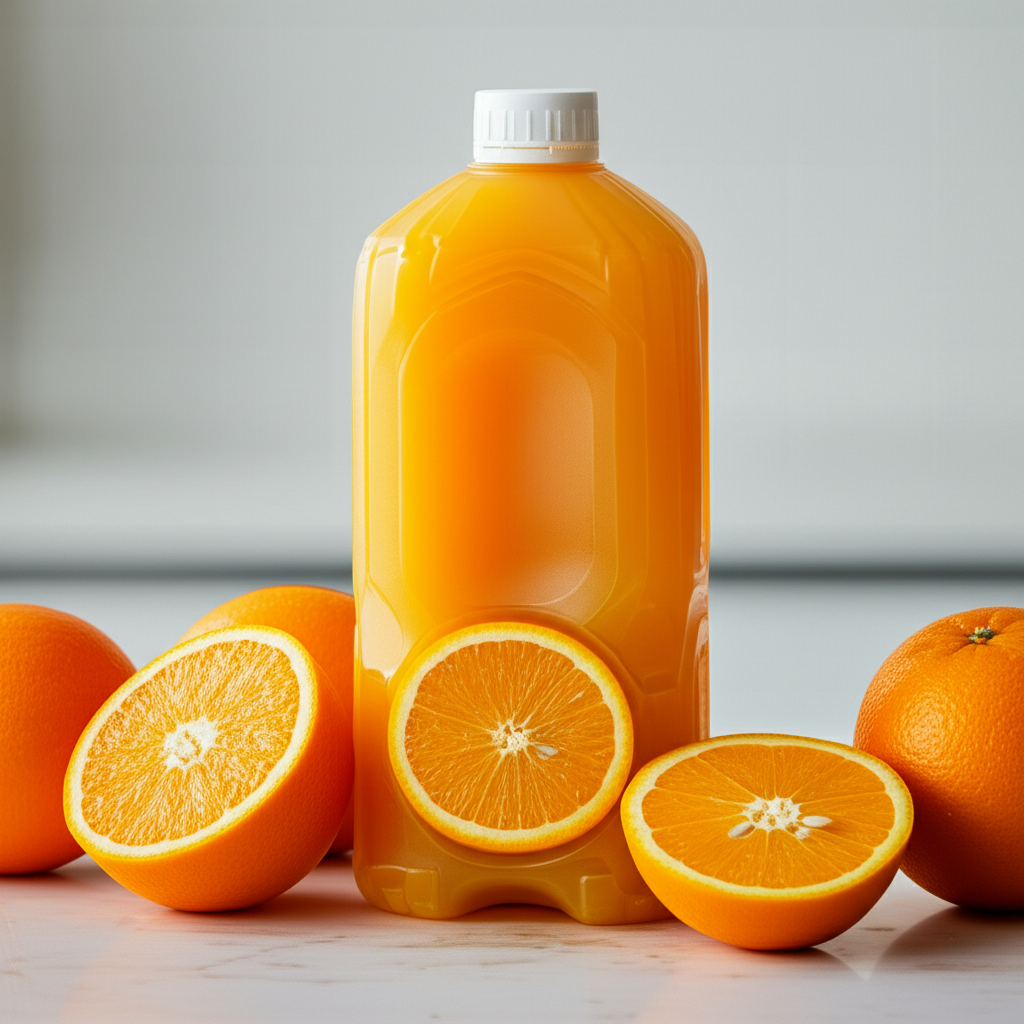
Expired OJ: Drink or Dump?
Generally, you can drink orange juice a few days past its “best by” date if properly refrigerated and showing no signs of spoilage. However, “expiration date” is a bit of a misnomer for most juices; “best by” dates indicate peak quality, not safety. Always check for spoilage signs before consuming.
Key Takeaways
- Assess orange juice by smell, sight, and taste.
- Refrigeration extends juice freshness significantly.
- “Best by” dates are about quality, not safety.
- Discard juice if mold, fizzing, or off-smells appear.
- Proper storage is key to juice longevity.
- When in doubt, it’s safer to dump expired OJ.
Expired OJ: Drink or Dump? Your Ultimate Guide
You reach for your favorite glass of orange juice, perhaps to start your day with a burst of vitamin C or to add a zesty kick to a recipe. But then you notice it – the date on the carton has passed. Suddenly, a common kitchen dilemma arises: Is this expired orange juice still safe to drink, or is it time to pour it down the drain? Many of us have wondered this, and it’s a simple question with a nuanced answer. Don’t worry, we’ll guide you through understanding those dates and making the safest choice for your well-being.
Understanding food dates can be confusing. “Expiration date,” “best by date,” “use by date” – they all sound serious. For orange juice, the distinction is crucial. Let’s break down what those dates really mean and how to tell if your OJ has gone from refreshing to regrettable.
Understanding Orange Juice Dates: What’s “Best By” Really Mean?

The date printed on your orange juice carton is usually not a strict “expiration date” in the way a perishable item like raw chicken has. Instead, it’s most often a “best by” date or a “sell by” date. These dates are indicators of peak quality, not necessarily safety.
“Best By” Dates: Quality Over Safety
A “best by” date, also known as “best if used by,” is recommended by the manufacturer for the best flavor and quality. After this date, the orange juice might start to lose some of its vitamin C content, its flavor might become less vibrant, or its color could change slightly. However, if the juice has been stored properly and shows no signs of spoilage, it’s generally still safe to consume for a period after this date.
“Sell By” Dates: For Retailers
A “sell by” date is primarily for the store to know how long to display the product for sale. You, as the consumer, typically have a reasonable amount of time after this date to use the product at home. It’s a guide for the retailer, not a hard stop for consumption.
“Use By” Dates: A Closer Look
Some products, especially those that are more perishable or processed differently, might have a “use by” date. This date is generally considered a bit more critical than “best by” and relates more closely to safety. However, for pasteurized orange juice, “use by” is still often about quality degradation rather than immediate spoilage.
How Long Can You Really Keep Orange Juice?
The shelf life of orange juice depends heavily on whether it’s been opened and how it’s been stored. Unopened, pasteurized orange juice has a much longer lifespan than opened juice.
Unopened Orange Juice Shelf Life
Unopened, commercially produced, pasteurized orange juice can often last for 7-10 days past its “best by” date if kept continuously refrigerated. The refrigeration is key to slowing down any potential microbial growth and degradation processes. Ultra-pasteurized (UHT) orange juice, which is heated to a higher temperature for a shorter time, can sometimes be shelf-stable unopened for months and will last about 7-10 days once opened and refrigerated.
Opened Orange Juice Shelf Life
Once you open a carton of orange juice, the clock starts ticking much faster. For most refrigerated, pasteurized orange juice, it’s best to consume it within 5-7 days of opening. Some sources might say up to 10 days, but the quality and taste will likely diminish significantly by then. Always keep the carton tightly sealed and in the coldest part of your refrigerator.
Signs Your Expired OJ Has Gone Bad
The most reliable way to determine if your orange juice is undrinkable is to use your senses. Spoilage isn’t always obvious, but there are tell-tale signs to look out for.
Visual Clues: What to Look For
- Mold Growth: This is the most obvious sign of spoilage. Look for fuzzy patches of white, green, black, or pink on the surface or inside the carton. Even a small amount of mold means the entire batch should be discarded.
- Cloudiness or Sediment: While some orange juices are naturally cloudy, a sudden change in clarity or a strange sediment settling at the bottom can indicate bacterial growth.
- Color Change: A significant dulling or browning of the juice can suggest oxidation and spoilage.
Olfactory Clues: Trust Your Nose
Off-Smell: Fresh orange juice has a bright, citrusy aroma. If your juice smells sour, vinegary, alcoholic, or just plain “off,” it’s a strong indicator that it has spoiled. Fermentation can occur, leading to these unpleasant odors.
Gustatory Clues: Taste Test (With Caution!)
If visual and olfactory checks don’t reveal obvious spoilage, you might consider a tiny sip. However, this should be your last resort, and only if you are confident it’s not overtly spoiled. If the taste is sour, fizzy, bitter, or just not right, spit it out immediately and discard the rest.
Other Indicators: Fizzing and Packaging
Fizzing or Bubbling: If you open the carton and notice it’s fizzy or bubbling, this is a sign of fermentation and should be discarded immediately. This is often due to bacteria or yeast activity.
Damaged Packaging: A carton that is bulging, leaking, or has a compromised seal should be treated with suspicion, even if the date hasn’t passed. This could indicate improper storage or contamination.
The Science Behind Orange Juice Spoilage
Orange juice, especially after being opened, is susceptible to spoilage from various microorganisms. Pasteurization kills most harmful bacteria, but it doesn’t sterilize the juice. Refrigeration slows down the growth of any remaining microbes.
Microbial Contamination
Common culprits for spoilage include yeasts, molds, and bacteria. Yeasts and molds can cause fermentation, leading to off-flavors and odors, while certain bacteria can produce toxins or cause spoilage that alters the juice’s appearance and smell. For instance, the spoilage of fruit juices by yeasts like Saccharomyces cerevisiae can lead to undesirable alcoholic and fruity off-flavors.
Oxidation
Exposure to air can also degrade the quality of orange juice over time. Vitamin C (ascorbic acid), a key nutrient in orange juice, is particularly sensitive to oxidation. This process can lead to a loss of nutritional value and a change in flavor and color.
Refrigeration: Your Orange Juice’s Best Friend
Proper storage is paramount to extending the life and maintaining the quality of your orange juice. The refrigerator is your primary tool here.
Optimal Storage Conditions
- Temperature: Keep your refrigerator set between 34°F and 40°F (1°C and 4°C). This temperature range is crucial for slowing down microbial growth.
- Placement: Store orange juice in the coldest part of your refrigerator, typically the back of a lower shelf, rather than the door where temperatures fluctuate more frequently.
- Sealing: Always ensure the carton or bottle is tightly sealed after each use. Air exposure accelerates spoilage and oxidation.
Freezing Orange Juice
While not ideal for drinking fresh, you can freeze orange juice to preserve it for longer. Pour it into freezer-safe containers, leaving some headspace for expansion. Frozen orange juice can last for up to 6-12 months. Thaw it in the refrigerator. The texture might change slightly after freezing and thawing, making it best suited for smoothies or cooking.
When in Doubt, Throw It Out
This is a golden rule in food safety. If you have any lingering doubts about the safety or quality of your expired orange juice after checking for signs of spoilage, it’s always best to err on the side of caution and discard it. Foodborne illnesses can be serious, and the cost of a carton of juice is not worth the risk.
Can You Use Expired OJ in Cooking or Baking?
If your orange juice is past its prime for drinking but doesn’t show obvious signs of spoilage like mold or a foul smell, you might be able to use it in cooking or baking. The heat from cooking can kill some lingering bacteria, and the nutritional degradation might not be as noticeable in a cooked dish.
Considerations for Cooking
- Flavor: If the flavor is slightly off, it might alter the taste of your final dish.
- Acidity: The acidity of the juice can still be useful in marinades or dressings.
- No Obvious Spoilage: Only consider this if there are no visual or olfactory signs of spoilage. If it smells sour or vinegary, it’s likely too far gone even for cooking.
For example, you could use slightly older orange juice in a marinade for chicken or pork, or incorporate it into a cake or muffin recipe where its flavor will be baked in.
Orange Juice Benefits: Why We Love It Fresh
Orange juice is a popular choice for good reason. It’s packed with nutrients that contribute to a healthy lifestyle. Understanding these benefits can help you appreciate why enjoying your OJ at its peak is so worthwhile.
Vitamin C Powerhouse
The most well-known benefit of orange juice is its high vitamin C content. Vitamin C is a powerful antioxidant that helps protect your cells from damage. It also plays a crucial role in supporting your immune system and is essential for skin health, aiding in collagen production. A single 8-ounce serving of 100% orange juice can provide more than the daily recommended intake of vitamin C.
Other Essential Nutrients
Beyond vitamin C, orange juice also contains other beneficial nutrients:
- Potassium: Important for maintaining healthy blood pressure levels.
- Folate (Vitamin B9): Crucial for cell growth and function.
- Flavonoids: These plant compounds act as antioxidants and may have anti-inflammatory properties.
Hydration and Energy
Orange juice contributes to your daily fluid intake and provides natural sugars for a quick energy boost. This makes it a refreshing beverage, especially after exercise or during a busy day.
Freshly Squeezed vs. Store-Bought OJ
There’s a delightful difference between the OJ you squeeze yourself and the carton from the grocery store. Both have their place, but their shelf lives and nutritional profiles can vary.
Store-Bought (Pasteurized) OJ
Most commercially available orange juice is pasteurized. This process heats the juice to kill harmful bacteria and extend its shelf life. While effective for safety and longevity, pasteurization can reduce the levels of some heat-sensitive nutrients, like vitamin C, and alter the flavor slightly.
Freshly Squeezed OJ
Juice squeezed at home from fresh oranges is typically unpasteurized. This means it retains more of its natural enzymes, vitamins, and a brighter, fresher flavor. However, because it hasn’t undergone pasteurization, it is highly perishable. Freshly squeezed orange juice should be consumed within 24-48 hours, even when refrigerated, as it’s more prone to bacterial growth and rapid degradation.
Pro Tip: Juice Your Own for Ultimate Freshness!
Want to bypass the expiration date dilemma and enjoy the freshest OJ possible? Invest in a good citrus juicer! Squeezing your own oranges not only guarantees peak flavor and nutrient content but also gives you complete control over what goes into your glass. It’s a simple way to elevate your morning routine and ensure you’re drinking the best quality juice.
Orange Juice in Recipes: Beyond the Glass
Orange juice is a versatile ingredient that can add a wonderful citrusy depth to a variety of dishes. From marinades to desserts, its bright flavor can transform ordinary meals into something special.
Savory Applications
The acidity and sweetness of orange juice make it an excellent base for marinades and glazes. It can tenderize meats and add a delightful tang to:
- Chicken or pork marinades
- Glazes for roasted meats
- Salad dressings
- Seafood dishes
Sweet Applications
In baking and desserts, orange juice can provide moisture and a burst of citrus flavor. Consider using it in:
- Cakes and muffins
- Fruit salads
- Sorbet and ice cream bases
- Sauces for pancakes or waffles
When using juice that’s past its “best by” date but still seems okay, it’s often best suited for recipes where the flavor will be cooked or blended with other ingredients.
Frequently Asked Questions About Expired Orange Juice
Q1: Can I drink orange juice 2 weeks after the “best by” date?
It depends on several factors. If it was unopened, continuously refrigerated, and shows no signs of spoilage (mold, off-smell, unusual taste), it might be okay for a few days past the date. However, two weeks is pushing it for optimal quality and safety. It’s safer to check for spoilage signs diligently or discard it.
Q2: What happens if I drink spoiled orange juice?
Drinking spoiled orange juice can lead to foodborne illnesses, causing symptoms like nausea, vomiting, diarrhea, and stomach cramps. The severity depends on the type and amount of contaminants present.
Q3: Does freezing orange juice affect its nutrients?
Freezing generally preserves most nutrients well. Some minor losses of heat-sensitive vitamins like vitamin C might occur during the initial processing or if the juice is repeatedly thawed and refrozen, but it remains a nutritious option.
Q4: Is it safe to drink orange juice that has been left out on the counter overnight?
No, it is generally not safe. Once opened, orange juice should be refrigerated. Leaving it at room temperature for an extended period allows bacteria to multiply rapidly, making it unsafe to consume.
Q5: What’s the difference between fresh-squeezed and store-bought orange juice in terms of shelf life?
Fresh-squeezed, unpasteurized orange juice is highly perishable and should be consumed within 1-2 days, even when refrigerated. Store-bought, pasteurized orange juice lasts much longer, typically 7-10 days past its “best by” date if unopened and refrigerated, and about 5-7 days once opened and refrigerated.
Q6: Can I tell if orange juice is bad just by looking at the carton?
Sometimes. A bulging carton can indicate gas production from fermentation, which is a sign of spoilage. However, the most reliable way to check for spoilage is by using your senses: sight, smell, and a cautious taste if necessary.
Conclusion: Making the Right Choice for Your OJ
Deciding whether to drink or dump expired orange juice boils down to a careful assessment of its quality and your personal comfort level with risk. Remember that “best by” dates are primarily about peak flavor and quality, not an immediate safety deadline. By paying attention to visual cues, trusting your sense of smell, and ensuring proper refrigeration, you can often enjoy your orange juice for a few days past its printed date.
However, always prioritize safety. If there are any signs of mold, off-smells, or unusual textures, it’s best to discard the juice. For the freshest, most nutrient-rich experience, consider making your own fresh-squeezed orange juice at home. And when in doubt, remember the golden rule: when in doubt, throw it out. Enjoy your vibrant, vitamin-C-packed orange juice!