
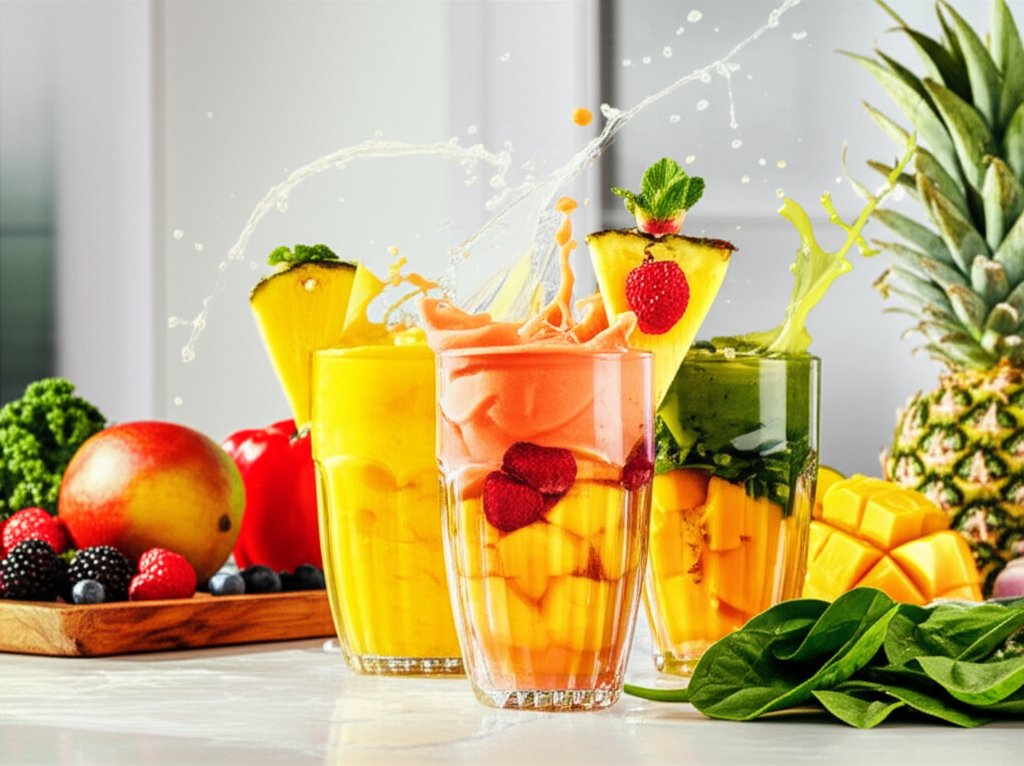
Yes, Tropical Smoothie Cafe does add sugar to many of its smoothies. While they use fruit as a base, added sugars are common in their formulations, impacting the overall health profile and sweetness.
Key Takeaways
- Understand hidden sugars in popular smoothies.
- Learn to identify added sugar sources at Tropical Smoothie Cafe.
- Discover strategies for healthier smoothie choices.
- Explore ways to reduce sugar in your own smoothie creations.
- Empower yourself with knowledge for better nutrition.
Does Tropical Smoothie Cafe Add Sugar? The Sweet Truth Revealed for Beginners
If you’re a beginner exploring the world of smoothies, you might wonder about the ingredients in your favorite cafe drinks. Tropical Smoothie Cafe is a popular spot, and many people enjoy their vibrant, fruity concoctions. But a common question arises: Does Tropical Smoothie Cafe add sugar? It’s a fair question, especially when you’re aiming for a healthier option. The truth can be a little surprising, and understanding it is key to making informed choices. Let’s dive into what goes into those delicious drinks and how you can navigate the menu like a pro.
Many beginners assume that smoothies made primarily with fruit are automatically sugar-free or low in added sugar. This isn’t always the case. Fruit itself contains natural sugars (fructose). However, many commercial smoothie businesses also add extra sweeteners to enhance flavor and appeal. This can include simple syrups, honey, agave, or other forms of processed sugar. Knowing this can help you make better decisions for your health and wellness goals. We’ll break down the specifics of Tropical Smoothie Cafe’s offerings and provide you with the clarity you need.
Decoding Tropical Smoothie Cafe’s Menu: What’s Really Inside?
When you walk into Tropical Smoothie Cafe, the colorful menu can be a bit overwhelming. Each smoothie promises a burst of tropical flavor and a refreshing escape. But beneath the fruity facade, there are ingredients that contribute to the sugar content. It’s important to remember that “natural” doesn’t always mean “low sugar.” Even fruits like bananas, dates, and mangoes, while packed with vitamins and fiber, are relatively high in natural sugars.
The primary concern for many health-conscious consumers isn’t the natural sugar from fruit, but the added sugars. These are sugars and syrups that are added to the smoothie during preparation, beyond what’s naturally present in the ingredients. For Tropical Smoothie Cafe, this often comes in the form of:
- Simple Syrups: These are mixtures of sugar and water, used to sweeten drinks.
- Sweetened Bases: Some pre-made bases or flavorings may already contain added sugars.
- Honey or Agave: While often perceived as healthier alternatives, these are still concentrated forms of sugar.
- Juice Concentrates: While not always pure sugar, some fruit juice concentrates can significantly increase the sugar load.
Understanding these components is the first step in making a healthier smoothie choice at any cafe. We’ll look at specific popular smoothies to illustrate this point.
Popular Tropical Smoothie Cafe Smoothies: A Closer Look at Sugar Content

Let’s examine a few of the most popular offerings at Tropical Smoothie Cafe and consider their potential sugar contributions. Keep in mind that exact sugar counts can vary slightly based on preparation and any customizations you make. However, this provides a good general overview.
The Classic Strawberry Banana
This is a staple for many. It typically includes strawberries, bananas, non-fat yogurt, and apple juice. While strawberries and bananas offer natural sweetness and nutrients, the apple juice often used is sweetened. Some versions might also include a sugar syrup to enhance sweetness. A medium-sized Strawberry Banana smoothie can easily contain around 30-40 grams of sugar, with a significant portion coming from added sources.
The Mango Magic
A fan favorite for its vibrant taste, Mango Magic usually features mangoes, pineapple, non-fat yogurt, and orange juice. Mangoes and pineapple are naturally sweet fruits. The addition of orange juice, which is often from concentrate and can be sweetened, contributes to the sugar total. Again, it’s not uncommon for this to have 30+ grams of sugar, depending on preparation.
The Paradise Point
This smoothie often includes a blend of pineapple, strawberries, banana, and coconut cream. While coconut cream adds healthy fats, it can also contribute to calories and sometimes contains added sugars. The combination of fruits and potentially sweetened coconut cream can result in a high sugar content, often in the range of 40-50 grams or more.
It’s crucial to remember that the Dietary Guidelines for Americans recommend limiting added sugars to less than 10% of daily calories. For a 2,000-calorie diet, this is about 50 grams of added sugar per day. A single smoothie from a cafe can sometimes come close to, or even exceed, this recommendation, especially when considering other foods and drinks consumed throughout the day.
How Tropical Smoothie Cafe Manages Sweetness: Ingredients and Options
Tropical Smoothie Cafe does offer some transparency regarding their ingredients, and they provide options for those looking to reduce sugar. The cafe aims to provide a balance between delicious taste and healthier alternatives, but it’s up to the consumer to seek out these options.
Understanding Their Sweeteners
While they don’t typically list every single added sweetener on every menu board, their standard recipes often incorporate fruit juices and sometimes simple syrups. When you order, you can often inquire about the specific ingredients used in your chosen smoothie. This is especially helpful if you have dietary restrictions or are closely monitoring your sugar intake.
Customization is Key: Reducing Sugar at the Cafe
The beauty of ordering at a place like Tropical Smoothie Cafe is the ability to customize. Here are some effective ways to reduce added sugar:
- Ask for No Added Sweeteners: This is the most direct way to cut down on sugar. Simply state, “Please make it without any added sugar or syrup.”
- Choose Water or Unsweetened Almond Milk as a Base: Instead of fruit juices or sweetened yogurts, opt for water or unsweetened plant-based milks. This significantly reduces the sugar.
- Be Mindful of Fruit Choices: While all fruits have sugar, some are naturally lower than others. Berries (strawberries, blueberries, raspberries) are generally lower in sugar and higher in fiber compared to tropical fruits like mangoes and pineapples.
- Opt for Plain Non-Fat Yogurt: If yogurt is part of your smoothie, ask for plain, unsweetened yogurt instead of flavored or sweetened varieties.
- Skip Sugary Toppings: Be cautious of any added toppings that might increase sugar, like granola with added sugar or sweetened drizzles.
By making these simple adjustments, you can transform a high-sugar treat into a genuinely healthy and refreshing drink.
The Nutritional Impact: Why Added Sugar Matters
It’s important for beginners to understand why excessive added sugar is a concern. While natural sugars from whole fruits come packaged with fiber, vitamins, and minerals that slow absorption, added sugars offer “empty calories” with little to no nutritional benefit. Consuming too much added sugar can lead to several health issues:
- Weight Gain: Sugar is calorie-dense, and excess intake can contribute to weight gain.
- Increased Risk of Type 2 Diabetes: High sugar consumption can lead to insulin resistance over time.
- Heart Disease: Studies have linked high sugar diets to increased risk factors for heart disease, such as high blood pressure and elevated triglycerides.
- Dental Problems: Sugar is a primary cause of tooth decay.
- Energy Crashes: Sugary drinks can cause a rapid spike in blood sugar followed by a sharp crash, leaving you feeling tired and sluggish.
This is why being aware of the sugar content in your smoothies is so important for your overall well-being. Making informed choices empowers you to enjoy delicious drinks without compromising your health goals.
DIY Smoothies: The Ultimate Control Over Sugar
For those who want complete control over their ingredients and sugar content, making smoothies at home is the best solution. It’s easier than you might think, and you can tailor every aspect to your taste and nutritional needs. Here’s a simple guide for beginners:
Essential Tools for Home Smoothies
You don’t need a professional-grade blender to start. A good quality personal blender or a standard countertop blender will do the trick. Here are some basics:
- Blender: The core tool. Personal blenders are great for single servings, while larger ones are good for families.
- Measuring Cups and Spoons: For consistent results.
- Knife and Cutting Board: For prepping fruits and vegetables.
- Storage Containers: For storing pre-prepped ingredients or leftover smoothies.
Beginner-Friendly Smoothie Formula
Follow this basic formula for creating delicious and healthy smoothies at home:
- Liquid Base (1/2 to 1 cup): Water, unsweetened almond milk, coconut water, or unsweetened dairy milk.
- Fruits (1 to 1.5 cups): Fresh or frozen. Berries, bananas, peaches, pineapple, mango. Using frozen fruit helps create a thicker, colder smoothie without ice.
- Vegetables (Optional, 1/2 cup to 1 cup): Spinach, kale, cucumber, zucchini. Spinach is a great beginner-friendly option as its flavor is easily masked by fruit.
- Healthy Fats/Protein (Optional, 1-2 tablespoons): Chia seeds, flax seeds, nut butter, avocado, Greek yogurt.
- Flavor Boosters (Optional): Cinnamon, vanilla extract, ginger, fresh mint.
Simple Citrus-Forward Recipe: Orange Sunshine Smoothie
This recipe is perfect for beginners and highlights the bright flavors of citrus.
Ingredients:
- 1 cup fresh orange juice (or 1 whole peeled orange for more fiber)
- 1/2 cup frozen mango chunks
- 1/4 cup plain non-fat Greek yogurt
- 1/2 teaspoon grated fresh ginger (optional, for a kick)
- Ice cubes (optional, if using fresh fruit)
Instructions:
- Add the orange juice and Greek yogurt to your blender.
- Add the frozen mango chunks and ginger (if using).
- If using fresh fruit instead of frozen, add a few ice cubes.
- Blend on high speed until smooth and creamy.
- Pour into a glass and enjoy immediately.
This smoothie is naturally sweetened by the fruit and offers a good dose of Vitamin C from the oranges. You can easily adjust the sweetness by adding more mango or a small amount of a natural sweetener like a date if needed, but typically the fruit is enough.
Navigating Nutrition Labels and Restaurant Information
Becoming a savvy smoothie consumer involves knowing where to find nutritional information. For chain restaurants like Tropical Smoothie Cafe, this information is often available online.
Where to Find Nutritional Information
Most reputable restaurant chains provide detailed nutritional information on their official websites. This is a valuable resource for:
- Checking Sugar Content: You can find the total sugar and often the “added sugar” content for each menu item.
- Identifying Allergens: Useful if you have food sensitivities.
- Understanding Calorie Counts: Helps with weight management.
- Viewing Ingredient Lists: See exactly what goes into each smoothie.
For Tropical Smoothie Cafe, their website typically has a dedicated “Nutrition” or “Menu” section where you can find this data. This allows you to compare different smoothies and make informed decisions before you even visit the store. For instance, you might find that a smoothie with more berries and less tropical fruit generally has a lower sugar profile.
Understanding “Added Sugars” vs. “Total Sugars”
It’s crucial to differentiate between “total sugars” and “added sugars.”
- Total Sugars: This includes sugars naturally present in fruits, dairy, and any other ingredients, as well as any sugars that were added during processing or preparation.
- Added Sugars: This category specifically refers to sugars and syrups added to foods or beverages during processing or preparation. This includes sugars like sucrose, high-fructose corn syrup, honey, agave nectar, maple syrup, and fruit juice concentrates when they are added to a product.
When reviewing nutritional information, pay close attention to the “added sugars” line. This is the figure that most health experts recommend limiting. A smoothie with a high “total sugar” count might be acceptable if most of that sugar comes from whole fruits and is accompanied by fiber and nutrients. However, a high “added sugar” count is generally a red flag.
Pro Tips for Smarter Smoothie Choices
To make the best choices at Tropical Smoothie Cafe and beyond, keep these tips in mind:
- Read the Menu Carefully: Look for descriptions that mention added sweeteners, juices, or syrups.
- Prioritize Whole Fruits and Veggies: Smoothies that emphasize these are usually better.
- Ask Questions: Don’t hesitate to ask the staff about ingredients and customization options.
- Consider Portion Size: Even a healthier smoothie can contribute a lot of sugar if it’s a very large serving.
- Balance Your Meal: If your smoothie is very high in sugar, try to balance it with lower-sugar, protein-rich foods for the rest of your day.
Frequently Asked Questions (FAQ)
Q1: Does Tropical Smoothie Cafe always add sugar to their smoothies?
Not always, but many popular smoothies are made with added sweeteners like simple syrup or sweetened fruit juices. It’s best to ask or check their nutritional information, as customization options allow for no added sugar.
Q2: What are the healthiest smoothie options at Tropical Smoothie Cafe?
Generally, smoothies with a base of water or unsweetened almond milk, and those focusing on berries or greens, tend to be healthier. Options like the “Green Smoothie” (if made with no added sugar) or smoothies with lighter fruit profiles can be good choices.
Q3: Can I ask Tropical Smoothie Cafe to make my smoothie without added sugar?
Yes! You can absolutely request that your smoothie be made without any added sweeteners or syrups. This is the most effective way to reduce added sugar content.
Q4: Are fruit juices in smoothies considered added sugar?
If the fruit juice is 100% pure juice with no added sweeteners, it’s primarily natural sugar from the fruit. However, many cafe juices are from concentrate and can have added sugars. It’s wise to opt for water or unsweetened milk as a base to be safe.
Q5: How can I make my own smoothies healthier at home?
Use water or unsweetened plant-based milk as your liquid base, incorporate leafy greens like spinach, choose lower-sugar fruits like berries, and add healthy fats and protein sources like chia seeds or Greek yogurt. Limit or avoid added sweeteners.
Q6: What is the difference between natural and added sugar in smoothies?
Natural sugar is found in whole fruits and dairy. Added sugar is anything sweetened into the smoothie during preparation, like syrups, honey, or sweetened juices. While both contribute to sugar intake, natural sugars come with beneficial fiber and nutrients.
Q7: Is it okay to have a smoothie with 40 grams of sugar?
For most adults, 40 grams of sugar in a single serving is on the higher side, especially if it includes significant “added sugar.” While it might be acceptable as an occasional treat, consistently consuming smoothies this high in sugar is not recommended for daily health.
Conclusion: Empowering Your Smoothie Choices
So, does Tropical Smoothie Cafe add sugar? The answer, for many of their popular drinks, is yes. However, this doesn’t mean you have to avoid them entirely. By understanding what goes into your smoothie, knowing how to ask for modifications, and exploring healthier options on the menu or at home, you can enjoy delicious and refreshing drinks without unnecessary added sugar. Armed with this knowledge, you’re now better equipped to make informed decisions that align with your wellness goals, whether you’re ordering out or whipping up your own creations in the kitchen.