
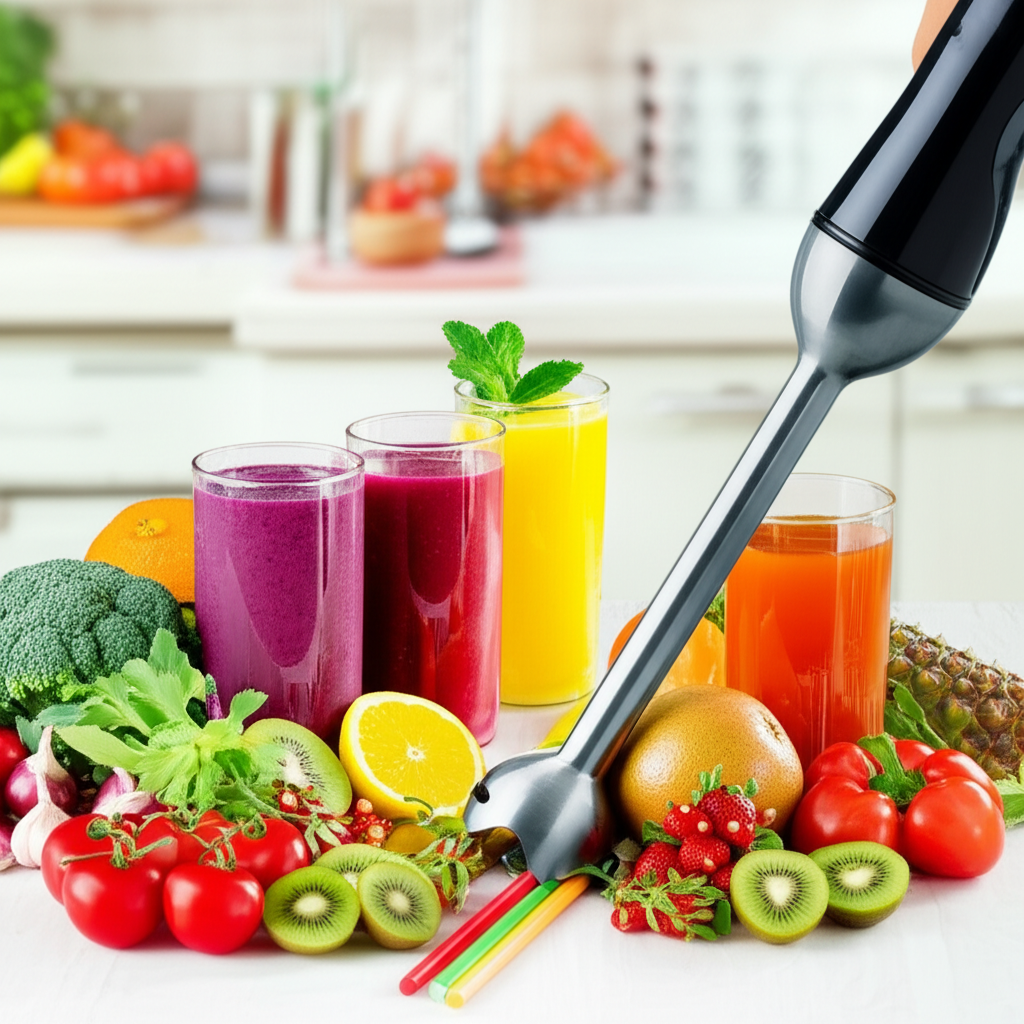
Yes, you absolutely can make a smoothie with an immersion blender! It’s a surprisingly effective and convenient tool for creating delicious, healthy smoothies, especially for single servings. This guide will show you how to get started.
Key Takeaways
- Blend fruits and liquids directly in a cup or jar.
- Achieve smooth results with patience and proper technique.
- Ideal for quick, single-serving smoothie preparation.
- Clean-up is often faster than with traditional blenders.
- Choose softer fruits for best immersion blender results.
- Experiment with different liquid-to-solid ratios.
Can You Make a Smoothie With An Immersion Blender?
You’ve got a craving for a fresh, vibrant smoothie, packed with your favorite fruits and maybe a boost of greens. But then you look at your kitchen gadgets. Do you really need a big, bulky blender for just one serving? What if you only have a stick blender, also known as an immersion blender, handy? The good news is, you absolutely can make a smoothie with an immersion blender! It’s a common question for beginners, and the answer is a resounding yes. Don’t let kitchen equipment confusion stop you from enjoying a healthy, homemade drink. This guide will walk you through everything you need to know to create delicious smoothies using your immersion blender, turning simple ingredients into a delightful treat. Let’s get blending!
Understanding Your Immersion Blender for Smoothies

An immersion blender, or stick blender, is a handheld kitchen appliance with a blade at the end of a shaft. It’s primarily designed for blending ingredients directly in a pot or container. Many people use them for soups, sauces, and purees. But can this handy tool handle the task of making a smoothie? The short answer is yes, and it comes with some unique advantages, especially for those new to smoothie making or who prefer quick, single-serving preparations. Unlike traditional blenders that require transferring ingredients to a pitcher, an immersion blender allows you to blend right in your serving glass or a tall jar. This convenience often means less washing up, a big win for any home cook.
How Immersion Blenders Work for Smoothies
The magic of an immersion blender for smoothies lies in its direct contact with the ingredients. You submerge the blade end into your mixture and activate the motor. The spinning blades create a vortex, drawing ingredients down towards them to be chopped and blended. For smoothies, this means you can place your fruits, liquids, and any add-ins directly into a tall, narrow container. The immersion blender then works its way through the ingredients, breaking them down into a smooth, drinkable consistency. The key is to keep the blender head submerged and to move it around to ensure all ingredients are incorporated.
What You’ll Need: Essential Tools and Ingredients
Making a smoothie with an immersion blender is straightforward. You don’t need much, which makes it an accessible option for beginners. Here’s a rundown of what will help you create your perfect smoothie:
Essential Equipment:
- Immersion Blender: The star of the show! Make sure it’s clean and in good working order.
- Tall, Narrow Container: This is crucial. A mason jar, a tall drinking glass, or a dedicated blending cup works best. This shape helps keep the ingredients contained and allows the blender to work efficiently. Avoid wide, shallow bowls, as ingredients can splash out.
- Measuring Cups and Spoons: For getting your liquid and ingredient ratios just right.
Basic Smoothie Ingredients:
- Liquid Base: This is essential for blending. Water, milk (dairy or non-dairy like almond, soy, or oat milk), coconut water, or even unsweetened juice. For orange-based smoothies, a splash of orange juice is a natural fit.
- Fruits: Fresh or frozen fruits are your smoothie’s foundation. Softer fruits like bananas, berries, mangoes, and peaches blend more easily. For harder fruits like apples or pears, you might need to cut them into smaller pieces.
- Optional Add-ins: This is where you can get creative! Think a handful of spinach or kale, a spoonful of yogurt, a sprinkle of chia seeds or flax seeds, a dash of honey or maple syrup for sweetness, or a scoop of protein powder.
For those who love citrus, starting with a base of fresh orange juice or adding segments of oranges can provide a wonderful zesty flavor and a good dose of Vitamin C. Remember, the quality of your ingredients will directly impact the taste and texture of your smoothie. Fresh, ripe fruits will always yield the best results.
Step-by-Step Guide to Making a Smoothie with an Immersion Blender
Ready to blend? Follow these simple steps to create your first smoothie using an immersion blender. It’s easier than you might think!
- Prepare Your Ingredients: Wash and chop any fruits or vegetables into manageable pieces, especially if using harder items. Frozen fruits are great for a thicker, colder smoothie.
- Add Liquid First: Pour your chosen liquid base into your tall, narrow container. Starting with the liquid helps the blades move freely and prevents ingredients from getting stuck at the bottom. Aim for about 1/2 to 1 cup of liquid, depending on how thick you like your smoothies.
- Add Softer Ingredients: Next, add softer fruits like bananas or berries. If you’re adding greens like spinach, layer them on top of the fruit.
- Add Harder Ingredients and Add-ins: If you’re using harder fruits, ice, or other add-ins like seeds or protein powder, add them last.
- Submerge the Blender: Insert the immersion blender’s blade into the container, ensuring it’s fully submerged in the liquid and ingredients. Tilt the container slightly if needed to make sure the blender head is covered.
- Blend in Stages: Start blending on a low speed (if your blender has speed settings) to avoid splashing. Move the blender up and down gently within the container. You want to create a vortex that pulls ingredients into the blades. Keep blending until the mixture is mostly smooth.
- Adjust Consistency: If the smoothie is too thick, add a little more liquid. If it’s too thin, add more frozen fruit or a few ice cubes. Blend again until you reach your desired consistency.
- Taste and Adjust: Give your smoothie a taste. Need a little more sweetness? Add a touch of honey or maple syrup. Want more tang? A squeeze of lemon or lime can do wonders. Blend briefly to incorporate.
- Serve Immediately: Pour your delicious, freshly made smoothie into a glass and enjoy!
This method is perfect for single servings and allows you to control the texture precisely. You’ll quickly get a feel for how much blending is needed for different ingredients.
Pros and Cons: Immersion Blender Smoothies
Like any kitchen tool, an immersion blender has its strengths and weaknesses when it comes to smoothie making. Understanding these can help you decide if it’s the right tool for your needs.
Advantages of Using an Immersion Blender:
- Convenience: Blend directly in your serving glass or jar, minimizing dishes.
- Portability: Easy to store and take with you.
- Ideal for Single Servings: Perfect for making one smoothie at a time.
- Cost-Effective: Often less expensive than full-sized blenders.
- Easy to Clean: Usually just requires rinsing the blade attachment.
- Less Noise: Generally quieter than traditional blenders.
Disadvantages of Using an Immersion Blender:
- Texture Limitations: May struggle with very fibrous ingredients or large amounts of ice, potentially resulting in a less smooth texture compared to high-powered blenders.
- Splashing Risk: Without a proper blending cup, there’s a higher chance of ingredients splashing out.
- Batch Size: Not ideal for making large quantities of smoothies.
- Requires More Effort: You often need to manually move the blender around to ensure thorough blending.
For beginners looking for a simple, quick way to make a single smoothie, the advantages often outweigh the disadvantages. If you’re aiming for ultra-smooth, perfectly emulsified concoctions or need to blend for a crowd, a traditional blender might be a better long-term investment. But for everyday convenience, an immersion blender is a fantastic starting point.
Tips for the Best Immersion Blender Smoothies
To elevate your immersion blender smoothie game, consider these practical tips. They’ll help you overcome potential challenges and achieve consistently delicious results.
Pro Tips:
- Use a Deep, Narrow Container: This is your best defense against splashes. A mason jar or a tall plastic beaker works wonders.
- Don’t Overfill: Leave enough space at the top of your container to allow for blending movement without overflow.
- Cut Ingredients Small: Especially harder fruits or vegetables. Smaller pieces are easier for the immersion blender to break down.
- Start with Liquids: Always pour your liquid base into the container first.
- Keep the Blade Submerged: Ensure the blender head is always covered by liquid to prevent air pockets and ensure smooth blending.
- Move It Around: Don’t just hold the blender in one spot. Move it up, down, and in circles to ensure all ingredients get blended.
- Be Patient: It might take a little longer than with a high-powered blender, but with a bit of patience, you’ll achieve a great texture.
- Consider Frozen vs. Fresh: Frozen fruits create thicker, colder smoothies but can be harder to blend. If using mostly frozen, add a bit more liquid and blend in shorter bursts.
- Add Ice Last (or Skip): If you want a very cold smoothie and aren’t using frozen fruit, add ice cubes towards the end of blending.
These simple strategies will help you get the most out of your immersion blender, ensuring every smoothie is a success.
Orange-Forward Smoothie Ideas for Your Immersion Blender
As a fan of orange-based recipes, I can tell you that oranges bring a wonderful brightness and natural sweetness to smoothies. They pair beautifully with many other fruits and vegetables. Here are a few ideas perfect for your immersion blender:
Sunrise Citrus Smoothie
- 1 cup orange juice (freshly squeezed is best!)
- 1/2 banana (fresh or frozen)
- 1/2 cup frozen mango chunks
- 1/4 cup plain yogurt
- Optional: A small piece of fresh ginger
Why it works: The orange juice provides the liquid base and a tangy, sweet flavor. Mango adds tropical sweetness and a creamy texture, while banana contributes smoothness and body. This is a wonderfully refreshing and nutrient-packed option.
Berry Orange Burst
- 1/2 cup unsweetened almond milk
- 1/2 cup orange segments (peeled, seeds removed)
- 1/2 cup mixed berries (frozen works great!)
- 1 tablespoon chia seeds
- Optional: A drizzle of honey if you prefer it sweeter
Why it works: The almond milk provides a neutral liquid base that lets the orange and berry flavors shine. Berries add antioxidants and vibrant color, while chia seeds offer fiber and omega-3s. This blend is rich in flavor and nutrients.
Green Orange Power Smoothie
- 1 cup water or coconut water
- 1/2 orange (peeled, seeds removed)
- 1 cup fresh spinach
- 1/2 frozen banana
- 1 tablespoon almond butter
Why it works: Don’t let the spinach scare you! The orange and banana are strong enough to mask its flavor, leaving you with a boost of vitamins and minerals. Coconut water adds electrolytes, and almond butter provides healthy fats and a creamy finish. This is a fantastic way to sneak in greens!
Remember to adjust the liquid amount based on how thick or thin you prefer your smoothies. These recipes are just starting points; feel free to experiment with other fruits like peaches, pineapple, or even a touch of carrot for an extra nutrient boost.
Troubleshooting Common Immersion Blender Smoothie Issues
Even with the best intentions, you might run into a few snags when making smoothies with an immersion blender. Here’s how to tackle them:
Issue: My smoothie is too chunky, not smooth enough.
Solution: This often happens if you haven’t blended long enough or if your ingredients are too large. Keep blending, moving the immersion blender up and down. If you have harder ingredients like apples or ice, try cutting them into smaller pieces or blending them with the liquid first for a minute before adding other ingredients.
Issue: The smoothie is splashing everywhere!
Solution: The most common culprit is using a container that’s too wide or not deep enough, or starting the blender at too high a speed. Make sure you’re using a tall, narrow container. Keep the blender head fully submerged in the liquid. Start on a lower speed setting if your blender has one, and gradually increase it. You can also cover the top of the container with your hand or a piece of plastic wrap, leaving a small opening for the blender shaft.
Issue: The blender is getting stuck or not blending evenly.
Solution: This usually means there isn’t enough liquid, or the ingredients are packed too tightly. Try adding a bit more of your liquid base. You might also need to gently stir the ingredients with a spoon or spatula to help them move towards the blender blades. Ensure the blender head is fully submerged.
Issue: My smoothie is too thin.
Solution: This is an easy fix! Add more frozen fruit, a few ice cubes, or a thickener like Greek yogurt, avocado, or a tablespoon of rolled oats. Blend again until you reach your desired consistency.
Issue: My smoothie is too thick.
Solution: Simply add more of your liquid base (water, milk, juice, etc.) a little at a time, blending after each addition, until you achieve your preferred texture.
Don’t get discouraged if your first attempt isn’t perfect. With a little practice and these troubleshooting tips, you’ll be making smooth, delicious smoothies with your immersion blender in no time.
Immersion Blender vs. Traditional Blender for Smoothies: A Comparison
When it comes to making smoothies, the choice between an immersion blender and a traditional blender often comes down to your lifestyle and needs. Both have their place in a healthy kitchen.
| Feature | Immersion Blender | Traditional Blender |
|---|---|---|
| Best For: | Single servings, quick blends, portability, convenience. | Larger batches, tougher ingredients (ice, fibrous greens), ultra-smooth textures, complex recipes. |
| Preparation Time: | Very quick for single servings. | Slightly longer due to transferring ingredients. |
| Cleaning: | Very easy; often just the blade attachment needs rinsing. | Can be more involved, especially with multiple parts. |
| Counter Space: | Minimal storage required. | Takes up significant counter or cabinet space. |
| Cost: | Generally more affordable. | Can range from affordable to very expensive for high-powered models. |
| Texture Control: | Good, but may not achieve the same ultra-fine consistency as high-powered blenders. | Excellent; high-powered models can create incredibly smooth textures. |
| Versatility: | Good for soups, sauces, purees, and small blending tasks. | Excellent for smoothies, soups, sauces, nut butters, grinding, and more. |
A high-quality traditional blender, like a Vitamix, offers unparalleled power and can handle virtually any ingredient. However, for someone just starting out, or who primarily makes one smoothie at a time, an immersion blender is a fantastic and accessible option. It’s a gateway to healthy, homemade drinks without the commitment of a large appliance.
Frequently Asked Questions About Immersion Blender Smoothies
Q1: Can I use ice cubes in my immersion blender smoothie?
A1: Yes, but with caution. It’s best to add ice cubes towards the end of blending and use them sparingly. If your immersion blender isn’t very powerful, too much ice can strain the motor or result in a chunky texture. Frozen fruit is often a better alternative for achieving a cold, thick smoothie.
Q2: What kind of container is best for immersion blending smoothies?
A2: A tall, narrow container is ideal. Think mason jars (pint or quart size), tall drinking glasses, or specialized blending cups that often come with immersion blenders. These shapes help contain the ingredients and prevent splashing.
Q3: How do I clean my immersion blender after making a smoothie?
A3: Most immersion blenders are very easy to clean. After unplugging the appliance, rinse the blade attachment under warm running water. Some models have detachable blades that can be washed in the dishwasher (check your manual). Wipe down the handle and cord with a damp cloth.
Q4: My immersion blender seems weak. What can I do?
A4: Ensure the blender head is fully submerged in liquid. If it’s not, it will struggle to blend. Also, try cutting your fruits and vegetables into smaller pieces. If your blender has speed settings, start on a lower speed and increase as needed. Older or less powerful models might require more patience and blending in stages.
Q5: Can I make a smoothie with leafy greens like kale using an immersion blender?
A5: Yes, but it might require more blending time and effort than softer fruits. For best results, add the greens after you’ve blended the liquid and softer fruits for a minute or two. Move the blender up and down vigorously to help break down the tough fibers. It may not achieve the same silky-smooth texture as a high-powered blender, but it will be drinkable and nutritious.
Q6: How much smoothie can I realistically make with an immersion blender?
A6: Immersion blenders are best suited for single servings, typically around 12-20 ounces (about 1.5 to 2.5 cups). Trying to blend much larger quantities in a tall, narrow container can lead to overflow and ineffective blending.
Conclusion
So, can you make a smoothie with an immersion blender? The answer is a resounding yes! It’s a perfectly viable, often more convenient, way to whip up a healthy and delicious drink, especially for one. By understanding the right tools, simple techniques, and a few helpful tips, you can confidently create your favorite smoothie recipes without needing a large, cumbersome blender. Whether you’re a beginner eager to start your smoothie journey or a seasoned home cook looking for a quick solution, your immersion blender is ready for the task. Embrace the simplicity, enjoy the fresh flavors, and savor the ease of cleanup. Happy blending!