
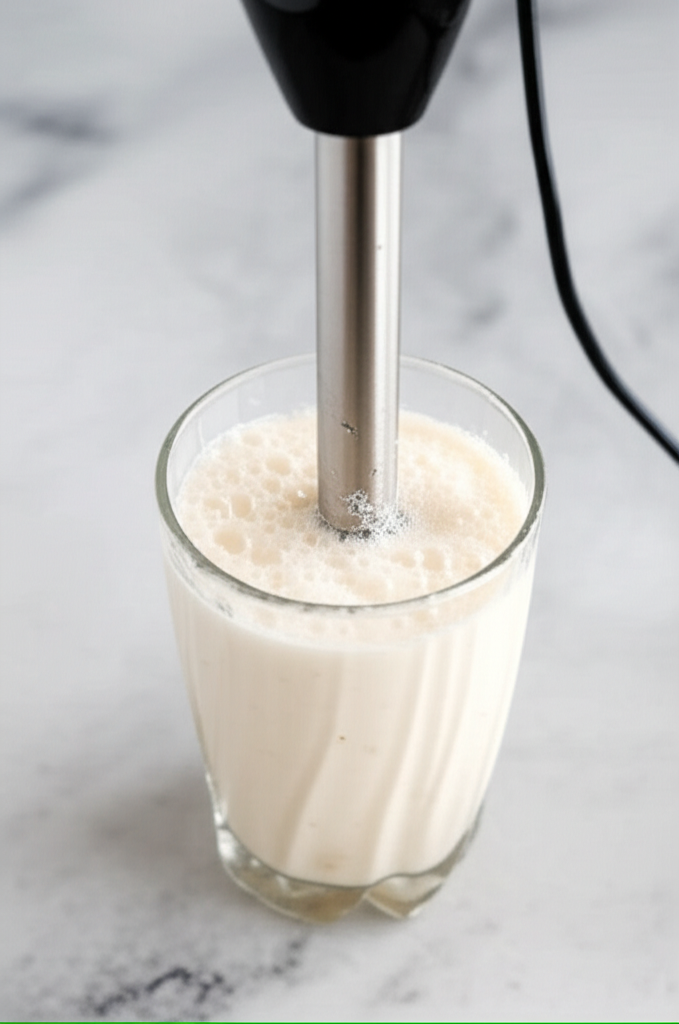
Yes, you absolutely can make a delicious milkshake with an immersion blender! It’s a surprisingly effective and convenient tool for creating creamy, smooth milkshakes, especially for single servings. This guide will show you how.
Key Takeaways
- Blend ingredients directly in your serving glass.
- Ensure a good seal to prevent splatters.
- Use chilled ingredients for best results.
- Clean the immersion blender immediately.
- Experiment with different flavors and textures.
Can You Make A Milkshake With An Immersion Blender: Essential Guide
Have you ever craved a creamy, dreamy milkshake but hesitated because you don’t have a bulky blender? Or perhaps you’re just looking for a quicker, easier way to whip up a single-serving treat. You might be wondering, “Can you make a milkshake with an immersion blender?” The answer is a resounding yes! This versatile kitchen gadget, often called a stick blender or hand blender, is more capable than you might think. It’s perfect for those moments when you want a delicious, homemade milkshake without the fuss of a traditional blender. We’ll walk you through everything you need to know, from essential ingredients to simple steps, making milkshake magic achievable for anyone.
Why an Immersion Blender is a Great Milkshake Tool

Traditional blenders are fantastic, but they often require a certain amount of liquid to operate effectively and can be a bit of a chore to clean. An immersion blender offers a fantastic alternative, especially for smaller batches. Its compact design means you can often blend ingredients right in your serving glass, minimizing dishes and mess. This makes it ideal for quick snacks or single-serving desserts. Plus, it’s a more energy-efficient option for small tasks.
Understanding Your Immersion Blender
Before we dive into recipes, let’s get acquainted with your immersion blender. Most models consist of a motor housing with a handle and a detachable blending wand. The wand has sharp blades at the end, designed to chop and liquefy ingredients when submerged. Some blenders come with additional attachments like whisks or chopping cups, but for milkshakes, we’ll primarily focus on the main blending wand.
Essential Milkshake Ingredients
The beauty of a milkshake lies in its simplicity and the endless possibilities for customization. Here are the core components you’ll need:
- Liquid Base: This is typically milk, but you can also use non-dairy alternatives like almond milk, oat milk, soy milk, or even coconut milk for a different flavor profile. For a richer milkshake, consider using half-and-half or heavy cream.
- Frozen Element: Ice cream is the classic choice for a thick, creamy milkshake. Opt for your favorite flavor! For a healthier twist, you can use frozen fruit like bananas, berries, or mangoes, especially if you’re aiming for a dairy-free or vegan option.
- Flavorings: This is where you get creative! Common additions include syrups (chocolate, caramel, strawberry), fruit purees, cocoa powder, instant coffee, extracts (vanilla, almond), or even a spoonful of peanut butter.
- Sweetener (Optional): Depending on the sweetness of your ice cream or fruit, you might want to add a touch of sugar, honey, maple syrup, or a few dates.
Step-by-Step: Making a Milkshake with an Immersion Blender
Making a milkshake with an immersion blender is straightforward. Follow these steps for a perfect blend every time:
Step 1: Choose Your Vessel
Select a tall, sturdy glass or a beaker that’s deep enough to contain the ingredients and allow the immersion blender head to be fully submerged. This is crucial to prevent splattering. A wide-mouth mason jar can also work well.
Step 2: Add Your Ingredients
Start by adding your liquid base to the glass. Then, add your frozen element (ice cream or frozen fruit) and any flavorings or sweeteners. For best results, it’s often helpful to break up larger chunks of ice cream or fruit slightly before blending.
Step 3: Submerge and Blend
Insert the immersion blender wand into the glass, ensuring the blades are fully covered by the liquid and frozen ingredients. Tilt the blender slightly so it’s angled towards the ingredients. Start blending on a low speed if your blender has multiple settings. Move the blender up and down gently, and around the sides of the glass, to incorporate all ingredients. Be patient; it might take a minute or two to achieve your desired consistency.
Step 4: Check Consistency and Adjust
Once you’ve blended for a bit, lift the blender to check the consistency. If it’s too thick, add a splash more liquid. If it’s too thin, add a bit more ice cream or frozen fruit. Blend again until smooth.
Step 5: Serve and Enjoy
Pour your freshly blended milkshake into another glass if you blended in a beaker, or enjoy it straight from the one you used. Add any desired toppings like whipped cream, sprinkles, or a cherry.
Pro Tip: For an ultra-thick milkshake, use very cold ingredients and minimize the amount of liquid you add. Frozen bananas are excellent for creating a thick, creamy base without ice cream.
Troubleshooting Common Immersion Blender Milkshake Issues
Even with a simple process, a few common hiccups can occur. Here’s how to handle them:
- Splattering: This is the most common issue. Ensure the blender head is fully submerged before turning it on. Keep the blender tilted and move it slowly. If it persists, you might need a taller, narrower container.
- Not Blending Smoothly: If you have large chunks of ice cream or fruit, they might resist blending. Try breaking them up with a spoon before starting. Ensure you have enough liquid to help the blades move freely.
- Over-Blending: Be careful not to blend for too long, especially with ice cream, as it can melt and make your milkshake too thin and warm.
- Motor Overheating: Immersion blenders are designed for short bursts of blending. If you’re trying to blend a very large or tough mixture, give the motor a break to prevent it from overheating.
Beyond the Basics: Creative Milkshake Flavors
Once you’ve mastered the classic vanilla or chocolate, the world of milkshake flavors opens up. Here are a few ideas to inspire your creativity:
Citrus Zest Milkshakes
For a refreshing twist, incorporate citrus. A hint of orange zest can brighten up a chocolate milkshake, or a squeeze of lime can add a tangy counterpoint to a berry-based shake. For a truly vibrant flavor, try adding a tablespoon or two of fresh orange juice to a vanilla or strawberry base. Remember, the natural sugars and acidity in citrus can balance the richness of dairy and create a more complex flavor profile.
Fruity Delights
- Strawberry Banana: Combine vanilla ice cream, frozen strawberries, and a frozen banana chunk.
- Mango Tango: Use vanilla or coconut ice cream with frozen mango chunks and a splash of coconut milk.
- Mixed Berry Blast: Vanilla ice cream with a mix of frozen blueberries, raspberries, and blackberries.
Decadent Creations
- Cookies and Cream: Blend vanilla ice cream with crushed Oreo cookies.
- Peanut Butter Cup: Chocolate ice cream, peanut butter, and a chopped-up peanut butter cup.
- Coffee Kick: Vanilla ice cream, a shot of cold espresso or a tablespoon of instant coffee granules, and a drizzle of caramel sauce.
Healthier Milkshake Alternatives
Looking for a lighter option? You can still enjoy a creamy, satisfying shake using healthier ingredients:
- Banana “Nice” Cream: Blend frozen banana chunks with a splash of almond milk and a dash of cinnamon.
- Avocado Creaminess: For an incredibly smooth and rich texture without dairy, blend half an avocado with frozen fruit, a liquid base, and a sweetener of choice. The avocado flavor is surprisingly mild and pairs well with berries or chocolate.
- Greek Yogurt Base: Substitute some or all of the ice cream with plain Greek yogurt for added protein and a tangy flavor.
Immersion Blender vs. Traditional Blender for Milkshakes
When deciding which appliance to use, consider these points:
| Feature | Immersion Blender | Traditional Blender |
|---|---|---|
| Batch Size | Ideal for single servings or small batches. | Best for larger quantities. |
| Convenience | Can blend directly in a glass; fewer dishes. | Requires transferring ingredients to the pitcher. |
| Cleaning | Quick rinse of the wand is usually sufficient. | Pitcher, lid, and blades require thorough washing. |
| Texture | Can achieve smooth results, but may require more effort for very thick mixtures. | Typically achieves ultra-smooth textures more easily, especially with ice. |
| Storage | Compact and easy to store. | Takes up more counter or cupboard space. |
| Versatility | Great for soups, sauces, and small blending tasks. | Excellent for smoothies, purees, batters, and crushing ice. |
For a quick, single-serving milkshake, the immersion blender often wins in terms of ease and cleanup. For larger gatherings or when you want a perfectly smooth, ice-crushed consistency, a traditional blender might be the better choice.
Maintaining Your Immersion Blender
To ensure your immersion blender serves you well for years to come, proper maintenance is key:
- Immediate Cleaning: After each use, detach the blending wand and rinse it thoroughly under warm running water. You can also dip the blades into a glass of warm soapy water and run the blender for a few seconds to dislodge food particles.
- Avoid Submerging the Motor: Never immerse the motor housing in water. Wipe it clean with a damp cloth.
- Proper Storage: Ensure the blender is completely dry before storing it. Store it in a dry place, away from heat and moisture.
- Check Blades: Periodically inspect the blades for any signs of damage or dullness.
For detailed care instructions specific to your model, always refer to the manufacturer’s manual. You can often find helpful resources and guides on appliance maintenance from reputable sources like the Consumer Reports website, which offers unbiased reviews and maintenance tips for kitchen tools.
Frequently Asked Questions About Immersion Blender Milkshakes
Q1: Can I use fresh fruit instead of frozen fruit or ice cream?
A1: Yes, you can, but your milkshake will be much thinner and less creamy. For a thicker consistency with fresh fruit, you might want to add some ice cubes or a thickening agent like Greek yogurt or a tablespoon of chia seeds. However, the best results for a traditional milkshake texture come from using frozen ingredients.
Q2: How much liquid should I add?
A2: Start with about 1/2 cup of liquid for a single serving. You can always add more if the mixture is too thick. The exact amount will depend on how much ice cream or frozen fruit you use and your desired consistency.
Q3: What if my immersion blender isn’t powerful enough?
A3: If your blender struggles, try breaking down the ice cream or frozen fruit into smaller pieces before blending. You may also need to blend in shorter bursts and move the blender around more to help the blades catch all the ingredients. Some higher-powered immersion blenders are better suited for tougher tasks.
Q4: Can I add ice cubes to my milkshake with an immersion blender?
A4: While possible, it’s not ideal. Immersion blenders are not designed to crush ice effectively like traditional blenders. Adding ice can result in an unevenly blended, chunky texture and may strain the motor. It’s better to use frozen ice cream or frozen fruit for a cold, thick milkshake.
Q5: How do I clean my immersion blender after making a milkshake?
A5: Detach the blending wand immediately after use. Rinse it under warm water. For tougher residue, fill a glass with warm water and a drop of dish soap, submerge the wand, and run the blender for about 10-15 seconds. Then rinse again. Wipe the motor unit with a damp cloth.
Q6: Can I make vegan milkshakes with an immersion blender?
A6: Absolutely! Use non-dairy ice cream (like coconut, almond, or soy-based) or frozen bananas as your base. Opt for plant-based milk like almond, oat, or soy milk. Add your favorite vegan flavorings like cocoa powder, fruit purees, or nut butters. The blending process remains the same.
Conclusion
So, can you make a milkshake with an immersion blender? The answer is a confident yes! It’s a remarkably convenient and effective way to whip up single-serving milkshakes without the hassle of a large appliance. By understanding your tool, using the right ingredients, and following a few simple steps, you can create delicious, creamy, and satisfying milkshakes right in your own kitchen. Don’t be afraid to experiment with flavors and ingredients to discover your perfect blend. Happy blending!