
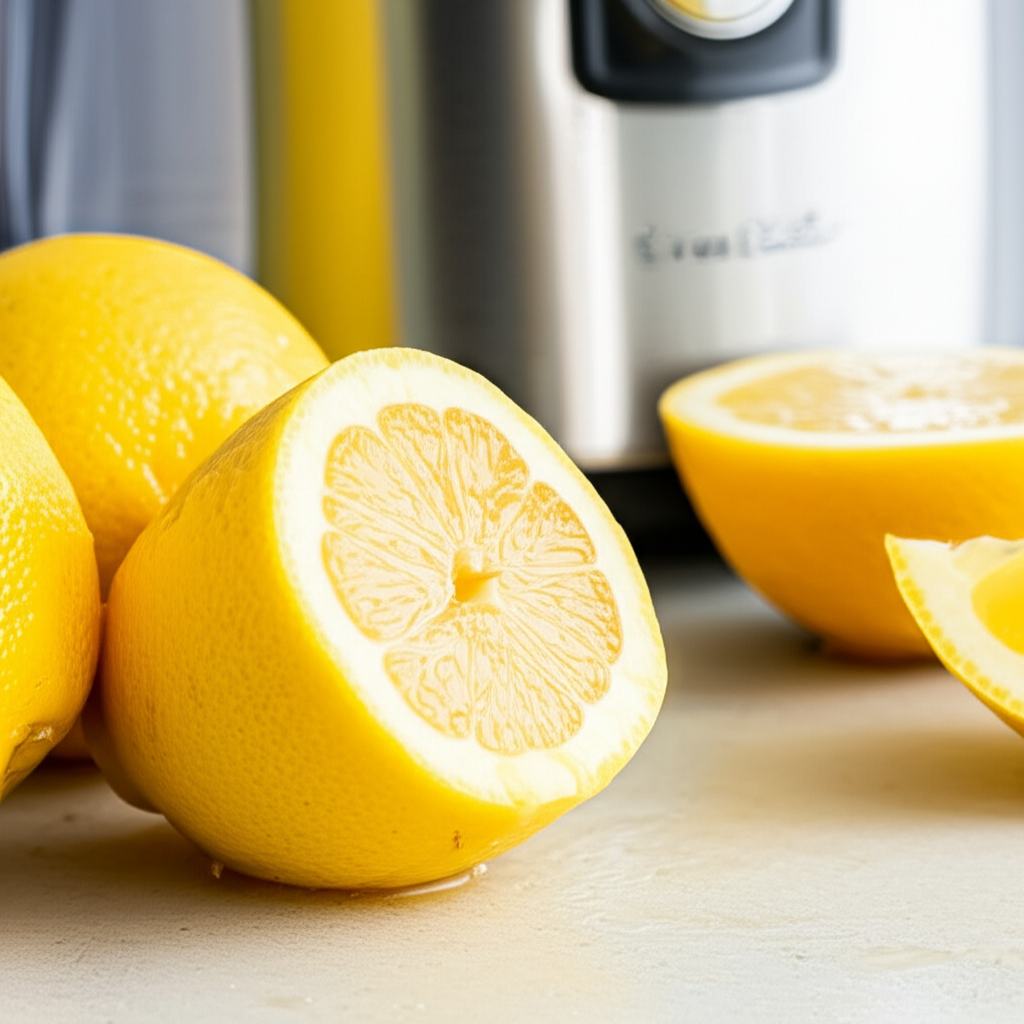
Yes, you absolutely can juice lemons in a juicer! While some juicers are better suited than others, most home juicers can handle lemons, extracting their bright, zesty juice efficiently. Discover the best methods and tips to maximize your lemon juicing experience.
Key Takeaways

- Unlock fresh lemon juice with your juicer.
- Choose the right juicer for best results.
- Prepare lemons properly for optimal extraction.
- Understand juicer limitations and alternatives.
- Enjoy vibrant lemon flavor in recipes.
- Boost your recipes with pure citrus goodness.
Can You Juice Lemons in a Juicer? The Shocking Truth!
Have you ever stood in your kitchen, a bowl of bright yellow lemons in hand, and wondered if your trusty juicer could handle them? It’s a common question, especially for beginners diving into the world of fresh juice. You might have heard conflicting advice, leaving you unsure if it’s a good idea or a recipe for a broken appliance. But what’s the real story? Can you juice lemons in a juicer, and if so, how do you do it effectively? This guide will demystify the process, offering clear, step-by-step advice so you can confidently extract every drop of that tangy goodness for your drinks and recipes.
Why the Confusion About Juicing Lemons?
The confusion often stems from the nature of lemons themselves. Unlike softer fruits like oranges or berries, lemons have a tough rind and a high acidity. This can lead some to believe they might damage certain types of juicers, particularly those with delicate blades or screens. There’s also the matter of yield – you want to make sure you’re getting a good amount of juice for your effort. Different juicer types also have varying efficiencies when it comes to citrus.
But fear not! With the right knowledge and a few simple techniques, juicing lemons is not only possible but incredibly rewarding. We’ll explore the best juicers for the job, how to prepare your lemons, and what to expect. Get ready to unlock the vibrant flavor of fresh lemon juice right in your own kitchen.
Understanding Different Juicer Types for Lemons
Not all juicers are created equal, and when it comes to juicing lemons, some will perform better than others. Understanding the differences can help you choose the best approach for your specific appliance.
Centrifugal Juicers
These are the most common type of juicers found in many homes. They work by spinning a flat cutting disk at high speed, shredding the fruit and flinging the juice out through a mesh filter using centrifugal force.
- Pros for Lemons: Fast and efficient for many fruits. Can handle smaller citrus pieces.
- Cons for Lemons: The high speed and friction can sometimes generate a bit of heat, potentially affecting nutrient content slightly. The pulp can sometimes clog the finer mesh if not cleaned immediately. Rind can be tough for some models.
- Verdict: Generally, yes, you can juice lemons in a centrifugal juicer. You might need to cut them into smaller pieces and ensure the juicer is designed to handle citrus.
Masticating (or Slow) Juicers
Masticating juicers, also known as slow juicers, work by crushing and pressing the fruit to extract juice. They operate at much lower speeds, which helps to preserve more nutrients and enzymes. They often have an auger that grinds and presses the produce.
- Pros for Lemons: Excellent for citrus. They are very efficient, yielding more juice and less pulp. The slower speed generates less heat, preserving nutrients.
- Cons for Lemons: Typically slower than centrifugal juicers. Can be more expensive.
- Verdict: A fantastic choice for juicing lemons. They handle the rind well and provide a high juice yield.
Citrus Juicers (Electric and Manual)
These are specifically designed for citrus fruits. Electric citrus juicers usually have a reamer that spins when you press the cut half of the fruit onto it. Manual ones require you to do the pressing and turning yourself.
- Pros for Lemons: Designed for citrus, so they are very effective. Easy to use and clean. Minimal pulp in the juice.
- Cons for Lemons: Only work for citrus fruits. Electric models are limited in capacity.
- Verdict: The ideal tool if you only plan to juice citrus fruits like lemons, limes, and oranges.
Twin Gear (Triturating) Juicers
These are high-end juicers that use two rotating gears to chew, crush, and press produce. They are known for their efficiency and ability to juice a wide variety of ingredients, including fibrous vegetables and wheatgrass.
- Pros for Lemons: Extremely efficient, high juice yield. Can handle tough rinds. Preserves nutrients well.
- Cons for Lemons: Very expensive. Slower process.
- Verdict: More than capable of juicing lemons, but likely overkill for just this purpose unless you have other juicing needs.
Can You Juice the Whole Lemon?
This is a crucial question. While some juicers can handle whole fruits, it’s generally recommended to prepare your lemons before juicing, especially if you’re using a centrifugal or masticating juicer.
- The Rind: Lemon rinds are tough and contain oils that can be bitter and overwhelming. Juicing the whole lemon, rind and all, can result in a very strong, sometimes unpleasant flavor. The pith (the white part of the rind) can also add bitterness.
- Juicer Strain: For some juicers, especially those with finer mesh screens, the tough rind can put extra strain on the motor or clog the screen more quickly.
- Best Practice: For most juicers, it’s best to peel the lemon and remove the seeds. You can leave a small amount of pith if you don’t mind a slightly more intense flavor, but for a smoother, less bitter juice, remove most of the white pith.
Step-by-Step Guide: How to Juice Lemons in Your Juicer
Ready to get started? Follow these simple steps for successful lemon juicing:
Step 1: Select Your Lemons
Choose ripe, firm lemons that feel heavy for their size. This indicates they are full of juice. Meyer lemons are a popular choice for their sweeter, less acidic taste and thinner skin, making them easier to juice.
Step 2: Prepare Your Lemons
This is where you tailor the process to your juicer and taste preferences.
- Wash Thoroughly: Rinse the lemons under cool running water to remove any dirt or pesticide residue.
- Remove the Ends: Slice off about a quarter-inch from both the stem and blossom ends of each lemon.
- Peel (Recommended): For most juicers, it’s best to peel the lemons. You can use a sharp knife or a vegetable peeler. Try to remove as much of the white pith as possible, as it can add bitterness.
- Remove Seeds: While some juicers might handle seeds, they can sometimes get stuck or create pulp that’s harder to filter. Cut the lemon in half and pick out any visible seeds.
- Cut into Juicer-Friendly Pieces: Depending on the chute size of your juicer, cut the peeled and deseeded lemon into halves, quarters, or smaller chunks.
Step 3: Operate Your Juicer
Refer to your juicer’s manual for specific instructions, but generally:
- Assemble Your Juicer: Ensure all parts are clean and properly assembled.
- Turn On the Juicer: Start the juicer before feeding in the lemon pieces.
- Feed the Lemons: Place the prepared lemon pieces into the juicer chute, using the pusher if necessary.
- Collect the Juice: Place a container under the juice spout to catch the fresh lemon juice.
- Process Other Ingredients (Optional): If you’re making a mixed juice, you can alternate lemon pieces with other fruits or vegetables.
Step 4: Clean Your Juicer Immediately
Lemon juice is acidic and can be corrosive if left to sit on your juicer parts. Cleaning right after use will make the process much easier and prolong the life of your appliance.
What to Expect: Juice Yield and Flavor
The amount of juice you get will depend on the size and juiciness of your lemons, as well as the efficiency of your juicer. A medium-sized lemon typically yields about 2-3 tablespoons of juice.
When you juice lemons, you’ll notice the juice is intensely tart and aromatic. If you’ve peeled them properly and removed the seeds, the flavor should be bright and zesty, without excessive bitterness. If the juice tastes bitter, it’s likely due to too much pith or rind being included.
Alternatives if Your Juicer Isn’t Ideal for Lemons
If you have a juicer that you suspect might not handle lemons well, or if you don’t have a juicer at all, don’t worry! There are other effective ways to get fresh lemon juice:
1. Manual Citrus Juicer
These are inexpensive and highly effective for citrus. You simply cut the lemon in half, place it on the reamer, and twist. They are easy to use and clean.
2. Electric Citrus Juicer
Similar to manual ones but with a motor to do the spinning. They are faster and require less effort, making them great for larger quantities.
3. Hand Squeezing with a Strainer
The most basic method! Cut the lemon in half and squeeze it firmly over a bowl. Use a fine-mesh sieve to catch any seeds or large pulp pieces. This method is simple, requires no special equipment beyond a knife and bowl, and gives you good control over pulp and seeds.
Pro Tip: For maximum juice extraction when hand-squeezing or using a manual juicer, roll the lemon firmly on the countertop before cutting it in half. This helps break down the membranes inside, releasing more juice.
Nutritional Benefits of Fresh Lemon Juice
Beyond its delicious flavor, fresh lemon juice is packed with health benefits. Adding it to your diet is a simple way to boost your well-being.
- Vitamin C Powerhouse: Lemons are an excellent source of Vitamin C, a powerful antioxidant that supports the immune system, promotes healthy skin, and aids in iron absorption. A typical lemon can provide a significant portion of your daily recommended intake.
- Hydration Aid: Adding lemon juice to water can make it more appealing, encouraging you to drink more throughout the day. Proper hydration is crucial for overall health, supporting everything from digestion to energy levels.
- Digestive Support: Some people find that warm lemon water in the morning can stimulate digestion and help with detoxification. The acidity can mimic digestive acids, aiding in breaking down food.
- Antioxidants: Besides Vitamin C, lemons contain flavonoids, which are plant compounds with antioxidant and anti-inflammatory properties. These compounds help protect your cells from damage.
According to the USDA FoodData Central, one medium lemon (about 58 grams) contains approximately 3.1 grams of carbohydrates, 1.6 grams of dietary fiber, and a small amount of protein, with negligible fat and sugar. Its primary nutritional contribution is Vitamin C.
Delicious Ways to Use Your Freshly Juiced Lemons
Once you’ve mastered juicing lemons, the culinary possibilities are endless! Here are a few ideas to get you started:
In Beverages:
- Lemon Water: The classic! Simply add a squeeze of fresh lemon juice to a glass of water.
- Lemonade: Mix lemon juice with water, a natural sweetener (like honey or maple syrup), and ice for a refreshing drink.
- Smoothies: A small amount of lemon juice can add a bright, zesty kick to fruit and vegetable smoothies, balancing sweetness and adding complexity.
- Cocktails and Mocktails: Fresh lemon juice is a staple in many mixed drinks, adding essential acidity and brightness.
In Cooking and Baking:
- Dressings and Marinades: Lemon juice is a fantastic base for salad dressings and marinades for fish, chicken, or vegetables.
- Sauces: It can cut through richness and add a vibrant finish to many savory sauces.
- Baking: From lemon bars to cakes and cookies, fresh lemon juice is key to that unmistakable citrus flavor.
- Preserving: Lemon juice can be used to prevent browning in cut fruits like apples and avocados.
For Cleaning and Wellness:
- Natural Cleaner: The acidity makes lemon juice a great natural disinfectant and degreaser.
- Skin Toner: Diluted lemon juice can be used as a natural astringent for skin (use with caution and always patch test).
Juicer Maintenance for Lemon Juicing
To ensure your juicer continues to perform well, especially when juicing acidic fruits like lemons, proper maintenance is key.
Regular Cleaning is Essential
As mentioned, clean your juicer immediately after each use. Most juicers can be disassembled into several parts that can be rinsed under running water. Use a soft brush to scrub away any pulp or residue from the mesh screen and other components.
Deep Cleaning
Periodically, you’ll want to give your juicer a more thorough cleaning. This might involve soaking parts in warm, soapy water. For stubborn pulp or discoloration, a paste of baking soda and water can be effective. Always rinse thoroughly and ensure all parts are completely dry before reassembling or storing.
Check for Wear and Tear
Inspect the seals, screens, and augers for any signs of damage or excessive wear. If parts are damaged, contact the manufacturer for replacements to ensure optimal performance and safety.
Comparing Lemon Juicing Methods
To help you visualize the differences, here’s a comparison of common methods for extracting lemon juice:
| Method | Effort Level | Juice Yield | Pulp Control | Ease of Cleaning | Best For |
|---|---|---|---|---|---|
| Centrifugal Juicer (with prep) | Medium | Good | Medium (filter dependent) | Medium (requires disassembly) | Multipurpose juicing, moderate lemon needs |
| Masticating Juicer (with prep) | Medium | Excellent | Low (often finer pulp) | Medium (requires disassembly) | High-quality juice, frequent juicing |
| Electric Citrus Juicer | Low | Good | Low (usually designed for minimal pulp) | Easy (fewer parts) | Regular citrus juicing, convenience |
| Manual Citrus Juicer | Medium | Good | Low (depends on design) | Very Easy | Occasional citrus juicing, budget-friendly |
| Hand Squeezing + Strainer | High | Moderate | High (manual control) | Very Easy | Small amounts, no special equipment |
Frequently Asked Questions (FAQ)
Q1: Can I juice the peel of the lemon in my juicer?
It’s generally not recommended to juice the entire lemon peel, especially in centrifugal juicers. The rind is tough, can be bitter, and may contain oils that overwhelm the flavor. For masticating or twin gear juicers, it’s more feasible, but still results in a stronger, more bitter taste. Peeling and removing most of the pith is usually best.
Q2: Will juicing lemons damage my juicer?
For most modern, well-built juicers designed for fruits and vegetables, juicing lemons (properly prepared) should not cause damage. However, if you have a very old, basic, or specifically non-citrus juicer, there’s a small risk. Always check your juicer’s manual. Overloading or forcing tough rinds can strain the motor.
Q3: How much lemon juice can I expect from one lemon?
A medium-sized lemon typically yields about 2 to 3 tablespoons (30-45 ml) of juice. This can vary depending on the lemon’s size, variety, and juiciness.
Q4: What’s the best way to remove seeds before juicing?
The easiest way is to cut the lemon in half after peeling and visually pick out any seeds with your fingers or the tip of a small knife before feeding it into the juicer. Some juicers have built-in seed strainers, but manual removal is often more thorough.
Q5: Is juicing lemons a good way to get Vitamin C?
Yes, absolutely! Fresh lemon juice is an excellent source of Vitamin C, an essential nutrient for immune support and skin health. Juicing provides a concentrated dose of this beneficial vitamin.
Q6: Can I juice limes in the same way as lemons?
Yes, you can juice limes in your juicer following the same preparation steps. Limes are even more acidic and tart than lemons, so you might want to use them in smaller quantities or balance their flavor with sweeter ingredients.
Q7: My juicer made a strange noise when juicing lemons. What should I do?
If your juicer made an unusual noise, stop it immediately and check for obstructions. Ensure the lemon pieces were cut small enough and that you haven’t overloaded the juicer. If the noise persists or you suspect damage, consult your juicer’s manual or contact customer support.
Conclusion
So, to answer the burning question: can you juice lemons in a juicer? The resounding answer is yes! Whether you’re using a dedicated citrus juicer, a versatile masticating model, or even a standard centrifugal juicer, with a little preparation, you can easily extract that wonderfully bright and zesty lemon juice. Remember to peel and deseed for the best flavor, and always clean your juicer promptly afterward. Now you’re equipped with the knowledge to confidently juice lemons and add a burst of natural, healthy flavor to your drinks, meals, and daily wellness routine. Enjoy the refreshing taste of pure, freshly juiced lemons!