
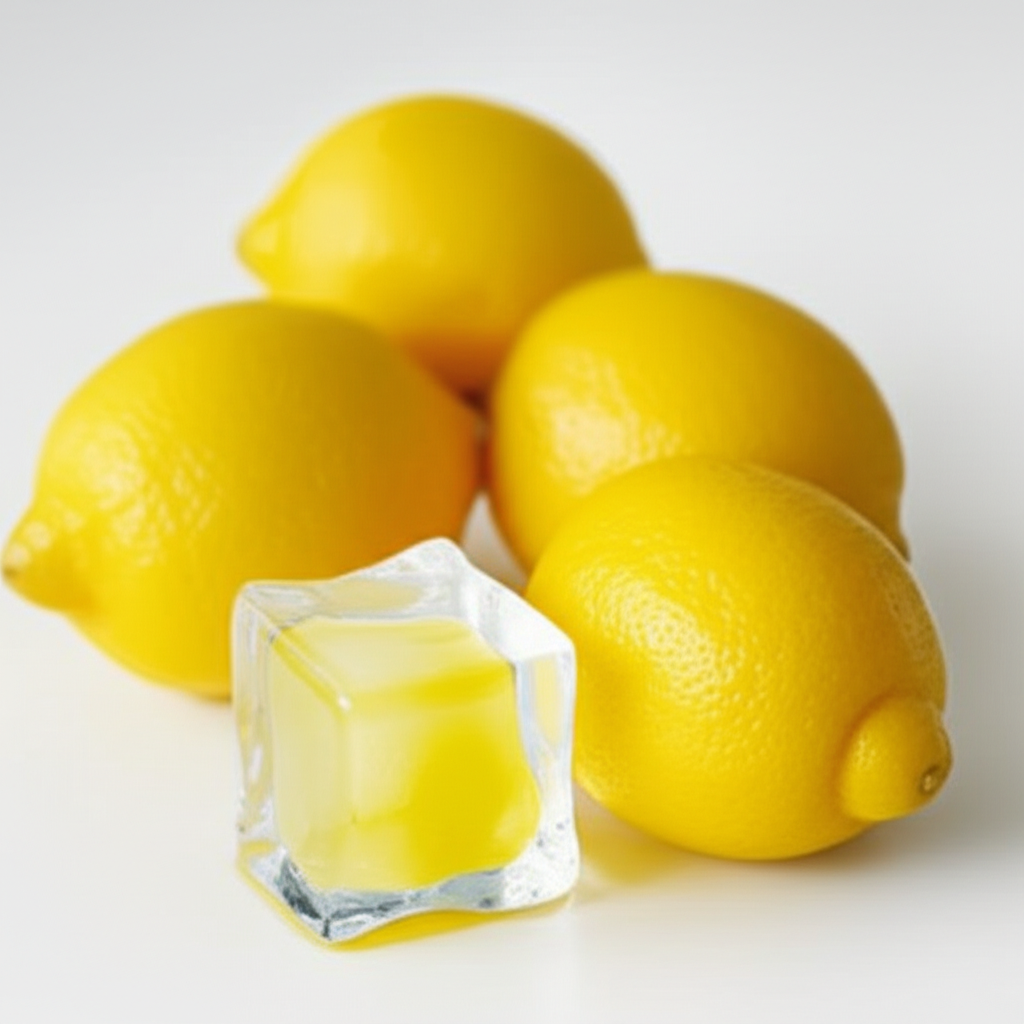
Yes, you absolutely can freeze fresh lemon juice! It’s a fantastic way to preserve its bright, zesty flavor and all its vitamin C goodness for months. This guide will show you how easy it is to freeze lemon juice so you always have it on hand for smoothies, recipes, and drinks.
Key Takeaways
- Freeze lemon juice to save money and reduce waste.
- Preserve fresh lemon flavor for future use.
- Use various methods like ice cube trays or small containers.
- Thaw frozen juice safely for best results.
- Enjoy the convenience of pre-portioned lemon juice.
Can You Freeze Fresh Lemon Juice? The Shocking Truth Revealed
Have you ever squeezed a bunch of lemons, only to realize you have way more juice than you can use right now? It’s a common kitchen dilemma. Fresh lemon juice is wonderful, but it doesn’t last long in the refrigerator. Many people wonder, “Can you freeze fresh lemon juice?” The answer is a resounding yes, and it’s surprisingly simple to do! This guide will walk you through everything you need to know, making it easy to capture that vibrant citrus flavor and enjoy it whenever you need it, whether for a refreshing smoothie or a quick squeeze in a recipe. Get ready to unlock the secret to always having fresh lemon juice at your fingertips!
Why Freeze Fresh Lemon Juice? The Zesty Benefits

There are many great reasons to freeze your fresh lemon juice. It’s not just about convenience; it’s about smart cooking and maximizing the goodness of your produce. Let’s dive into why this simple preservation technique is a game-changer for any home cook, especially those who love using fresh citrus.
Preserving Peak Flavor and Nutrition
Lemons are at their best when they’re fresh, bursting with that unmistakable tartness and bright aroma. Freezing captures this peak flavor and locks in the nutrients, especially vitamin C. Vitamin C is a powerful antioxidant that supports your immune system and is crucial for healthy skin. While fresh is always best, frozen lemon juice is a very close second. Think of it as a way to hit the “pause button” on freshness, ensuring you have access to this healthy ingredient long after the lemons would have otherwise gone bad.
Reducing Food Waste and Saving Money
Lemons can be surprisingly expensive, especially when they’re out of season. When you buy a large bag of lemons or receive a bounty from a friend’s tree, it can be overwhelming. Freezing the juice means you won’t have to toss out those lemons that are starting to soften. This directly translates to saving money and reducing food waste, which is good for your wallet and the planet. You’re essentially investing in future flavor and convenience.
Unbeatable Convenience for Everyday Use
Imagine needing just a tablespoon of lemon juice for a salad dressing or a few ounces for a smoothie, but your fridge is empty. With frozen lemon juice, this problem disappears. You can thaw exactly the amount you need, saving you a trip to the store or the hassle of squeezing another lemon. It’s especially handy for recipes that call for small, precise amounts of juice.
How to Freeze Fresh Lemon Juice: A Step-by-Step Guide
Freezing lemon juice is straightforward. The key is to choose the right method for your needs. We’ll cover the most popular and effective ways to get your lemon juice from the juicer to the freezer.
Step 1: Gather Your Lemons and Tools
Before you start, make sure you have everything you need. This ensures a smooth process and the best results for your frozen lemon juice.
What You’ll Need:
- Fresh lemons (organic is great if possible)
- A juicer (manual citrus juicer, electric juicer, or even a fork works!)
- Fine-mesh sieve or cheesecloth
- Measuring cups or spoons
- Freezer-safe containers:
- Ice cube trays (silicone trays are easiest to pop out)
- Small freezer bags
- Airtight plastic or glass containers
- Ice pop molds
- Labels and a marker
Step 2: Juice Your Lemons
This is the fun part! You can juice your lemons by hand, using a simple citrus reamer, or a more powerful electric juicer. The goal is to extract as much juice as possible. Don’t worry about getting every last drop; focus on a good yield.
Pro Tip: For maximum juice, roll the lemons firmly on your countertop before cutting them in half. This helps break down the internal membranes, making them easier to juice.
Step 3: Strain the Juice
To ensure your frozen lemon juice is smooth and free of pulp or seeds, it’s important to strain it. Pour the freshly squeezed juice through a fine-mesh sieve into a clean bowl or measuring cup. If you want it exceptionally clear, you can line the sieve with cheesecloth.
Removing pulp is especially important if you plan to use the juice in recipes where pulp might affect the texture, like delicate sauces or clear beverages. For smoothies, a little pulp is usually fine, but straining makes it more versatile.
Step 4: Measure and Portion
Measuring your lemon juice before freezing is incredibly helpful. This way, you know exactly how much you’re thawing later. Common measurements are tablespoons, ounces, or even cups, depending on how you plan to use it.
If you’re using ice cube trays, one standard ice cube slot typically holds about 1 tablespoon of liquid. This is a super convenient way to get pre-portioned amounts for drinks and recipes.
Step 5: Choose Your Freezing Method
There are several excellent ways to freeze lemon juice, each with its own advantages. Pick the one that best suits your kitchen setup and how you’ll use the juice.
Method 1: Ice Cube Trays (Most Popular!)
This is arguably the easiest and most popular method for beginners. It provides perfectly portioned servings.
- Pour the strained lemon juice into ice cube trays. Fill each compartment almost to the top, leaving a tiny bit of room for expansion.
- Place the trays in the freezer on a level surface.
- Freeze until solid, which usually takes 3-4 hours.
- Once frozen, pop out the lemon juice cubes.
- Transfer the cubes into a freezer-safe bag or airtight container. This prevents them from absorbing freezer odors.
- Label the bag or container with the contents (“Frozen Lemon Juice”) and the date.
Method 2: Small Freezer Bags (For Larger Portions)
If you frequently use larger amounts of lemon juice, like for making lemonade or marinades, freezing in bags is efficient.
- Pour measured amounts of strained lemon juice into small, heavy-duty freezer bags.
- Gently press out as much air as possible from the bag before sealing it tightly.
- Lay the bags flat on a baking sheet or tray and place them in the freezer. This helps them freeze flat and stack easily.
- Once frozen solid, you can remove the baking sheet and store the bags upright or stacked in your freezer.
- Label each bag clearly with the amount of juice inside (e.g., “4 oz Lemon Juice”) and the date.
Method 3: Airtight Containers (For Bulk Freezing)
If you have a lot of juice and want to store it in larger, ready-to-use quantities, small airtight containers are ideal.
- Pour strained lemon juice into small, freezer-safe plastic or glass containers.
- Leave about ½ inch of headspace at the top of each container to allow for expansion during freezing.
- Secure the lids tightly.
- Label each container with the contents and date.
- Place in the freezer.
Method 4: Lemon Juice Popsicles (For Fun!)
These are great for kids or for a refreshing, healthy treat. Simply pour strained lemon juice into popsicle molds and freeze until solid.
Step 6: Label and Store
Proper labeling is crucial for any frozen food. Always include:
- The name of the item (e.g., “Fresh Lemon Juice”)
- The quantity (e.g., “1 tbsp cubes,” “4 oz”)
- The date it was frozen
This helps you keep track of what’s in your freezer and ensures you use the oldest items first. Frozen lemon juice is best used within 6-12 months for optimal flavor.
Thawing Frozen Lemon Juice: Quick and Easy
When you need your frozen lemon juice, thawing is just as simple as freezing. The best method depends on how quickly you need it and the amount you’re using.
For Small Amounts (e.g., Ice Cubes):
If you need a tablespoon or two for a drink or recipe, you can often use the frozen cubes directly. For instance, drop a cube into your water, tea, or smoothie. If you need it in liquid form, simply place the required number of cubes in a small bowl or cup and let them thaw at room temperature for about 15-30 minutes, or in the refrigerator for a bit longer. You can also microwave small amounts on a low power setting for a very short time, but be careful not to cook it.
For Larger Amounts (e.g., from Bags or Containers):
The safest and most recommended way to thaw larger quantities of lemon juice is in the refrigerator overnight. Transfer the bag or container from the freezer to the fridge. This slow thawing helps maintain the quality of the juice. For faster thawing, you can place the sealed bag or container in a bowl of cool water. Avoid using hot water, as this can degrade the flavor and nutrients.
You can find more detailed food safety guidelines for thawing from reputable sources like the USDA Food Safety and Inspection Service.
How Long Does Frozen Lemon Juice Last?
When stored properly in airtight, freezer-safe containers, frozen fresh lemon juice can last for a considerable time. For the best quality, flavor, and nutritional content, aim to use it within:
- 6 months: For optimal taste and aroma.
- 12 months: It will still be safe to use, but the flavor might be slightly less vibrant.
Always check for signs of spoilage before using, though this is rare with properly frozen acidic liquids like lemon juice. If it develops an off-odor or unusual color, it’s best to discard it.
Can You Freeze Lemon Juice with Pulp?
Yes, you can freeze lemon juice with pulp if you prefer. However, it’s generally recommended to strain it for a smoother consistency, especially for certain culinary applications. If you choose to freeze it with pulp:
- Juice your lemons.
- Pour directly into your chosen freezing method (ice cube trays, bags, or containers).
- Ensure you leave headspace for expansion.
- Label and freeze as usual.
Keep in mind that the pulp might settle at the bottom once thawed. You can give it a good shake or stir before using.
Can You Freeze Lemon Juice with Zest?
Freezing lemon juice with zest is not typically recommended if your primary goal is to freeze the juice itself. The zest contains essential oils that can change in texture and flavor profile when frozen and thawed. It can become bitter or develop an off-flavor. If you want to capture the zest’s flavor, it’s better to freeze it separately (e.g., finely grated and mixed with a little water or oil, then frozen in small portions) or use it fresh.
Comparing Freezing Methods: A Quick Look
Each method of freezing lemon juice has its pros and cons. Here’s a quick comparison to help you decide which one is best for you.
| Method | Pros | Cons | Best For |
|---|---|---|---|
| Ice Cube Trays | Easy portioning (1 tbsp), convenient for drinks, simple to use. | Takes up tray space, can be harder to pop out if not fully frozen. | Adding to water, tea, smoothies, or recipes needing small amounts. |
| Small Freezer Bags | Space-efficient (freeze flat), good for larger quantities, easy to stack. | Requires thawing the whole bag if you need less than the full amount. | Making lemonade, marinades, dressings, or when needing 2-4 oz at a time. |
| Airtight Containers | Good for bulk freezing, easy to measure out specific amounts. | Can take up more freezer space than bags, requires more careful thawing. | Storing large batches for frequent use or when precise measurements are needed. |
| Popsicle Molds | Fun for kids, healthy frozen treat. | Limited to specific shapes, can be sticky to handle. | Refreshing snacks for all ages. |
Nutritional Value of Frozen vs. Fresh Lemon Juice
The good news is that freezing has minimal impact on the nutritional value of lemon juice, especially vitamin C. While some minor degradation can occur over very long storage periods, for up to a year, the difference is negligible. Lemon juice is an excellent source of vitamin C, which is vital for immune function, skin health, and acting as an antioxidant. It also contains small amounts of B vitamins and minerals like potassium.
A study published in the Journal of Food Science highlighted that freezing is one of the best methods for preserving the vitamin C content of fruits and vegetables, more so than other preservation techniques like drying or canning for certain products. This means your frozen lemon juice is still a powerhouse of goodness!
Creative Ways to Use Your Frozen Lemon Juice
Once you’ve mastered freezing, you’ll find endless ways to use your handy lemon juice cubes and portions. Here are a few ideas to get your culinary creativity flowing:
For Smoothies:
Add a frozen lemon juice cube or two to your favorite smoothie recipe. It provides a refreshing tang that balances sweet fruits like berries and mangoes. It’s a fantastic way to boost the vitamin C content of your morning blend without watering it down with ice.
In Beverages:
Drop a lemon juice cube into a glass of water for instant lemonade or a spa-like infused drink. They’re also great for cocktails, mocktails, iced tea, or even a hot toddy on a chilly evening.
For Cooking and Baking:
Thaw a measured portion for salad dressings, marinades for chicken or fish, or to add a bright finish to sauces and desserts. It’s perfect for recipes that call for a specific amount of lemon juice, like lemon bars or lemon poppy seed muffins.
For Cleaning:
While not a culinary use, frozen lemon juice can be used for natural cleaning. The acidity helps cut through grease and grime. You can rub a thawed cube on cutting boards to deodorize and disinfect, or add it to your sink for a fresh scent.
FAQ: Your Top Questions About Freezing Lemon Juice Answered
Q1: Will freezing change the taste of my lemon juice?
A1: Freezing preserves the flavor remarkably well. While there might be a very subtle difference compared to freshly squeezed juice, it’s generally imperceptible, especially in cooked dishes or beverages. It’s much better than using bottled lemon juice, which often has a duller, less vibrant taste.
Q2: Can I refreeze thawed lemon juice?
A2: It’s generally not recommended to refreeze thawed lemon juice. The quality can degrade with repeated freezing and thawing cycles, potentially affecting flavor and texture. It’s best to thaw only what you know you’ll use.
Q3: Do I need to peel the lemons before juicing for freezing?
A3: No, you don’t need to peel them. Just wash them thoroughly. The peeling is done by the juicer, and any oils from the peel will be strained out if you choose to strain the juice.
Q4: How do I get the lemon juice out of the ice cube tray if it’s stuck?
A4: If the frozen cubes are difficult to remove, try letting the tray sit at room temperature for 2-5 minutes. You can also run a little warm water over the outside of the tray. Silicone ice cube trays are often the easiest to use as they are more flexible.
Q5: Is it better to freeze whole lemons or just the juice?
A5: Freezing the juice is generally more practical for culinary use. While you can freeze whole lemons, their texture changes significantly upon thawing, making them difficult to juice. Frozen juice is ready to use for most applications.
Q6: What is the best way to thaw frozen lemon juice for drinking?
A6: For drinking, like in water or a smoothie, you can often add the frozen cubes directly. If you need it liquid, thawing in the refrigerator or at room temperature is best. Avoid microwaving if you want to preserve the freshest taste.
Conclusion
So, can you freeze fresh lemon juice? Absolutely! It’s a simple, effective, and incredibly rewarding way to ensure you always have the bright, tangy goodness of lemons ready at your fingertips. Whether you’re making smoothies, cooking up a storm, or simply looking to add a zest of freshness to your water, frozen lemon juice is your secret weapon. By following these easy steps, you can reduce waste, save money, and enjoy the peak flavor of lemons all year round. Happy freezing, and happy cooking!