
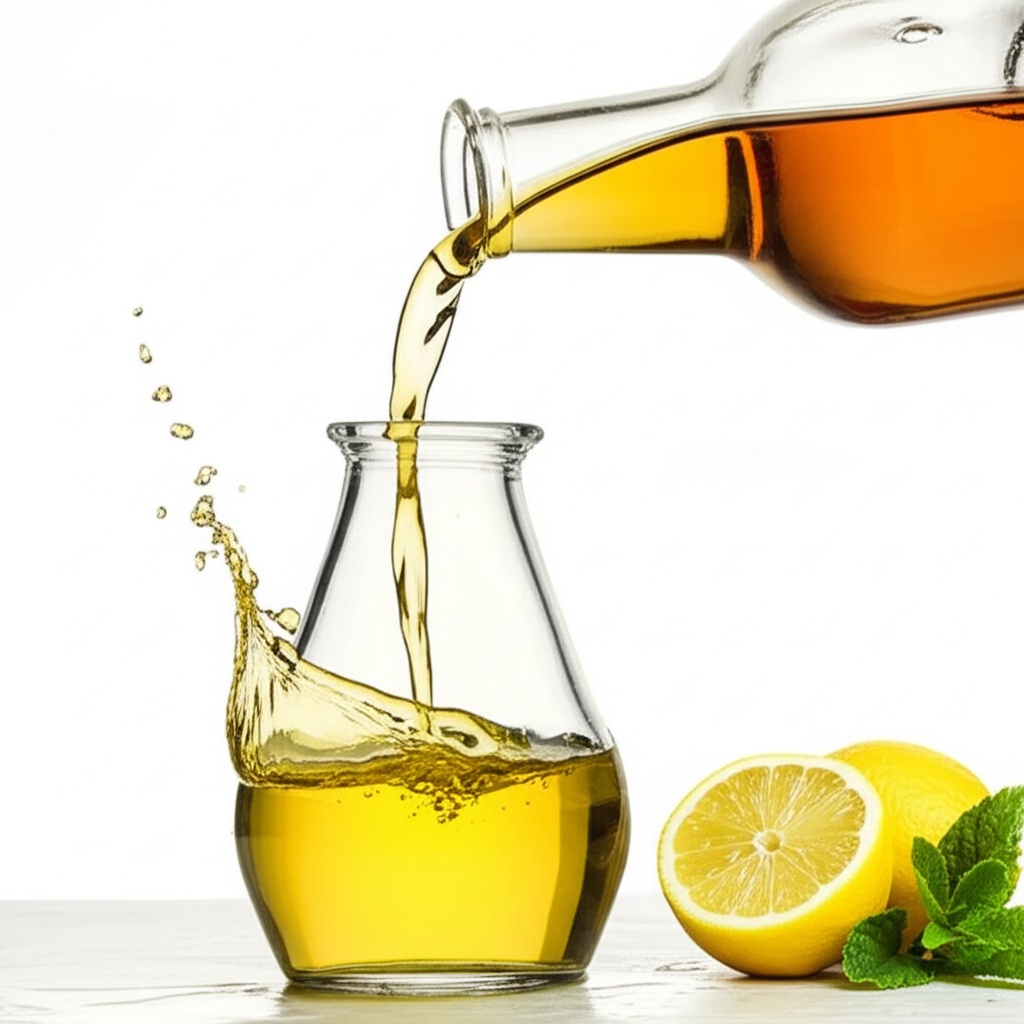
Yes, vinegar and lemon juice can be mixed, and this simple combination unlocks surprising benefits for cleaning, health, and even cooking. It’s a powerful, natural duo that’s budget-friendly and easy to use.
Key Takeaways
- Combine vinegar and lemon juice for natural cleaning power.
- Discover health benefits from this acidic mixture.
- Learn simple recipes for home and kitchen use.
- Understand safe usage for your home and body.
- Explore their roles in food preservation.
- Unlock cost-effective, eco-friendly solutions.
Can Vinegar And Lemon Juice Be Mixed? Surprising Benefits
You’ve probably heard about using vinegar for cleaning and lemon juice for its zesty flavor. But have you ever wondered if you can mix them? Many people hesitate, thinking the strong tastes and properties might clash. It’s a common question for anyone looking for natural solutions in their home and kitchen. The good news is, not only can vinegar and lemon juice be mixed, but they also create a potent, versatile blend with a surprising range of benefits. Get ready to discover how this simple pairing can simplify your life!
Understanding the Power Duo: Vinegar and Lemon Juice

Before we dive into mixing them, let’s understand what makes each ingredient so special. This knowledge will help you appreciate why they work so well together.
The Magic of Vinegar
Vinegar, in its most common form for household use, is distilled white vinegar. It’s essentially a dilute solution of acetic acid. Acetic acid is the key player here, giving vinegar its distinctive sour taste and its remarkable cleaning and disinfecting properties. According to the Centers for Disease Control and Prevention (CDC), acetic acid can effectively kill certain bacteria and viruses, making vinegar a valuable tool for sanitizing surfaces.
Key characteristics of vinegar:
- Acidity: Its pH typically ranges from 2 to 3.
- Antimicrobial Properties: Effective against some common pathogens.
- Deodorizing: Neutralizes odors rather than masking them.
- Degreasing: Breaks down grease and grime.
- Affordability: Widely available and inexpensive.
The Zest of Lemon Juice
Lemon juice comes from the fruit of the lemon tree and is known for its bright, citrusy flavor and aroma. Its primary active component is citric acid, another organic acid that contributes to its sour taste and provides a host of benefits. Citric acid is not only a flavor enhancer but also possesses natural bleaching properties, antioxidant qualities, and can act as a mild disinfectant. The vibrant Vitamin C content in lemon juice is also well-known for its health-promoting aspects.
Key characteristics of lemon juice:
- Acidity: Citric acid gives it a pH generally between 2 and 3.
- Natural Bleaching: Helps to lighten stains and surfaces.
- Antioxidant Power: Fights free radicals.
- Aromatic: Provides a fresh, clean scent.
- Nutrient-Rich: Contains Vitamin C and other beneficial compounds.
Can Vinegar and Lemon Juice Be Mixed? The Science Behind It
So, can you mix vinegar and lemon juice? Absolutely! When you combine vinegar (acetic acid) and lemon juice (citric acid), you are essentially mixing two different types of acids. They don’t neutralize each other; instead, they create a more potent acidic solution. This synergy enhances their individual cleaning and deodorizing capabilities.
The combined acidity can be more effective at breaking down stubborn stains, mineral deposits, and soap scum than either ingredient alone. Furthermore, the strong scent of lemon can help to mask the sometimes-unpleasant odor of vinegar, creating a more pleasant user experience.
Think of it like this: you’re not canceling out their powers, you’re amplifying them. The acidic nature of both ingredients works together to tackle different types of grime and bacteria, making the mixture a powerhouse for cleaning and even some natural health applications.
Surprising Benefits of Mixing Vinegar and Lemon Juice
The applications for this simple mixture are vast. Let’s explore some of the most surprising and practical benefits.
1. Natural All-Purpose Cleaner
This is perhaps the most common and effective use. The combined acidity of vinegar and lemon juice makes it excellent for cutting through grease, grime, and mineral deposits on a variety of surfaces.
How to make it:
- In a spray bottle, combine equal parts white vinegar and lemon juice (e.g., 1 cup vinegar, 1 cup lemon juice).
- For a more pleasant scent, you can add a few drops of essential oil like lavender or tea tree.
- Shake well before each use.
Where to use it:
- Kitchen countertops (avoid natural stone like granite or marble as acid can etch it).
- Sinks and faucets (great for removing water spots).
- Stovetops and appliance exteriors.
- Bathroom tiles and grout.
- Inside refrigerators.
- Windows and mirrors (use a more diluted solution for streak-free shine).
Note: Always test on an inconspicuous area first, especially on delicate surfaces. The acidity can damage certain materials over time.
2. Stain Remover and Brightener
The natural bleaching properties of lemon juice, combined with vinegar’s ability to break down stains, make this mixture a gentle yet effective stain remover for fabrics and surfaces.
For laundry:
- For stubborn stains on white fabrics, you can pre-treat them by applying a paste made from baking soda and the vinegar-lemon juice mixture. Let it sit for 15-30 minutes before washing.
- Adding about half a cup of the mixture to your laundry rinse cycle can help brighten whites and remove residual detergent.
For surfaces:
- To remove hard water stains from shower doors or faucets, spray the mixture directly onto the affected area, let it sit for a few minutes, then scrub and rinse.
- It can help remove mildew and soap scum from bathroom surfaces.
3. Deodorizer
Vinegar is known for its ability to neutralize odors, and lemon juice adds a fresh, clean scent. Together, they tackle bad smells at their source.
Applications:
- Garbage disposal: Pour half a cup of the mixture down your garbage disposal, let it sit for a few minutes, then run cold water.
- Cutting boards: Rub a half lemon over the board, then spray with the vinegar-lemon juice mixture. Let it sit for 10 minutes before rinsing. This also sanitizes!
- Refrigerator odors: Place an open bowl of the mixture inside your fridge to absorb smells.
- General air freshener: Simmer a small pot of the diluted mixture on the stove (carefully!) to freshen your home.
4. Health and Wellness Applications (with Caution)
While primarily used for cleaning, there are traditional and anecdotal uses for a diluted vinegar and lemon juice mixture in health and wellness. However, it is crucial to approach these with caution and consult with a healthcare professional before trying any internal remedies.
Potential Uses (Diluted and Consumed):
- Digestive Aid: Some people drink a small amount of diluted lemon juice and apple cider vinegar (a type of vinegar) in water first thing in the morning. The idea is to stimulate digestion. Important: Always dilute significantly (e.g., 1 teaspoon of each in a full glass of water) and sip through a straw to protect tooth enamel.
- Sore Throat Relief: A gargle made from warm water, a teaspoon of honey, a splash of lemon juice, and a tiny splash of vinegar might help soothe a sore throat. The acidity can help break down mucus.
- Skin Toner: A very diluted mixture (e.g., 1 part vinegar-lemon juice to 10 parts water) can be used as a toner for oily skin. Apply with a cotton pad and rinse thoroughly. Caution: This can be irritating for sensitive skin. Always patch test.
External Link: For more on the health benefits of lemon juice, you can explore resources from the National Center for Biotechnology Information (NCBI).
Crucial Disclaimer: When consuming, always use food-grade vinegar (like apple cider vinegar or distilled white vinegar) and fresh lemon juice. Never ingest cleaning-grade vinegar. Always dilute heavily and listen to your body. If you have any health conditions or are pregnant/nursing, consult your doctor before consuming.
5. Food Preservation and Marinades
The acidic nature of both vinegar and lemon juice can play a role in food preparation and preservation.
Marinades: The acidity helps to tenderize meat, poultry, and fish. Combining lemon juice and vinegar in a marinade can add a bright, tangy flavor while also breaking down tough protein fibers.
Pickling: While traditional pickling often relies solely on vinegar, a splash of lemon juice can add a unique citrusy note to pickled vegetables, enhancing their flavor profile.
Preventing Browning: For cut fruits and vegetables like apples or avocados, a quick dip or spray of diluted lemon juice and vinegar mixture can help prevent them from browning due to oxidation.
6. Pest Deterrent
Many common household pests, such as ants and some insects, dislike acidic environments. A spray of vinegar and lemon juice can act as a natural deterrent.
How to use:
- Spray the mixture along ant trails, window sills, and doorways to discourage them from entering your home.
- The scent can also help deter other crawling insects.
Safety Precautions When Mixing Vinegar and Lemon Juice
While this mixture is generally safe, especially for cleaning, there are a few things to keep in mind to avoid potential issues.
Surface Sensitivity
As mentioned, the high acidity can damage certain materials. Avoid using the mixture on:
- Natural stone countertops (granite, marble, quartz) as it can etch the surface.
- Unsealed grout.
- Certain types of wood finishes.
- Electronic screens.
- Cast iron cookware (it can strip the seasoning).
Always do a spot test in an inconspicuous area before applying widely.
Tooth Enamel Protection
If you choose to consume a diluted mixture for health reasons, be mindful of your tooth enamel. The acids can erode it over time. Always dilute significantly and consider sipping through a straw. Rinse your mouth with plain water afterward, but avoid brushing immediately, as this can spread the acid.
Skin Sensitivity
For topical applications on the skin, always dilute the mixture heavily. If you have sensitive skin, perform a patch test on a small area of your inner arm first. Discontinue use if any irritation occurs.
Mixing with Other Cleaners
Never mix vinegar or lemon juice with bleach. This combination produces toxic chlorine gas, which is extremely dangerous. Also, avoid mixing with hydrogen peroxide, as it can create peracetic acid, which is corrosive and irritating.
Vinegar and Lemon Juice: A Comparison Table
To better understand their individual strengths and how they complement each other, here’s a quick comparison:
| Feature | White Vinegar (Acetic Acid) | Lemon Juice (Citric Acid) | Combined Mixture |
|---|---|---|---|
| Primary Acid | Acetic Acid | Citric Acid | Both Acetic and Citric Acids |
| Cleaning Power | Excellent degreaser, disinfectant, odor neutralizer | Good degreaser, mild bleaching, disinfectant | Enhanced cleaning, degreasing, and deodorizing; effective on tough stains |
| Scent | Pungent, strong | Fresh, citrusy | Pleasant citrus scent that masks vinegar odor |
| Food Use | Pickling, salad dressings, tenderizing | Flavoring, dressings, marinades, drinks | Marinades, salad dressings, pickling (adds complexity) |
| Health Use (Diluted) | Digestive aid (ACV), gargles | Vitamin C source, digestive aid, immune support | Potential digestive aid, throat soother (use with caution) |
| Surface Safety | Caution on natural stone, unsealed grout | Caution on natural stone, painted surfaces | Caution on natural stone, unsealed grout, painted surfaces |
Pro Tips for Using Vinegar and Lemon Juice
Pro Tip: For an extra boost when cleaning tough grease on your stovetop, apply the vinegar and lemon juice mixture, let it sit for 5-10 minutes, then sprinkle a little baking soda on top. It will fizz up, helping to lift the grime. Scrub with a sponge and rinse clean!
Frequently Asked Questions (FAQ)
Q1: Can I use apple cider vinegar instead of white vinegar?
A1: Yes, you can use apple cider vinegar (ACV). ACV also contains acetic acid and has its own set of beneficial properties. It’s often preferred for health and wellness applications due to its perceived natural qualities. For cleaning, both work well, though white vinegar is typically more cost-effective and has a clearer scent profile for general cleaning.
Q2: How long can I store a mixture of vinegar and lemon juice?
A2: If you use fresh lemon juice, it’s best to use the mixture within 1-2 weeks, storing it in a sealed container in the refrigerator. If you use bottled lemon juice, the shelf life might be slightly longer due to preservatives, but refrigeration is still recommended. For cleaning purposes, it’s generally fine at room temperature for a few weeks, but the scent might diminish.
Q3: Is this mixture safe for my pets?
A3: While the diluted mixture is generally safe for cleaning surfaces your pets might encounter (as they are unlikely to ingest large quantities), it’s best to keep it out of their reach. The strong smell can be off-putting to pets, and ingestion of concentrated amounts is not advised. If you use it on floors, ensure they are dry before letting pets walk on them.
Q4: Can I use this mixture on stainless steel appliances?
A4: Yes, a diluted mixture of vinegar and lemon juice can be used on stainless steel. It helps remove fingerprints and water spots. Always wipe in the direction of the grain. After cleaning, rinse with plain water and dry thoroughly with a soft cloth to prevent streaks and maintain the shine.
Q5: What is the ratio of vinegar to lemon juice that is most effective?
A5: For general cleaning, a 1:1 ratio of white vinegar to lemon juice is a good starting point. You can adjust this based on your needs. For lighter cleaning or a milder scent, use more lemon juice or dilute with water. For tougher jobs, the 1:1 ratio is often sufficient. For health applications, the ratio is much smaller and always significantly diluted.
Q6: Does this mixture kill mold and mildew?
A6: The acidic nature of vinegar and lemon juice can help kill some types of mold and mildew. Spray the affected area generously, let it sit for at least 15-30 minutes (or longer for stubborn spots), then scrub with a brush and rinse. For severe mold problems, professional remediation might be necessary.
Conclusion
So, can vinegar and lemon juice be mixed? The answer is a resounding yes! This dynamic duo offers a natural, affordable, and surprisingly effective solution for a multitude of household tasks, from sparkling clean kitchens to refreshed laundry and even some gentle health remedies. By understanding the properties of each ingredient and how they work in tandem, you can confidently incorporate this simple mixture into your daily routine. Remember to always use caution with sensitive surfaces and when considering internal consumption. Embrace the power of these kitchen staples and enjoy the benefits of a cleaner, fresher home the natural way!