
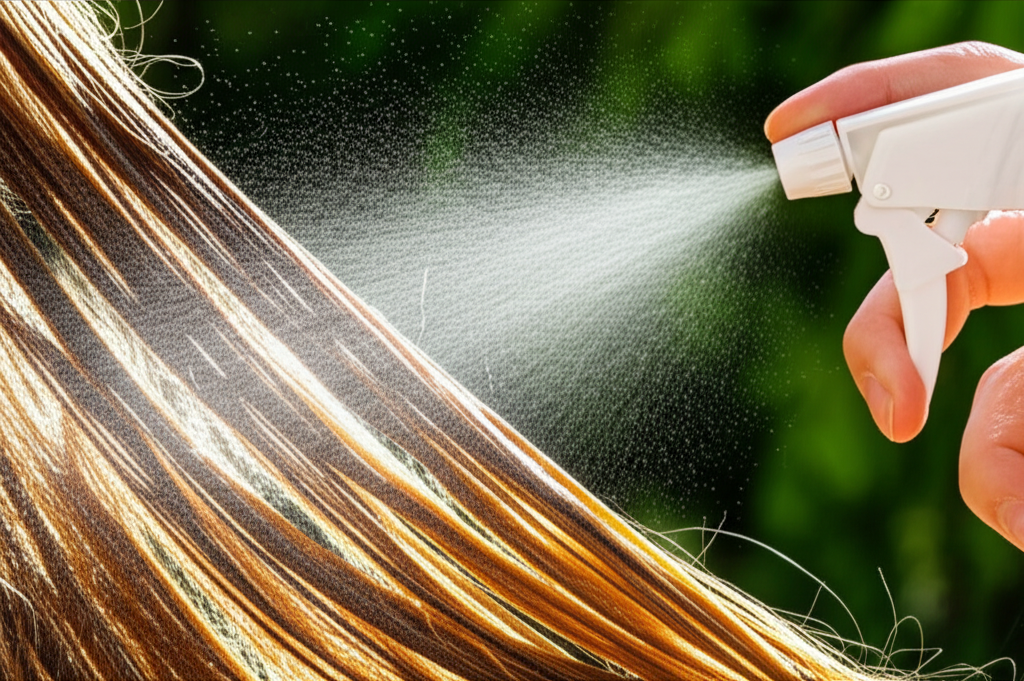
Yes, lemon juice can lighten hair, but results are subtle and gradual. It works by activating its citric acid when exposed to heat and sunlight, acting as a mild, natural bleach. Expect a sun-kissed effect rather than a dramatic color change.
Key Takeaways
- Lemon juice offers a natural hair lightening option.
- Sunlight and heat are crucial for activation.
- Results are gradual and depend on hair type.
- Dilution and conditioning are recommended.
- Damage is possible with overuse.
- Patch testing is essential before full application.
Can Lemon Juice Lighten Hair? Surprising Results
Have you ever wondered if that bottle of lemon juice in your kitchen could be a secret weapon for a lighter, brighter hair color? Many people have heard whispers or seen DIY recipes suggesting lemon juice can lighten hair. It’s a common beauty hack, but does it really work? And if so, how? It can be confusing to know what’s true when it comes to natural remedies for hair color. You might be looking for a subtle change, a sun-kissed glow without harsh chemicals, and you’ve landed here. We’ll break down exactly how lemon juice works on your hair, what results you can expect, and how to use it safely to achieve those surprising lighter tones. Get ready to discover if this zesty citrus can deliver the hair color lift you’ve been dreaming of.
Understanding How Lemon Juice Lightens Hair

The magic behind lemon juice’s potential to lighten hair lies in its natural citric acid content. When you apply lemon juice to your hair and expose it to sunlight and heat, a chemical reaction occurs. The citric acid acts as a mild bleaching agent. It essentially works by breaking down the melanin, the pigment responsible for your hair color, making it appear lighter. This process is similar to how commercial bleaches work, but on a much gentler scale. Think of it as a natural, slow-release lightening. The sun’s UV rays are key activators in this process, which is why applying lemon juice and then spending time outdoors is often recommended.
It’s important to understand that this isn’t an instant transformation. The lightening effect is gradual, building up over multiple applications. The extent of the lightening also depends heavily on your natural hair color and texture. Lighter hair shades will show more noticeable results than darker, thicker hair. For those with very dark hair, you might only see subtle warm undertones appear, or perhaps no visible change at all. This natural method is best suited for those seeking a subtle, sun-kissed effect rather than a dramatic blonde transformation. We’ll explore how to maximize these subtle changes while minimizing potential downsides.
The Science Behind the Zest: Citric Acid and Melanin
At its core, the lightening effect of lemon juice is a chemical process. Citric acid, a weak organic acid found abundantly in lemons, is the star player. When exposed to UV radiation from sunlight, the citric acid molecules undergo a photochemical reaction. This reaction generates free radicals that then attack the melanin in your hair shaft. Melanin is a complex polymer, and these free radicals essentially oxidize and break down its structure. This process reduces the concentration of melanin, leading to a lighter appearance of the hair strand.
The acidity of lemon juice (pH typically between 2 and 3) also plays a role. A lower pH can slightly lift the hair cuticle, allowing the citric acid and UV rays to penetrate more effectively. However, this acidity is also what can lead to dryness and damage if not used carefully. Unlike commercial hair dyes that use stronger chemicals like ammonia and peroxide to achieve rapid and significant color changes, lemon juice relies on a much gentler, slower, and sun-dependent mechanism. This is why patience is a virtue when attempting to lighten hair with lemon juice.
Factors Influencing Lemon Juice Hair Lightening
Several factors can influence how well lemon juice lightens your hair and what kind of results you can expect. Understanding these variables will help you set realistic expectations and tailor your approach.
- Natural Hair Color: This is perhaps the most significant factor. People with lighter brown, blonde, or even reddish-brown hair will see the most noticeable results. Dark brown or black hair will show minimal to no lightening, perhaps just a slight warming of undertones.
- Hair Porosity: Hair porosity refers to how well your hair can absorb and retain moisture. More porous hair (often damaged or chemically treated) will absorb the lemon juice mixture more readily, potentially leading to quicker and more noticeable, albeit sometimes uneven, lightening. Less porous hair will be more resistant.
- Sun Exposure: Lemon juice requires UV rays to activate the citric acid. The more direct sunlight you expose your treated hair to, the more effective the lightening will be. This is why it’s often recommended to apply lemon juice before spending a day at the beach or in the sun.
- Heat: Heat, whether from the sun or a hairdryer (used cautiously), can also accelerate the chemical reaction. However, excessive heat can also increase the risk of damage.
- Frequency of Application: Since the process is gradual, repeated applications over several days or weeks are usually necessary to achieve a noticeable difference.
- Lemon Juice Concentration and Application Method: How concentrated the lemon juice is (pure vs. diluted) and how evenly it’s applied will also affect the outcome. Uneven application can lead to patchy results.
How to Use Lemon Juice to Lighten Hair: A Step-by-Step Guide
Ready to give it a try? Here’s a simple, beginner-friendly guide to using lemon juice for a natural hair lightening effect. Remember, consistency and patience are key!
Step 1: Gather Your Supplies
You won’t need much for this simple process. Make sure you have:
- Fresh lemons (enough to yield about 1/2 cup to 1 cup of juice, depending on hair length)
- A bowl
- A fine-mesh sieve or cheesecloth (optional, to strain out pulp and seeds)
- A spray bottle (recommended for even application) or a brush
- A conditioner or hair mask (essential for post-treatment moisture)
- A towel to protect your clothes
Step 2: Prepare the Lemon Juice Mixture
Squeeze the fresh lemons into your bowl. Strain the juice through a sieve or cheesecloth if you want to avoid seeds and pulp getting stuck in your hair. For a gentler approach and to minimize dryness, consider diluting the lemon juice with an equal amount of distilled water or a light conditioner. This helps to buffer the acidity.
Dilution Ratios:
- For subtle results and less dryness: 1 part lemon juice to 1 part distilled water or conditioner.
- For slightly stronger results (use with caution): Pure lemon juice.
Pour the mixture into your spray bottle for easy application, or have it ready in the bowl if you plan to use a brush.
Step 3: Protect Your Skin and Clothes
Lemon juice can irritate the skin, especially if you have sensitive skin or any cuts or abrasions on your scalp. Apply a barrier of petroleum jelly or a thick moisturizer along your hairline, ears, and neck. Wear an old t-shirt or drape an old towel over your shoulders to protect your clothing from stains.
Step 4: Apply the Lemon Juice Mixture
Section your hair. If using a spray bottle, mist the lemon juice mixture evenly throughout the sections you want to lighten. If using a brush, dip it into the mixture and apply it from roots to tips, ensuring thorough saturation. Focus on the areas where you desire the most lightening. You can choose to apply it all over for an overall lighter look, or just to highlights for a more natural, sun-kissed effect.
Step 5: Soak Up the Sun (The Key Step!)
This is where the magic happens! Once your hair is coated with the lemon juice mixture, it’s time to head outside into direct sunlight. Aim for at least 30 minutes to an hour, or even longer if you plan to be out all day. The UV rays will activate the citric acid, initiating the lightening process. If you can’t get direct sun, you can try using a hairdryer on a low-heat setting for about 15-20 minutes, but direct sunlight is generally more effective and less damaging.
Step 6: Rinse and Condition
After your sun exposure, rinse your hair thoroughly with cool water. Follow up with a deep conditioner or a moisturizing hair mask. Lemon juice can be drying, so replenishing moisture is crucial to keep your hair soft and healthy. Leave the conditioner on for a few minutes before rinsing again. You can wash your hair with a gentle shampoo afterwards if needed, but many find just rinsing and conditioning is sufficient.
Step 7: Repeat for Desired Results
One session will likely not give you dramatic results. For a more noticeable change, you’ll need to repeat this process several times. Many people find that doing this 2-3 times a week for a few weeks yields the best results. Pay attention to how your hair feels and looks. If you notice excessive dryness or damage, reduce the frequency or dilute the lemon juice more.
Expected Results: What to Anticipate
When using lemon juice to lighten hair, it’s crucial to have realistic expectations. This natural method offers subtle changes, not drastic transformations. Here’s a breakdown of what you can typically expect:
- Gradual Lightening: The process is slow. You won’t go from dark brown to blonde overnight. Expect a gradual shift over several applications.
- Sun-Kissed Highlights: The most common and often desired outcome is the appearance of natural-looking, sun-kissed highlights. These can appear as lighter strands throughout your hair, especially around the face.
- Warmer Tones: For darker hair, you might notice a subtle shift towards warmer undertones, such as golden or reddish hues, rather than a significant lightening of the overall color.
- Varying Intensity: The intensity of the lightening will depend on your natural hair color, texture, porosity, and the amount of sun exposure you get.
- Potential for Reddish/Orange Tones: Some individuals, particularly those with dark hair, may find that the lightening process results in brassy or reddish-orange tones rather than blonde.
- Not for Major Color Changes: If you’re aiming for a significant color change, like going from dark brown to platinum blonde, lemon juice is not the right tool.
It’s a process best suited for those looking to enhance their natural color with a touch of brightness, mimic the effects of natural sun bleaching, or add subtle dimension to their hair.
Potential Downsides and How to Mitigate Them
While lemon juice is a natural option, it’s not without its potential drawbacks. Understanding these risks and how to prevent them will ensure a safer and more pleasant experience.
1. Dryness and Brittleness
The high acidity of lemon juice can strip natural oils from your hair, leading to dryness, frizz, and brittleness. This is the most common side effect.
- Mitigation: Always dilute the lemon juice with water or conditioner. Follow up immediately with a rich conditioner or deep conditioning mask after rinsing. Limit applications to a few times a week and give your hair breaks.
2. Scalp Irritation
The acidity can cause itching, redness, or burning on the scalp, especially if you have sensitive skin or any cuts or abrasions.
- Mitigation: Apply a barrier of petroleum jelly or a thick moisturizer along your hairline and ears before application. Do a patch test on your skin first. Avoid applying to a freshly washed scalp.
3. Uneven or Patchy Results
If the lemon juice isn’t applied evenly, or if certain sections of your hair are more porous, you might end up with patchy lightening.
- Mitigation: Ensure thorough and even application. Using a spray bottle can help distribute the mixture more uniformly. Consider sectioning your hair carefully.
4. Increased Sensitivity to Sun
While sunlight is necessary for activation, prolonged exposure to lemon juice-treated hair can make it more susceptible to sun damage, similar to how skin can get sunburned.
- Mitigation: Don’t overdo the sun exposure. Stick to recommended timeframes (30-60 minutes) and always follow up with conditioning.
5. Unwanted Tones
For some hair types, especially darker shades, the lightening process can result in brassy, reddish, or orange tones rather than desired blonde or lighter brown shades.
- Mitigation: This is harder to control with natural methods. If unwanted tones appear, you might need to use a color-depositing conditioner or consult a professional. Be aware of your hair’s undertones before starting.
6. Potential for Damage to Chemically Treated Hair
If your hair is already chemically treated (permed, relaxed, or previously dyed), it might be more fragile. Lemon juice could exacerbate existing damage.
- Mitigation: Proceed with extreme caution. A patch test on a hidden strand is highly recommended. If your hair feels compromised, discontinue use.
Pro Tip: Always perform a strand test on a small, hidden section of your hair before applying lemon juice all over. This will show you how your hair will react, the color change you can expect, and if it causes any adverse effects like dryness or breakage.
Lemon Juice vs. Chemical Bleach: A Comparison
When considering hair lightening, it’s natural to compare DIY methods like lemon juice with professional or at-home chemical bleaches. They operate on very different principles and yield vastly different results.
| Feature | Lemon Juice Method | Chemical Bleach |
|---|---|---|
| Active Ingredient | Citric Acid (activated by sun/heat) | Ammonia and/or Persulfates + Hydrogen Peroxide |
| Speed of Action | Slow, gradual, requires multiple applications and sun exposure | Fast, can achieve significant lightening in one session |
| Intensity of Lightening | Subtle, natural highlights, warmer tones | Significant, can achieve dramatic color changes (blonde, platinum) |
| Risk of Damage | Moderate (dryness, brittleness with overuse) | High (severe dryness, breakage, chemical burns if misused) |
| Cost | Very low (cost of lemons) | Moderate to high (salon professional or box dyes) |
| Ease of Use | Simple application, requires patience and sun | Can be complex, requires careful mixing and application to avoid damage |
| Natural vs. Chemical | Natural, no harsh synthetic chemicals | Chemical, uses strong oxidizing agents |
| Result Predictability | Less predictable, varies greatly by hair type | More predictable, though undertones can still appear |
As you can see, lemon juice is a gentle, budget-friendly option for subtle enhancement. Chemical bleaches are powerful tools for dramatic transformations but come with a higher risk of damage and require more careful handling. For beginners seeking a minimal, natural lift, lemon juice is a far more approachable starting point. For more information on hair pigment and how it reacts to bleaching, the National Center for Biotechnology Information (NCBI) offers extensive research on hair structure and color.
Alternative Natural Hair Lightening Methods
If lemon juice isn’t quite what you’re looking for, or if you want to explore other natural avenues for lightening your hair, here are a few other popular options:
- Chamomile Tea Rinse: Brew a strong pot of chamomile tea, let it cool, and use it as a final rinse after shampooing and conditioning. Regular use can impart subtle golden highlights, especially on lighter hair. It’s very gentle and often leaves hair soft.
- Cinnamon Paste: Mix ground cinnamon with a conditioner or water to create a paste. Apply it to your hair, cover with a shower cap, and leave it on overnight. Cinnamon contains compounds that can gently lift pigment over time, often resulting in warmer, reddish-brown tones.
- Saltwater Spray: Dilute sea salt in water and spray it onto your hair before sun exposure. Similar to lemon juice, the salt and sun work together to create a lightening effect. However, saltwater can be very drying, so be sure to deep condition afterward.
- Honey Mask: Honey contains trace amounts of hydrogen peroxide, a natural bleaching agent. Mix honey with a bit of water or conditioner to thin it out. Apply to hair, cover, and leave on for a few hours or overnight. Results are usually very subtle and may require multiple applications. For more on honey’s properties, the USDA Agricultural Research Service has published findings on its enzymatic activity.
- Apple Cider Vinegar (ACV) Rinse: While ACV is more known for clarifying and adding shine, some believe its acidity can subtly lift pigment over time, especially when combined with sun exposure. Dilute ACV with water (1 part ACV to 3-4 parts water) and use as a final rinse.
Each of these methods offers a gentler alternative to chemical treatments, but they all share the characteristic of being gradual and most effective on lighter hair shades. Experimentation and patience are key to finding what works best for your hair type.
Frequently Asked Questions (FAQ)
Q1: How long does it take to see results from lemon juice hair lightening?
A1: Results are gradual. You might start noticing subtle changes after 2-3 applications, but significant lightening typically requires consistent use over several weeks. Patience is key!
Q2: Can lemon juice lighten my dark brown hair?
A2: It’s unlikely to cause dramatic lightening on dark brown or black hair. You might see some subtle warm undertones (like reddish or golden hues) appear, but don’t expect a significant color shift. It works best on lighter brown or blonde hair.
Q3: How often can I use lemon juice on my hair?
A3: For best results and to minimize dryness, aim for 2-3 times per week. If your hair feels dry or brittle, reduce the frequency or dilute the lemon juice more with conditioner or water.
Q4: What should I do if my hair feels too dry after using lemon juice?
A4: Immediately follow up with a deep conditioner or a moisturizing hair mask. You can also try diluting the lemon juice mixture more significantly with conditioner next time. Incorporate regular deep conditioning treatments into your routine.
Q5: Can lemon juice lighten my roots?
A5: Yes, you can apply it to your roots, but be extra careful to avoid the scalp if you have sensitive skin. Ensure even application for consistent results.
Q6: Will lemon juice permanently lighten my hair?
A6: The lightening effect from lemon juice is semi-permanent. As your hair grows out, new, unlightened hair will appear. The treated hair will gradually return to its natural shade over time, especially with frequent washing and conditioning, though some subtle warmth might linger.
Q7: Is it safe to use lemon juice on bleached or color-treated hair?
A7: Use with extreme caution. Bleached or color-treated hair is often more porous and fragile. Lemon juice could potentially cause further dryness, breakage, or unpredictable color changes. Always do a strand test first.
Conclusion
So, can lemon juice lighten hair? The answer is a resounding, albeit subtle, yes. It’s a natural, accessible, and budget-friendly way to achieve a sun-kissed glow, particularly for those with lighter hair colors. By understanding the role of citric acid and the necessity of sunlight, you can harness this common kitchen ingredient for a gentle hair lightening effect. Remember that patience is paramount, and always prioritize your hair’s health by diluting the mixture and following up with deep conditioning treatments to combat dryness. While it won’t give you dramatic, salon-level results, lemon juice offers a charmingly natural approach to adding a touch of brightness and dimension to your locks, proving that sometimes, the simplest ingredients can yield surprising results.