
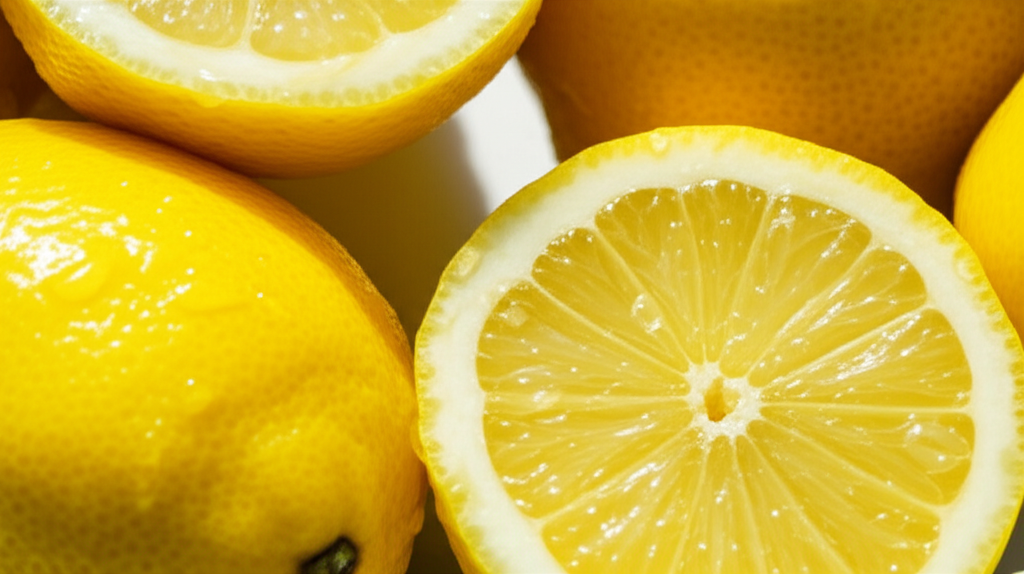
While the tangy zest of lemon juice can brighten your day and add zing to recipes, using it directly on pimples is a risky endeavor. The shocking truth is that while lemons have some antibacterial properties, their acidity can cause more harm than good, leading to irritation, dryness, and even sun sensitivity. This guide will explore the science behind lemon juice and acne, offering safer, effective alternatives for clearer skin.
Key Takeaways
- Lemon juice’s acidity can irritate and dry out skin.
- It may worsen sun sensitivity and cause dark spots.
- Safer, proven acne treatments exist for clearer skin.
- Consult a dermatologist for personalized advice.
- Hydration and a balanced diet support skin health.
Can Lemon Juice Get Rid of Pimples? The Shocking Truth!
You’ve probably heard the whispers, seen the DIY beauty hacks, or even considered it yourself: can lemon juice get rid of pimples? It’s a common question, especially when you’re looking for quick, natural solutions right from your kitchen. Lemons are packed with vitamin C and have a natural tang that many associate with cleansing and brightness. However, when it comes to applying this potent citrus directly to your skin, especially to combat breakouts, the reality is far more complex and potentially problematic than the myth suggests. We’re here to peel back the layers and reveal the surprising truth about lemon juice and acne, guiding you toward genuinely effective skincare.
Understanding the Buzz: Why People Think Lemon Juice Works

It’s easy to see why lemon juice has gained a reputation as a DIY pimple remedy. This vibrant yellow fruit is a kitchen staple, readily available, and associated with freshness and cleanliness. Several of its natural properties contribute to this perception:
- Acidity (Citric Acid): Lemons are highly acidic, with a pH typically between 2 and 3. This acidity can act as a mild exfoliant, helping to slough off dead skin cells. For some, this might temporarily make the surface of a pimple look less inflamed.
- Antioxidants: Lemons are a good source of vitamin C, a powerful antioxidant. Antioxidants help protect the skin from damage caused by free radicals, which can contribute to inflammation and aging.
- Astringent Properties: The natural astringent qualities of lemon juice can temporarily tighten skin and reduce oiliness. This might lead some to believe it’s effectively drying out a pimple.
- Antibacterial Potential: Some studies suggest that citric acid can have mild antibacterial effects, which is theoretically beneficial for fighting acne-causing bacteria like Propionibacterium acnes (now known as Cutibacterium acnes).
These perceived benefits, combined with the allure of a natural, inexpensive solution, have made lemon juice a popular, albeit misguided, choice for spot treatment. But as we’ll explore, these potential upsides are often overshadowed by significant risks.
The Downside: Why Applying Lemon Juice to Pimples is Risky
While lemons possess certain beneficial compounds, their direct application to the skin, particularly on sensitive or broken-out areas, can lead to a cascade of negative effects. The very properties that make lemons great for cooking can be harsh on your complexion.
1. Skin Irritation and Redness
The high acidity of lemon juice is its biggest drawback when used topically. When applied to the skin, it can disrupt the skin’s natural barrier, leading to:
- Burning and Stinging: The acidic nature can cause immediate discomfort, especially on inflamed pimples or sensitive skin.
- Redness and Inflammation: Instead of calming a pimple, lemon juice can actually increase redness and make the breakout look more prominent.
- Dryness and Peeling: The potent acidity can strip the skin of its natural oils, leading to excessive dryness, flakiness, and a compromised skin barrier. This can paradoxically trigger more oil production as the skin tries to compensate.
2. Increased Sun Sensitivity (Phytophotodermatitis)
This is perhaps one of the most dangerous side effects of using lemon juice on your skin. Lemons contain compounds called psoralens. When these psoralens are exposed to ultraviolet (UV) radiation from the sun, they can trigger a severe skin reaction known as phytophotodermatitis. This can result in:
- Hyperpigmentation: Dark, blotchy patches that can be difficult to treat and may last for months or even years.
- Sunburn-like Reactions: Intense redness, blistering, and pain, even with minimal sun exposure.
- Long-lasting Marks: The discoloration from phytophotodermatitis can be stubborn and require professional treatment to fade.
Even if you don’t get a severe reaction, any exposure to sunlight after applying lemon juice can make your skin more susceptible to sun damage, accelerating aging and increasing the risk of skin cancer. For anyone considering lemon juice, a strong recommendation is to avoid sun exposure altogether, which is impractical for most people.
3. Worsening Acne in the Long Run
While the temporary tightening effect might seem promising, the overall impact of lemon juice on acne can be counterproductive. By drying out the skin and damaging the barrier, it can:
- Trigger More Breakouts: When skin becomes overly dry, it can overcompensate by producing more oil, leading to clogged pores and new pimples.
- Impede Healing: An irritated and damaged skin barrier is less efficient at healing, meaning your existing pimples might take longer to resolve.
- Cause Scarring: Aggressive treatments, including harsh DIY remedies, can sometimes lead to post-inflammatory hyperpigmentation or even acne scarring.
4. Uneven Skin Tone and Texture
The exfoliating and drying effects, coupled with the risk of phytophotodermatitis, can lead to an uneven skin tone and texture. Areas treated with lemon juice might become red, dry, or darkened, creating a patchwork effect that is far from the clear, smooth complexion you desire.
Safer, Effective Alternatives for Pimple Treatment
The good news is that you don’t need to resort to potentially harmful home remedies to treat pimples. Science and dermatological research have provided us with a wealth of effective, safe, and readily available acne treatments. These options target the root causes of acne without the harsh side effects.
1. Over-the-Counter (OTC) Acne Treatments
These are the first line of defense for most mild to moderate acne and are readily available at pharmacies and drugstores. Look for ingredients proven to combat acne:
- Salicylic Acid (BHA): This is a beta-hydroxy acid that is oil-soluble, meaning it can penetrate pores to dissolve sebum and dead skin cells, effectively unclogging them. It’s excellent for blackheads and whiteheads. You can find it in cleansers, toners, and spot treatments.
- Benzoyl Peroxide: This ingredient kills acne-causing bacteria (C. acnes) and helps to reduce inflammation. It’s particularly effective for inflammatory pimples like papules and pustules. It’s available in various concentrations, and it’s advisable to start with a lower percentage (2.5% or 5%) to minimize dryness and irritation.
- Alpha Hydroxy Acids (AHAs): Glycolic acid and lactic acid are common AHAs. They work on the skin’s surface to exfoliate dead skin cells, improve skin texture, and can help fade post-acne marks.
- Sulfur: A gentler option that helps to dry out the surface of the pimple and has mild antibacterial properties. It’s often found in spot treatments and masks.
When using OTC treatments, it’s crucial to follow product instructions carefully and introduce new products one at a time to see how your skin reacts. Always wear sunscreen during the day, as many of these ingredients can increase sun sensitivity.
2. Prescription Medications
For moderate to severe acne, or acne that doesn’t respond to OTC treatments, a dermatologist may prescribe stronger medications:
- Topical Retinoids: Derivatives of vitamin A (like tretinoin, adapalene, and tazarotene) are highly effective. They promote cell turnover, prevent pores from clogging, and reduce inflammation. They can cause initial dryness and peeling, so careful use and sun protection are vital.
- Topical or Oral Antibiotics: These help to kill bacteria and reduce inflammation. They are often prescribed for inflammatory acne and are usually used in conjunction with other treatments to prevent antibiotic resistance.
- Hormonal Therapy: For some individuals, particularly women, acne can be linked to hormonal fluctuations. Birth control pills or spironolactone can help regulate hormones and reduce breakouts.
- Isotretinoin (Accutane): This is a powerful oral medication reserved for severe, persistent, or scarring acne. It significantly reduces oil production and has a high success rate, but it requires strict medical supervision due to potential side effects.
A dermatologist can assess your specific skin type and acne severity to recommend the most appropriate treatment plan. The American Academy of Dermatology offers a helpful resource to find a qualified skin specialist.
3. Lifestyle and Skincare Routine Adjustments
Beyond specific treatments, adopting a consistent and gentle skincare routine and making mindful lifestyle choices can significantly impact your skin’s health:
Gentle Cleansing Practices
Washing your face twice a day and after sweating is essential. Use a mild, non-comedogenic cleanser and lukewarm water. Avoid harsh scrubbing, as this can irritate the skin and worsen inflammation.
Moisturizing is Key
Even oily, acne-prone skin needs moisture. Skipping moisturizer can lead to dryness and trigger more oil production. Opt for oil-free, non-comedogenic moisturizers to keep your skin hydrated without clogging pores.
Sun Protection is Non-Negotiable
As discussed, many acne treatments increase sun sensitivity. Daily use of a broad-spectrum sunscreen with an SPF of 30 or higher is crucial to protect your skin from UV damage, prevent post-inflammatory hyperpigmentation, and reduce the risk of skin cancer. Look for formulas labeled “non-comedogenic” or “oil-free.”
Diet and Hydration
While the link between diet and acne is complex and varies among individuals, some find that certain foods can trigger breakouts. Staying hydrated by drinking plenty of water is fundamental for overall skin health, helping to flush out toxins and maintain skin elasticity. A balanced diet rich in fruits, vegetables, and whole grains provides essential nutrients that support skin repair and function.
Here’s a quick look at ingredients to consider for your skincare routine:
| Ingredient | Benefit for Acne | Best For | Potential Side Effects |
|---|---|---|---|
| Salicylic Acid | Exfoliates inside pores, dissolves oil | Blackheads, whiteheads, oily skin | Dryness, mild peeling, redness |
| Benzoyl Peroxide | Kills acne bacteria, reduces inflammation | Inflammatory pimples (papules, pustules) | Dryness, peeling, redness, bleaching of fabrics |
| Retinoids (Topical) | Increases cell turnover, prevents clogging | All types of acne, acne scars | Dryness, peeling, increased sun sensitivity, purging (initial worsening) |
| Niacinamide | Reduces inflammation, controls oil, improves barrier | Inflamed acne, redness, oily skin | Generally well-tolerated; mild flushing possible |
| Hyaluronic Acid | Hydrates without clogging pores | All skin types, especially dry or irritated skin | Rarely causes irritation |
The Role of Internal Health in Skin Clarity
What you put into your body has a profound impact on your skin’s health and appearance. While topical treatments address surface issues, nurturing your skin from within can complement these efforts and contribute to a clearer complexion.
Hydration: The Unsung Hero
Water is vital for every bodily function, and your skin is no exception. Adequate hydration helps maintain the skin’s natural barrier function, keeping it supple and resilient. Dehydrated skin can appear dull and may even produce more oil to compensate, potentially leading to breakouts. Aim for at least 8 glasses of water a day, more if you are active or in a hot climate. Herbal teas and water-rich fruits also contribute to your daily fluid intake.
Nutrition for Clearer Skin
A balanced diet provides the building blocks for healthy skin. While no single food can magically cure acne, certain nutrients play crucial roles:
- Omega-3 Fatty Acids: Found in fatty fish (salmon, mackerel), flaxseeds, and walnuts, these have anti-inflammatory properties that can help calm redness and irritation associated with acne.
- Zinc: This mineral is important for wound healing and has anti-inflammatory effects. It can help regulate oil production and is often found in supplements and foods like pumpkin seeds, lentils, and beef.
- Antioxidants (Vitamins A, C, E): These vitamins, abundant in colorful fruits and vegetables, protect skin cells from damage and support repair. Vitamin C, in particular, is crucial for collagen production and can help fade acne scars over time.
- Probiotics: A healthy gut microbiome is increasingly linked to clearer skin. Probiotic-rich foods like yogurt, kefir, and fermented vegetables can support gut health, which may translate to reduced inflammation throughout the body, including the skin.
Limiting processed foods, excessive sugar, and dairy (for some individuals) may also help manage acne. It’s a good idea to keep a food diary to identify any personal triggers.
The Importance of Sleep
During sleep, your body repairs itself, and this includes your skin. Chronic sleep deprivation can lead to increased cortisol levels (the stress hormone), which can exacerbate inflammation and acne. Aim for 7-9 hours of quality sleep per night to allow your skin adequate time to regenerate and heal.
When to Seek Professional Help
While many acne cases can be managed with over-the-counter products and lifestyle changes, there are times when professional intervention is necessary. Don’t hesitate to consult a dermatologist if you experience any of the following:
- Severe or Cystic Acne: Deep, painful cysts and nodules can lead to significant scarring if not treated properly.
- Acne That Doesn’t Improve: If your breakouts persist or worsen despite consistent home care and OTC treatments after several weeks.
- Scarring: If you are developing acne scars or have existing ones that you wish to treat.
- Emotional Distress: Acne can significantly impact self-esteem and mental well-being. A dermatologist can offer effective solutions and support.
- Sudden Onset of Acne: A sudden, severe breakout, especially in adulthood, could sometimes indicate an underlying medical condition.
A dermatologist can provide a diagnosis, create a personalized treatment plan, and offer advanced therapies that are not available over the counter. They can also guide you on how to safely use potent ingredients and manage potential side effects.
Pro Tip: When trying new skincare products, always patch-test on a small, inconspicuous area (like behind your ear or on your inner arm) for 24-48 hours before applying to your entire face. This helps identify potential allergic reactions or sensitivities.
Frequently Asked Questions About Lemon Juice and Pimples
Can I use diluted lemon juice on my face?
Even diluted, lemon juice is highly acidic and can still cause irritation, dryness, and increase sun sensitivity. While the risk might be slightly reduced, it’s generally not recommended as a safe or effective acne treatment. Safer alternatives are readily available.
How long does it take for lemon juice to work on pimples?
There is no reliable scientific evidence to suggest that lemon juice effectively treats pimples. Any perceived immediate effect is likely due to temporary drying or tightening of the skin, which can often be followed by increased oiliness or irritation.
Will lemon juice lighten acne scars?
While vitamin C in lemons is an antioxidant that can help brighten skin over time, applying raw lemon juice directly is too harsh. It can actually cause post-inflammatory hyperpigmentation (darkening of the skin) and make scars more noticeable due to irritation and sun sensitivity.
What are the risks of putting lemon juice on acne-prone skin?
The primary risks include severe skin irritation, burning, dryness, peeling, increased sun sensitivity (leading to dark spots and phytophotodermatitis), and potentially worsening acne in the long run by disrupting the skin barrier.
Are there any natural remedies that are safer than lemon juice for pimples?
Yes, several natural ingredients are considered safer and more effective when used correctly. These include tea tree oil (diluted), green tea extract, and aloe vera gel. However, it’s always wise to patch-test and use them with caution.
How should I wash my face if I have pimples?
Gently cleanse your face twice a day with a mild, non-comedogenic cleanser and lukewarm water. Avoid scrubbing vigorously, as this can worsen inflammation and spread bacteria. Pat your skin dry with a clean towel.
Can drinking lemon water help with acne?
Drinking lemon water can contribute to your daily hydration goals and provide some vitamin C. While staying hydrated is beneficial for overall skin health, there’s no direct scientific evidence that drinking lemon water specifically cures acne. It’s a healthy beverage choice but not a targeted acne treatment.
Conclusion: Embrace Science for Clearer Skin
The allure of a quick, natural fix for pimples is understandable, but when it comes to applying lemon juice directly to your skin, the potential for harm far outweighs any perceived benefits. The shocking truth is that this common kitchen ingredient can lead to significant irritation, sun sensitivity, and even worsen your acne in the long run. Instead of risking your skin’s health with harsh DIY remedies, embrace the power of scientifically-backed skincare. From effective over-the-counter treatments containing salicylic acid and benzoyl peroxide to personalized prescription options from a dermatologist, there are numerous safe and proven ways to achieve clearer, healthier skin. Remember to prioritize a gentle skincare routine, consistent sun protection, and a balanced lifestyle to support your journey towards a radiant complexion. Your skin deserves the best care, and that often comes from trusted, evidence-based solutions.