
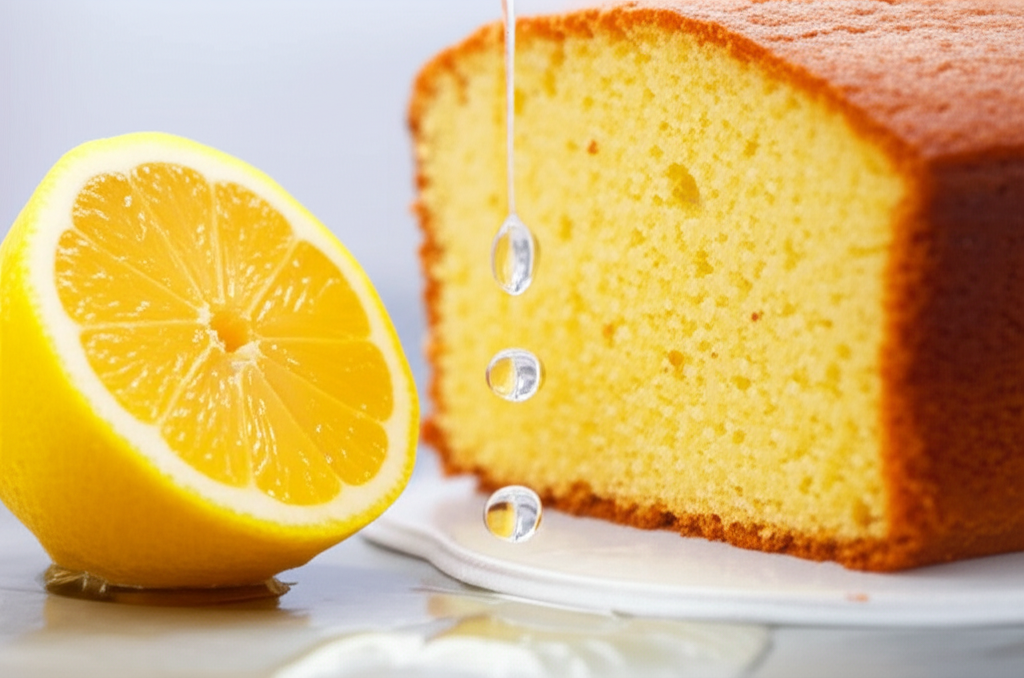
Yes, lemon juice can act as a mild preservative in cakes, primarily due to its acidity, which inhibits microbial growth. However, it’s not a strong preservative and won’t extend shelf life significantly on its own, especially for moist cakes.
Key Takeaways
- Lemon juice offers mild preservation through acidity.
- It inhibits bacterial and mold growth in cakes.
- Its effect is limited; it doesn’t replace proper storage.
- Lemon juice enhances flavor and texture in baked goods.
- Combine with other methods for better cake preservation.
- Understand its limitations for safe and delicious results.
Can Lemon Juice Be Used As A Preservative In Cake? The Shocking Truth!
Have you ever wondered if that bright splash of lemon juice in your cake batter does more than just add a zesty kick? Many home bakers ponder if adding lemon juice can help their delicious creations last a little longer. It’s a common question, and the answer can be a bit surprising! You might think of lemon juice as just a flavor enhancer, but it also possesses natural properties that can play a role in preservation. This article will break down exactly how lemon juice works in cakes, its preservative capabilities, and what you need to know to keep your cakes fresh and delicious.
Understanding Food Preservation: The Basics

Before we dive into lemon juice specifically, let’s quickly touch on what makes food go bad. Foods spoil primarily because of the growth of microorganisms like bacteria, yeasts, and molds. These tiny organisms thrive in certain conditions – moisture, moderate temperatures, and the right pH level. To preserve food, we aim to create an environment where these microbes can’t grow or multiply.
Methods of food preservation aim to:
- Remove moisture (drying).
- Control temperature (refrigeration, freezing).
- Alter pH levels (adding acid or sugar).
- Limit oxygen.
- Use natural or artificial preservatives.
The Science Behind Lemon Juice’s Preservative Power
Lemon juice is a powerhouse of citric acid. This natural acid is what gives lemons their sour taste, but it’s also a key player in its preservative abilities. The acidity of lemon juice, typically with a pH between 2 and 3, creates an unfavorable environment for many types of bacteria and molds that cause spoilage.
Here’s how it works:
- Acidity (Low pH): Most spoilage microorganisms prefer a neutral or slightly acidic environment (pH around 4.6 or higher). The high acidity of lemon juice (low pH) disrupts their cellular functions and enzyme activity, hindering their growth and reproduction.
- Antioxidant Properties: Citric acid also acts as an antioxidant. This means it can help prevent the oxidation of fats in the cake, which is a major cause of rancidity and off-flavors, especially over time. By slowing down this process, lemon juice can contribute to a fresher taste for longer.
The U.S. Food and Drug Administration (FDA) recognizes citric acid as a safe food additive and preservative. You can find it listed under Generally Recognized As Safe (GRAS) substances, meaning it’s considered safe for consumption in the amounts typically used in food.
Lemon Juice in Cake: More Than Just Flavor
When you add lemon juice to a cake recipe, it’s often for several reasons:
- Flavor Enhancement: The most obvious reason is to impart a bright, fresh, citrusy flavor. It pairs beautifully with vanilla, berries, chocolate, and many other classic cake flavors.
- Texture Improvement: The acid in lemon juice can react with leavening agents like baking soda, creating more carbon dioxide gas. This can lead to a lighter, more tender crumb in your cake. It also helps to tenderize gluten, resulting in a softer texture.
- Color Brightening: In batters containing ingredients that can oxidize and brown (like apples or bananas), a little lemon juice can help maintain a brighter, more appealing color.
- Mild Preservation: As we’ve discussed, the acidity provides a degree of preservation.
Can Lemon Juice Alone Preserve A Cake? The “Shocking Truth” Revealed
Now, for the truth you’ve been waiting for: Can lemon juice be used as a preservative in cake on its own? The answer is a qualified “yes, but with significant limitations.”
While lemon juice does have preservative qualities, it’s crucial to understand its scope. It is not a robust preservative like commercial ones or methods like canning or vacuum sealing. Its effectiveness is dependent on several factors:
- Moisture Content: Cakes with higher moisture content (like cheesecakes or very moist bundt cakes) provide a more hospitable environment for microbes. Lemon juice alone won’t be enough to combat spoilage in these cases.
- Recipe Ingredients: The presence of other ingredients, like dairy or eggs, can affect how long a cake stays fresh. These ingredients can be more susceptible to spoilage.
- Storage Conditions: How you store the cake is paramount. Lemon juice won’t magically make a cake shelf-stable at room temperature indefinitely.
- Concentration of Lemon Juice: A teaspoon of lemon juice will have a much less pronounced effect than several tablespoons.
Think of lemon juice as providing a small, helpful nudge against spoilage, rather than a complete shield. It can help slow down the growth of some bacteria and mold, potentially extending the “freshness” by a day or two compared to a cake without it, especially if stored properly. However, it will not prevent spoilage entirely, and relying solely on lemon juice for preservation is not a safe practice for long-term storage.
Comparing Lemon Juice to Other Natural Preservatives
It’s helpful to see how lemon juice stacks up against other natural ingredients that can also contribute to preservation. These often work by a combination of acidity, sugar content, or antimicrobial properties.
Here’s a comparison:
| Preservative Agent | Primary Mechanism | Effectiveness in Cakes | Flavor Impact |
|---|---|---|---|
| Lemon Juice (Citric Acid) | Acidity (low pH), Antioxidant | Mild, helps inhibit some microbial growth and prevent fat rancidity. Limited shelf-life extension. | Bright, tangy, citrusy. Can be a primary flavor or a background note. |
| Sugar | Osmotic pressure (draws water out of microbes), reduces water activity | Moderate to High, especially in high concentrations. Crucial in jams and candies, less so as the sole preservative in cakes but contributes to shelf stability. | Sweetness. High amounts can significantly alter cake texture and sweetness. |
| Honey | Acidity, high sugar content, enzymes (like glucose oxidase) produce hydrogen peroxide | Moderate, similar to sugar but with added antimicrobial properties. | Distinctive floral or rich flavor, depending on the honey type. |
| Vinegar (e.g., Apple Cider Vinegar) | Acidity (acetic acid) | Mild to Moderate, similar to lemon juice but with a stronger, more distinct flavor. | Tangy, vinegary. Can be overpowering if not balanced with other flavors. |
| Spices (e.g., Cinnamon, Cloves) | Antimicrobial compounds (e.g., cinnamaldehyde, eugenol) | Mild, can contribute to inhibiting microbial growth and adding flavor. | Warm, aromatic. Adds distinct spice notes. |
As you can see, while lemon juice offers benefits, it’s often used in conjunction with other ingredients or methods for effective preservation. Sugar, for instance, plays a much larger role in the shelf stability of many baked goods.
Practical Ways to Use Lemon Juice for Better Cake Freshness
Instead of relying on lemon juice as a sole preservative, think of it as a beneficial ingredient that can contribute to both flavor and a slightly extended freshness when combined with good practices.
1. Incorporate into the Batter
Add fresh lemon juice directly to your cake batter as the recipe directs. This allows its acidic properties to distribute evenly throughout the cake.
2. Use in Glazes and Frostings
A lemon glaze or frosting can provide a surface layer that offers a bit of protection. The acidity in the glaze, combined with the sugar, can help create a barrier. However, remember that many frostings (like buttercream) contain butter and sugar, which can also contribute to their own shelf stability to some degree, but don’t rely on this for long-term preservation of the cake itself.
3. Lemon Zest for Extra Antioxidant Boost
Don’t forget the zest! Lemon zest contains oils with antioxidant compounds that can further help in preventing flavor degradation. While it doesn’t add acidity, it adds to the overall “fresher” quality of the cake.
4. Combine with Other Methods
This is key. For longer-lasting cakes, lemon juice is best used alongside:
- Proper Cooling: Ensure your cake is completely cooled before storing. Warm cakes create condensation, which is an ideal breeding ground for mold.
- Airtight Storage: Wrap your cake tightly in plastic wrap or store it in an airtight container. This prevents moisture loss (drying out) and keeps out contaminants.
- Refrigeration: For most cakes, especially those with dairy or fillings, refrigeration is essential. Lemon juice does not negate the need for refrigeration for perishable ingredients. A cake stored in the refrigerator will last significantly longer than one at room temperature.
A great resource for understanding food safety, including how to store baked goods, can be found on the FoodSafety.gov website, which provides charts for safe cold food storage.
When Lemon Juice Isn’t Enough: Recognizing Spoilage
Even with lemon juice in your cake, it’s vital to know the signs of spoilage. Trust your senses!
- Smell: If the cake smells off, sour, or otherwise unpleasant, discard it.
- Sight: Look for mold (fuzzy spots of various colors – green, white, black, pink), discoloration, or a slimy texture.
- Taste: If it looks and smells fine, a tiny taste can reveal if it’s gone stale or developed off-flavors. When in doubt, throw it out.
This is especially important for cakes containing ingredients like dairy, eggs, or fresh fruit, which are more prone to bacterial growth than dry ingredients. The U.S. Department of Agriculture (USDA) offers extensive guidance on food safety, including how to tell if food is still safe to eat, which you can explore on their Food Safety and Inspection Service website.
Pro Tips for Using Lemon Juice in Cakes
Pro Tip: When using fresh lemon juice, strain it to remove pulp and seeds. This ensures a smoother batter and prevents any unexpected textures in your final cake. For a more concentrated lemon flavor without adding extra liquid, use lemon zest in addition to juice.
Frequently Asked Questions About Lemon Juice as a Cake Preservative
Q1: How much lemon juice should I add to a cake for preservative effects?
A1: Typically, recipes call for 1-3 tablespoons of lemon juice for flavor and texture. This amount is generally sufficient to offer mild preservative benefits without drastically altering the cake’s taste or consistency. There isn’t a specific “preservative amount” to aim for; it’s usually integrated into the recipe for other purposes.
Q2: Can lemon juice make a cake last at room temperature for days?
A2: No, lemon juice alone cannot make a cake safe for room-temperature storage for several days. It offers only a mild inhibitory effect. Cakes with perishable ingredients like dairy or eggs should always be refrigerated if not consumed within a day or two.
Q3: Will adding lemon juice to a sugar cookie dough help preserve it?
A3: Sugar cookies are already quite stable due to their low moisture and high sugar content. Adding lemon juice might offer a tiny boost against spoilage and enhance flavor, but it won’t significantly increase their shelf life compared to a well-stored cookie without it.
Q4: What is the difference between lemon juice and citric acid powder as preservatives?
A4: Citric acid powder is a concentrated form of the acid found in lemon juice. It can offer a more potent and predictable level of acidity for preservation. Lemon juice contains water and other compounds, making its preservative effect less concentrated and more variable.
Q5: Does lemon juice prevent mold on cakes?
A5: Lemon juice can inhibit the growth of some types of mold due to its acidity, but it does not guarantee mold prevention. Mold can still grow, especially in moist conditions or if other food sources are available. Proper storage and avoiding contamination are more critical for mold prevention.
Q6: Can I use bottled lemon juice instead of fresh for preservative effects?
A6: Yes, bottled lemon juice can be used. It often contains added preservatives and has a standardized acidity. However, fresh lemon juice typically offers a brighter flavor. For preservative purposes, either will provide a similar level of mild acidity.
Conclusion
So, can lemon juice be used as a preservative in cake? Yes, it can contribute to a cake’s freshness by leveraging its natural acidity to inhibit microbial growth and its antioxidants to slow down rancidity. However, it’s important to temper expectations. Lemon juice is a mild helper, not a superhero preservative that replaces proper storage techniques. It’s best viewed as a multi-tasking ingredient that enhances flavor and texture while offering a small but beneficial boost to your cake’s longevity. Always prioritize safe food handling and storage practices, and enjoy the bright, delicious results that lemon juice brings to your baking!