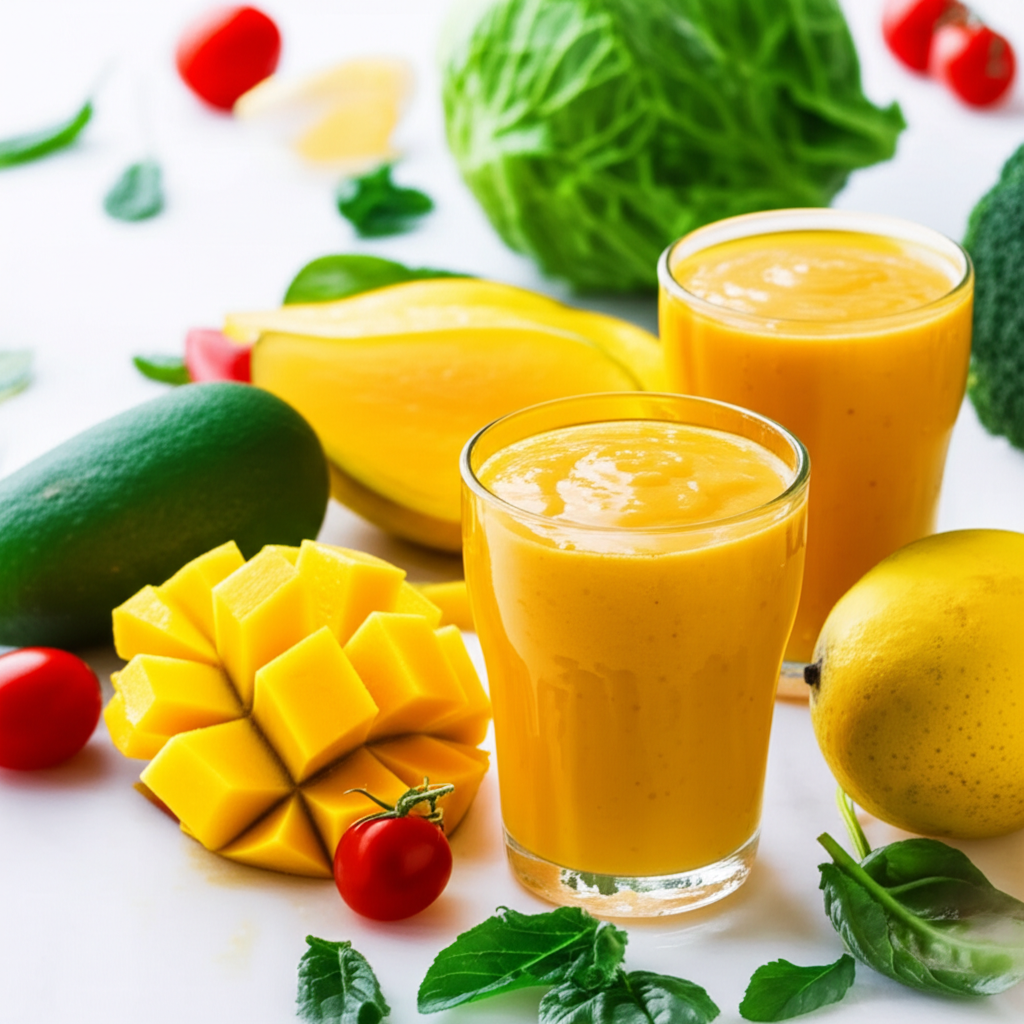
Yes, mango smoothies can be incredibly healthy! Packed with vitamins, minerals, and fiber, they offer a delicious way to boost your nutrition. The “shocking truths” often involve hidden sugars or unbalanced ingredients, but with simple tips, you can make yours a powerhouse of goodness.
Key Takeaways
- Boost immunity with Vitamin C from mangoes.
- Enjoy fiber for digestive health.
- Add healthy fats for satiety.
- Control added sugars for balanced nutrition.
- Customize with nutrient-rich additions.
- Blend for a quick, healthy meal.
Are Mango Smoothies Healthy? Shocking Truths Revealed!
You’ve seen them everywhere – vibrant, tropical mango smoothies promising a burst of flavor and health. But are mango smoothies truly as good for you as they taste? It’s a question many home cooks and smoothie beginners ask, and the answer can sometimes feel confusing. Some say they’re a health elixir, while others warn of sugar bombs. Let’s uncover the real story behind these delicious drinks and learn how to make mango smoothies that are genuinely healthy and wonderfully satisfying. We’ll explore the nutritional benefits, potential pitfalls, and simple ways to craft the perfect smoothie every time.
The Sweetness of Mango: Nutritional Powerhouse
Mangoes are a tropical treasure, bursting with flavor and essential nutrients. They’re not just delicious; they’re packed with goodness that can significantly benefit your health. Understanding what a mango brings to your smoothie is the first step to making it a healthy choice.
Vitamins Galore
Mangoes are particularly rich in Vitamin C, a powerful antioxidant that plays a crucial role in immune function and skin health. A single cup of mango can provide a significant portion of your daily recommended intake. They also offer Vitamin A, important for vision and cell growth, and several B vitamins that help with energy metabolism.
Fiber for a Happy Gut
One of the most significant health benefits of whole fruits like mangoes is their fiber content. Fiber is essential for digestive health, helping to keep things moving smoothly and promoting a feeling of fullness. This can be particularly helpful if you’re using smoothies as a meal replacement or a healthy snack.
Antioxidant Boost
Beyond Vitamin C, mangoes contain other antioxidants like mangiferin. These compounds help protect your cells from damage caused by free radicals, which are linked to chronic diseases and aging. Including mangoes in your diet is a tasty way to increase your antioxidant intake.
Hydration and Minerals
Mangoes have a high water content, contributing to your daily hydration needs. They also provide minerals like potassium, which is important for blood pressure regulation, and copper, essential for red blood cell formation.
The “Shocking Truths”: What to Watch Out For

While mangoes themselves are healthy, not all mango smoothies are created equal. The “shocking truths” often lie in what’s added (or not added) to the blender. These additions can quickly turn a healthy drink into a sugar-laden treat or a nutrient-poor beverage.
Hidden Sugars: The Main Culprit
This is perhaps the most common pitfall. Many store-bought or even homemade smoothies rely heavily on added sweeteners. This can include:
- Added Sugars: Honey, maple syrup, agave nectar, or plain table sugar.
- Sweetened Yogurts: Many flavored yogurts are loaded with sugar.
- Fruit Juices: Using juice as a liquid base instead of water or milk adds extra sugar and fewer nutrients than whole fruit.
- Sweetened Milk Alternatives: Opt for unsweetened versions of almond, soy, or oat milk.
Consuming too much added sugar can lead to weight gain, increased risk of type 2 diabetes, and other health issues. It’s vital to be mindful of these hidden sources.
Nutrient Dilution: Too Much Liquid, Not Enough Substance
Sometimes, smoothies are made with a disproportionate amount of liquid (like juice or water) and ice, diluting the nutrient density of the fruit and other healthy ingredients. This results in a larger volume drink with fewer benefits.
Lack of Protein and Healthy Fats
A smoothie that’s just fruit and liquid might not keep you feeling full for long. Without adequate protein and healthy fats, your blood sugar can spike and then crash, leaving you hungry sooner. This is why adding these components is crucial for a balanced smoothie.
Processing and Pasteurization
While less common for homemade smoothies, some commercially prepared smoothies may use ingredients that have been heavily processed or pasteurized, which can reduce their nutritional value and beneficial enzyme content.
Building a Truly Healthy Mango Smoothie: The Beginner’s Guide
Now that we understand the potential downsides, let’s focus on how to create a mango smoothie that is genuinely healthy, delicious, and satisfying. It’s easier than you think!
Step 1: Choose Your Mango Wisely
Fresh or frozen? Both work wonderfully! Frozen mango chunks are often more convenient, readily available year-round, and create a thicker, colder smoothie without needing as much ice. If using fresh mango, make sure it’s ripe for the best sweetness and flavor.
Step 2: Select Your Liquid Base
This is where you can control sugar and boost nutrition. Aim for unsweetened options:
- Water: The simplest, calorie-free option.
- Unsweetened Plant-Based Milks: Almond, soy, oat, or coconut milk add creaminess.
- Dairy Milk: If you prefer dairy, choose low-fat or skim.
- Coconut Water: Adds electrolytes and a subtle tropical flavor.
Avoid fruit juices as your primary liquid, as they add significant amounts of sugar without the fiber of whole fruit.
Step 3: Add Creaminess and Healthy Fats
This is key for satiety and a satisfying texture. Healthy fats help your body absorb fat-soluble vitamins from the mango and other ingredients.
- Avocado: A quarter to half an avocado adds incredible creaminess and healthy monounsaturated fats. You won’t taste it!
- Nuts and Seeds: A tablespoon of chia seeds, flax seeds, hemp seeds, or a small handful of almonds or cashews adds fiber, protein, and healthy fats.
- Nut Butters: A tablespoon of almond butter or peanut butter provides protein and healthy fats. Choose natural, unsweetened varieties.
Step 4: Boost with Protein
For a smoothie that acts as a meal replacement or keeps you full longer, protein is essential.
- Greek Yogurt: Plain, unsweetened Greek yogurt is packed with protein and probiotics.
- Protein Powder: Choose a quality whey, casein, or plant-based protein powder with minimal added sugar.
- Silken Tofu: A fantastic plant-based protein source that blends in seamlessly.
Step 5: Enhance with Fruits and Veggies
While mango is the star, you can add other nutrient-dense ingredients:
- Berries: Strawberries, blueberries, raspberries are lower in sugar and high in antioxidants.
- Banana: Adds natural sweetness and creaminess (use half for lower sugar).
- Spinach or Kale: A handful of leafy greens adds vitamins and minerals without significantly altering the taste, especially with mango’s strong flavor.
- Other Fruits: Pineapple, peach, or a small amount of orange can complement mango nicely.
Step 6: Flavor Boosters (Optional and Mindful)
If your mango isn’t sweet enough, or you want to add a little extra zing, consider these:
- A squeeze of lime or lemon juice: Brightens flavors.
- Ginger: Fresh ginger adds a spicy kick and digestive benefits.
- Cinnamon or Cardamom: Warm spices that pair well with mango.
- Vanilla Extract: Enhances sweetness.
Avoid adding honey, maple syrup, or other sweeteners unless absolutely necessary, and even then, use sparingly.
Mango Smoothie Nutrition: A Comparative Look
To illustrate the difference healthy additions can make, let’s look at a few example smoothie profiles. These are approximate values and can vary based on exact ingredient amounts and brands.
| Ingredient Profile | Approximate Calories | Approximate Sugar (Total) | Approximate Protein | Approximate Fiber | Key Benefits |
|---|---|---|---|---|---|
| Basic Mango Smoothie (1 cup mango, 1 cup water, ice) | 130-150 | 25-30g | 1-2g | 2-3g | Vitamins A & C, hydration. |
| Healthy Mango Smoothie (1 cup mango, 1 cup unsweetened almond milk, 1/4 avocado, 1 tbsp chia seeds) | 250-300 | 20-25g | 5-7g | 8-10g | Vitamins, healthy fats, fiber, satiety. |
| Meal-Replacement Mango Smoothie (1 cup mango, 1/2 cup plain Greek yogurt, 1 scoop protein powder, 1/2 cup spinach, 1/2 banana) | 350-450 | 30-40g (depending on protein powder) | 25-35g | 6-8g | High protein, fiber, vitamins, sustained energy. |
| “Juice Bomb” Mango Smoothie (1 cup mango, 1 cup orange juice, 1/2 cup sweetened yogurt) | 300-400 | 50-60g+ | 3-5g | 2-3g | High in sugar, lower in fiber and protein. |
As you can see, by adding healthy fats, protein, and fiber-rich ingredients, you can significantly improve the nutritional profile and satiety of your mango smoothie, transforming it from a sugary treat into a balanced and healthy meal or snack. The key is mindful ingredient selection.
Essential Tools for Smoothie Making
You don’t need a professional-grade blender to make fantastic smoothies. Here’s a breakdown of what you might need:
Blenders
- High-Powered Blenders: Brands like Vitamix or Blendtec can create incredibly smooth textures, crush ice easily, and handle tough ingredients like nuts and seeds. They are an investment but offer versatility.
- Mid-Range Blenders: Many popular brands (Ninja, Cuisinart, Oster) offer excellent blenders that are powerful enough for most smoothie recipes. Look for models with multiple speed settings and good reviews for smoothie performance.
- Personal Blenders (Bullet-Style): These are fantastic for single servings. You blend directly in the cup, which you can then take with you. They are convenient and easy to clean.
Other Useful Tools
- Measuring Cups and Spoons: For accuracy, especially when you’re starting.
- Spatula: To scrape down the sides of the blender.
- Sharp Knife and Cutting Board: For prepping fresh fruit and vegetables.
- Storage Containers: For pre-portioned smoothie packs or leftovers.
If you don’t have a blender, don’t despair! You can still make a delicious mango “smoothie” using a sturdy whisk and a bowl, or by mashing ingredients thoroughly. It might be more of a “mash” than a smooth blend, but the flavors will be there!
Pro Tips for Perfect Mango Smoothies
Elevate your smoothie game with these simple tricks:
- Prep Smoothie Packs: Portion out your fruit, greens, and seeds into freezer bags. When ready, just dump a bag into the blender, add your liquid and any fresh additions (like avocado or yogurt), and blend!
- Start with Liquid: Always add your liquid to the blender first. This helps the blades move more freely and prevents ingredients from getting stuck at the bottom.
- Don’t Overfill: Avoid filling your blender to the very top, as it can make blending difficult and messy.
- Taste and Adjust: Before pouring, give your smoothie a quick taste. Does it need a touch more sweetness (try a date), a bit more tang (lime juice), or a thicker consistency (more frozen fruit or ice)?
- Use Ripe Fruit: Ripe mangoes and other fruits are naturally sweeter, reducing the need for added sweeteners.
Beyond Mango: Citrus Twists and Healthy Additions
As your confidence grows, explore incorporating other healthy ingredients and citrusy notes. Citrus fruits like oranges, grapefruits, and lemons are fantastic in smoothies. They add a bright, refreshing flavor, a boost of Vitamin C, and can help cut through sweetness, making your smoothie more balanced.
Citrus Power
A segment of orange or a squeeze of lime juice can transform a mango smoothie. Orange provides sweetness and Vitamin C, while lime adds a zesty tang that complements the tropical mango flavor beautifully. You can even use frozen orange juice ice cubes for extra flavor and chill.
Superfood Boosts
Consider adding:
- Turmeric: A small piece of fresh turmeric root or a pinch of powder adds anti-inflammatory benefits and a warm, earthy note.
- Ginger: Excellent for digestion and adds a delightful spicy kick.
- Maca Powder: An adaptogen that may help with energy and hormone balance.
- Spirulina or Chlorella: Nutrient-dense algae for a powerful green boost.
Start with small amounts of these potent ingredients to see how you like the flavor.
FAQ: Your Mango Smoothie Questions Answered
Q1: How much sugar is too much in a mango smoothie?
A1: Aim for less than 20-25 grams of total sugar per serving, with ideally no more than 10-15 grams being added sugar. Natural sugars from whole fruits are generally fine in moderation as they come with fiber and nutrients.
Q2: Can I make a mango smoothie without a blender?
A2: Yes! You can mash ripe mango thoroughly with a fork or potato masher, then whisk in your liquid and other soft ingredients vigorously in a bowl. It won’t be as smooth, but it will still be delicious.
Q3: Are frozen mangoes less healthy than fresh?
A3: No, frozen mangoes are typically flash-frozen shortly after picking, which locks in their nutrients. They are just as healthy as fresh mangoes and often more convenient for smoothies.
Q4: How can I make my mango smoothie thicker?
A4: Use frozen mango, add less liquid, include avocado, or add a few ice cubes or frozen banana chunks. Chia seeds or flax seeds also thicken smoothies as they absorb liquid.
Q5: Is it okay to add vegetables to my mango smoothie?
A5: Absolutely! Spinach and kale are excellent additions that are easily masked by the mango’s flavor. They add vitamins, minerals, and fiber without significantly altering the taste. Try a small handful to start.
Q6: Can I drink a mango smoothie every day?
A6: Yes, if it’s a well-balanced smoothie made with healthy ingredients and controlled sugar. A smoothie rich in protein, fiber, and healthy fats can be a nutritious part of a daily diet. Listen to your body and vary your ingredients.
Q7: What’s the best time to drink a mango smoothie?
A7: Anytime! They make a great breakfast, a post-workout recovery drink, or a healthy snack to tide you over between meals. A balanced smoothie can provide sustained energy.
Conclusion: Embrace the Healthy Mango Smoothie
So, are mango smoothies healthy? The answer is a resounding yes, when made with intention and care. By focusing on whole fruits, unsweetened liquids, and adding sources of protein and healthy fats, you can transform this tropical delight into a nutritional powerhouse. Avoid the hidden sugars and nutrient-poor pitfalls, and you’ll be well on your way to enjoying delicious, satisfying mango smoothies that support your health goals. With these tips, you’re ready to blend your way to a healthier, happier you!