
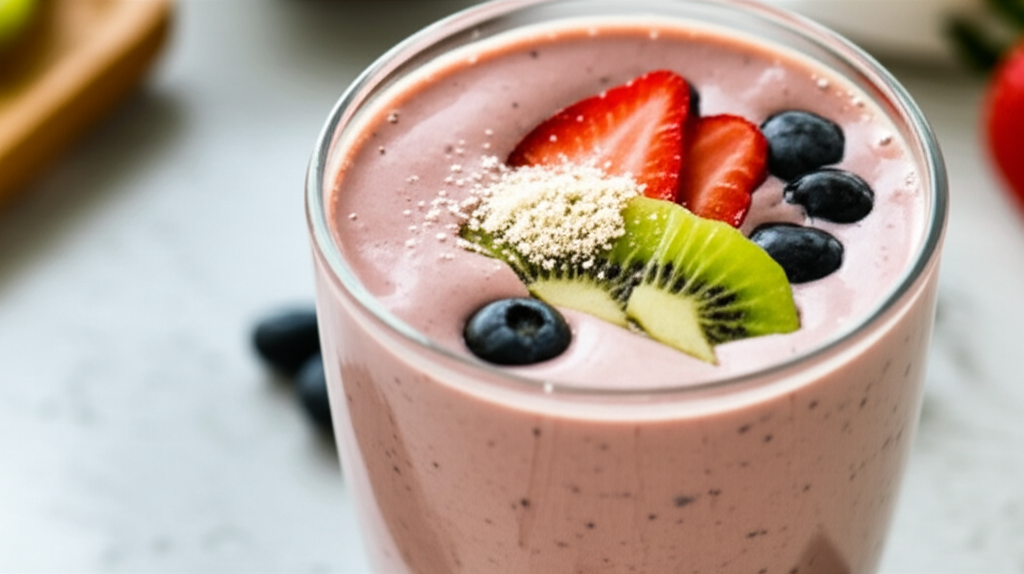
Making a protein milkshake is your best quick fix for a nutritious boost! Easily blend simple ingredients for a delicious, energizing drink that fuels your body anytime. Perfect for busy mornings or post-workout recovery, this guide shows you how.
Key Takeaways
- Blend 1 scoop protein powder with liquid for base.
- Add fruits or veggies for flavor and nutrients.
- Incorporate healthy fats for satiety and taste.
- Customize with spices and sweeteners as desired.
- Enjoy your quick, protein-packed milkshake!
How To Make Protein Milkshake: Best Quick Fix
Feeling a little low on energy? Need a fast, healthy snack or meal replacement? You’re not alone! Many of us struggle to get enough protein, especially on busy days. But what if I told you that making a delicious, protein-rich milkshake is surprisingly simple? You don’t need fancy equipment or complicated recipes. With just a few common ingredients, you can whip up a satisfying drink that tastes great and fuels your body. This guide will walk you through everything you need to know, step-by-step, to create your perfect protein milkshake. Get ready to blend your way to a healthier you!
Why Protein Milkshakes Are Your Go-To Solution

Protein is a fundamental building block for our bodies. It’s essential for muscle repair and growth, hormone production, and even keeping you feeling full and satisfied. Unfortunately, many of us don’t get enough protein from our regular meals, especially if we’re active or trying to manage our weight. This is where a protein milkshake shines. It’s a convenient, portable, and delicious way to ensure you’re meeting your daily protein needs without a lot of fuss.
Think of it as a nutritional powerhouse you can hold in your hand. Whether you’ve just finished a tough workout and need to refuel, or you’re rushing out the door and need a breakfast that will keep you going, a protein milkshake is your answer. It’s versatile, allowing you to customize flavors and nutrients to your exact preferences and dietary needs. Let’s dive into what makes a great protein milkshake and how you can make one yourself.
Understanding the Core Components of a Protein Milkshake
At its heart, a protein milkshake is a simple combination of a liquid base, a protein source, and flavor/nutrient enhancers. Mastering these basics will give you the foundation to create endless variations. We’ll break down each component so you can confidently choose what works best for you.
The Liquid Base: Your Milkshake’s Foundation
The liquid you choose significantly impacts the texture, flavor, and nutritional profile of your milkshake. For a creamy, classic milkshake texture, you’ll want something with a bit of body. However, lighter options are also available for those watching calories or dairy intake.
Dairy Options
- Milk (Cow’s Milk): This is the traditional choice. It provides protein, calcium, and a rich, creamy texture. Whole milk offers the most calories and fat for richness, while skim or 1% milk are lighter options.
- Kefir: A fermented milk drink, kefir adds a tangy flavor and a probiotic boost for gut health. It’s typically thicker than milk.
Non-Dairy Options
- Almond Milk: A popular low-calorie choice, almond milk is light and has a subtle nutty flavor. Unsweetened versions are best to control sugar intake.
- Soy Milk: This is one of the higher-protein non-dairy milks, offering a texture similar to cow’s milk.
- Oat Milk: Known for its creaminess, oat milk can make your milkshake wonderfully smooth. It has a slightly sweet, neutral flavor.
- Coconut Milk (Beverage): Lighter than canned coconut milk, this beverage version adds a hint of tropical flavor and creaminess.
- Water: For the absolute lowest calorie option, water can be used, though it will result in a thinner, less creamy shake.
The Protein Powerhouse: Choosing Your Protein Source
This is where the “protein” in protein milkshake comes from! The most common and convenient source is protein powder. However, whole food options can also be incorporated.
Protein Powders
Protein powders are concentrated sources of protein, typically derived from whey, casein, soy, peas, rice, or hemp. They are designed to be easily digestible and absorbable.
- Whey Protein: Derived from milk, whey is a complete protein and is rapidly absorbed, making it excellent for post-workout recovery. It comes in concentrate, isolate, and hydrolysate forms.
- Casein Protein: Also from milk, casein digests more slowly than whey, providing a sustained release of amino acids. It’s great for keeping you full longer.
- Plant-Based Proteins: These are ideal for vegans, vegetarians, or those with dairy sensitivities. Common sources include pea, rice, hemp, and soy. Often, plant-based blends combine multiple sources to create a complete amino acid profile.
Pro Tip: When selecting a protein powder, look for options with minimal added sugars and artificial ingredients. Reading reviews can help you find a brand with a taste and texture you’ll enjoy.
Whole Food Protein Boosters (Optional Add-ins)
While protein powder is efficient, you can also boost protein with whole foods:
- Greek Yogurt: Adds creaminess and a significant protein punch, along with probiotics.
- Cottage Cheese: Surprisingly blendable, cottage cheese adds a protein boost and a creamy texture without a strong flavor.
- Silken Tofu: A vegan option that adds protein and a smooth, creamy consistency.
Flavor & Nutrient Boosters: The Fun Part!
This is where you can get creative! Adding fruits, vegetables, healthy fats, and spices can transform a basic protein shake into a delicious and nutrient-dense meal or snack.
Fruits
Fruits add natural sweetness, vitamins, minerals, and fiber. Frozen fruits are excellent for creating a thick, frosty texture without needing ice.
- Berries (strawberries, blueberries, raspberries): Rich in antioxidants and fiber.
- Banana: Adds natural sweetness and creaminess. Frozen banana is a milkshake staple.
- Mango, Pineapple, Peach: Tropical and sweet flavors, packed with vitamins.
- Apple, Pear: Offer fiber and a milder sweetness.
Vegetables
Don’t be scared! Many vegetables blend in seamlessly, adding nutrients without overpowering the taste.
- Spinach, Kale: Mild-flavored greens that are nutritional powerhouses. You usually can’t taste them!
- Cucumber: Adds hydration and a refreshing taste.
- Carrots: A touch of sweetness and beta-carotene.
- Avocado: While technically a fruit, it’s often used for its creamy texture and healthy fats, not sweetness.
Healthy Fats for Satiety and Texture
Fats help you feel full longer and can improve the mouthfeel of your shake.
- Nut Butters (peanut, almond, cashew): Add protein, healthy fats, and delicious flavor.
- Seeds (chia, flax, hemp): Excellent sources of omega-3 fatty acids and fiber. Chia and flax seeds can also thicken your shake.
- Avocado: As mentioned, it adds incredible creaminess and monounsaturated fats.
- Coconut Oil/MCT Oil: For an energy boost.
Sweeteners (Use Sparingly!)
Often, fruit provides enough sweetness. If you need more, opt for natural options.
- Honey, Maple Syrup, Agave Nectar: Natural liquid sweeteners.
- Dates: Add sweetness and fiber.
- Stevia, Monk Fruit: Zero-calorie natural sweeteners.
Spices and Flavorings
Elevate your shake with these additions.
- Vanilla Extract: A classic enhancer.
- Cinnamon, Nutmeg, Ginger: Warm spices that pair well with many fruits.
- Cocoa Powder: For a chocolatey treat.
- Mint Leaves: For a refreshing twist.
Essential Tools for Making Your Protein Milkshake
While you can technically make a protein shake without a blender (more on that later!), a blender is by far the easiest and most effective tool. The type of blender you have will influence the texture and speed of your preparation.
The Blender Options
- Countertop Blender: The most common type. These are powerful and can handle ice and frozen fruits easily, creating smooth textures. They are great for larger batches.
- Personal/Bullet Blender: Compact and convenient. You blend directly in the cup, which then often serves as your to-go container. Ideal for single servings.
- Immersion Blender (Stick Blender): Versatile for soups and sauces, it can also make a decent protein shake, especially if you don’t have a lot of hard ingredients like ice. You’ll need a deep cup or container.
No Blender? No Problem! The Shaker Bottle Method
If you don’t have a blender, a good quality shaker bottle with a whisk ball is your best friend. It won’t create the super-smooth texture of a blended shake, especially with frozen ingredients, but it’s perfect for powders and softer additions.
You’ll need:
- A sturdy shaker bottle with a tight-fitting lid.
- A whisk ball (often included with shaker bottles).
- Your liquid ingredients and protein powder.
The process involves adding your liquid and powder, securing the lid, and shaking vigorously to break up clumps and combine everything. It’s best suited for liquid protein powders or mixes with softer ingredients like fresh fruit (mashed first) and nut butters.
Step-by-Step: How To Make Protein Milkshake (The Blender Method)
This is the most common and effective way to achieve a delicious, smooth protein milkshake. Follow these simple steps:
Step 1: Choose Your Liquid Base
Pour your desired liquid into the blender first. This helps the blades move freely and prevents ingredients from sticking to the bottom. Start with about 1 to 1.5 cups of liquid for a single serving. You can always add more if the shake is too thick.
Step 2: Add Your Protein Source
Add your scoop(s) of protein powder. If you’re using whole food protein boosters like Greek yogurt or cottage cheese, add them now as well.
Step 3: Incorporate Fruits and Vegetables
Add your chosen fruits and vegetables. If using frozen fruits, this is where you add them for a cold, thick shake. If using fresh, you might consider adding a few ice cubes for chill and thickness.
Step 4: Include Healthy Fats and Flavor Boosters
Add any nut butters, seeds, avocado, spices, or sweeteners at this stage. Don’t overdo the sweeteners; you can always adjust after tasting.
Step 5: Blend Until Smooth
Secure the lid tightly. Start blending on a low speed, then gradually increase to high. Blend for 30-60 seconds, or until all ingredients are thoroughly combined and the shake reaches your desired consistency. If it’s too thick, add a splash more liquid and blend again. If it’s too thin, add a few ice cubes or a bit more frozen fruit and blend.
Step 6: Taste and Adjust
Carefully remove the lid and taste your creation. Does it need more sweetness? A touch more spice? Adjust as needed and give it a quick final blend.
Step 7: Pour and Enjoy!
Pour your delicious protein milkshake into a glass and enjoy immediately for the best taste and texture. You can garnish with a sprinkle of seeds or a slice of fruit if you’re feeling fancy!
Step-by-Step: How To Make Protein Milkshake (The Shaker Bottle Method)
This method is perfect for when you’re on the go or don’t have access to a blender.
Step 1: Add Liquid to Shaker Bottle
Pour your liquid base (milk, water, etc.) into the shaker bottle first. About 8-10 ounces is a good starting point.
Step 2: Add Protein Powder
Add your scoop of protein powder. If using a powder that tends to clump, consider adding a small amount of liquid first and mixing it into a paste before adding the rest of the liquid.
Step 3: Add Soft Ingredients (Optional)
If you’re adding things like a tablespoon of nut butter or a few berries, add them now. For berries, it’s best if they are very soft or slightly mashed.
Step 4: Add Whisk Ball
Place the whisk ball into the shaker bottle.
Step 5: Secure Lid and Shake Vigorously
Ensure the lid is screwed on TIGHTLY. Shake the bottle vigorously for at least 30-60 seconds. You want to hear the whisk ball moving freely and breaking up any clumps. Keep shaking until everything is well combined.
Step 6: Check Consistency and Taste
Open carefully. Give it a stir if needed. The texture won’t be as smooth as a blended shake, but it should be drinkable. If it’s too thick, add a little more liquid and shake again.
Step 7: Drink Up!
Enjoy your quick protein fix directly from the shaker bottle.
Sample Protein Milkshake Recipes for Beginners
To get you started, here are a few simple, delicious recipes. Feel free to adapt them based on your preferences!
1. Classic Berry Banana Protein Shake
A crowd-pleaser, this shake is naturally sweet and packed with nutrients.
- 1 cup unsweetened almond milk
- 1 scoop vanilla or unflavored whey/plant-based protein powder
- 1/2 frozen banana
- 1/2 cup frozen mixed berries
- 1 tablespoon chia seeds
Instructions: Combine all ingredients in a blender. Blend until smooth. Add more almond milk if needed for desired consistency.
2. Peanut Butter Chocolate Power Shake
Rich, satisfying, and tastes like a treat!
- 1.5 cups unsweetened soy milk
- 1 scoop chocolate protein powder
- 1 tablespoon natural peanut butter
- 1/2 frozen banana
- 1 tablespoon cocoa powder (unsweetened)
- Optional: 1-2 ice cubes if not using frozen banana
Instructions: Add all ingredients to the blender. Blend until creamy and smooth.
3. Green Goddess Protein Smoothie
A nutrient-dense option that cleverly hides greens!
- 1 cup unsweetened oat milk
- 1 scoop unflavored or vanilla protein powder
- 1 cup fresh spinach (packed)
- 1/2 frozen banana
- 1/4 avocado
- 1 teaspoon honey or maple syrup (optional)
Instructions: Place spinach and oat milk in the blender first. Blend until the spinach is fully broken down. Then add the remaining ingredients and blend until smooth and creamy.
Nutritional Benefits of Protein Milkshakes
Beyond just protein, these shakes offer a range of health benefits:
Muscle Recovery and Growth
The primary benefit of a protein milkshake, especially post-exercise, is aiding muscle repair and synthesis. The amino acids from the protein powder help rebuild muscle tissue that has been broken down during activity. According to the National Institutes of Health, adequate protein intake is crucial for individuals engaged in resistance training.
Satiety and Weight Management
Protein is highly satiating, meaning it helps you feel fuller for longer. This can reduce overall calorie intake by curbing cravings and preventing overeating. Including healthy fats and fiber from fruits and seeds further enhances this effect, making protein shakes an excellent tool for weight management.
Convenience and Nutrient Density
In our fast-paced lives, it’s easy to skip meals or opt for less healthy choices. A protein milkshake is a quick, portable, and nutrient-dense alternative. You can pack a significant amount of vitamins, minerals, protein, and healthy fats into one easy-to-consume beverage.
Improved Energy Levels
Protein helps stabilize blood sugar levels, preventing the energy crashes associated with high-carbohydrate, low-protein meals. This leads to more sustained energy throughout the day.
Common Protein Milkshake Mistakes to Avoid
Even simple recipes can have pitfalls. Here are a few common mistakes beginners make:
1. Too Much Liquid
Starting with too much liquid can result in a watery, unsatisfying shake. It’s always easier to add more liquid than to thicken a shake that’s too thin.
Solution: Start with the recommended amount of liquid (or even slightly less) and add more gradually until you reach your desired consistency.
2. Not Enough Protein
Using less protein powder than recommended will defeat the purpose of a protein milkshake. Protein powders are formulated for optimal absorption and efficacy.
Solution: Stick to the serving size recommended on your protein powder packaging, usually one scoop.
3. Over-reliance on Sweeteners
Adding too much honey, maple syrup, or other sweeteners can turn a healthy shake into a sugar bomb. This negates many of the health benefits.
Solution: Taste your shake before adding sweeteners. Often, the natural sweetness from fruits is enough. If you need more, use minimal amounts of natural sweeteners.
4. Using Only Ice (Instead of Frozen Fruit)
While ice adds coldness and thickness, it can dilute the flavor and create an icy, rather than creamy, texture. Frozen fruits contribute flavor and nutrients along with thickness.
Solution: Prioritize frozen fruits like bananas or berries for thickness and flavor. Use ice sparingly if needed.
5. Clumpy Powder
This is especially common with the shaker bottle method. If powder isn’t mixed properly, you end up with unpleasant clumps.
Solution: For blenders, ensure enough liquid is added first. For shaker bottles, try adding powder to a small amount of liquid to form a paste before adding the rest, or use a powder specifically designed for easy mixing.
Protein Milkshake Variations and Customization
Once you’ve mastered the basics, the possibilities are endless! Here are some ideas to inspire your creativity:
Seasonal Flavors
- Autumn Spice: Pumpkin puree, cinnamon, nutmeg, ginger, maple syrup, vanilla protein.
- Tropical Getaway: Mango, pineapple, coconut milk, a squeeze of lime, vanilla protein.
- Mint Chocolate Chip: Chocolate protein, spinach, mint leaves, a few drops of peppermint extract, cocoa nibs.
Dietary Considerations
- Low Carb/Keto: Use unsweetened almond milk or heavy cream, avocado, MCT oil, and low-carb protein powder. Sweeten with stevia or monk fruit. Avoid high-sugar fruits and added sugars.
- Vegan: Utilize plant-based milks, plant-based protein powders, silken tofu, and fruits/vegetables.
- Gluten-Free: Ensure your protein powder and any other additives are certified gluten-free. Most whole food ingredients are naturally GF.
Texture Boosters
Beyond frozen fruit and avocado, consider adding:
- Oats: Rolled oats (about 1/4 cup) can add fiber and make your shake more filling, like a meal replacement.
- Psyllium Husk: A fiber supplement that significantly thickens shakes. Start with a teaspoon.
Protein Content Comparison: Common Ingredients
To help you plan your shakes, here’s a look at the approximate protein content of common ingredients. Please note that these are averages and can vary by brand and specific product.
| Ingredient | Serving Size | Approximate Protein (grams) |
|---|---|---|
| Whey Protein Isolate | 1 scoop (approx. 30g) | 25-30g |
| Plant-Based Protein Blend | 1 scoop (approx. 30g) | 20-25g |
| Cow’s Milk (2%) | 1 cup (8 fl oz) | 8g |
| Soy Milk (Unsweetened) | 1 cup (8 fl oz) | 7-8g |
| Greek Yogurt (Plain, Non-fat) | 1/2 cup | 10-12g |
| Cottage Cheese (Low-fat) | 1/2 cup | 12-14g |
| Almond Milk (Unsweetened) | 1 cup (8 fl oz) | 1g |
| Peanut Butter | 2 tablespoons | 7-8g |
| Chia Seeds | 2 tablespoons | 4g |
| Hemp Seeds | 3 tablespoons | 10g |
As you can see, protein powder is the most concentrated source. Combining it with milk or soy milk and ingredients like Greek yogurt or nut butter can easily get you 30-50 grams of protein in a single shake.
Frequently Asked Questions (FAQ)
Q1: Can I make a protein milkshake without protein powder?
Yes, you can! While protein powder is the most efficient way to boost protein, you can use whole food sources like Greek yogurt, cottage cheese, silken tofu, milk, or even nuts and seeds. However, you’ll need a larger quantity of these to reach the same protein level as one scoop of powder.
Q2: How much protein do I need in a milkshake?
For a meal replacement or significant post-workout recovery, aiming for 20-30 grams of protein per shake is a good target. For a snack, 10-15 grams might be sufficient. The exact amount depends on your individual needs, activity level, and overall diet.
Q3: Can I make protein milkshakes ahead of time?
It’s best to drink protein milkshakes immediately after preparing them. Over time, ingredients can separate, fruits can oxidize, and the texture may degrade. If you must prepare ahead, blend everything except ice and pour into an airtight container. Add ice and re-blend briefly just before serving.
Q4: Are protein milkshakes good for weight loss?
Yes, protein milkshakes can be beneficial for weight loss when used as part of a balanced diet. Protein helps with satiety, reducing hunger and cravings. Replacing a high-calorie meal with a protein-rich, nutrient-dense shake can help you consume fewer calories overall. However, they are not a magic bullet and should be combined with a healthy eating plan and exercise.
Q5: What’s the best liquid for a creamy protein milkshake?
For maximum creaminess, whole milk or a creamy non-dairy milk like oat milk or soy milk are excellent choices. Adding ingredients like avocado, Greek yogurt, or frozen banana also significantly enhances creaminess.
Q6: Can I add ice to my protein milkshake?
Yes, you can add ice, especially if you are using fresh fruit instead of frozen. Ice helps to chill the shake and thicken it. However, be mindful that too much ice can dilute the flavor and result in an icier texture rather than a creamy one. Frozen fruit is often preferred for flavor and texture.
Q7: How can I make my protein milkshake taste better?
Experiment with flavor boosters! Natural sweeteners like dates, a touch of honey or maple syrup, vanilla extract, cinnamon, cocoa powder, or fresh mint can all enhance the taste. Using a flavored protein powder can also be a simple solution.
Conclusion
Mastering how to make a protein milkshake is a fantastic skill for anyone looking for a quick, healthy, and satisfying boost. Whether you’re fueling up before a workout, recovering after, or simply need a nutritious meal on the go, the versatility of protein milkshakes ensures there’s a perfect blend for you. By understanding the core components—your liquid base, protein source, and flavor enhancers—and following simple blending or shaking techniques, you can create delicious concoctions tailored to your taste and nutritional goals. Don’t be afraid to experiment with different ingredients and discover your own signature protein milkshake!