
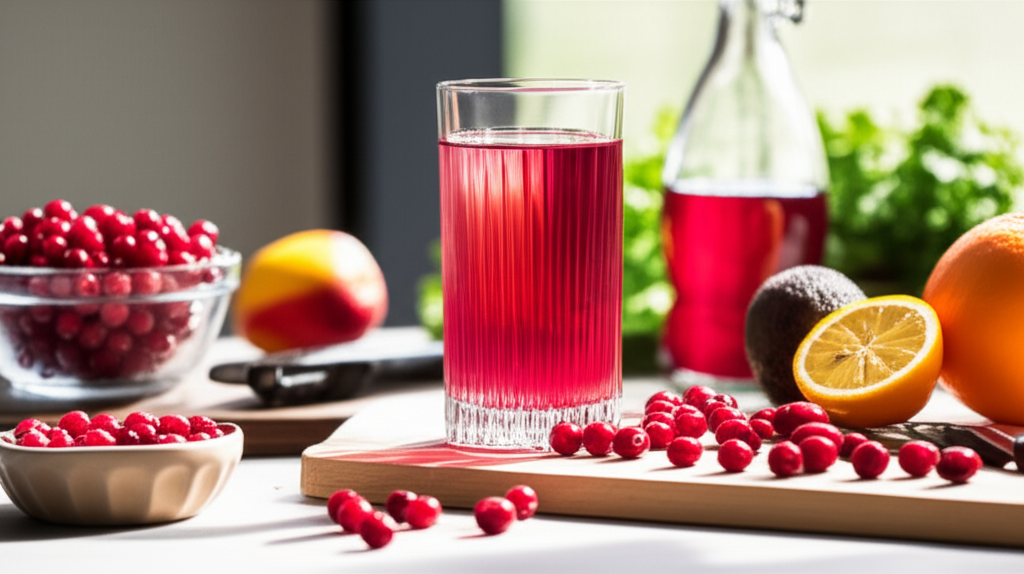
Is Cranberry Juice Good For Periods? Your Beginner’s Guide
Yes, unsweetened cranberry juice may offer some benefits for period discomfort due to its antioxidants and anti-inflammatory properties, potentially helping with bloating and cramps. However, more research is needed to confirm its direct impact on menstrual cycles.
Key Takeaways
- Soothes menstrual discomfort with antioxidants.
- May reduce inflammation and bloating.
- Choose 100% unsweetened juice for best results.
- Hydration is key during your period.
- Consult a doctor for severe symptoms.
Navigating period symptoms can sometimes feel like a puzzle. You might be wondering about natural remedies that can offer relief. Cranberry juice often pops up in conversations about women’s health. But is cranberry juice good for periods, really? It’s a common question, and the answer isn’t always straightforward. Many people are curious if this tart drink can ease cramps, reduce bloating, or even help regulate cycles. We’re here to break down the science and practical advice in a way that’s easy to understand. Get ready to discover how cranberry juice might fit into your period self-care routine.
Understanding Period Discomfort and Natural Remedies

Menstrual cycles are a natural part of life for many, but they often come with a range of symptoms that can be uncomfortable. These can include:
- Cramps (dysmenorrhea)
- Bloating and water retention
- Mood swings
- Fatigue
- Headaches
For centuries, people have turned to natural remedies to manage these symptoms. From herbal teas to specific foods, the search for gentle, effective relief is ongoing. Cranberry juice, with its vibrant color and distinct tartness, has gained popularity in wellness circles for its potential health benefits. Its reputation often centers on urinary tract health, but its properties might extend to easing menstrual discomfort as well. Let’s explore what makes cranberry juice a candidate for period relief.
The Nutritional Powerhouse: What’s in Cranberry Juice?
Cranberries are packed with beneficial compounds that contribute to their health-promoting reputation. The key players are:
- Antioxidants: Cranberries are particularly rich in flavonoids and polyphenols, powerful antioxidants that help combat oxidative stress in the body. These compounds can protect cells from damage.
- Vitamins and Minerals: They contain Vitamin C, Vitamin E, and Vitamin K, along with manganese.
- Organic Acids: These contribute to their tart taste and may have various health effects.
When you consider these components, it’s easy to see why cranberry juice might be beneficial for more than just urinary health. Antioxidants are known for their anti-inflammatory properties, which can be helpful when dealing with the inflammatory processes that contribute to period pain and bloating. Understanding these core nutritional benefits is the first step in seeing how cranberry juice might help you during your cycle.
Cranberry Juice and Period Pain: The Science
The direct link between cranberry juice and alleviating menstrual cramps is an area where more scientific research is needed. However, we can infer potential benefits from its known properties:
- Anti-inflammatory Effects: Proanthocyanidins (PACs), a type of polyphenol found in cranberries, are believed to have anti-inflammatory properties. Inflammation can play a role in period cramps, so reducing it might offer some relief.
- Antioxidant Power: The high antioxidant content can help fight inflammation throughout the body, which may indirectly ease discomfort associated with menstruation.
- Hydration: Staying well-hydrated is crucial during your period. Drinking fluids, including cranberry juice, contributes to overall hydration, which can help with bloating and muscle function.
While cranberry juice isn’t a magical cure for period pain, its natural compounds could offer a gentle, supportive role. It’s important to remember that individual responses can vary. What works wonders for one person might have a lesser effect on another. The key is to listen to your body and see how it reacts.
The Role of Unsweetened Cranberry Juice
This is a crucial point for anyone considering cranberry juice for period relief. Most commercially available cranberry juices are loaded with added sugar to counteract their natural tartness. This sugar can actually be counterproductive, potentially increasing inflammation and worsening symptoms like bloating and mood swings.
For the best potential benefits, opt for 100% pure, unsweetened cranberry juice. This means reading the labels carefully and avoiding anything with added sugars, high-fructose corn syrup, or artificial sweeteners. If the taste is too intense, you can dilute it with water or mix it with other natural juices like apple or pomegranate. Making your own cranberry juice from fresh or frozen cranberries is also an excellent way to control the ingredients.
You can find reputable brands of 100% cranberry juice at most health food stores and many larger supermarkets. Look for certifications like USDA Organic if that’s important to you.
Beyond Pain: Other Potential Period Benefits
While managing cramps is a primary concern, cranberry juice might offer other subtle advantages during your period:
Combating Bloating and Water Retention
Many people experience bloating and feel heavier during their period. Cranberry juice, particularly when unsweetened, can act as a mild diuretic, helping your body shed excess water. The antioxidants may also help reduce inflammation contributing to that puffy feeling.
Mood Support and Energy Levels
While not a direct mood booster, maintaining good hydration and reducing inflammation can indirectly support overall well-being. Some research suggests that antioxidants may play a role in brain health and combating fatigue, which can be common period complaints.
Nutrient Intake
Adding cranberry juice to your diet ensures you’re getting a boost of Vitamin C, which is an antioxidant and supports the immune system. This can be beneficial when your body might be feeling more stressed due to menstrual symptoms.
How to Incorporate Cranberry Juice into Your Period Routine
Making cranberry juice a part of your period self-care is simple and can be customized to your taste and needs. Here’s how to do it right:
Choosing the Right Cranberry Juice
As mentioned, 100% unsweetened cranberry juice is key. Look for labels that clearly state “100% Juice” and have no added sugars or sweeteners. Some brands might be labeled “cranberry juice cocktail,” which typically contains a lot of added sugar and water, so steer clear of those for health benefits.
Pro Tip: If you’re making your own juice, you can use fresh or frozen cranberries. Boil them with water, strain the liquid, and let it cool. You can add a touch of natural sweetener like stevia or a tiny amount of honey if needed, but aim for minimal sweetness.
Serving Suggestions
The tartness of pure cranberry juice can be intense. Here are a few ways to enjoy it:
- Straight Up: Drink a small glass (4-6 ounces) of 100% unsweetened cranberry juice daily during your period.
- Diluted: Mix equal parts cranberry juice with water. This makes it more palatable and increases your fluid intake.
- Juice Blends: Combine cranberry juice with other natural juices. Apple, pear, or pomegranate juice can complement its flavor. Aim for at least 50% cranberry juice in the blend.
- Smoothies: Add a splash of cranberry juice to your favorite fruit or vegetable smoothie.
When to Drink It
You can start incorporating cranberry juice a few days before your period is expected and continue throughout your cycle. Consistency is often key when it comes to natural remedies.
What to Avoid: The Pitfalls of Sugary Juices
It’s worth reiterating the importance of avoiding sweetened cranberry juices. These “cranberry juice cocktails” often contain:
- High Sugar Content: Can lead to energy crashes, increased inflammation, and potential weight gain.
- Artificial Sweeteners: Some people experience digestive upset or other adverse effects from artificial sweeteners.
- Lower Nutrient Density: Diluted with water and sugar, they offer fewer of the beneficial compounds found in pure cranberry juice.
Consuming large amounts of sugar can exacerbate period symptoms like mood swings, fatigue, and bloating. Always prioritize 100% pure juice for the most health benefits.
Comparing Cranberry Juice to Other Period Remedies
How does cranberry juice stack up against other popular period relief options? Let’s take a look:
Herbal Teas
Many herbal teas, such as chamomile, ginger, and raspberry leaf tea, are well-regarded for period relief. Chamomile can help with relaxation and cramps, ginger is known for its anti-inflammatory and anti-nausea properties, and raspberry leaf tea is traditionally used to tone uterine muscles.
Heat Therapy
Applying a heating pad or taking a warm bath is a classic and effective way to relax muscles and ease cramps. It’s a simple, direct method for pain relief.
Dietary Adjustments
Focusing on an anti-inflammatory diet rich in fruits, vegetables, lean proteins, and healthy fats can significantly impact period symptoms. Reducing processed foods, excessive sugar, and caffeine can also make a difference.
Supplements
Magnesium, omega-3 fatty acids, and certain B vitamins are often recommended as supplements to help manage period symptoms.
Cranberry juice can be a complementary remedy to these. It offers a unique combination of antioxidants and hydration that can support overall well-being during your cycle. It’s not typically a primary treatment for severe pain but can be a pleasant and potentially beneficial addition to your self-care toolkit.
When to Seek Professional Medical Advice
While natural remedies can be helpful, it’s essential to know when to consult a healthcare professional. If you experience any of the following, please reach out to your doctor:
- Severe, debilitating period pain that interferes with your daily life.
- Unusually heavy bleeding or bleeding between periods.
- Symptoms that change suddenly or become more severe.
- Concerns about your menstrual cycle or reproductive health.
A doctor can help diagnose any underlying conditions, such as endometriosis or fibroids, and recommend the most appropriate treatment plan for you. Cranberry juice should not be seen as a substitute for medical care when it’s needed.
Frequently Asked Questions (FAQ)
Q1: How much unsweetened cranberry juice should I drink for my period?
A: A good starting point is 4-6 ounces of 100% unsweetened cranberry juice per day. You can adjust this amount based on your tolerance and how you feel. It’s best to drink it diluted or mixed with other juices if the tartness is too strong.
Q2: Can cranberry juice help with PMS symptoms?
A: While direct research is limited, the antioxidant and anti-inflammatory properties of unsweetened cranberry juice might help reduce some PMS symptoms like bloating and fatigue. Staying hydrated also plays a role in managing PMS.
Q3: Are there any side effects to drinking cranberry juice during my period?
A: For most people, drinking unsweetened cranberry juice in moderation is safe. However, excessive consumption might cause digestive upset for some. If you have a history of kidney stones, consult your doctor, as cranberries contain oxalates.
Q4: Can cranberry juice affect my menstrual cycle length or regularity?
A: There is currently no strong scientific evidence to suggest that cranberry juice directly affects menstrual cycle length or regularity. Its benefits are more likely related to managing symptoms of discomfort.
Q5: Is cranberry juice better than cranberry pills for period relief?
A: Cranberry pills offer a concentrated dose of cranberry compounds, often without the tartness or need for dilution. However, juice provides hydration and is a more natural way to consume the fruit. Both can offer benefits, but choose the form that best suits your needs and preferences, always opting for unsweetened juice or high-quality supplements.
Q6: What are the best juices to mix with cranberry juice for period relief?
A: For flavor and potential added benefits, consider mixing unsweetened cranberry juice with other natural juices like pomegranate (rich in antioxidants), apple (mild sweetness), or a splash of ginger juice (for its anti-inflammatory properties).
Conclusion
So, is cranberry juice good for periods? Unsweetened, 100% pure cranberry juice holds promise as a supportive natural remedy for period discomfort. Its rich antioxidant and anti-inflammatory compounds may help ease symptoms like bloating and mild cramping. Remember, the key is to choose unsweetened varieties to avoid the pitfalls of added sugars. Incorporating it into your routine as a diluted drink, a blend, or in a smoothie can be a refreshing way to support your body during your cycle. While it’s not a replacement for medical advice, it can be a valuable, gentle addition to your self-care practices. Enjoy exploring this tart, tasty, and potentially beneficial addition to your period wellness toolkit!