
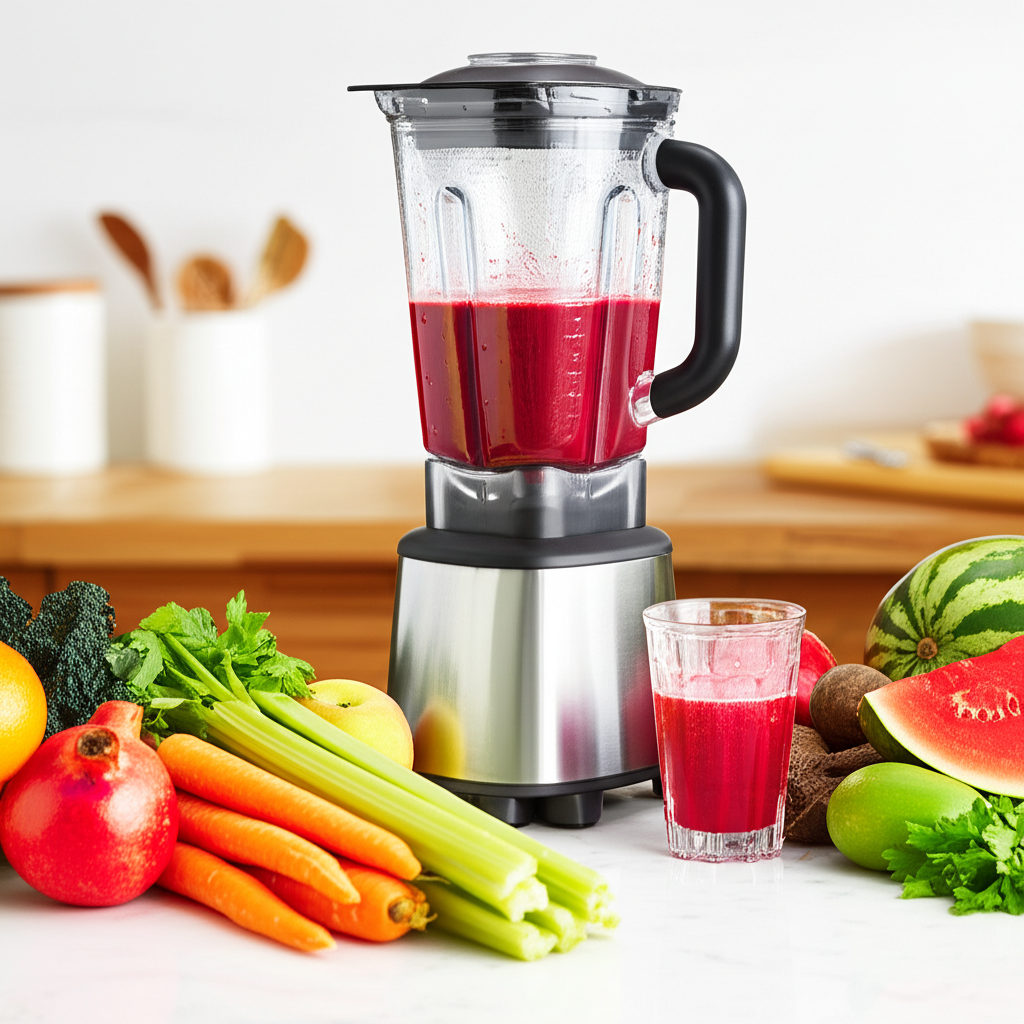
Making fresh pomegranate juice in a blender is surprisingly simple and yields a vibrant, nutritious drink. This guide breaks down the process, showing you how to extract maximum juice with minimal fuss, transforming those ruby-red arils into a delicious, healthy beverage right in your kitchen.
Key Takeaways
- Extract pomegranate seeds (arils) easily.
- Blend arils briefly to avoid bitter pith.
- Strain seeds to separate juice from solids.
- Enjoy pure, homemade pomegranate juice quickly.
- Customize sweetness and flavor easily.
- Blender method offers speed and efficiency.
How to Make Pomegranate Juice in Blender
Pomegranate juice, with its deep crimson hue and complex, slightly tart flavor, is a nutritional powerhouse. Often found in specialty stores or expensive juice bars, making it at home might seem like a complicated endeavor. However, with a common kitchen appliance – your blender – you can unlock this ruby-red elixir with remarkable ease. This guide will walk you through the straightforward process, transforming the seemingly daunting task of juicing a pomegranate into a simple, rewarding activity.
You might have seen whole pomegranates and wondered about the best way to access their precious juice. Traditional juicers can be messy, and manually separating the seeds can be tedious. But what if I told you that your blender, that workhorse of smoothies and sauces, is also perfectly capable of making fresh pomegranate juice? It’s true. We’ll demystify the process, ensuring you get a clean, delicious result without any bitterness. Let’s begin by understanding what makes this fruit so special and what you’ll need.
The Marvel of the Pomegranate

Before we dive into the ‘how,’ let’s appreciate the ‘why.’ The pomegranate (Punica granatum) is an ancient fruit, originating from the region spanning modern-day Iran to northern India. Revered across cultures for its symbolism of fertility, abundance, and health, it’s more than just a pretty fruit. Its seeds, called arils, are encased in a juicy pulp, bursting with antioxidants, vitamins, and beneficial compounds. Notably, pomegranates are rich in punicalagins and punicic acid, potent antioxidants linked to various health benefits. Studies, such as those exploring the antioxidant capacity of fruit juices, often highlight pomegranate’s significant contribution to dietary intake of these beneficial compounds. Its vibrant color is a testament to its rich phytonutrient profile.
While readily available in many grocery stores, the cost of pre-packaged pomegranate juice can add up. Furthermore, many commercial juices may contain added sugars or preservatives, diluting the pure, unadulterated goodness of the fruit. By making your own, you gain complete control over the ingredients and enjoy a fresher, more potent beverage. This journey into making your own pomegranate juice connects you to a tradition of appreciating whole foods and harnessing their natural power, a concept that resonates deeply with a thoughtful, analytical approach to daily living.
Essential Tools and Ingredients
To embark on this simple yet sophisticated process of creating homemade pomegranate juice, you won’t need a specialized juicing machine. Your trusty blender will be the star of the show. Here’s a breakdown of what you’ll require:
Ingredients:
- Fresh Pomegranates: The number will depend on how much juice you wish to make. Aim for ripe, firm fruits.
- Water (Optional): A small amount can help with blending if your blender struggles, but it’s often not necessary.
- Sweetener (Optional): Honey, maple syrup, or a pinch of sugar if you prefer a sweeter juice.
- Lemon or Lime Juice (Optional): A squeeze can add a bright, refreshing note.
Equipment:
- Blender: Any standard blender will suffice. High-powered blenders can process the seeds more finely, but it’s not a strict requirement.
- Sharp Knife: For cutting the pomegranate.
- Cutting Board: A stable surface for preparation.
- Large Bowl: To catch the arils.
- Fine-Mesh Sieve or Cheesecloth: Essential for straining the juice.
- Another Bowl or Pitcher: To collect the strained juice.
- Spoon: For scooping out seeds and pressing pulp.
Gathering these items is akin to setting up a simple, efficient production line. Each tool plays a distinct role in transforming the raw material into a refined product, a principle that applies to many technological and data-driven processes. Having everything ready before you start ensures a smooth workflow.
Step-by-Step: How to Make Pomegranate Juice in Blender
The process of making pomegranate juice in a blender can be broken down into a few manageable steps. Precision and a gentle approach are key to extracting the best flavor and avoiding the bitterness that can come from over-processing the seeds. Follow these instructions carefully to achieve optimal results.
Step 1: Preparing the Pomegranate
The first step is to extract the arils from the pomegranate. This can seem intimidating, but there are several effective methods. A common and clean approach involves scoring the fruit.
- Score the Rind: Place the pomegranate on a cutting board. Using a sharp knife, carefully score the skin in a circular pattern around the equator of the fruit. Do not cut too deeply; you want to penetrate the outer rind but not the arils inside.
- Twist Apart: Gently twist the two halves of the pomegranate apart. They should separate cleanly.
- Remove Arils: Submerge one half of the pomegranate in a bowl of water. Use your fingers to gently pry the arils away from the white pith. The arils will sink to the bottom of the bowl, while the pith will float. This water method helps to keep your hands from getting stained and makes separating the pith easier. Repeat with the other half.
- Drain and Pick: Once all arils are removed, drain the water. You can quickly pick out any remaining pieces of pith that may have sunk with the arils.
Alternatively, you can score the pomegranate into quarters and then break them apart by hand, picking out the arils directly into a bowl. Some find this quicker, though it can be messier.
Step 2: Blending the Arils
This is where the blender comes into play. The goal here is to rupture the arils to release their juice, not to pulverize the seeds themselves. Over-blending can release bitter compounds from the seeds and the white membranes, significantly impacting the taste of your juice.
- Add Arils to Blender: Place the extracted pomegranate arils into your blender jar.
- Add Optional Liquids: If you are using a less powerful blender or find the mixture too thick, you can add a tablespoon or two of water. This is usually unnecessary with most blenders.
- Blend Briefly: Secure the lid on your blender. Pulse the blender for short bursts, or blend on a low setting for no more than 15-30 seconds. You are looking for the arils to break open and release their juice, not to become a paste. You should see the mixture become more liquid.
Pro Tip: The key to avoiding bitterness is minimal blending time. Think of it as a quick agitation to break the cells, not a full liquefaction.
Step 3: Straining the Juice
After blending, you’ll have a mixture of juice, aril fragments, and potentially some pulverized seeds and pith. Straining is crucial to achieve a smooth, clear juice.
- Prepare for Straining: Place a fine-mesh sieve over a clean bowl or pitcher. For an even clearer juice, you can line the sieve with a double layer of cheesecloth.
- Pour and Strain: Carefully pour the blended pomegranate mixture into the sieve.
- Press for More Juice: Use the back of a spoon to gently press down on the solids in the sieve. This helps to extract as much juice as possible. Be careful not to press too hard, as this can push bitter elements through the sieve.
- Discard Solids: Once you’ve extracted all the juice, discard the remaining pulp and seeds.
Step 4: Flavoring and Serving
At this point, you have pure, fresh pomegranate juice. You can drink it as is, or customize it to your preference.
- Taste and Adjust: Taste the juice. If it’s too tart for your liking, you can add a small amount of sweetener like honey, maple syrup, or a pinch of sugar. Stir until dissolved.
- Add Acidity (Optional): A squeeze of fresh lemon or lime juice can enhance the flavor and add a refreshing zest.
- Chill: For the best experience, chill the juice in the refrigerator for at least 30 minutes before serving.
- Serve: Pour the chilled pomegranate juice into glasses. Garnish with a few fresh arils or a slice of lime if desired.
You have now successfully created delicious, homemade pomegranate juice using just your blender. This method is efficient and allows for a truly fresh taste that bottled juices often cannot replicate. It’s a small victory in harnessing natural resources for personal well-being.
Tips for Perfect Pomegranate Juice
Achieving consistently delicious pomegranate juice involves a few nuanced techniques. These tips, born from understanding the fruit’s properties and the mechanics of blending, can elevate your homemade juice from good to exceptional.
Maximizing Juice Yield
To get the most juice from your pomegranates, ensure you’re using ripe fruits. Ripe pomegranates are heavier for their size, indicating more juice content. When separating the arils, the water-submersion method is highly effective not only for separating pith but also for making the arils plump and ready to release their liquid upon blending. After straining, if you’re feeling industrious, you can even press the remaining pulp in the cheesecloth to extract a bit more juice, though this may yield a slightly more bitter concentrate.
Avoiding Bitterness
As mentioned, over-blending is the primary culprit for bitter pomegranate juice. The seeds contain tannins, which, when broken down excessively, impart an astringent, bitter taste. Blending in short bursts or pulsing is critical. Furthermore, ensure you remove as much of the white pith as possible before blending. This pith, the spongy layer between the arils and the rind, is also a source of bitterness. If you find your juice is still a bit bitter, a touch of honey or a simple syrup can help to mask it. The addition of a small amount of citrus juice can also balance out any undesirable notes.
Storage and Shelf Life
Freshly made pomegranate juice, like most fresh juices, does not contain preservatives and therefore has a limited shelf life. Store your homemade juice in an airtight container in the refrigerator. It will typically stay fresh for about 2 to 3 days. Beyond that, the flavor may begin to degrade, and the risk of spoilage increases. For longer storage, you could consider freezing the juice in ice cube trays or freezer-safe containers, though the texture may change slightly upon thawing.
Nutritional Benefits and Comparisons
Pomegranate juice is celebrated for its rich antioxidant content, particularly punicalagins and anthocyanins, which give it its vibrant red color. These compounds are believed to have anti-inflammatory properties and may contribute to heart health. A typical 8-ounce serving of 100% pomegranate juice contains significant amounts of Vitamin C and Vitamin K, along with a decent portion of your daily potassium intake.
When comparing homemade blender-extracted juice to store-bought varieties, several factors come into play. Homemade juice offers the advantage of being free from added sugars, preservatives, and artificial colors that can be present in some commercial products. You control the sweetness and purity. However, the blending method, while efficient, might not extract every last drop of juice compared to specialized cold-press juicers, which often yield a higher volume and a smoother texture. Cold-press juicing also aims to preserve more of the delicate nutrients and enzymes by avoiding heat and oxidation. However, for the home user seeking a practical and accessible method, the blender offers a compelling balance of convenience, cost-effectiveness, and health benefits.
Here’s a comparative look at different juicing methods for pomegranates:
| Method | Effort Level | Time | Juice Quality | Bitterness Risk | Equipment Needed |
|---|---|---|---|---|---|
| Blender Method | Medium | 10-15 minutes | Good to Very Good (can be cloudy) | Moderate (if over-blended) | Blender, Knife, Sieve |
| Manual Extraction (Citrus Juicer/Reamer) | High | 20-30 minutes | Fair (difficult to extract much) | Low | Knife, Bowl, Hands |
| Cold-Press Juicer | Low | 5-10 minutes (per batch) | Excellent (smooth, nutrient-rich) | Low | Cold-Press Juicer |
| Centrifugal Juicer | Low | 5-10 minutes (per batch) | Good (can be aerated) | Moderate (seeds can break) | Centrifugal Juicer |
As you can see, the blender method strikes a practical balance for many home cooks. It leverages existing kitchen technology for a healthy outcome.
Frequently Asked Questions (FAQ)
Q1: Can I just blend whole pomegranate seeds without straining?
A1: While you can blend them without straining, the result will be a thick, pulpy drink with small, hard seed fragments and potentially bitter pith. It’s not ideal for a smooth, enjoyable juice. Straining is a necessary step for a pleasant texture and flavor.
Q2: How do I avoid the white pith when preparing pomegranates?
A2: The water method described in Step 1 is highly effective. Submerging the pomegranate halves in water as you remove the arils causes the lighter pith to float, while the denser arils sink. You can then easily drain the water and pick out any stray pith bits.
Q3: My pomegranate juice tastes bitter. What went wrong?
A3: The most common reason for bitter pomegranate juice is over-blending. This breaks down the seeds and membranes too much. Try blending for a shorter duration, just enough to rupture the arils. Also, ensure you’ve removed as much of the white pith as possible before blending.
Q4: How much juice can I expect from one pomegranate?
A4: The yield varies depending on the size and juiciness of the pomegranate. A medium-sized pomegranate typically yields about 1/2 cup to 3/4 cup of juice. You might need 2-3 medium pomegranates for a full glass of juice.
Q5: Can I use frozen pomegranate arils for juicing?
A5: Yes, you can use frozen pomegranate arils. Thaw them slightly before blending. They might release juice more readily. You may need to blend for a slightly shorter time or pulse more carefully as they can become mushy.
Q6: Is it healthier to eat pomegranate arils or drink the juice?
A6: Both are healthy, but eating the arils provides dietary fiber, which is largely lost during the juicing process. The juice is concentrated in antioxidants and vitamins, but without the fiber. For maximum benefit, consider consuming both.
Conclusion
Making pomegranate juice in a blender is a testament to how readily available technology can unlock the potential of wholesome ingredients. What might seem like a complex culinary task is, in reality, a simple, efficient process achievable by anyone with a blender. By following these steps – from carefully preparing the fruit to a brief, strategic blend and thorough straining – you can consistently produce vibrant, delicious, and nutritious pomegranate juice right in your own kitchen. This homemade elixir offers a pure taste of nature, free from the additives often found in commercial alternatives, and serves as a rewarding way to incorporate the powerful antioxidants of pomegranates into your diet. Enjoy the process, and more importantly, enjoy the refreshing, healthy results of your own creation.