
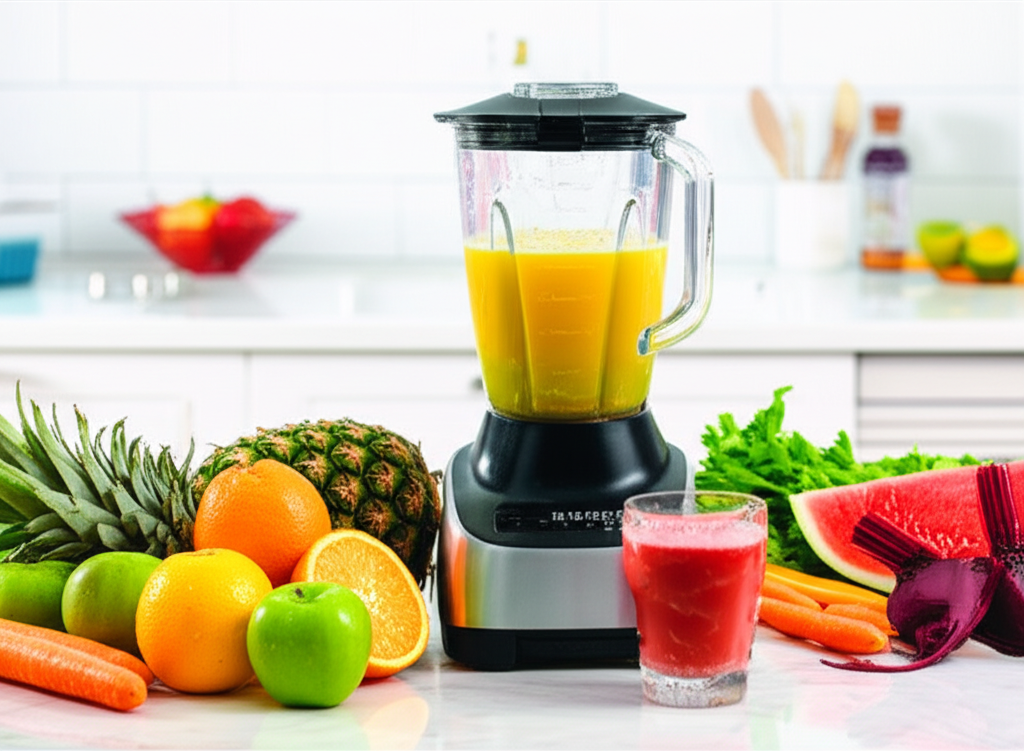
To make pineapple juice with a blender, simply peel and chop fresh pineapple, blend it with a little water or coconut water until smooth, and then strain the pulp for a refreshing, healthy drink. This method is quick, easy, and requires minimal equipment.
Key Takeaways
Select ripe, fresh pineapples for optimal flavor.
Prepare pineapple by removing skin and core.
Blend chopped pineapple with liquid until smooth.
Strain for a pulp-free juice.
Serve immediately for best taste and nutrients.
Store leftovers properly to maintain freshness.
How to Make Pineapple Juice With a Blender: A Simple Guide
Pineapple juice is a tropical delight, bursting with flavor and beneficial nutrients. Many imagine juicing requires a specialized, expensive appliance. However, you can achieve delicious, fresh pineapple juice right in your kitchen with a common tool: a blender. This guide will demystify the process, showing you precisely how to make pineapple juice with a blender. You’ll learn that this accessible method is not only straightforward but also yields a superior, unadulterated taste compared to store-bought alternatives. Get ready to transform a simple fruit into a vibrant beverage.
Understanding the Basics of Blender Juicing

Making juice with a blender differs fundamentally from using a centrifugal or masticating juicer. Instead of separating the liquid from the solids through high-speed spinning or a slow pressing mechanism, a blender pulverizes the entire fruit, including the flesh and some of the fiber. This means the resulting “juice” will have a thicker consistency, often referred to as a smoothie or a blended juice. The key advantage of using a blender is its versatility; most kitchens already have one, making this method incredibly accessible. Furthermore, by blending, you retain more of the fruit’s natural fiber, which can be beneficial for digestion, though this also means straining is often a necessary step for those who prefer a clear juice.
The technology behind blenders has advanced significantly. Modern blenders, especially high-powered models, can break down fruits and vegetables into very fine particles, creating a smooth texture. This ability is crucial for making palatable pineapple juice. While a standard blender can do the job, a more powerful one will result in a smoother consistency with less effort, and less need for extensive straining. The process is fundamentally about mechanical disruption – the blender’s blades create a vortex that draws ingredients down and chops them rapidly. This mechanical action, combined with the addition of liquid, liquefies the fruit. Understanding this basic principle helps appreciate why certain steps, like adding water and blending thoroughly, are essential for achieving the desired outcome.
Choosing the Right Pineapple
The quality of your pineapple juice begins with the quality of the pineapple itself. Selecting a ripe, flavorful fruit is paramount. A ripe pineapple will be sweet, fragrant, and relatively easy to cut. Overripe pineapples can become mushy and fermented, impacting the taste of your juice negatively. Conversely, unripe pineapples will be sour and difficult to digest. The key indicators of ripeness are visual, olfactory, and tactile.
Visual Cues: Look for a pineapple with a deep golden-yellow color, especially towards the base. While some green is acceptable, an entirely green pineapple is likely unripe. The leaves should be green and vibrant, not brown or dry. A slightly flattened shape often indicates a sweeter fruit than a very round one.
Olfactory Cues: Smell the base of the pineapple. A ripe pineapple will emit a strong, sweet, tropical aroma. If it smells sour or alcoholic, it’s probably overripe. If it has little to no smell, it’s likely not ripe enough.
Tactile Cues: Gently press the fruit. It should yield slightly to pressure, but not be overly soft. The “eyes” or scales should be relatively flat and plump.
For juicing, you’ll want a pineapple that is firm yet gives slightly. The weight of the fruit also matters; a heavy pineapple for its size usually means it’s juicy and dense with flavor. When you’re ready to juice, you’ll need to remove the tough outer skin, the spiky crown, and the hard core. These parts are not typically blended for juice, though some modern recipes might advocate using parts of the core for added fiber if you don’t plan to strain.
Gathering Your Ingredients and Equipment
To embark on your pineapple juice-making journey with a blender, you’ll need a few key items. Having everything ready before you start simplifies the process and ensures a smooth workflow. Think of this as preparing your operational environment, much like a chef in a kitchen or a programmer before a coding session.
Essential Ingredients:
- Fresh Pineapple: One large, ripe pineapple is typically sufficient for about 2-3 cups of juice.
- Liquid: About 1/2 to 1 cup of water, coconut water, or even a splash of orange juice. This helps the blender process the fruit smoothly and achieves your desired consistency. Coconut water adds electrolytes and a subtle, complementary flavor.
Optional Additions:
- Sweetener: A teaspoon of honey, maple syrup, or agave nectar, if your pineapple isn’t sweet enough.
- Citrus: A squeeze of lime or lemon juice to brighten the flavor.
- Ginger: A small piece of fresh ginger for a spicy kick.
- Other Fruits: Small amounts of mango, banana, or berries can be added for flavor variations.
Necessary Equipment:
- Blender: A standard blender will work, but a high-powered blender (like a Vitamix or Blendtec) will yield a smoother result.
- Sharp Knife: For peeling and chopping the pineapple.
- Cutting Board: A stable surface for preparing the fruit.
- Strainer/Sieve: A fine-mesh sieve or cheesecloth is crucial if you prefer pulp-free juice.
- Bowl: To collect the strained juice.
- Spoon or Spatula: To help push pulp through the strainer.
Having a good quality blender is a technological asset in any kitchen, enabling a wide range of culinary creations. For this specific task, ensuring your blender is clean and in good working order is the first step. The efficiency of your blender will directly impact how smooth your juice becomes and how much effort is required. The strainer is also a critical component for achieving a clear, traditional juice consistency, separating the liquid from the fibrous pulp generated during blending.
Step-by-Step: How to Make Pineapple Juice With a Blender
Now, let’s break down the process into manageable steps. Each step is designed for clarity and ease, ensuring that even a beginner can successfully create delicious pineapple juice. We’ll follow a logical progression, from preparation to final serving.
Step 1: Prepare the Pineapple
This initial step is crucial for removing inedible parts and making the fruit suitable for blending. A sharp knife and a sturdy cutting board are your primary tools here.
- Cut off the top and bottom: Lay the pineapple on its side and slice off the leafy crown and the base. This provides flat surfaces to work with.
- Remove the skin: Stand the pineapple upright. Carefully slice downwards along the curve of the fruit, following the natural contour to remove the tough, spiky skin. Aim to remove as little flesh as possible while getting rid of all the tough skin. You might see brown “eyes” remaining; you can either leave them or carefully cut them out by making shallow V-shaped cuts along the diagonal lines where they appear.
- Quarter and core the pineapple: Stand the peeled pineapple upright again and slice it in half lengthwise. Then, slice each half in half again to create four quarters. Identify the tough, fibrous core in the center of each quarter and slice it away.
- Chop the flesh: Cut the cored pineapple quarters into smaller, manageable chunks, about 1-2 inches in size. This makes them easier for the blender to process.
Step 2: Blend the Pineapple
This is where the magic happens. The blender will transform the solid fruit into a liquid. The amount of liquid you add will affect the final consistency.
- Add pineapple chunks to the blender: Place the chopped pineapple pieces into your blender jar. Fill it no more than two-thirds full to avoid overflow and ensure efficient blending.
- Add liquid: Pour in your chosen liquid (water, coconut water, etc.). Start with about 1/2 cup for a thicker juice or up to 1 cup for a thinner consistency. You can always add more later if needed.
- Blend until smooth: Secure the lid on the blender. Start on a low speed and gradually increase to high. Blend for 1-2 minutes, or until the mixture is completely smooth and liquefied. If you have a high-powered blender, this might take less time. If your blender is struggling, stop it, stir the contents with a spatula, and add a little more liquid if necessary before resuming.
Step 3: Strain the Juice (Optional, but Recommended for Clear Juice)
If you prefer a smooth, pulp-free juice, this step is essential. It separates the liquid from the fibrous pulp.
- Set up the strainer: Place a fine-mesh sieve over a large bowl or pitcher. For an even smoother result, you can line the sieve with cheesecloth or a nut milk bag.
- Pour the blended mixture: Carefully pour the blended pineapple mixture into the sieve.
- Strain the juice: Allow the liquid to drain through. Use the back of a spoon or a spatula to gently press down on the pulp, encouraging more juice to be extracted. You can also lift the cheesecloth (if used) and twist it to squeeze out the remaining liquid. Discard the pulp or save it for other uses, like adding to baked goods or compost.
Step 4: Taste and Adjust
Before serving, take a moment to evaluate the flavor and consistency.
- Taste: Sample the juice. If it’s too tart, you might add a touch of sweetener like honey or agave nectar. If you want a brighter flavor, a squeeze of lime or lemon juice can work wonders.
- Adjust consistency: If the juice is too thick, add a little more liquid and stir. If it’s too thin, you can add a few more pineapple chunks (if you have them) and re-blend, or simply enjoy it as is.
Step 5: Serve and Enjoy
Freshly made pineapple juice is best consumed immediately to capture its peak flavor and nutrient content.
- Serve chilled: Pour the juice into glasses. For an extra refreshing experience, serve over ice.
- Garnish (optional): Add a pineapple wedge, a mint sprig, or a slice of lime to the rim of the glass for a professional presentation.
This straightforward process leverages the mechanical power of a blender to deliver a healthy, homemade beverage. The optional straining step allows you to customize the texture to your preference, making it a versatile method for any pineapple juice enthusiast.
Pros and Cons of Using a Blender for Juicing
Like any method, using a blender to make pineapple juice comes with its own set of advantages and disadvantages. Understanding these can help you decide if it’s the right approach for your needs and expectations. It’s about finding the optimal tool for the task, considering both efficiency and desired outcome.
Advantages:
Using a blender for pineapple juice offers several benefits, making it an attractive option for many home cooks:
- Accessibility: Most households already own a blender, eliminating the need for a specialized juicing appliance. This democratizes the ability to make fresh juice.
- Speed: Once the pineapple is prepped, blending is a quick process, often taking just a couple of minutes.
- Versatility: Blenders can handle a variety of fruits and vegetables, and can also be used for smoothies, soups, and sauces.
- Fiber Retention: If you choose not to strain, the blended juice retains more of the pineapple’s natural fiber, which is beneficial for digestion and satiety.
- Nutrient Preservation: Blending at lower speeds (or for short durations on high) can help preserve heat-sensitive nutrients better than some high-speed juicers that generate more heat.
Disadvantages:
However, there are also some drawbacks to consider:
- Texture: Without straining, the juice will be thicker and may contain small pulp particles, which some people find undesirable.
- Straining Effort: If you prefer clear juice, the straining process can be time-consuming and a bit messy. You also lose some of the juice that gets trapped in the pulp.
- Power Requirements: A less powerful blender might struggle to fully liquefy the pineapple, resulting in a gritty texture.
- Waste: While not a disadvantage of the blender itself, if you strain, you discard the pulp, which some consider a waste of good fiber.
In essence, the blender method is a fantastic compromise between convenience and quality. It allows you to bypass the cost of a dedicated juicer while still enjoying fresh, homemade pineapple juice. The choice between straining or not depends entirely on your personal preference for texture and your goals regarding fiber intake.
Nutritional Benefits of Pineapple Juice
Pineapple juice is not just delicious; it’s also packed with health-promoting compounds. Understanding its nutritional profile can enhance your appreciation for this tropical beverage. The star component is bromelain, an enzyme with significant therapeutic properties, alongside essential vitamins and minerals.
Bromelain: This enzyme complex found in pineapple is known for its anti-inflammatory and digestive properties. It aids in breaking down proteins, which can help alleviate indigestion and bloating. Research has also explored its potential benefits in reducing swelling after surgery or injury, and its role in immune support. For instance, studies published in journals like the Journal of Agricultural and Food Chemistry have detailed bromelain’s biological activities.
Vitamin C: Pineapple is an excellent source of Vitamin C, a powerful antioxidant that supports the immune system, promotes healthy skin by aiding collagen production, and helps protect cells from damage caused by free radicals. A single serving of pineapple juice can provide a significant portion of your daily recommended intake.
Manganese: This essential mineral plays a role in bone health, metabolism, and antioxidant defense. Manganese is crucial for activating enzymes involved in carbohydrate, amino acid, and cholesterol metabolism.
Other Nutrients: Pineapple juice also contains smaller amounts of other vitamins and minerals, including B vitamins, copper, and potassium. While not as concentrated as in whole fruit, these contribute to the overall health benefits.
When you make pineapple juice with a blender, especially if you consume it without straining, you also benefit from the fiber content. Fiber is vital for digestive health, helps regulate blood sugar levels, and contributes to a feeling of fullness, which can be beneficial for weight management. The fresh, raw form of pineapple juice ensures that these beneficial compounds are preserved, offering a natural and refreshing way to boost your nutrient intake.
Pro Tips for the Perfect Pineapple Juice
To elevate your homemade pineapple juice from good to exceptional, consider these expert tips. They are designed to refine the process and enhance the final product, drawing on principles of flavor balancing and efficient preparation.
Pro Tip: For a smoother, less fibrous juice without extensive straining, consider using a high-powered blender. These machines are designed to pulverize ingredients more effectively, breaking down the fruit’s cell walls more thoroughly. If you don’t have one, blending in smaller batches and adding slightly more liquid can help your standard blender achieve a better consistency.
Additional tips include:
- Chill Everything: For the coldest, most refreshing juice, ensure your pineapple is well-chilled before blending. You can also use chilled liquid and serve over ice.
- Pre-freeze Chunks: If you have more pineapple than you can use immediately, chop and freeze the chunks. Frozen pineapple blends into a wonderfully thick, sorbet-like consistency, perfect for a refreshing drink, though it may require more liquid to blend smoothly.
- Add a Flavor Booster: A small piece of fresh ginger (about 1/2 inch) or a squeeze of lime juice can add a wonderful zest and complexity to the pineapple flavor.
- Sweeten Sparingly: Always taste your pineapple juice before adding any sweetener. Ripe pineapples are naturally sweet. If sweetness is needed, start with a small amount of honey, maple syrup, or agave.
- Don’t Waste the Pulp: If you strain your juice, the leftover pulp is still nutritious. Mix it into smoothies, add it to muffin batter, or use it in homemade granola.
- Proper Storage: Store any leftover juice in an airtight container in the refrigerator. It’s best consumed within 2-3 days for optimal freshness and nutrient retention.
Implementing these simple strategies can significantly improve your experience and the quality of your homemade pineapple juice.
Storing Your Homemade Pineapple Juice
Once you’ve perfected your blender-made pineapple juice, proper storage is key to preserving its freshness and flavor. Unlike store-bought juices, which often contain preservatives, homemade versions have a shorter shelf life. Understanding the best practices for storage ensures you can enjoy your healthy beverage for as long as possible.
The ideal container for storing pineapple juice is an airtight glass bottle or jar. Glass is non-reactive and doesn’t impart any flavors to the juice, unlike some plastics. Ensure the container is thoroughly cleaned and dried before filling.
Refrigeration is Essential: Always store your pineapple juice in the refrigerator. The cold temperature slows down the growth of bacteria and the rate of oxidation, which can degrade the juice’s quality. Aim to consume the juice within 2 to 3 days. After this period, the flavor may start to diminish, and the risk of spoilage increases.
Minimize Air Exposure: When filling the container, try to leave as little headspace as possible. This reduces the amount of oxygen that comes into contact with the juice, which can cause it to oxidize and lose its vibrant flavor and color. If you have a larger batch, consider transferring some into smaller containers to maintain minimal headspace.
Freezing for Longer Storage: If you anticipate not being able to consume the juice within a few days, freezing is an excellent option. You can freeze the juice in ice cube trays for easy portioning or in freezer-safe bags or containers. Frozen pineapple juice can last for several months, though the quality might slightly degrade over extended periods. When you’re ready to use it, thaw it in the refrigerator overnight.
Signs of Spoilage: Before drinking, always check for signs of spoilage. This includes an off smell (sour or fermented), a change in color, or the presence of mold. If you notice any of these, discard the juice immediately.
By following these storage guidelines, you can maximize the enjoyment of your delicious, homemade pineapple juice, ensuring it remains a healthy and tasty option for a few days after preparation.
Frequently Asked Questions About Making Pineapple Juice With a Blender
Here are answers to some common questions beginners might have about making pineapple juice using a blender.
Q1: Do I need to peel the pineapple before blending?
Yes, absolutely. The tough outer skin of the pineapple is inedible and will create an unpleasant texture. You should also remove the leafy crown and the hard, fibrous core.
Q2: How much liquid should I add?
Start with about 1/2 cup of liquid (water or coconut water) for every cup of chopped pineapple. You can adjust this based on your desired consistency. Add more liquid for a thinner juice and less for a thicker, smoothie-like consistency.
Q3: Can I use canned pineapple?
While you can use canned pineapple, fresh pineapple is highly recommended for the best flavor and nutritional value. Canned pineapple is often packed in syrup, which will add extra sugar to your juice, and it may not be as vibrant in taste.
Q4: What if my blender isn’t very powerful?
If you have a standard blender, chop the pineapple into smaller pieces. Blend in batches if necessary, and add a bit more liquid to help the blades move freely. You might need to blend for a longer time and strain more thoroughly for a smooth result.
Q5: How long does homemade pineapple juice last?
Freshly made pineapple juice is best consumed immediately. If you store it in an airtight container in the refrigerator, it should last for 2-3 days. After that, its quality and nutrient content may decline.
Q6: Can I add other fruits or vegetables?
Certainly! Pineapple juice is a great base for other flavors. You can add small amounts of ginger, mint, lime, lemon, or even other fruits like mango or berries. Just be mindful not to overcrowd the blender.
Q7: Is it better to strain the juice or leave the pulp in?
This is entirely a matter of personal preference. Straining yields a clear, smooth juice, similar to what you might buy. Leaving the pulp in means you retain more fiber, which can be beneficial for digestion and adds thickness to the drink, making it more like a smoothie.
Conclusion
Making pineapple juice with a blender is an accessible, efficient, and rewarding way to enjoy this tropical favorite. By following these simple steps, from selecting the perfect pineapple to blending and straining (or not!), you can consistently produce delicious and healthy juice right in your own kitchen. The process highlights how common kitchen technology can be leveraged for practical, health-conscious outcomes, aligning with an analytical approach to daily tasks. Whether you prefer a clear, refreshing drink or a fiber-rich smoothie, the blender method offers the flexibility to meet your needs. Embrace this straightforward technique, and soon you’ll be a pro at creating your own vibrant, homemade pineapple juice, one blend at a time.