
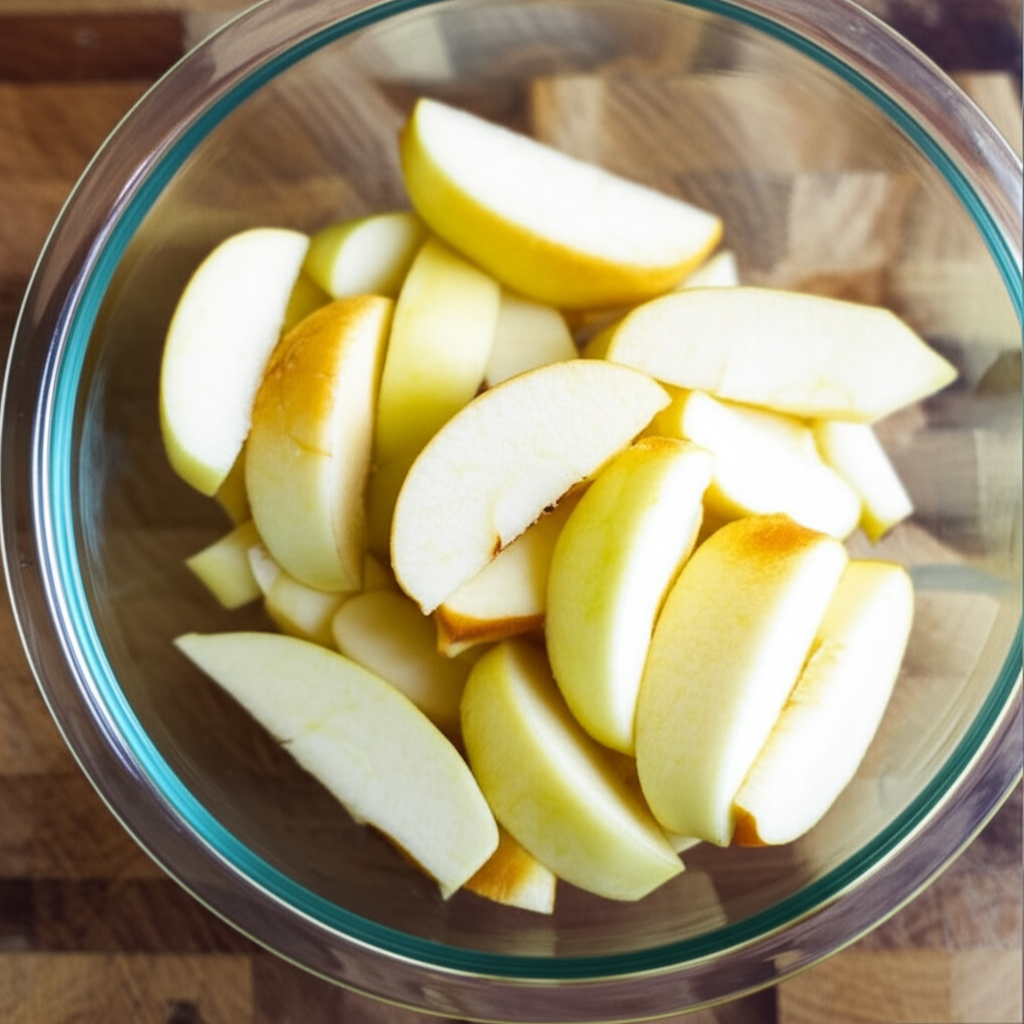
Yes, you can freeze apples without lemon juice! While lemon juice is a popular choice for preventing browning, other methods effectively preserve your apples for smoothies, baking, and more. This guide shows you simple, effective ways to freeze apples, keeping them fresh and delicious without relying on citrus.
Key Takeaways
- Freeze apples without lemon juice using other methods.
- Prevent browning with sugar, sorbitol, or ascorbic acid.
- Choose the best apple varieties for freezing.
- Properly prep and package apples for long-term storage.
- Frozen apples are perfect for smoothies and baking.
Can You Freeze Apples Without Lemon Juice? An Essential Guide
Have you ever reached into your freezer, ready to whip up a delicious apple smoothie or bake a comforting pie, only to find your frozen apples have turned an unappetizing shade of brown? It’s a common kitchen conundrum, and many recipes suggest using lemon juice to combat this. But what if you don’t have lemon juice on hand, or you simply prefer not to use it? You might wonder, can you freeze apples without lemon juice? The answer is a resounding yes! You can absolutely freeze apples and keep them looking and tasting great without a drop of citrus. This guide will walk you through everything you need to know, from selecting the right apples to the best no-lemon freezing techniques, ensuring your frozen fruit is always ready for your culinary creations.
Why Do Apples Brown When Frozen?

Before we dive into freezing methods, let’s understand why apples turn brown. This process is called enzymatic browning. When you cut or bruise an apple, its cells are damaged. This releases enzymes, specifically polyphenol oxidase, which react with oxygen in the air. This chemical reaction creates melanin, the same pigment that gives color to skin and hair, resulting in that familiar brown hue. It’s a natural process, but it can make your frozen apples less appealing for use in recipes where their natural color is important.
Best Apple Varieties for Freezing
Not all apples are created equal when it comes to freezing. Some varieties hold their texture and flavor better than others. For the best results, especially if you’re not using lemon juice, opt for apples that are firm and have a good balance of sweetness and tartness. These apples tend to resist mushiness and maintain their integrity after thawing.
Recommended Apple Varieties:
- Honeycrisp: Known for its crisp texture and sweet-tart flavor, Honeycrisp apples freeze exceptionally well. They retain a good amount of their crunch.
- Fuji: These apples are sweet and firm, making them a great choice for freezing. They don’t break down too much during the freezing and thawing process.
- Gala: Gala apples offer a pleasant sweetness and a firm texture that holds up well in the freezer.
- Granny Smith: While tart, Granny Smith apples freeze well and are excellent for baking. Their tartness can be a great balance in sweet dishes.
- McIntosh: These apples are softer and tend to break down more, making them ideal for applesauce or purees after freezing, rather than slices.
Avoid overly soft or mealy apples, as they will likely become mushy when frozen and thawed.
Methods for Freezing Apples Without Lemon Juice
The key to freezing apples without lemon juice is to either create an environment that slows down oxidation or to use other ingredients that act as antioxidants or inhibitors of the browning enzymes. Here are some effective methods:
1. The Sugar Pack Method
Adding sugar not only sweetens the apples but also helps to draw out moisture and form a protective layer that inhibits oxidation. This is a classic method that works well for preserving apple slices.
How to Use the Sugar Pack Method:
- Prepare the Apples: Wash, peel, core, and slice your apples into uniform pieces (about 1/2 inch thick).
- Coat with Sugar: In a large bowl, gently toss the apple slices with sugar. A good starting ratio is about 1/2 cup of sugar per 4 cups of apple slices. You can adjust this based on your preference for sweetness and the apples’ natural sweetness.
- Let Sit: Allow the apples to sit in the sugar for about 10-15 minutes. You’ll notice the sugar drawing out some juice from the apples, creating a light syrup.
- Package for Freezing:
- Option A (Individual Quick Freeze): Spread the sugared apple slices in a single layer on a baking sheet lined with parchment paper. Freeze for 1-2 hours until firm. This prevents them from clumping together.
- Option B (Direct Pack): You can also directly pack the sugared apples and their juice into freezer bags or containers.
- Store: Transfer the individually frozen slices or the directly packed apples into airtight freezer bags or containers. Remove as much air as possible before sealing. Label with the date and contents.
Pros: Adds sweetness, helps preserve texture, simple to do.
Cons: Adds sugar to your apples, which might not be ideal for all recipes or dietary needs.
2. The Sweetener Pack Method (Alternative Sweeteners)
If you prefer to avoid refined sugar, you can use other sweeteners like honey, maple syrup, or agave nectar. These also act as a barrier against oxidation and add flavor.
How to Use the Sweetener Pack Method:
- Prepare the Apples: Wash, peel, core, and slice your apples as usual.
- Coat with Sweetener: In a bowl, toss the apple slices with your chosen sweetener. A good starting point is 1/3 cup of sweetener per 4 cups of apple slices. You can adjust this to your taste.
- Let Sit: Allow the apples to sit for about 10-15 minutes to create a light coating.
- Package for Freezing: Follow the same packaging steps as the sugar pack method (individual quick freeze or direct pack).
- Store: Use airtight freezer bags or containers, removing excess air. Label clearly.
Pros: Offers flexibility for different dietary preferences, adds unique flavor notes.
Cons: Can alter the flavor profile of the apples significantly; some sweeteners are more liquid and may lead to softer fruit.
3. The Ascorbic Acid (Vitamin C) Method
Ascorbic acid, also known as Vitamin C, is a powerful antioxidant. It effectively inhibits the enzymes responsible for browning. You can find pure ascorbic acid powder in canning or health food stores, or use crushed Vitamin C tablets (ensure they are plain, without added flavors or colors).
How to Use the Ascorbic Acid Method:
- Prepare the Apples: Wash, peel, core, and slice your apples.
- Prepare the Solution: Dissolve 1 teaspoon of ascorbic acid powder (or about 1000 mg of crushed Vitamin C tablets) in 1 cup of cold water.
- Soak the Apples: Submerge the apple slices in the ascorbic acid solution for 3-5 minutes. Ensure all pieces are coated.
- Drain and Dry: Remove the apple slices from the solution and drain them well. Gently pat them dry with a clean kitchen towel or paper towels. This step is important to prevent ice crystals from forming.
- Package for Freezing:
- Option A (Individual Quick Freeze): Spread the treated apple slices in a single layer on a parchment-lined baking sheet and freeze until firm (1-2 hours).
- Option B (Direct Pack): Pack the drained and slightly dried apples directly into freezer bags or containers.
- Store: Transfer to airtight freezer containers or bags, removing as much air as possible. Label with the date and contents.
Pros: Very effective at preventing browning, adds no discernible flavor, preserves the apple’s natural taste and color, provides a Vitamin C boost.
Cons: Requires purchasing ascorbic acid or Vitamin C tablets.
External Link: For more information on the science behind enzymatic browning and antioxidants, you can refer to resources from university extension offices, such as this guide from Penn State Extension on food preservation principles.
4. The Sorbitol Method
Sorbitol is a sugar alcohol that occurs naturally in many fruits. It acts as a humectant, helping to retain moisture, and also has antioxidant properties that can prevent browning. It’s often used in commercial fruit preparations.
How to Use the Sorbitol Method:
- Prepare the Apples: Wash, peel, core, and slice your apples.
- Prepare the Solution: Dissolve 1 tablespoon of sorbitol powder in 1 cup of cold water.
- Soak the Apples: Submerge the apple slices in the sorbitol solution for 3-5 minutes.
- Drain and Dry: Drain the apples well and gently pat them dry.
- Package for Freezing: Follow the packaging steps for the ascorbic acid method (individual quick freeze or direct pack).
- Store: Use airtight freezer containers or bags, removing excess air. Label.
Pros: Effective at preventing browning and preserving texture, a good alternative for those avoiding sugar or ascorbic acid.
Cons: Sorbitol is less commonly found in home kitchens than sugar or Vitamin C.
5. The Dry Pack Method (for Slices Intended for Baking)
If you plan to use your frozen apples primarily in baked goods like pies or crisps where a little browning isn’t a major issue, you can opt for the dry pack method. This is the simplest approach.
How to Use the Dry Pack Method:
- Prepare the Apples: Wash, peel, core, and slice your apples.
- Optional: Quick Freeze: For best results even in this method, it’s still recommended to do an initial quick freeze. Spread the apple slices in a single layer on a parchment-lined baking sheet. Freeze for 1-2 hours until firm.
- Package for Freezing: Transfer the individually frozen slices into airtight freezer bags or containers. Remove as much air as possible.
- Store: Label and freeze.
Pros: Extremely simple, no added ingredients needed.
Cons: May result in some browning, texture might be slightly softer compared to other methods.
Freezing Applesauce or Puree
If you’re making applesauce or apple puree, freezing is even simpler, and browning is rarely an issue. You can cook your apples down as usual, then cool the sauce completely before freezing.
How to Freeze Applesauce/Puree:
- Prepare and Cook: Make your applesauce or puree. You can add sweeteners, spices, or a little water during cooking if desired.
- Cool Completely: Ensure the applesauce is entirely cool before packing.
- Package for Freezing:
- Option A (Containers): Ladle the cooled applesauce into airtight freezer-safe containers, leaving about 1/2 inch of headspace for expansion.
- Option B (Freezer Bags): Spoon portions into heavy-duty freezer bags.
- Option C (Ice Cube Trays): For small, individual portions (perfect for baby food or adding to other recipes), freeze in ice cube trays. Once frozen, transfer the cubes to a freezer bag.
- Store: Label and freeze.
Pros: Very easy, browning is not a concern, perfect for babies or adding to recipes.
Cons: Only suitable for pureed apples.
Essential Tools for Freezing Apples
Having the right tools makes the process smoother and ensures better results. Here are some essentials:
| Tool | Purpose |
|---|---|
| Peeler | For removing apple skins efficiently. |
| Apple Corer/Slicer | To quickly remove the core and slice apples into uniform pieces. |
| Sharp Knife | For any necessary trimming or slicing if a corer/slicer isn’t used. |
| Cutting Board | A stable surface for preparing apples. |
| Large Mixing Bowls | For tossing apples with sugar, sweetener, or solutions. |
| Parchment Paper | To line baking sheets for the quick freeze method, preventing sticking. |
| Baking Sheets | Essential for the individual quick freeze method. |
| Airtight Freezer Containers or Bags | To protect apples from freezer burn and odors. Choose BPA-free options. |
| Measuring Cups and Spoons | For accurate measurements of sugar, sweeteners, or solutions. |
| Kitchen Scale (Optional) | For precise measurement of apples if following specific recipes. |
| Labels and Marker | To clearly identify contents and dates. |
How to Thaw Frozen Apples
Thawing frozen apples is straightforward and depends on how you plan to use them. For most applications, a slow thaw is best to maintain texture.
Thawing Methods:
- For Smoothies: You can often add frozen apple slices directly to your blender. This will make your smoothie extra thick and cold, eliminating the need for ice.
- For Baking: If using in pies or crisps, you can often use the frozen apples directly from the freezer. They will cook down as the dessert bakes. If the recipe calls for softened apples, thaw them overnight in the refrigerator.
- For General Use: Place the desired amount of frozen apples in a bowl and let them thaw in the refrigerator for several hours or overnight.
- Quick Thaw (Use with Caution): For a faster thaw, you can place the sealed bag of apples in a bowl of cool water. Avoid using hot water, as this can make the apples mushy.
Keep in mind that thawed apples will be softer than fresh ones, regardless of the freezing method used. They are best suited for cooked applications, purees, or smoothies where texture is less critical.
Pro Tip: When packing apples for freezing, press out as much air as possible from freezer bags. This minimizes freezer burn and helps maintain the quality of your apples for longer.
Storage Time for Frozen Apples
When properly prepared and stored in an airtight container, frozen apples can last for a considerable time. Generally, they are best used within:
- 8-12 months for optimal flavor and texture when using sugar, sorbitol, or ascorbic acid methods.
- 6-8 months for dry-packed apples, as they may degrade slightly faster without added protection.
Always label your frozen goods with the date of freezing to keep track of their freshness.
Frequently Asked Questions (FAQ)
Q1: Will frozen apples without lemon juice still be good for smoothies?
Absolutely! Frozen apples are fantastic for smoothies. Their texture changes upon thawing, becoming softer, which blends beautifully. The key is preventing excessive browning during freezing, which methods like sugar or ascorbic acid achieve.
Q2: Can I freeze apples with the skin on?
Yes, you can freeze apples with the skin on. Ensure they are washed thoroughly. However, peeling apples before freezing is often recommended as the skin can sometimes affect the texture and mouthfeel after thawing, especially in softer preparations.
Q3: What is the best way to freeze whole apples?
Freezing whole apples is not generally recommended. The high water content can cause them to become very mushy and difficult to use once thawed. It’s best to slice or dice them before freezing.
Q4: How do I know if my frozen apples have gone bad?
Frozen apples that have gone bad will likely show signs of freezer burn (dry, discolored, or icy patches) and may develop an off smell or taste. If they look excessively mushy or slimy after thawing, they might be past their prime for most uses.
Q5: Can I freeze apples without peeling them?
You can freeze apples without peeling, but it’s usually best to peel them for most applications. If you choose not to peel, make sure to wash them very well. The texture of the skin can be slightly chewy after freezing and thawing.
Q6: My apples still turned brown. What went wrong?
If your apples browned despite using a method other than lemon juice, it could be due to insufficient protection. Ensure you used enough sugar/sweetener/ascorbic acid, that the apples were fully coated, and that they were stored in truly airtight containers to minimize air exposure. Over-thawing can also sometimes lead to browning if the apples are exposed to air for too long.
Q7: Can I freeze apples for making apple butter?
Yes, frozen apples are excellent for making apple butter! The longer cooking time involved in apple butter means that any slight textural changes from freezing won’t matter. You can use any of the freezing methods mentioned, though the dry pack method is perfectly suitable here.
Conclusion
So, to answer the question directly: can you freeze apples without lemon juice? Absolutely! With a variety of effective methods like sugar packing, using alternative sweeteners, ascorbic acid, sorbitol, or even a simple dry pack for baking, you can preserve your apples and keep them ready for all your culinary adventures. Whether you’re whipping up a smoothie, baking a pie, or making applesauce, these techniques will help you achieve delicious results without relying on citrus. Experiment with these methods to find your favorite and enjoy the convenience of having perfectly preserved apples on hand year-round!