
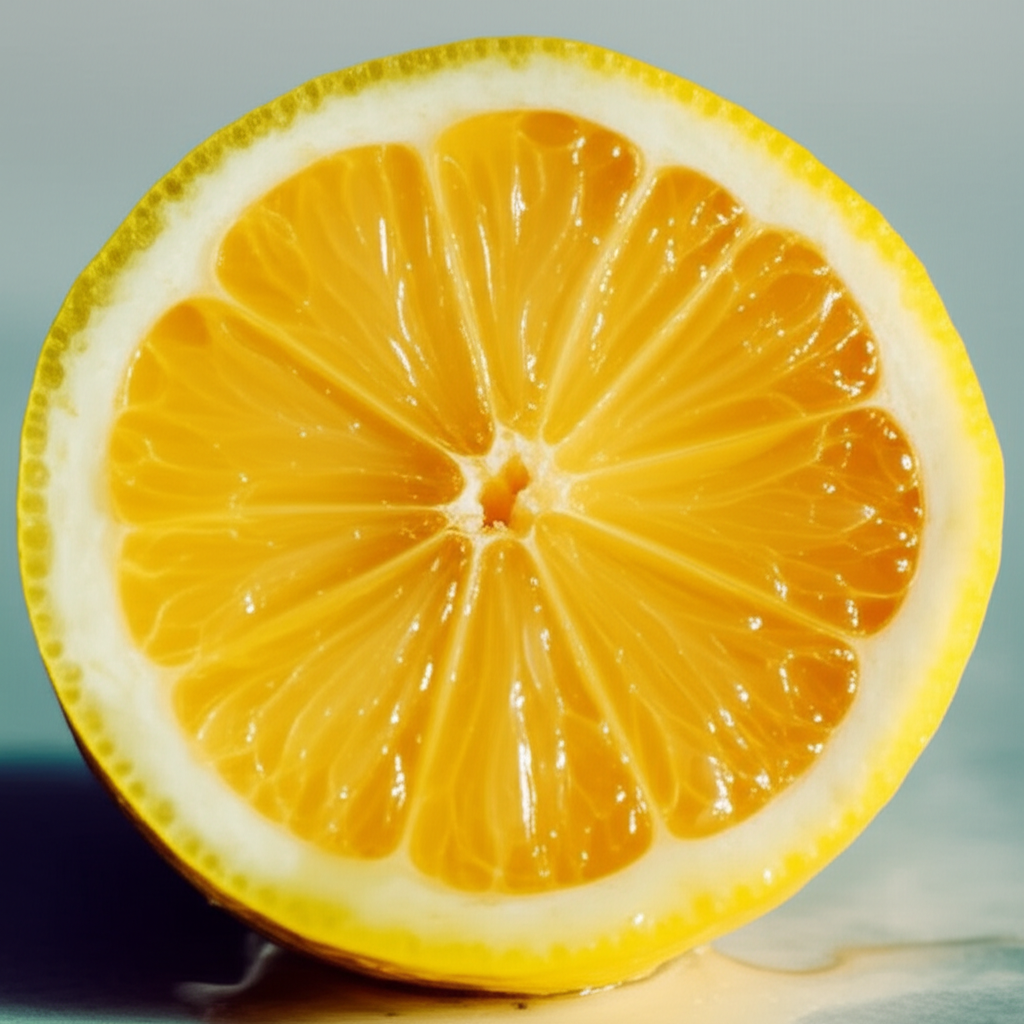
Yes, lemon juice can lighten skin due to its citric acid content, acting as a natural alpha-hydroxy acid (AHA). However, results vary, and it requires careful, diluted application to avoid irritation.
Key Takeaways
- Lemon juice contains citric acid, a natural skin brightener.
- It works by gently exfoliating and reducing melanin.
- Always dilute lemon juice before applying to skin.
- Patch test is crucial to check for sensitivity.
- Sun protection is vital after lemon juice application.
- Consult a dermatologist for significant skin concerns.
Can Lemon Juice Lighten Skin? The Shocking Truth Revealed
You’ve probably heard that lemon juice can brighten skin. It’s a common home remedy whispered in kitchens and shared online. But can this zesty citrus truly lighten your complexion, or is it just an old wives’ tale? Many people wonder about its effectiveness and safety. It’s confusing because while lemons are natural, applying them directly to your skin isn’t always straightforward. This article will break down the science behind it, explain how it works, and guide you on how to use it safely, if at all. We’ll explore the real effects and what you need to know before you reach for that lemon.
Understanding Skin Pigmentation and Lightening

Before we dive into lemon juice, let’s understand how skin color works. Our skin gets its color from a pigment called melanin. Melanin is produced by specialized cells called melanocytes. The amount and type of melanin determine our skin tone. Factors like genetics, sun exposure, hormones, and inflammation can affect melanin production.
Skin lightening, or skin brightening, refers to any process that aims to reduce the appearance of dark spots, hyperpigmentation, or uneven skin tone, making the skin appear lighter or more luminous. This is often achieved by targeting melanin production or by exfoliating the skin to remove pigmented cells.
The Science Behind Lemon Juice and Skin Lightening
Lemons are packed with vitamin C and citric acid. Citric acid is a type of alpha-hydroxy acid (AHA). AHAs are well-known in the skincare world for their exfoliating properties. They work by loosening the bonds between dead skin cells on the surface of the skin.
When these dead, pigmented skin cells are sloughed away, newer, less pigmented skin cells are revealed, leading to a brighter appearance. Additionally, vitamin C itself is an antioxidant that can help inhibit tyrosinase, an enzyme necessary for melanin production. By reducing tyrosinase activity, vitamin C can help decrease the amount of melanin produced, thus potentially lightening dark spots and contributing to a more even skin tone.
How Citric Acid Works on the Skin
Citric acid is a natural exfoliant. It gently dissolves the ‘glue’ that holds dead skin cells together. When applied to the skin, it penetrates the upper layers and breaks down these bonds. This process:
- Removes dull, dead skin cells.
- Encourages cell turnover.
- Can fade dark spots and acne scars over time.
- Helps to reveal brighter, smoother skin underneath.
The Role of Vitamin C
The vitamin C in lemon juice also plays a role. It’s a potent antioxidant that fights free radical damage, which can contribute to premature aging and hyperpigmentation. More importantly for lightening, vitamin C can interfere with the production of melanin. This dual action of exfoliation and melanin inhibition is why many believe lemon juice can lighten skin.
Potential Benefits of Using Lemon Juice on Skin
When used correctly and cautiously, lemon juice might offer several benefits for the skin:
- Brightening Dark Spots: It can help fade acne scars, sun spots, and age spots by encouraging cell turnover and reducing melanin.
- Reducing Hyperpigmentation: Uneven skin tone caused by sun damage or melasma might appear lighter.
- Exfoliation: The citric acid content offers mild exfoliation, removing dead skin cells for a smoother texture.
- Acne Treatment (Indirectly): By removing dead skin cells, it can help prevent clogged pores, which can lead to breakouts. The antibacterial properties of lemon might also play a minor role.
- Natural Alternative: For those seeking natural remedies, it offers a chemical-free option compared to many commercial skin lighteners.
Risks and Side Effects of Applying Lemon Juice
Despite the potential benefits, applying lemon juice directly to the skin carries significant risks, especially if done incorrectly. This is where the “shocking truth” often lies.
Photosensitivity and Phytophotodermatitis
This is perhaps the most critical risk. Lemons contain compounds called psoralens. When these compounds are exposed to ultraviolet (UV) radiation from the sun, they can cause a severe reaction known as phytophotodermatitis. This reaction can lead to:
- Redness and inflammation.
- Blistering.
- Dark, persistent patches of hyperpigmentation that are difficult to treat.
This means applying lemon juice and then going out in the sun, even for a short period, can actually make your skin darker and more uneven than before.
Irritation and Burns
Lemon juice is highly acidic. Its pH is typically around 2.0 to 2.4. The skin’s natural pH is around 4.5 to 5.5. Applying such an acidic substance directly can disrupt the skin’s natural barrier, leading to:
- Stinging and burning sensations.
- Redness and dryness.
- Peeling.
- Increased sensitivity to other products.
- Chemical burns in severe cases, especially with prolonged contact or undiluted application.
Dryness and Stripping Natural Oils
The acidity can strip the skin of its natural oils, which are essential for maintaining hydration and a healthy skin barrier. This can leave your skin feeling tight, dry, and vulnerable.
Increased Melanin Production (Paradoxical Effect)
In some cases, the skin’s response to irritation from strong acids like lemon juice can be to produce more melanin as a protective mechanism. This can lead to worsening hyperpigmentation.
How to Use Lemon Juice Safely (If You Choose To)
Given the risks, it’s crucial to proceed with extreme caution. Many dermatologists advise against using lemon juice directly on the skin due to the high potential for adverse reactions.
However, if you are determined to try it, follow these guidelines meticulously:
1. Dilution is Key
Never apply undiluted lemon juice to your skin. Always dilute it significantly.
- Ratio: Mix 1 part fresh lemon juice with at least 5-10 parts water. For sensitive skin, start with a 1:10 ratio.
- Alternatives: Some people dilute it with rose water or aloe vera gel, which can be more soothing.
2. Patch Test, Patch Test, Patch Test!
This is non-negotiable. Before applying to your face or a large area, test the diluted mixture on a small, inconspicuous area of skin (like behind your ear or on your inner forearm).
- Apply the diluted mixture to the test spot.
- Leave it on for 5-10 minutes (or as per your chosen method).
- Rinse thoroughly.
- Wait 24-48 hours to observe any reaction (redness, itching, burning, swelling).
If you experience any adverse reaction, do not use it on your face or larger areas.
3. Limit Application Time
Do not leave diluted lemon juice on your skin for extended periods. A common recommendation is 5-10 minutes maximum. Some sources suggest even shorter durations.
4. Avoid Sun Exposure Religiously
This cannot be stressed enough. After applying and rinsing off the lemon juice mixture, you must protect your skin from the sun.
- Application Time: It’s best to apply it at night.
- Sunscreen: Use a broad-spectrum sunscreen with SPF 30 or higher every single day, even if you don’t plan to go outside, and reapply regularly if you are exposed to sunlight.
- Protective Clothing: Wear hats and sunglasses when outdoors.
5. Frequency
Start with using it only once or twice a week. Overuse can lead to irritation and damage.
6. Listen to Your Skin
If your skin feels dry, tight, red, or irritated at any point, stop using the lemon juice immediately. Focus on hydrating and soothing your skin.
How to Create a DIY Lemon-Based Skin Treatment
If you decide to try a DIY approach, here’s a safer recipe, keeping dilution and soothing ingredients in mind.
Gentle Lemon & Honey Mask
Honey is a natural humectant and has antibacterial properties, making it a better partner for lemon than plain water. It also has a less acidic pH than pure lemon juice.
Ingredients:
- 1 teaspoon fresh lemon juice (strained to remove pulp and seeds)
- 1 tablespoon raw honey (Manuka honey is excellent if available)
- Optional: 1 teaspoon plain yogurt or aloe vera gel for added moisture and soothing
Instructions:
- In a small, clean bowl, combine the strained lemon juice and honey.
- If using, add the yogurt or aloe vera gel.
- Mix well until you have a smooth paste.
- Perform a patch test as described above.
- If the patch test is clear, cleanse your face gently.
- Apply a thin layer of the mask to your face, avoiding the eye area and lips.
- Leave it on for no more than 5-7 minutes. You might feel a slight tingling, but it should not burn.
- Rinse off thoroughly with cool water.
- Pat your skin dry gently.
- Follow up immediately with a gentle, hydrating moisturizer.
- Apply sunscreen diligently the next day.
Note: Use this mask only once a week at most. Always apply at night.
When to Avoid Lemon Juice on Your Skin
There are certain conditions and skin types for which lemon juice is a definite no-go:
- Sensitive Skin: If your skin is naturally sensitive, prone to redness, or easily irritated, avoid lemon juice altogether.
- Active Breakouts: Applying lemon juice to open pimples or wounds can cause intense stinging and worsen inflammation.
- Existing Skin Conditions: Do not use if you have eczema, rosacea, psoriasis, or any other inflammatory skin condition.
- After Certain Treatments: Avoid if you have recently undergone chemical peels, microdermabrasion, or used strong retinoids.
- If You Cannot Guarantee Sun Protection: If you are unable to commit to strict sun protection, do not use lemon juice.
Lemon Juice vs. Commercial Skin Lighteners
Many commercial products are formulated with ingredients specifically designed for skin lightening, often in controlled concentrations and with buffering agents to minimize irritation.
Comparison Table
| Feature | Lemon Juice | Commercial Skin Lighteners |
|---|---|---|
| Active Ingredients | Citric Acid (AHA), Vitamin C | Hydroquinone, Kojic Acid, Azelaic Acid, Niacinamide, Retinoids, AHAs, Vitamin C |
| Concentration Control | Difficult to control; highly variable. | Controlled and standardized for safety and efficacy. |
| pH Level | Very low (acidic, ~2.0-2.4) | Formulated to be closer to skin’s natural pH or buffered. |
| Risk of Irritation/Burn | High, especially if undiluted or overused. | Varies by product; generally lower if used as directed. |
| Risk of Photosensitivity | Very high. | Some ingredients (like AHAs, retinoids) increase photosensitivity, requiring sunscreen. |
| Availability | Readily available in any kitchen. | Available over-the-counter or by prescription. |
| Cost | Very low. | Varies, can be inexpensive to costly. |
| Scientific Backing | Limited direct studies on lemon juice efficacy/safety for lightening. | Extensive clinical studies on efficacy and safety of active ingredients. |
While lemon juice is a natural ingredient, its potent acidity and high risk of phytophotodermatitis make it less reliable and potentially more dangerous than scientifically formulated skincare products. Reputable sources like the American Academy of Dermatology Association recommend consulting a dermatologist for safe and effective skin lightening treatments.
Natural Alternatives to Lemon Juice for Skin Brightening
If you’re looking for natural ways to brighten your skin without the risks associated with lemon juice, consider these:
- Yogurt: Contains lactic acid, a milder AHA that exfoliates and hydrates.
- Papaya: Contains papain, an enzyme that exfoliates dead skin cells.
- Turmeric: Known for its anti-inflammatory and antioxidant properties, it can help brighten the skin and reduce redness. (Be aware it can temporarily stain skin yellow).
- Aloe Vera: Soothing, hydrating, and can help with inflammation and healing.
- Licorice Extract: Contains glabridin, which inhibits tyrosinase and helps fade hyperpigmentation.
- Niacinamide (Vitamin B3): A well-researched ingredient that reduces the transfer of melanin to skin cells, improving skin tone and reducing dark spots without irritation. It’s found in many commercial serums and moisturizers.
These alternatives generally offer a gentler approach to achieving a brighter complexion.
Pro Tips: Sunscreen is Your Best Friend
No matter what skin lightening methods you consider, diligent sun protection is paramount. Sun exposure is a primary driver of hyperpigmentation and can undo any lightening efforts. Always wear a broad-spectrum sunscreen with SPF 30 or higher daily, and reapply every two hours when outdoors. Wearing hats and seeking shade also significantly helps protect your skin.
Frequently Asked Questions (FAQ)
Q1: Can lemon juice permanently lighten my skin?
Lemon juice can temporarily lighten hyperpigmented areas and improve overall brightness by exfoliating and reducing melanin. However, it doesn’t permanently alter your natural skin tone. If the underlying causes of hyperpigmentation (like sun exposure) continue, dark spots can reappear.
Q2: How often can I safely use diluted lemon juice on my face?
It’s best to use it very sparingly, perhaps once a week at most, and only if your skin tolerates it well after a patch test. Overuse can lead to significant irritation and damage. Many experts recommend avoiding it altogether.
Q3: What should I do if my skin burns after applying lemon juice?
Rinse the area immediately with cool water. Do not rub. Apply a gentle, fragrance-free moisturizer or aloe vera gel to soothe the skin. Avoid any further application of lemon juice or other harsh products. If the burn is severe or blistering occurs, seek medical attention from a healthcare professional.
Q4: Can lemon juice lighten dark circles under the eyes?
The skin under the eyes is extremely delicate and thin. Applying lemon juice, even diluted, is highly likely to cause severe irritation, redness, and potentially darken the area further due to inflammation. It is strongly advised against using lemon juice for under-eye circles.
Q5: Is lemon juice good for oily skin?
While the astringent properties of lemon juice might seem beneficial for oily skin, its high acidity can strip the skin’s natural oils, leading to a rebound effect where the skin produces even more oil. It also poses a high risk of irritation. Gentler, pH-balanced products are a safer choice for managing oily skin.
Q6: Can I mix lemon juice with other DIY ingredients?
You can mix it with ingredients like honey, yogurt, or aloe vera, which can help buffer its acidity and provide soothing benefits. However, always perform a patch test with any new combination. Avoid mixing lemon juice with other potentially irritating ingredients like baking soda or strong essential oils.
Q7: When will I see results from using lemon juice?
If you experience positive results without adverse effects, they are typically subtle and gradual. You might notice a slight improvement in brightness or fading of minor dark spots after several weeks of consistent (and cautious) use. However, results are highly individual and depend on your skin type and how your skin reacts.
Conclusion
So, can lemon juice lighten skin? The answer is nuanced. Yes, the citric acid and vitamin C it contains have properties that can contribute to skin brightening and exfoliation. However, the “shocking truth” is that the significant risks – including severe photosensitivity, irritation, chemical burns, and potentially worsening hyperpigmentation – often outweigh the modest benefits for most people. The high acidity and potential for unpredictable reactions make it a far less safe and effective option compared to dermatologist-recommended treatments or well-formulated skincare products. If you’re seeking to lighten skin or address hyperpigmentation, consulting a skincare professional is the safest and most effective path forward. They can guide you toward treatments tailored to your specific skin type and concerns, ensuring both efficacy and safety.