
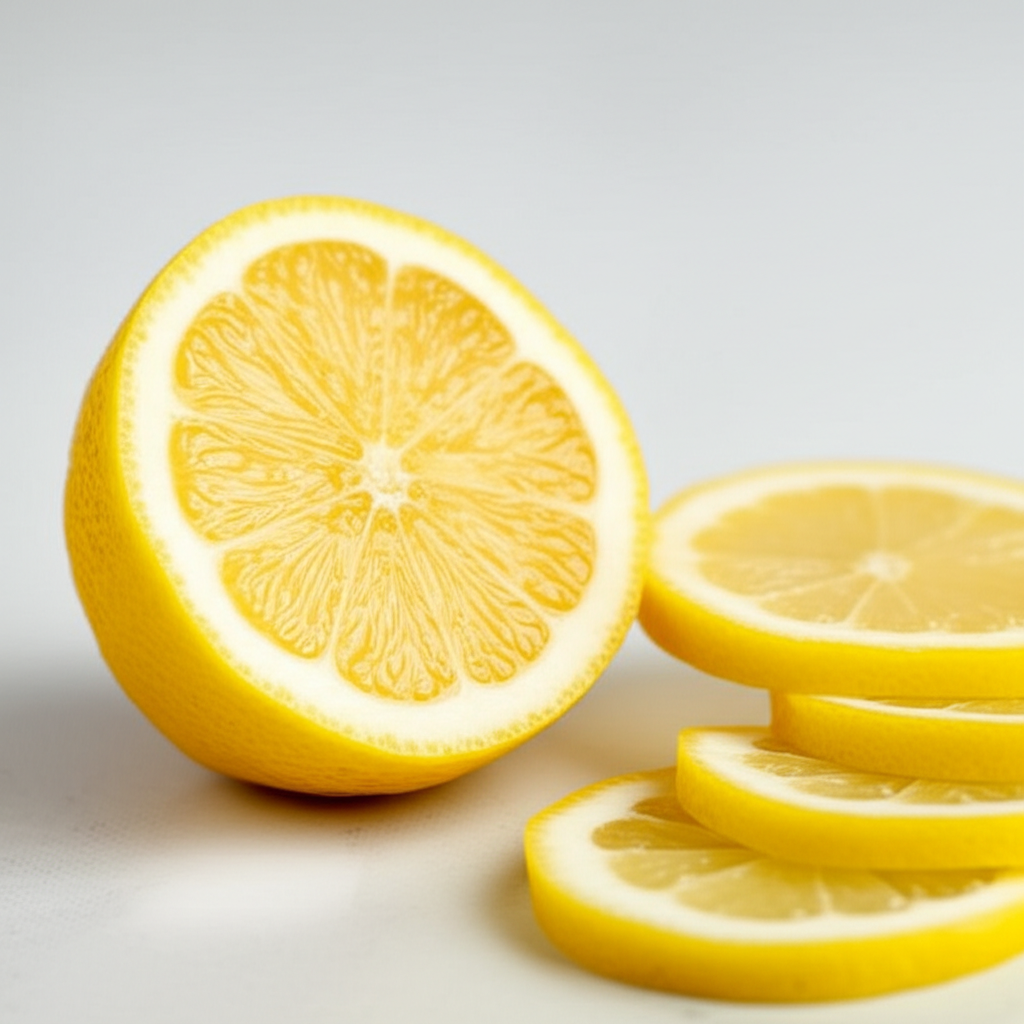
Can Lemon Juice Get Rid of Dark Spots? Surprising Truths!
Yes, lemon juice can help lighten dark spots due to its natural alpha-hydroxy acids (AHAs) and vitamin C. However, it’s crucial to use it safely and with caution to avoid irritation and further skin issues.
Key Takeaways
- Understand lemon juice’s natural skin-lightening properties.
- Learn safe application methods to avoid irritation.
- Discover alternative natural ingredients for dark spots.
- Explore professional treatments for persistent hyperpigmentation.
- Protect your skin from sun damage to prevent new spots.
You’ve likely heard that lemon juice is a natural remedy for many things, and for dark spots, the question often comes up: can lemon juice get rid of dark spots? It’s a common query because we all want clear, even-toned skin. Many home remedies suggest using this bright citrus fruit to fade those pesky marks. But is it really that simple? The truth is a bit more nuanced. While lemon juice does have properties that can help, using it incorrectly can cause more harm than good. Don’t worry, though! We’re going to break down exactly how lemon juice works on dark spots, the safest ways to try it, and what to do if it’s not quite enough. Let’s peel back the layers and find out the surprising truths about lemon juice and your skin.
Understanding Dark Spots and Hyperpigmentation

Before we dive into lemon juice, let’s quickly understand what dark spots are. These common skin concerns, also known as hyperpigmentation, happen when your skin produces more melanin, the pigment that gives skin its color. This can be triggered by several factors.
Common Causes of Dark Spots
- Sun Exposure: This is a big one! The sun’s ultraviolet (UV) rays can stimulate melanin production, leading to sunspots or age spots. Protecting your skin from the sun is key to preventing and managing dark spots.
- Post-Inflammatory Hyperpigmentation (PIH): This occurs after skin inflammation, such as acne breakouts, eczema, or injuries. When the skin heals, it might leave behind a darker patch.
- Hormonal Changes: Conditions like melasma, often called the “mask of pregnancy,” are linked to hormonal fluctuations.
- Aging: As we age, our skin’s ability to repair itself can decrease, making us more prone to developing dark spots.
These dark spots can appear on your face, hands, and other areas frequently exposed to the sun. While generally harmless, many people seek ways to make them less noticeable. This is where natural remedies like lemon juice often come into play.
The Science Behind Lemon Juice and Skin Lightening
So, can lemon juice get rid of dark spots? The potential lies in its natural chemical composition. Lemons are packed with several beneficial compounds, but two stand out when it comes to skin lightening:
Citric Acid: A Natural Exfoliant
Lemon juice is rich in citric acid, a type of alpha-hydroxy acid (AHA). AHAs work by gently exfoliating the top layer of the skin. This process helps to:
- Remove Dead Skin Cells: By sloughing off the outermost layer of dead skin cells, citric acid can reveal fresher, brighter skin underneath.
- Promote Cell Turnover: This exfoliation encourages the skin to produce new cells more rapidly, which can help fade pigmented areas over time.
Think of it like gently buffing away the surface layer where the darker pigment is most concentrated.
Vitamin C: A Powerful Antioxidant
Lemons are also a good source of Vitamin C (ascorbic acid). Vitamin C is a potent antioxidant that plays a vital role in skin health. Its benefits for dark spots include:
- Inhibiting Melanin Production: Vitamin C can help regulate the enzyme tyrosinase, which is essential for melanin production. By reducing tyrosinase activity, it can help prevent the formation of new dark spots and lighten existing ones.
- Antioxidant Protection: It helps protect the skin from damage caused by free radicals, which can contribute to premature aging and hyperpigmentation.
- Boosting Collagen Production: While not directly related to lightening, Vitamin C also supports collagen synthesis, contributing to overall skin health and elasticity.
The combination of citric acid’s exfoliating power and Vitamin C’s melanin-inhibiting and antioxidant properties is what gives lemon juice its reputation as a potential dark spot fighter.
How to Safely Use Lemon Juice for Dark Spots (If You Choose To)
If you’re curious to try lemon juice, it’s crucial to do so with extreme caution. Improper use can lead to irritation, redness, dryness, and even increased sun sensitivity, potentially making your dark spots worse. Here’s how to approach it as safely as possible:
Step-by-Step Application Guide
- Patch Test First: This is non-negotiable. Apply a tiny amount of diluted lemon juice to a small, inconspicuous area of your skin (like behind your ear or on your inner arm). Wait 24-48 hours to see if any reaction occurs (redness, itching, burning). If you experience any irritation, do not proceed with using lemon juice on your face.
- Dilute, Dilute, Dilute: Never apply pure lemon juice directly to your skin. Mix a few drops of fresh lemon juice with an equal amount of a gentle carrier, such as water, rose water, or aloe vera gel.
- Apply Sparingly: Using a clean cotton swab, gently dab the diluted mixture onto the dark spots only. Avoid spreading it over larger areas of your skin or applying it near your eyes.
- Short Contact Time: Leave the mixture on for no more than 10 minutes. The goal is gentle exfoliation and treatment, not prolonged exposure.
- Rinse Thoroughly: After the allotted time, rinse your face thoroughly with cool water. Ensure all traces of the lemon juice mixture are removed.
- Moisturize Well: Lemon juice can be drying. Follow up with a gentle, hydrating moisturizer to soothe your skin.
- Apply Only at Night: Lemon juice makes your skin more sensitive to sunlight. It’s best to apply it in the evening and rinse it off before bed.
- Use Sunscreen Diligently: This is the most critical step. Always apply a broad-spectrum sunscreen with an SPF of 30 or higher the next morning and reapply as needed, even if you’re indoors. This is essential to prevent sun damage and further hyperpigmentation.
Remember, consistency is key, but so is patience. You won’t see results overnight. It might take weeks or even months of careful, consistent application to notice any difference.
Potential Risks and Side Effects
It’s important to be aware of the downsides:
- Skin Irritation and Redness: The acidity can be too harsh for many skin types, leading to discomfort.
- Increased Sun Sensitivity (Photosensitivity): This is a major concern. Applying lemon juice can make your skin much more susceptible to sunburn and UV damage.
- Chemical Burns: In rare cases, especially with undiluted or prolonged application, it can cause mild chemical burns.
- Dryness and Peeling: The exfoliating effect can strip the skin of its natural oils, leading to dryness and flaking.
- Hyperpigmentation Worsening: If your skin becomes irritated, it can sometimes lead to post-inflammatory hyperpigmentation, making the spots darker.
Given these risks, many dermatologists advise against using pure lemon juice directly on the skin. There are often safer and more effective alternatives available.
Safer Natural Alternatives for Dark Spots
If the thought of using lemon juice on your face makes you hesitant, or if you’ve tried it and experienced irritation, there are many other natural ingredients known for their skin-brightening properties. These are often gentler and can be incorporated into your skincare routine with less risk.
Gentle Ingredients to Consider
- Yogurt or Milk: Contains lactic acid, another AHA that offers mild exfoliation. Apply plain yogurt as a mask for 15-20 minutes.
- Papaya: Contains an enzyme called papain, which helps exfoliate and brighten the skin. Mash ripe papaya and apply it as a mask.
- Turmeric: Known for its anti-inflammatory and antioxidant properties. Mix a small amount of turmeric powder with yogurt or honey to create a paste. Be aware that turmeric can temporarily stain the skin.
- Licorice Extract: A popular ingredient in many brightening serums. It contains glabridin, which helps inhibit melanin production.
- Niacinamide (Vitamin B3): A well-researched ingredient that helps reduce inflammation and improve the appearance of dark spots by reducing the transfer of pigment within the skin.
- Kojic Acid: Derived from fungi, it works similarly to Vitamin C by inhibiting tyrosinase.
These ingredients are often found in natural skincare products or can be used in DIY masks with a lower risk of irritation compared to direct lemon juice application. Always perform a patch test with any new ingredient.
When to See a Dermatologist
While home remedies can be tempting, they are not always the best or most effective solution for everyone. If you have significant hyperpigmentation, sensitive skin, or if you’re not seeing results with natural methods, it’s time to consult a professional.
Professional Treatments for Dark Spots
Dermatologists have access to a range of treatments that are proven to be safe and effective for tackling dark spots:
- Topical Prescription Creams: Hydroquinone, tretinoin, and azelaic acid are powerful ingredients prescribed by doctors to significantly fade hyperpigmentation.
- Chemical Peels: These use higher concentrations of acids (like glycolic acid, salicylic acid, or TCA) than you can safely use at home. They deeply exfoliate the skin to reveal brighter, more even-toned skin.
- Laser Therapy: Different types of lasers can target melanin in the skin, breaking down pigment and stimulating collagen production. This is often very effective for stubborn dark spots.
- Microdermabrasion: A minimally invasive procedure that exfoliates the skin using a special device.
- Microneedling: Creates tiny punctures in the skin, which stimulates the body’s natural healing process and can help improve skin texture and reduce hyperpigmentation.
A dermatologist can accurately diagnose the cause of your dark spots and recommend the most suitable treatment plan for your specific skin type and concerns. They can also advise on the best way to prevent future hyperpigmentation.
Preventing Dark Spots: Your Best Defense
The most effective strategy for dealing with dark spots is often prevention. Once you’ve treated existing spots, taking steps to prevent new ones from forming is crucial for maintaining clear, radiant skin.
Key Prevention Strategies
- Daily Sunscreen Use: This is paramount. Apply a broad-spectrum sunscreen with SPF 30 or higher every single day, rain or shine. Reapply every two hours when outdoors.
- Seek Shade: Avoid prolonged sun exposure, especially during peak hours (10 AM to 4 PM).
- Wear Protective Clothing: Hats, sunglasses, and long sleeves can provide a physical barrier against UV rays.
- Avoid Picking at Skin Blemishes: Resist the urge to pop pimples or scratch at irritated skin. This can lead to post-inflammatory hyperpigmentation.
- Gentle Skincare Routine: Avoid harsh scrubs or products that can irritate your skin, as inflammation can trigger dark spots.
- Healthy Lifestyle: A balanced diet rich in antioxidants can support overall skin health and its ability to repair itself.
Taking these proactive measures will significantly reduce your risk of developing new dark spots and help maintain the results of any treatments you undergo.
Can Lemon Juice Get Rid of Dark Spots? A Balanced View
To circle back to our initial question: can lemon juice get rid of dark spots? The answer is that it can potentially help due to its citric acid and Vitamin C content, acting as a mild exfoliant and melanin inhibitor. However, its effectiveness is often limited, and the risks of irritation, increased sun sensitivity, and potential worsening of hyperpigmentation are significant.
Summary Table: Lemon Juice for Dark Spots
| Aspect | Details | Pros | Cons |
|---|---|---|---|
| Active Components | Citric Acid (AHA), Vitamin C | Natural exfoliant, antioxidant, potential melanin inhibitor. | Can be highly irritating, causes sun sensitivity. |
| Effectiveness | Mild to moderate lightening for superficial spots. | May show subtle improvement over time with consistent, careful use. | Results vary greatly; may not be effective for deep or stubborn spots. |
| Safety | High risk of irritation, redness, dryness, and photosensitivity. | Readily available and inexpensive. | Requires extreme caution, dilution, patch testing, and diligent sun protection. |
| Recommendation | Use with extreme caution or opt for safer alternatives. | For the very cautious and for minor spots. | Not recommended for sensitive skin or as a primary treatment. |
For many people, especially those with sensitive skin, the risks associated with using lemon juice outweigh the potential benefits. There are many other natural ingredients and professional treatments that offer a safer and more reliable path to achieving a clearer, more even complexion.
Pro Tip: If you’re considering DIY skincare, always research ingredients thoroughly. Look for sources that discuss both the benefits and potential drawbacks, and always prioritize skin safety. For instance, when exploring natural exfoliants, ingredients like finely ground oats or yogurt are often gentler than acidic fruits.
Frequently Asked Questions (FAQ)
Q1: Can I put lemon juice directly on my dark spots?
A1: No, it is strongly advised not to apply pure lemon juice directly to your skin. It is highly acidic and can cause irritation, redness, and increased sun sensitivity. Always dilute it significantly with water or another carrier.
Q2: How long should I leave lemon juice on my skin?
A2: If you choose to use diluted lemon juice, leave it on for a maximum of 10 minutes before rinsing thoroughly with cool water. Shorter times are often better, especially when starting.
Q3: Will lemon juice make my dark spots worse?
A3: Yes, it’s possible. If your skin becomes irritated or inflamed from using lemon juice, it can actually lead to post-inflammatory hyperpigmentation, making your dark spots darker or creating new ones.
Q4: Is lemon juice safe for all skin types?
A4: No, lemon juice is generally not recommended for sensitive skin types. Even those with normal or oily skin should use it with extreme caution due to its acidity and potential to cause photosensitivity.
Q5: What should I do if I experience a burning sensation after applying lemon juice?
A5: Immediately rinse your skin thoroughly with cool water. Avoid further application. If the burning or redness persists, consult a dermatologist or healthcare professional.
Q6: How often can I use lemon juice on my dark spots?
A6: If you are using it very cautiously and have experienced no irritation, you might consider using a diluted mixture no more than 1-2 times per week, always at night, and always followed by diligent sunscreen use the next day. However, many experts recommend less frequent or no use at all due to the risks.
Q7: Are there better natural remedies than lemon juice for dark spots?
A7: Yes. Ingredients like yogurt (lactic acid), papaya (papain), licorice extract, and niacinamide are often considered gentler and more effective natural alternatives for brightening skin and reducing dark spots without the harshness of lemon juice.
Conclusion
So, can lemon juice get rid of dark spots? While it possesses natural compounds that have the potential to lighten hyperpigmentation, it’s a remedy that requires extreme caution. The risks of irritation, increased sun sensitivity, and even worsening of dark spots are significant. For those seeking to fade dark spots, exploring gentler natural ingredients like yogurt or licorice extract, or consulting a dermatologist for professional treatments, is often a safer and more reliable approach. Remember, consistent sun protection is your best ally in preventing dark spots from forming in the first place. Your skin’s health and radiance are worth the extra care and informed choices.