
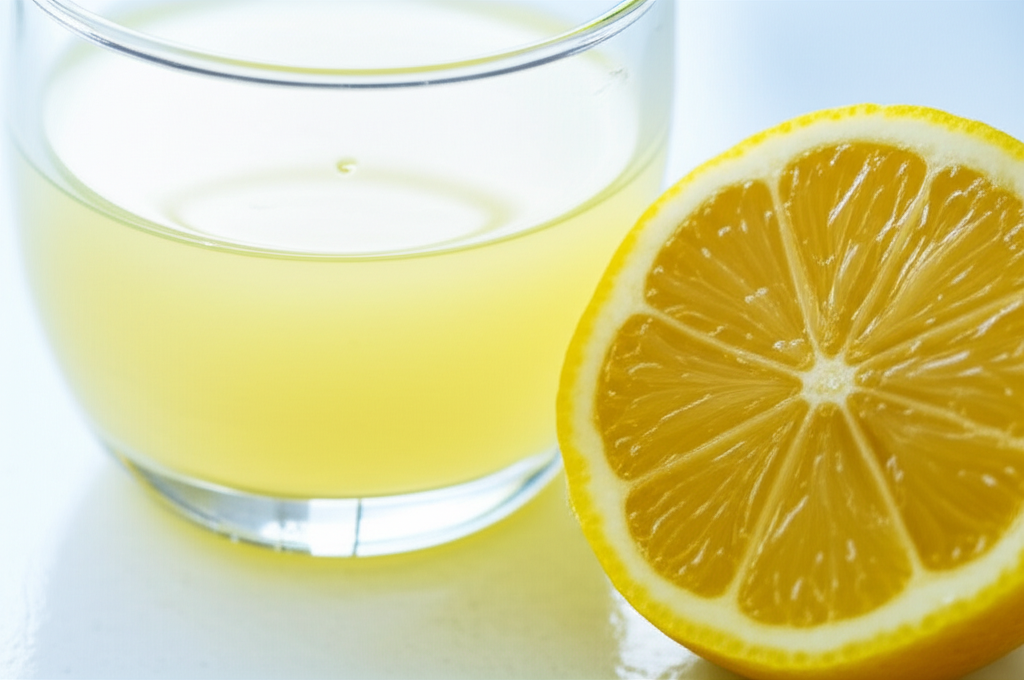
Yes, a small amount of pure lemon juice can generally be consumed without breaking a fast, especially during intermittent fasting. It contains minimal calories and carbohydrates, making it a popular choice for staying hydrated and adding flavor while fasting.
Key Takeaways
- Small amounts of pure lemon juice usually don’t break a fast.
- Lemon juice offers minimal calories and carbohydrates.
- Stay hydrated with lemon water during your fasting window.
- Avoid added sugars or sweeteners with lemon juice.
- Listen to your body and adjust as needed.
- Consult a healthcare professional for personalized advice.
Can Lemon Juice Break A Fast? Essential Guide
You’re exploring the world of fasting, maybe for health benefits or to simplify your eating routine. You’ve heard about intermittent fasting, and you’re wondering about those little things you can consume to make it easier. One common question that pops up is: can lemon juice break a fast? It can feel confusing when you’re trying to stick to a specific eating window. But don’t worry! We’re here to clear things up. This guide will walk you through exactly what you need to know about lemon juice and fasting, making it simple and stress-free.
We’ll cover how much lemon juice is okay, why it’s generally accepted, and what to watch out for. Get ready to feel confident about your fasting journey!
Understanding Fasting and Caloric Intake

Fasting, in its simplest form, means abstaining from food and caloric beverages for a set period. The primary goal of most fasting practices, like intermittent fasting (IF), is to give your digestive system a rest and allow your body to tap into stored energy. This often involves periods of calorie restriction. When we consume calories, our body initiates the digestive process, releasing insulin and using that energy. For many fasting protocols, the aim is to keep these processes dormant.
The key factor in determining whether something breaks a fast is its caloric and macronutrient content. Generally, anything that significantly triggers an insulin response or provides substantial energy can be considered to break a fast. This is why water, black coffee, and plain tea are usually considered “fast-friendly.” They contain negligible calories and have minimal impact on your body’s metabolic state during fasting.
What is Intermittent Fasting?
Intermittent fasting (IF) isn’t a diet that dictates what you eat, but rather when you eat. It’s an eating pattern that cycles between periods of voluntary fasting and non-fasting. Common methods include:
- 16/8 Method: You fast for 16 hours each day and restrict your eating to an 8-hour window.
- 5:2 Diet: You eat normally for five days of the week and restrict calories to about 500-600 on two non-consecutive days.
- Eat Stop Eat: This involves a 24-hour fast once or twice a week.
The benefits of IF are thought to include weight loss, improved insulin sensitivity, and cellular repair processes like autophagy. To achieve these benefits, it’s crucial to adhere to the fasting periods by limiting calorie intake.
The Caloric Content of Lemon Juice
Let’s break down the numbers for lemon juice. A typical serving of pure lemon juice, say from half a lemon (about 1 tablespoon or 15 ml), contains very few calories. This is usually around 3-5 calories. It also contains a minimal amount of carbohydrates, typically less than 1 gram. These numbers are exceptionally low when compared to regular foods or beverages.
For context, a standard glass of fruit juice can contain upwards of 100 calories and 20-30 grams of carbohydrates. A small snack can easily add 100-200 calories. The minuscule amount found in a splash of lemon juice is often considered insignificant in the context of most fasting goals.
Why Lemon Juice Is Often Considered Fast-Friendly
The primary reason lemon juice is generally accepted during a fast is its very low caloric and carbohydrate content. When diluted in water, the impact on your body’s metabolic state is minimal. It doesn’t typically trigger a significant insulin response, which is a key concern for breaking a fast. Furthermore, lemon juice offers several potential benefits that align with wellness goals, even during fasting.
Some proponents of fasting believe that lemon juice can actually aid the fasting process by:
- Promoting Hydration: Adding lemon to water can make it more appealing, encouraging you to drink more fluids. Staying hydrated is crucial during fasting.
- Aiding Digestion (Post-Fast): Some believe that a small amount of lemon water before breaking a longer fast can gently stimulate the digestive system.
- Providing Vitamin C: Lemons are a good source of Vitamin C, an important antioxidant.
- Helping with Cravings: The tartness of lemon can sometimes help curb sweet cravings.
How Much Lemon Juice is Okay?
The “magic number” for lemon juice during a fast usually comes down to quantity. A small amount, such as the juice from half a lemon (about 1-2 tablespoons) diluted in a large glass of water, is generally considered acceptable by most fasting enthusiasts and experts.
Here’s a simple guideline:
- For a glass of water: Squeeze in the juice of ¼ to ½ a lemon.
- Total daily intake: Aim to keep your lemon juice consumption to 1-2 servings throughout your fasting window.
It’s important to note that this is a general guideline. If your fasting goal is very strict, such as for specific therapeutic reasons or autophagy research, you might choose to avoid even this small amount. However, for general intermittent fasting, this quantity is typically fine.
What to Avoid When Drinking Lemon Juice While Fasting
While pure lemon juice is often okay, there are definitely things you should steer clear of if you’re aiming to maintain your fast:
- Added Sugars and Sweeteners: This is the biggest pitfall. Never add sugar, honey, maple syrup, or artificial sweeteners to your lemon water when fasting. These add calories and will break your fast.
- Large Quantities: Drinking several glasses of heavily concentrated lemon juice could add up in terms of calories and acidity. Stick to diluted amounts.
- Lemonade or Sweetened Beverages: Commercially prepared lemonades are loaded with sugar and are definitely not fast-friendly.
- Lemon-Flavored Drinks with Additives: Be wary of any pre-packaged “lemon” drinks. They often contain hidden sugars, artificial flavors, and other ingredients that will break your fast.
Always read labels if you’re unsure about a product. When in doubt, stick to plain water, black coffee, or plain tea.
The Science Behind Breaking a Fast: Insulin and Digestion
When you consume calories, your body responds by releasing hormones like insulin. Insulin’s job is to help your cells absorb glucose from your bloodstream for energy or storage. This process signals to your body that you are eating, and it can inhibit fat burning and the cellular cleanup process known as autophagy. Autophagy is a crucial cellular “recycling” process that is often a key benefit sought from fasting.
For most people practicing intermittent fasting, the goal is to keep insulin levels low and allow the body to enter a fasted state. A small amount of pure lemon juice, due to its minimal carbohydrate and calorie content, is unlikely to cause a significant insulin spike or strongly stimulate digestive processes. It’s far less impactful than consuming a meal or even a small snack.
However, individual responses can vary. Some individuals may be more sensitive. If you are experimenting with very strict fasting protocols or have specific health conditions, it’s always best to monitor your body’s response.
Benefits of Lemon Water During Fasting
Incorporating lemon water into your fasting routine can offer several advantages that go beyond simply quenching your thirst:
Hydration Support
Many people find plain water monotonous. Adding a splash of lemon juice can make drinking water more enjoyable, helping you meet your hydration goals throughout the day. Proper hydration is essential for overall bodily functions, mood, and energy levels, especially when you’re not consuming food.
Electrolyte Balance
Lemons contain small amounts of electrolytes like potassium. While not a significant source, it can contribute slightly to maintaining electrolyte balance, which can sometimes be a concern during longer fasts.
Digestive Stimulation (Gentle)
The acidity of lemon can gently stimulate bile production in the liver, which aids in digestion. While you don’t want to strongly stimulate your digestive system during a fast, a small amount of lemon water might help prepare your gut for breaking the fast, especially after longer fasting periods.
Antioxidant Boost
Lemons are packed with Vitamin C, a powerful antioxidant that helps protect your cells from damage. Consuming a small amount of lemon juice provides a dose of this essential nutrient.
Potential for Alkalizing Effect
Despite being acidic, lemons are often considered alkalizing once metabolized by the body. This can help balance the body’s pH, which is beneficial for overall health.
Lemon Juice vs. Other Beverages During Fasting
It’s helpful to compare lemon juice to other common beverages you might consider during a fast:
| Beverage | Calories | Carbohydrates | Impact on Fast | Notes |
|---|---|---|---|---|
| Plain Water | 0 | 0g | None | The gold standard for fasting. |
| Black Coffee | ~2-5 | ~0-1g | Minimal (for most) | Caffeine can suppress appetite. Avoid cream/sugar. |
| Plain Tea (Herbal/Green/Black) | 0 | 0g | None | Avoid milk, honey, or sugar. |
| Pure Lemon Juice (1 tbsp) | 3-5 | ~1g | Minimal (for most) | Best diluted in water. Avoid added sugars. |
| Diet Soda (Artificial Sweeteners) | 0 | 0g | Debatable/Potential | May trigger cravings or insulin response in some. |
| Fruit Juice (e.g., Orange Juice) | ~110 | ~25g | Breaks Fast | High in sugar and calories. |
| Milk or Creamer | Varies (high) | Varies (high) | Breaks Fast | Contains significant calories and carbohydrates. |
As you can see, pure lemon juice, when consumed in moderation and diluted, falls into the category of beverages with minimal impact. This is why it’s a popular choice for those seeking a little flavor or perceived benefit during their fasting window.
Potential Downsides and Considerations
While generally safe, there are a few potential downsides to consider when consuming lemon juice, especially during a fast:
Tooth Enamel Erosion
Lemons are acidic. Frequent consumption of lemon water, particularly in a concentrated form or without rinsing your mouth afterward, can potentially erode tooth enamel over time. It’s a good practice to drink lemon water through a straw or rinse your mouth with plain water after consumption.
Heartburn or Acid Reflux
For individuals prone to heartburn or acid reflux, the acidity of lemon juice can sometimes trigger or worsen symptoms. If you experience discomfort, it’s best to reduce or eliminate lemon juice during your fast.
Individual Sensitivity
As mentioned, everyone’s body is different. Some people might find that even a small amount of lemon juice affects their fasting state or causes digestive upset. Paying attention to your own body’s signals is key.
Pro Tips
Pro Tip: When preparing lemon water for fasting, always use fresh lemons. Bottled lemon juice can sometimes contain preservatives or trace amounts of other ingredients that might not be ideal. Squeeze your lemon fresh for the purest form.
External Resources for Further Reading
For those interested in the science behind fasting and its metabolic effects, reputable sources can provide deeper insights:
- The National Center for Biotechnology Information (NCBI) often publishes research on metabolic health and fasting.
- The Harvard T.H. Chan School of Public Health offers accessible information on nutrition and dietary patterns, including intermittent fasting.
FAQs About Lemon Juice and Fasting
Q1: Can I drink lemonade while fasting?
A1: No, traditional lemonade is made with sugar and a significant amount of lemon juice. The sugar content will break your fast by spiking your insulin levels.
Q2: What about lemon-flavored sparkling water?
A2: It depends on the ingredients. If it’s just carbonated water and natural lemon flavor with no added sugars or sweeteners, it’s likely fine. Always check the label for any hidden calories or sweeteners.
Q3: Does a small amount of lemon juice in my tea break my fast?
A3: If your tea is plain and unsweetened, a small amount of lemon juice (like from a quarter lemon) is generally considered acceptable. The key is to keep the total calorie and carbohydrate intake minimal.
Q4: How much lemon juice is too much when fasting?
A4: If you’re consuming more than 1-2 tablespoons of pure lemon juice per day, especially if it’s not diluted, you might be consuming enough calories and carbohydrates to potentially affect your fast. Stick to small, diluted amounts.
Q5: Can lemon juice help with hunger pangs during a fast?
A5: For some people, the tartness of lemon water can be a distraction from hunger pangs. It can also help with hydration, which can sometimes be mistaken for hunger.
Q6: Is it better to use fresh lemons or bottled lemon juice for fasting?
A6: Fresh lemons are generally preferred. Bottled lemon juice can sometimes contain preservatives or other additives that you might want to avoid while fasting. If you use bottled, ensure it’s 100% pure lemon juice with no added ingredients.
Q7: Will lemon juice trigger an insulin response?
A7: For most people, the tiny amount of carbohydrates and calories in a small serving of diluted lemon juice is unlikely to cause a significant insulin response. However, individual sensitivity can vary.
Conclusion
Navigating the nuances of fasting can seem complex, but understanding the role of beverages like lemon juice brings clarity. For most individuals practicing intermittent fasting, a small amount of pure lemon juice, typically from half a lemon diluted in water, is generally considered acceptable and won’t break your fast. It offers a way to stay hydrated and add a bit of flavor without significantly impacting your metabolic state.
Remember to avoid added sugars, sweeteners, and excessive quantities. Always listen to your body and adjust your intake based on how you feel and your specific fasting goals. With this knowledge, you can confidently enjoy lemon water as part of your fasting routine, supporting your hydration and overall wellness journey.