
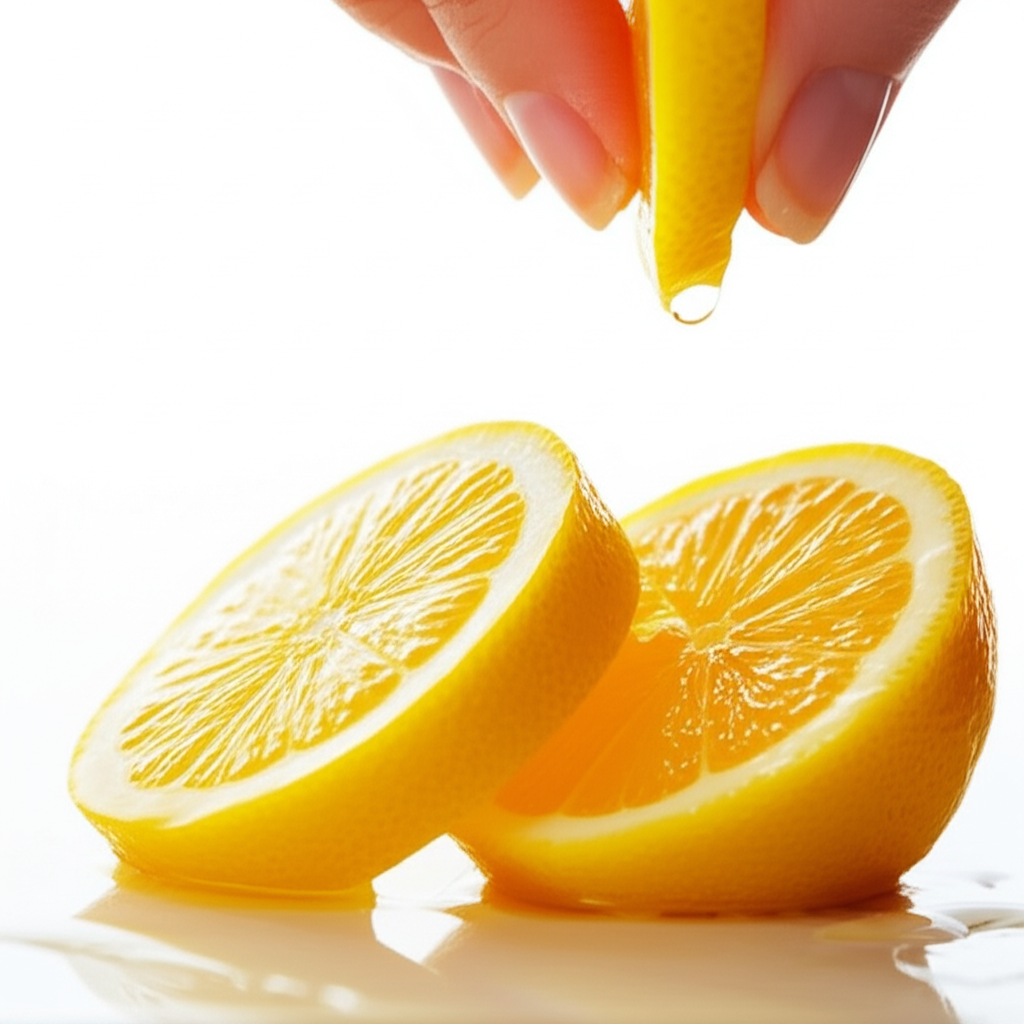
Yes, you can use lemon juice on your face, but with extreme caution! Dilution is key to avoid irritation and photosensitivity. Learn the essential safety tips to use this natural ingredient effectively for skin benefits while preventing harm.
Key Takeaways
Dilute lemon juice significantly before facial application.
Perform a patch test to check for sensitivity.
Avoid sun exposure immediately after application.
Use lemon juice sparingly, not daily.
Listen to your skin; stop if irritation occurs.
Consult a dermatologist for persistent skin concerns.
Can I Use Lemon Juice On My Face? Essential Safety Tips
You’ve probably heard that lemon juice is a natural wonder for skin. Maybe you’ve seen it recommended for brightening dark spots or tackling acne. It’s true that lemons are packed with Vitamin C, an antioxidant that can be great for your complexion. But the big question is: can you just squeeze a lemon and slather it on your face? It’s a common thought, especially when you’re looking for simple, natural skincare solutions. The truth is, while lemon juice can offer benefits, using it incorrectly can cause more harm than good. This guide will walk you through everything you need to know, offering clear, easy-to-follow advice so you can feel confident about whether and how to try it. Let’s dive into the essential safety tips to help you navigate using lemon juice on your face safely and effectively.
Understanding Lemon Juice and Your Skin
Lemons are citrus fruits known for their bright yellow color and tart taste. They contain citric acid, a type of alpha-hydroxy acid (AHA), and Vitamin C. These components are what make people think of lemon juice for skincare. Citric acid can act as a natural exfoliant, helping to slough off dead skin cells. Vitamin C is a potent antioxidant that can help protect your skin from damage and promote a brighter complexion.
However, the concentration of these compounds in pure lemon juice is very high. This is where the “but” comes in. Applying undiluted lemon juice to your delicate facial skin is like pouring concentrated cleaning fluid on a delicate fabric – it can cause damage.
The Science Behind the Sting: Citric Acid and pH
Lemon juice has a very low pH, typically between 2 and 3. For context, the ideal pH of healthy skin is around 4.5 to 5.5. When you apply something with such a low pH to your skin, it can disrupt your skin’s natural barrier. This barrier is crucial for keeping moisture in and irritants out.
When this barrier is compromised, your skin can become:
Dry and flaky
Red and irritated
More prone to breakouts
More sensitive to sunlight
Vitamin C: A Double-Edged Sword
While Vitamin C is celebrated for its antioxidant properties and its ability to help fade dark spots, it’s also an acid. In high concentrations, it can lead to:
Photosensitivity: This is perhaps the most significant risk. Acids like citric acid can make your skin much more sensitive to ultraviolet (UV) radiation from the sun. Exposure to sunlight after applying lemon juice can lead to severe sunburn, blistering, and long-lasting hyperpigmentation (dark spots that are even worse than what you were trying to treat). This condition is sometimes referred to as phytophotodermatitis, which can occur when skin is exposed to certain plant compounds and then sunlight.
Irritation and Burning: The acidic nature can cause a stinging or burning sensation, especially on sensitive skin or if you have any cuts, scrapes, or active acne.
Potential Benefits of Diluted Lemon Juice for Skin

When used correctly and with extreme caution, diluted lemon juice might offer some benefits due to its natural properties. It’s crucial to remember that these benefits are best achieved through carefully formulated skincare products that contain stabilized forms of Vitamin C and AHAs at safe concentrations, rather than direct application of fruit juice.
1. Brightening and Evening Skin Tone
The citric acid in lemon juice can act as a mild exfoliant. By removing dead skin cells, it can help to reveal fresher, brighter skin underneath. This process may help to fade superficial dark spots, acne scars, and mild hyperpigmentation over time.
2. Acne Treatment
The acidic nature of lemon juice has some astringent properties, meaning it can help to dry out excess oil on the skin. Some people find that applying a highly diluted solution can help to dry out pimples. However, this can also strip the skin of its natural oils, leading to increased oil production as a rebound effect or significant dryness and irritation.
3. Mild Exfoliation
As an AHA, citric acid can help to break down the bonds between dead skin cells. This gentle exfoliation can contribute to smoother skin texture and improved cell turnover.
Essential Safety Tips: How to Use Lemon Juice Safely (If You Choose To)
Given the risks, approaching lemon juice for facial use requires a highly cautious and informed strategy. If you’re determined to try it, here are the non-negotiable safety tips.
1. ALWAYS Dilute, Dilute, Dilute!
This cannot be stressed enough. Never apply undiluted lemon juice to your face.
The Ratio: A common starting point for dilution is mixing one part lemon juice with at least ten parts water. Some sources recommend even more dilution, like 1:20.
Carrier Oils: You can also dilute it with soothing carrier oils like jojoba oil, almond oil, or coconut oil (if your skin tolerates it). This can help buffer the acidity. Mix a few drops of lemon juice with a tablespoon of carrier oil.
2. Perform a Patch Test First
Before applying any new ingredient to your entire face, test it on a small, inconspicuous area.
Where to Test: The inside of your wrist or behind your ear is ideal.
How to Test: Apply a small amount of your diluted lemon juice mixture. Wait 24-48 hours.
What to Look For: Check for any redness, itching, burning, or swelling. If you experience any reaction, do not use it on your face.
3. Avoid Sun Exposure Religiously
This is a critical step. Because lemon juice makes your skin highly photosensitive, you must protect your skin from the sun.
Timing: Apply diluted lemon juice only in the evening or at night.
Sunscreen: Even if applied at night, always wear a broad-spectrum sunscreen with an SPF of 30 or higher during the day, especially for a week after using lemon juice.
Consideration: If you live in a sunny climate or spend a lot of time outdoors, it might be best to avoid using lemon juice on your face altogether.
4. Less is More: Frequency and Duration
Frequency: Do not use lemon juice daily. Start with once a week at most. If your skin tolerates it well, you might consider twice a week, but never more.
Duration: Do not leave diluted lemon juice on your face for extended periods. Rinse it off thoroughly after 5-10 minutes.
5. Listen to Your Skin
Your skin is your best guide.
Stop Immediately: If you feel any stinging, burning, or discomfort while it’s on your face, rinse it off immediately with cool water.
Observe: Pay attention to how your skin looks and feels in the hours and days after application. If you notice increased redness, dryness, or sensitivity, discontinue use.
6. Avoid Sensitive Areas
Keep diluted lemon juice away from your eyes, nostrils, and lips. The skin in these areas is thinner and more sensitive.
7. Be Wary of Cuts and Active Acne
Do not apply lemon juice to broken skin, cuts, or active, inflamed pimples. The acidity will cause significant stinging and can worsen inflammation.
Alternatives to Direct Lemon Juice Application
Given the significant risks associated with applying pure lemon juice directly to the skin, most dermatologists and skincare professionals recommend opting for safer, more controlled alternatives. These products have been formulated to deliver the benefits of Vitamin C and AHAs without the harsh side effects.
1. Vitamin C Serums
These are specifically designed for facial application.
Formulations: They use stabilized forms of Vitamin C (like L-ascorbic acid, sodium ascorbate, magnesium ascorbyl phosphate) at safe and effective concentrations (typically 10-20%).
Benefits: Offer antioxidant protection, brighten skin, and help fade hyperpigmentation with minimal irritation when formulated correctly.
Where to Find: Available at drugstores, beauty retailers, and online.
2. Products with Alpha-Hydroxy Acids (AHAs)
While citric acid is an AHA, other AHAs are commonly used in skincare for exfoliation.
Examples: Glycolic acid, lactic acid, and malic acid are often found in cleansers, toners, and serums.
Benefits: These ingredients gently exfoliate dead skin cells, improve skin texture, and can help with mild acne and dullness.
Formulation: They are formulated at safe pH levels and concentrations for facial use.
3. Gentle Exfoliants
If your goal is exfoliation, consider gentler options.
Enzyme Peels: Derived from fruits like papaya and pineapple, these use enzymes to break down dead skin cells.
Physical Exfoliants: Gentle scrubs with fine particles can also be effective, but use with caution to avoid micro-tears.
4. Natural DIY Alternatives (Still Diluted!)
If you’re keen on DIY, consider ingredients that are generally gentler than pure lemon juice.
Yogurt Masks: Plain yogurt contains lactic acid, a milder AHA, and can be soothing.
Oatmeal Masks: Oatmeal is known for its calming and anti-inflammatory properties.
Pro Tip: Always read ingredient lists carefully. Look for reputable brands that clearly state the concentration of active ingredients and the pH of their products.
Understanding Photosensitivity and Phytophotodermatitis
Photosensitivity is a condition where your skin becomes abnormally sensitive to light, particularly ultraviolet (UV) radiation from the sun. When you apply certain substances to your skin, they can absorb UV rays, leading to an exaggerated reaction.
Phytophotodermatitis is a specific type of photosensitivity reaction caused by compounds found in certain plants, including citrus fruits like lemons. When the natural oils or juices from these plants (phytochemicals) come into contact with your skin, and then your skin is exposed to sunlight, a chemical reaction occurs. This reaction can cause:
Redness and Inflammation: Similar to a severe sunburn.
Blistering: In more severe cases.
Hyperpigmentation: This is a common and frustrating outcome. The skin can develop dark, discolored patches that can last for months or even years. This is particularly ironic, as many people try lemon juice to lighten dark spots, only to end up with darker, more persistent ones.
Itching and Burning: The affected areas can be very uncomfortable.
The severity of phytophotodermatitis depends on several factors:
Concentration of the plant substance: The more concentrated the lemon juice, the higher the risk.
Duration of contact: How long the juice was on the skin.
Amount of sun exposure: The intensity and duration of UV exposure.
Individual skin sensitivity: Some people are naturally more prone to these reactions.
This is why avoiding sun exposure is paramount if you use lemon juice on your skin. Even a small amount of residual juice on your skin, combined with a short period of sun exposure, can trigger a reaction.
When to See a Dermatologist
While you might be tempted to try natural remedies, it’s always wise to consult a professional, especially if you have underlying skin conditions or concerns.
Consider seeing a dermatologist if:
You have sensitive skin, rosacea, or eczema: These conditions make your skin much more prone to irritation from acidic ingredients.
You are experiencing severe reactions: If you develop significant redness, burning, blistering, or persistent dark spots after using lemon juice, seek medical advice.
You have persistent acne or hyperpigmentation: A dermatologist can offer scientifically proven treatments that are safe and effective for your specific concerns.
You are unsure about your skin type: A dermatologist can help you understand your skin and recommend appropriate products and treatments.
You want personalized advice:** They can tailor a skincare routine to your individual needs, which is often more effective and safer than DIY remedies.
Frequently Asked Questions About Using Lemon Juice on Your Face
Here are answers to some common questions beginners have about using lemon juice on their skin:
Q1: Can I use lemon juice on my face every day?
A: No, absolutely not. Daily use of lemon juice on your face is highly discouraged due to its acidity. It can strip your skin’s natural barrier, leading to dryness, irritation, increased sensitivity, and potential sun damage. If you choose to use it, limit it to once or twice a week at most, and always diluted.
Q2: Will lemon juice lighten dark spots on my face?
A: Diluted lemon juice may* help to lighten superficial dark spots over time due to its citric acid content, which acts as a mild exfoliant. However, the risk of causing further hyperpigmentation or irritation is significant. Safer and more effective treatments for dark spots are readily available in skincare products.
Q3: Is lemon juice good for oily skin and acne?
A: Some people use diluted lemon juice believing it can help dry out oily skin and pimples due to its astringent properties. However, it can strip the skin of essential moisture, potentially leading to a rebound effect of increased oil production or severe dryness and irritation, which can worsen acne.
Q4: How should I dilute lemon juice for facial use?
A: The key is significant dilution. A common recommendation is mixing 1 part fresh lemon juice with at least 10 parts water. Some advise an even higher dilution ratio, like 1:20. You can also dilute it with a soothing carrier oil like jojoba or almond oil. Always perform a patch test first.
Q5: What happens if I get sun exposure after putting lemon juice on my face?
A: You risk severe sunburn, blistering, and phytophotodermatitis. The citric acid in lemon juice makes your skin highly photosensitive, meaning it becomes extremely vulnerable to UV radiation. This can lead to painful reactions and long-lasting dark spots that are difficult to treat.
Q6: Are there any safer alternatives to lemon juice for skin brightening?
A: Yes, many safer and more effective alternatives exist. Look for skincare products containing stabilized Vitamin C serums (like L-ascorbic acid), alpha-hydroxy acids (AHAs) like glycolic or lactic acid, or niacinamide. These ingredients are formulated at safe concentrations and pH levels for facial use and offer similar benefits with far fewer risks.
Q7: Can I use lemon juice on my face if I have sensitive skin?
A: It is strongly advised against using lemon juice on sensitive skin. Sensitive skin is already prone to irritation and redness. The high acidity of lemon juice can easily disrupt the skin barrier, leading to burning, stinging, and significant inflammation. Opt for gentle, dermatologist-recommended products instead.
Conclusion
While the idea of using a natural ingredient like lemon juice on your face might seem appealing for its potential brightening and exfoliating properties, the reality is that its high acidity poses significant risks. The possibility of severe irritation, burns, and long-lasting hyperpigmentation due to increased photosensitivity cannot be overstated. For beginners, and indeed for most individuals, the safest and most effective path to achieving clearer, brighter skin lies in using well-formulated skincare products. These products contain beneficial ingredients like Vitamin C and AHAs at controlled concentrations and pH levels, ensuring you can reap the rewards without the harsh consequences. Always prioritize your skin’s health and safety by choosing tested and regulated options, and when in doubt, consult a dermatologist for personalized guidance.