
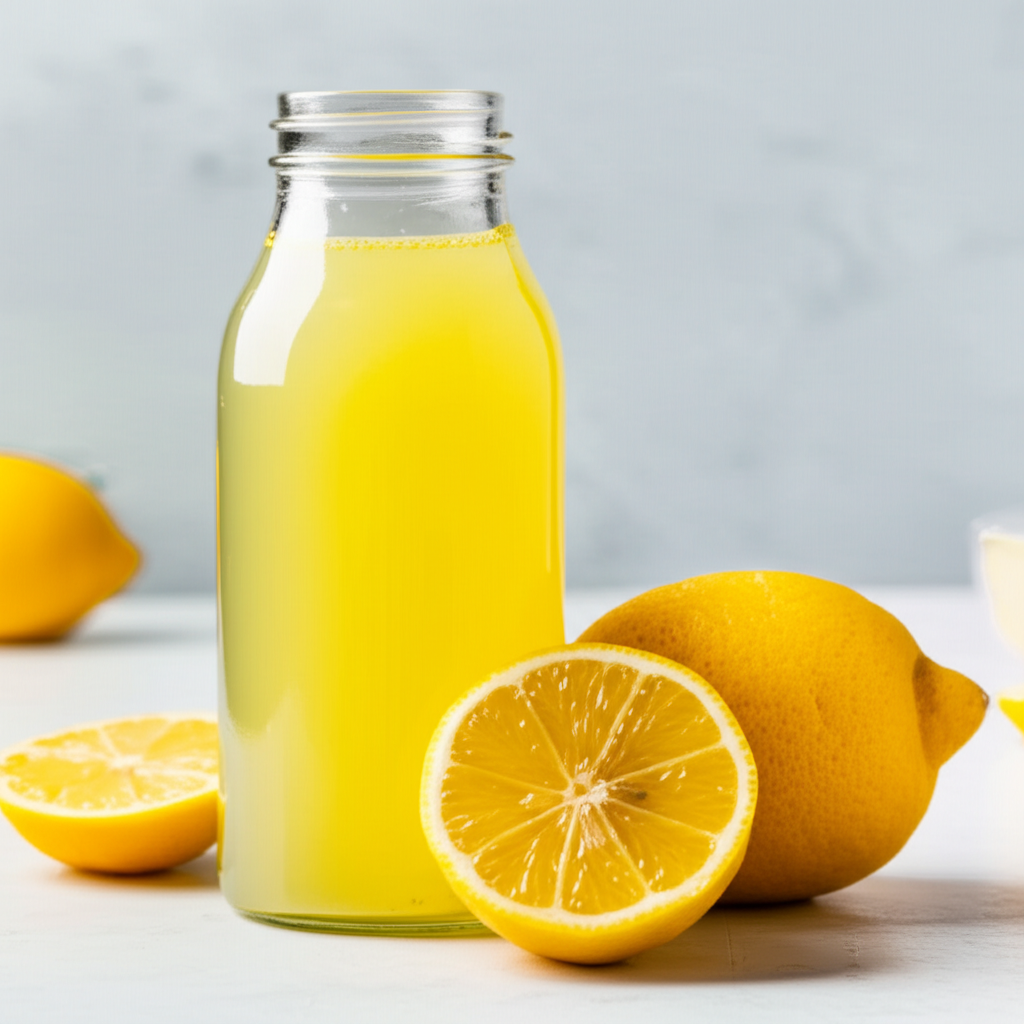
Yes, fresh lemon juice absolutely can go bad. While it’s a vibrant source of vitamin C and flavor, its shelf life depends on how it’s stored. Learn the shocking truth about its longevity and how to keep it fresh for your delicious recipes!
Key Takeaways
- Store fresh lemon juice properly to extend its life.
- Refrigeration is key for maximum freshness.
- Freeze for long-term storage.
- Watch for signs of spoilage like mold or off-smells.
- Understand the impact of added ingredients.
- Use it within recommended timeframes for best quality.
Can Fresh Lemon Juice Go Bad? Shocking Shelf Life Truth
You’ve squeezed a bunch of bright, juicy lemons, and now you’re wondering about that lovely liquid gold you’ve created. Can fresh lemon juice go bad? It’s a common question, especially when you’ve made more than you can use right away. Freshly squeezed juice is packed with flavor and vitamin C, making it a star ingredient in everything from salad dressings to refreshing drinks. But just like other fresh ingredients, it has a limited lifespan. Don’t let this vibrant citrus treasure go to waste! Understanding how to store it and recognizing its spoilage signs is crucial for maximizing its goodness. Let’s dive into the simple steps that will keep your lemon juice tasting its best, ensuring you’re always ready for your next culinary creation.
The Science Behind Lemon Juice Spoilage

Why does something as seemingly stable as lemon juice eventually turn? It all comes down to a few key factors: microbes, oxidation, and enzyme activity. Lemons themselves have natural protective qualities, like their acidity, which helps inhibit the growth of many bacteria. However, once you extract the juice, you expose it to more of the environment, making it susceptible to spoilage.
Microorganisms like mold and yeast are everywhere. When they find their way into your fresh lemon juice, they start to feed and multiply. While the high acidity of lemon juice slows this process down significantly compared to, say, pureed fruit, it doesn’t stop it entirely. These microbes can alter the taste, smell, and even the safety of the juice.
Oxidation is another culprit. When the juice is exposed to air, certain chemical reactions can occur. This can lead to a loss of vitamin C and a dulling of the fresh, bright flavor. You might notice a slightly metallic or “off” taste developing over time due to these oxidative changes.
Enzymes naturally present in the lemon also play a role. These biological catalysts continue to work even after the fruit is juiced, contributing to changes in flavor and aroma. While not as dramatic as microbial growth, enzyme activity can subtly degrade the quality of your juice over extended periods.
Freshly Squeezed vs. Store-Bought Lemon Juice
There’s a world of difference between the lemon juice you squeeze yourself and the bottled stuff you find on grocery store shelves. This distinction is critical when discussing shelf life.
Freshly Squeezed Lemon Juice: The Delicate Nature
When you squeeze lemons at home, you’re working with pure, unadulterated juice. This means it contains all the natural components, including water, sugars, citric acid, vitamin C, and essential oils from the peel (if you’re not careful!). It also means it lacks the preservatives and processing that extend the life of commercial versions.
Because it’s fresh, it’s also more vulnerable. Without pasteurization or added preservatives, its natural goodness is also its weakness when it comes to longevity. The clock starts ticking the moment you extract it.
Store-Bought Lemon Juice: The Preserved Powerhouse
Commercial lemon juices often undergo pasteurization, a heat treatment that kills most harmful bacteria and extends shelf life considerably. They may also contain preservatives like sodium benzoate or potassium metabisulfite, which further inhibit microbial growth and oxidation. This is why a bottle of lemon juice can sit in your pantry for months before you even open it, and then last for weeks in the refrigerator after opening.
However, this preservation comes at a cost. Many people find that the flavor of store-bought lemon juice is not as bright or vibrant as fresh. The pasteurization and preservative process can alter the delicate taste and aroma that makes fresh lemon juice so special.
How Long Does Fresh Lemon Juice Last?
The lifespan of your freshly squeezed lemon juice is highly dependent on how you store it. Let’s break down the typical shelf life under different conditions.
Refrigerated Fresh Lemon Juice
This is the most common and recommended method for storing small batches of freshly squeezed lemon juice. Proper refrigeration significantly slows down microbial growth and oxidation, preserving the juice’s quality.
General Guideline:
- Airtight Container: In a clean, airtight glass bottle or jar, fresh lemon juice typically lasts for about 3 to 5 days in the refrigerator.
- Taste and Smell: After this period, you might start to notice subtle changes in flavor. It may become less bright, and a slight “cooked” or metallic note might develop.
- Visual Cues: While less common in such a short timeframe, keep an eye out for any cloudiness that wasn’t there before or the very early signs of mold.
Factors Affecting Refrigerated Shelf Life:
- Cleanliness: Was the container thoroughly washed and dried? Were your hands clean when juicing and pouring? Any contamination can shorten the life.
- Amount of Air Exposure: The more air trapped in the container, the faster oxidation can occur. Fill the container as much as possible, leaving minimal headspace.
- Citrus Oils: If you accidentally get a lot of oil from the lemon peel into your juice, it can sometimes affect the flavor over time, though it doesn’t necessarily make it unsafe faster.
Frozen Fresh Lemon Juice
For longer-term storage, freezing is your best friend. Freezing essentially halts microbial activity and significantly slows down chemical changes, preserving the juice for months.
General Guideline:
- Freezer-Safe Container: Store in airtight freezer bags, ice cube trays, or small freezer-safe containers.
- Shelf Life: Properly frozen fresh lemon juice can last for 4 to 6 months.
- Quality: While it remains safe to consume for longer, the flavor quality will gradually degrade after about 6 months.
Tips for Freezing:
- Ice Cube Trays: This is a fantastic method for portion control. Pour juice into ice cube trays, freeze until solid, then transfer the cubes to a freezer bag. Each cube is roughly 1-2 tablespoons, perfect for adding to water or recipes.
- Labeling: Always label your frozen juice with the date and quantity.
- Thawing: Thaw frozen lemon juice in the refrigerator overnight or gently warm it on the stovetop or in the microwave for immediate use.
Room Temperature Fresh Lemon Juice
Leaving fresh lemon juice out on the counter is generally not recommended for more than a few hours, especially if you plan to store it for later use. While its acidity offers some protection, it’s still a breeding ground for bacteria and a prime candidate for oxidation at room temperature.
General Guideline:
- Short Term: For immediate use in a recipe (e.g., within 2-4 hours), room temperature is fine.
- Long Term: It’s best to juice your lemons and immediately refrigerate or freeze the juice if you won’t be using it right away. Extended periods at room temperature will lead to rapid degradation of flavor and potential spoilage.
Why avoid room temperature storage? The warmer the environment, the faster microbes can grow and multiply. This can lead to spoilage much quicker than in a chilled environment.
Signs Your Fresh Lemon Juice Has Gone Bad
Trust your senses! Your eyes and nose are your best tools for determining if your fresh lemon juice is no longer good to use.
Visual Clues
- Mold: This is the most obvious sign. Look for fuzzy spots of any color (white, green, black, blue) on the surface or along the sides of the container. If you see mold, discard the entire batch. Even if you scrape off the visible mold, its roots can penetrate deeper into the liquid, and mycotoxins can be present.
- Cloudiness or Sediment: While some natural pulp is expected, a sudden or significant increase in cloudiness or a thick layer of sediment that wasn’t there initially can indicate spoilage or bacterial growth.
- Color Change: A slight darkening can occur due to oxidation, but a drastic, unnatural color change might signal a problem.
Olfactory Clues (Smell)
- Off-Odors: Fresh lemon juice should smell bright, zesty, and citrusy. If it smells sour in an unpleasant way, fermented, yeasty, “off,” or like alcohol, it’s likely gone bad.
- Musty Smell: Any hint of a musty or stale odor is a clear warning sign.
Taste Clues
This is the last resort, as you don’t want to ingest spoiled juice. If the visual and olfactory checks are borderline, a tiny sip might confirm your suspicions.
- Unpleasant Sourness: Beyond the natural tartness, if it tastes excessively sour, bitter, or acrid in a way that’s not typical, it’s best to discard it.
- “Off” Flavors: Any hint of metallic, stale, or fermented flavors indicates spoilage.
Important Safety Note: When in doubt, throw it out! It’s not worth the risk of foodborne illness.
Storage Best Practices for Maximum Freshness
To get the most out of your freshly squeezed lemon juice, follow these practical tips:
1. Start with Cleanliness
This is non-negotiable. Ensure all your equipment—juicers, knives, cutting boards, containers—is scrupulously clean and dry before you begin. Wash your hands thoroughly as well. Any lingering bacteria or mold spores can significantly shorten the juice’s shelf life.
2. Use the Right Container
Glass is ideal for storing lemon juice. It’s non-porous, doesn’t react with the acidity, and is easy to clean. Opt for a container with a tight-fitting lid to minimize air exposure. Dark glass can offer a slight advantage by protecting the juice from light, which can degrade vitamin C.
Recommended Containers:
- Glass jars with screw-on lids
- Glass bottles with stoppers or screw-on caps
- Airtight freezer containers or bags (for freezing)
3. Minimize Air Exposure
Oxygen is the enemy of freshness. After juicing, transfer the juice to your chosen container and fill it as close to the top as possible. Leave minimal headspace. If you have a lot of juice and only a small container, consider using smaller containers to reduce the air-to-juice ratio in each.
4. Refrigerate Promptly
As soon as you’ve juiced your lemons, get the juice into the refrigerator. The cold temperature is crucial for slowing down spoilage processes.
5. Label and Date
It’s easy to forget how long something has been in the fridge or freezer. Always label your containers with the contents and the date it was made. This simple step prevents guesswork and ensures you use the juice at its peak.
6. Consider Freezing for Longer Storage
If you know you won’t use the juice within a few days, freezing is the best option. As mentioned, ice cube trays are perfect for creating convenient, pre-portioned servings.
Impact of Added Ingredients on Shelf Life
What happens when you mix lemon juice with other things? The shelf life can change dramatically.
Lemon Juice with Water
Diluting lemon juice with water creates lemon water. While refreshing, adding water introduces more potential for bacterial growth and reduces the overall acidity, which is a natural preservative. Diluted lemon juice should be consumed quickly, ideally within 24 hours, and always refrigerated if not consumed immediately.
Lemon Juice in Dressings and Sauces
When lemon juice is part of a larger recipe, like a vinaigrette or sauce, its shelf life is determined by the other ingredients. Recipes containing oil, herbs, and other components will have their own spoilage timelines. Generally, homemade dressings and sauces containing fresh ingredients (and no dairy or raw eggs) can last 3-7 days in the refrigerator. Always check for spoilage signs before using.
Lemon Juice with Sugar or Honey
Adding sugar or honey can slightly extend the shelf life of lemon juice because sugar acts as a mild preservative by drawing out water from microbial cells, making it harder for them to thrive. However, this effect is modest. Lemon juice mixed with a significant amount of sugar or honey (like a simple syrup or lemonade base) might last a few days longer in the refrigerator than plain juice, perhaps up to a week, but it’s still best to consume it relatively quickly and observe for spoilage.
Pasteurized vs. Unpasteurized
This is a critical distinction. Commercially pasteurized lemon juice has a much longer shelf life (often months unopened in the pantry, and weeks after opening in the fridge) due to the heat treatment that kills microbes and the addition of preservatives. Your freshly squeezed, unpasteurized juice simply doesn’t have these advantages.
Table: Lemon Juice Shelf Life Comparison
Here’s a quick reference for understanding how different storage methods affect your fresh lemon juice:
| Storage Method | Container Type | Typical Shelf Life | Best For |
|---|---|---|---|
| Refrigerated | Airtight glass bottle/jar | 3-5 days | Short-term use, daily recipes |
| Frozen | Airtight freezer bag/container, ice cube trays | 4-6 months | Long-term storage, batch prep |
| Room Temperature | N/A (not recommended for storage) | A few hours (max 2-4) | Immediate use only |
| Diluted (with water) | Refrigerated, airtight container | 1-2 days (consume quickly) | Immediate consumption (e.g., lemon water) |
| Commercial (Unopened) | Original bottle/carton | Months (check ‘Best By’ date) | Pantry storage, longer availability |
| Commercial (Opened) | Original bottle, refrigerated | Weeks (check label, typically 2-4 weeks) | Convenience for regular use |
Pro Tips for Maximizing Freshness
Pro Tip: When juicing lemons, avoid piercing the white pith too deeply with your reamer or juicer. The pith contains bitter oils that can seep into your juice and affect its flavor, making it less pleasant even when fresh and potentially contributing to off-flavors as it ages.
Frequently Asked Questions (FAQ)
Q1: Can I reuse lemon juice that has been sitting out for a day?
A: It is not recommended. After a few hours at room temperature, fresh lemon juice can start to harbor bacteria. Unless you are using it immediately, it’s safest to discard it to avoid any potential health risks.
Q2: Is it safe to drink lemon juice with a little bit of mold on top?
A: No, it is not safe. Mold can have roots that extend deep into the liquid, and it can produce toxins that are not visible. Always discard any batch of fresh lemon juice that shows signs of mold.
Q3: How do I know if frozen lemon juice is still good after 6 months?
A: While frozen lemon juice can remain safe to consume for longer, its quality (flavor and aroma) will degrade over time. After 6 months, it might taste less vibrant. Thaw a small amount and taste it. If the flavor is still acceptable for your intended use, it’s likely fine. If it tastes “off” or stale, it’s best to discard it.
Q4: Does adding pulp affect how long fresh lemon juice lasts?
A: A small amount of pulp is natural and generally won’t significantly shorten the shelf life of properly stored juice. However, if you leave large chunks of pulp or membranes in the juice, they can potentially harbor microbes and speed up spoilage. Straining the juice before storing is best for maximum longevity.
Q5: Can I leave fresh lemon juice in a metal container?
A: It’s best to avoid storing acidic liquids like lemon juice in metal containers, especially aluminum or copper, as the acid can react with the metal. This can impart a metallic taste to the juice and potentially corrode the container over time. Stick to glass or food-grade, non-reactive plastic for storage.
Q6: What’s the difference in shelf life between lemon juice from a fresh lemon and juice from a dried lemon?
A: Dried lemons have had most of their water content removed, which significantly inhibits microbial growth and enzymatic activity. “Lemon juice” made from dried lemons (by rehydrating them) would have a different shelf life depending on the rehydration process and storage, but it’s not the same as fresh juice. Fresh lemon juice is perishable; dried lemon products are shelf-stable until rehydrated.
Conclusion
So, can fresh lemon juice go bad? Absolutely, but with the right knowledge and storage practices, you can enjoy its vibrant flavor and beneficial properties for longer. Understanding the difference between fresh and commercial juices, recognizing the signs of spoilage, and employing simple storage techniques like refrigeration and freezing are key. By following these guidelines, you can confidently incorporate fresh lemon juice into your smoothies, dressings, and drinks without worry, ensuring every sip is as bright and zesty as the day you squeezed it.